Efficiency and Comfort: Understanding the Proper Ceiling Fan Rotation for Every Season
Ceiling fans are an often underestimated component of home climate control systems. With their ability to improve comfort, circulate air, and reduce energy costs, ceiling fans are versatile devices that can enhance any living space. However, the direction in which your ceiling fan spins can make all the difference in achieving the right comfort level and energy efficiency, depending on the season. In this article, we’ll delve into the science behind ceiling fan rotation, how it impacts your home environment, and why understanding this simple yet significant detail can contribute to your home’s overall efficiency.

The Mechanics of Ceiling Fans: An Overview
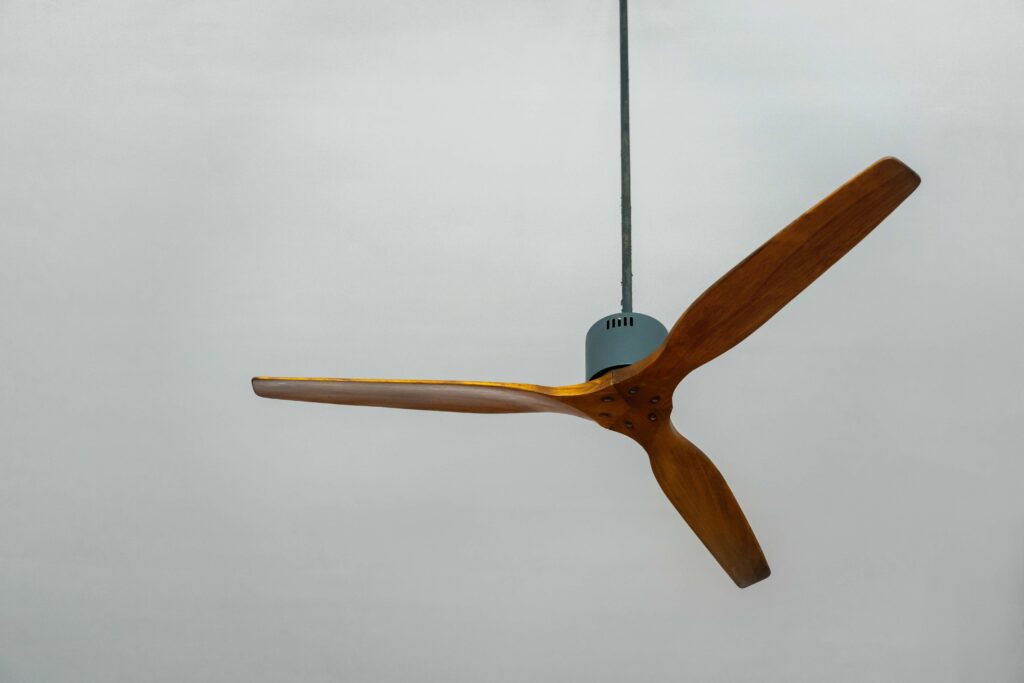
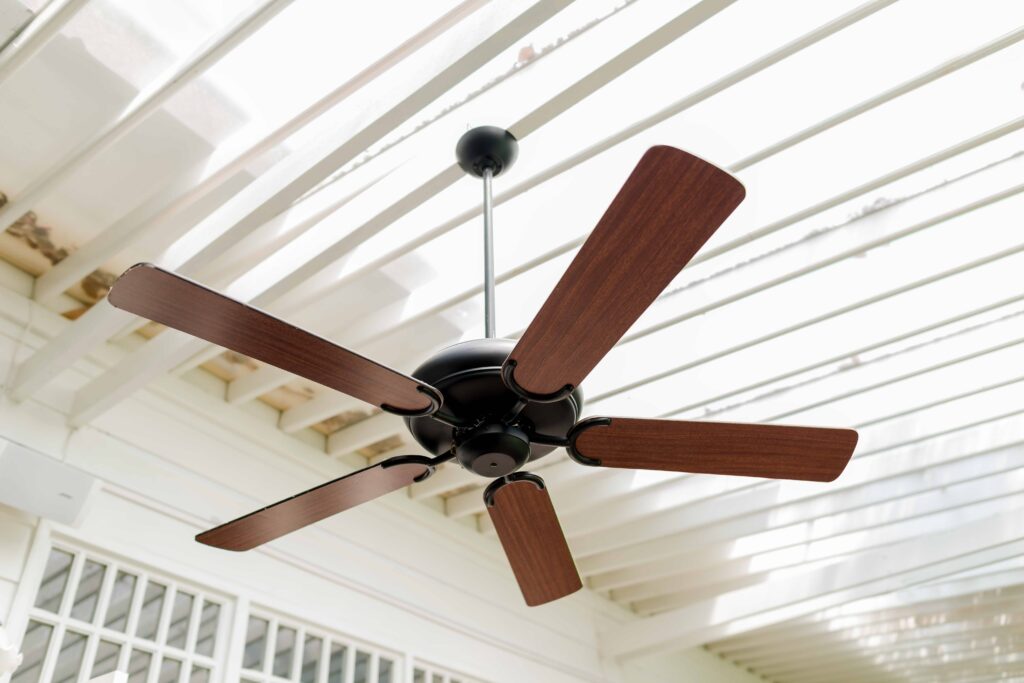
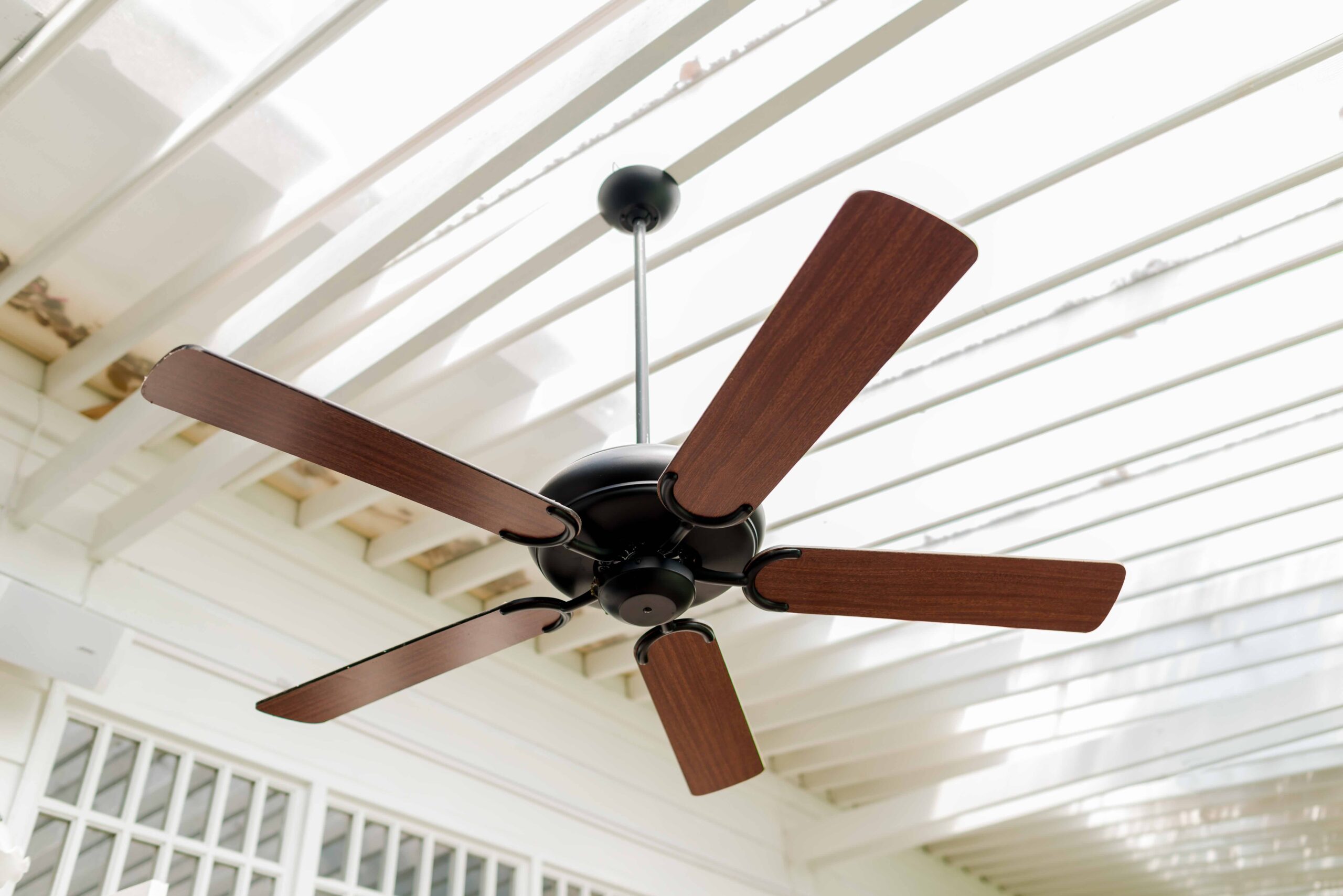
At first glance, ceiling fans might seem straightforward in design and function, but there’s more complexity beneath their operation than meets the eye. Essentially, a ceiling fan circulates air via its rotating blades powered by an electric motor housed in the unit’s body. The efficiency of this operation lies in its ability to alter airflow direction—changing from a forward direction to reverse direction with the simple flick of a switch. This switch mechanism dictates whether your fan spins clockwise or counterclockwise, and each direction serves a specific purpose in enhancing household comfort.
Summertime Cooling: Counterclockwise is Key
During warmer months, homeowners seeking respite from rising temperatures often rely on ceiling fans to feel cooler without overtaxing their air conditioning units. By setting your fan to spin in a counterclockwise direction, an upward angle of blade pitch forces air down into the room, creating a wind-chill effect. This sensation of cooling makes a space more pleasant while allowing thermostats to be set slightly higher—thereby conserving energy. The tactical use of ceiling fans in warmer weather not only alleviates heat discomfort but also leads to noticeable savings on electricity bills.
Winter Warmth: Clockwise for Comfort
Contrary to summer operation, the winter months bring an opportunity to use ceiling fans for additional warmth. Adjusting your fan to rotate clockwise at a low speed enables the blades to pull cool air upward. This gentle updraft displaces warm air that naturally rises to the ceiling, pushing it down along the walls and back into the living space. As a result, this recirculation of heated air helps eliminate cold pockets, distributing warmth evenly throughout the room. Utilizing ceiling fans in winter can complement your heating system, reducing the need for continuous high thermostat settings, enhancing comfort, and trimming heating costs.
Installation Considerations: Optimizing Fan Performance
For optimal performance, proper installation of ceiling fans is essential. Factors such as the size and positioning of the fan relative to the room must be considered to ensure efficient operation. Install ceiling fans in the center of the room at an optimal height of approximately 8 to 9 feet above the floor for adequate air circulation. The size of the fan should match the room dimensions; larger rooms often necessitate fans with broader blade spans for effective coverage. Keep in mind that multiple fans might be needed for extensive areas to achieve consistent airflow.
Advantages of Ceiling Fans: More than Just Comfort
Beyond enhancing seasonal comfort, ceiling fans offer numerous advantages that extend beyond the immediate cooling or heating benefits. They contribute to energy efficiency by enabling homeowners to rely less on heating and cooling systems, fostering sustainability. Additionally, many modern fans come equipped with integrated lighting, advancing both functionality and ambiance. Fans also provide aesthetic diversity, allowing homeowners to choose from a wide range of designs that complement existing décor and enhance the visual appeal of spaces.
Potential Drawbacks: Noise and Maintenance
Like all household appliances, ceiling fans are not without their drawbacks. The most common issue is noise, often arising from mechanical imbalances or worn components. Additionally, regular maintenance is required to ensure performance and longevity. Dust accumulation on blades can reduce efficiency, so periodic cleaning is necessary. Moreover, inspecting the stability of mounting brackets and periodically checking for electrical connections’ security ensures safety and extends the fan’s lifespan. Addressing these routine matters proactively can significantly mitigate potential disadvantages.

Your Home’s Ceiling Fan: A Key Element of Indoor Climate Control
Harnessing the potential of your ceiling fan through proper rotational settings by season is crucial for maximizing comfort and minimizing energy waste. By understanding the mechanisms and benefits of fan directional settings, homeowners can enhance environmental conditions throughout the year with minimal effort. This simple yet sophisticated equipment turns an ordinary room into a personalized climate zone, saving money while boosting comfort levels.
Choose Armadillo for Peace of Mind
As homeowners prioritize home comfort and efficiency, it’s vital to protect such investments with a comprehensive warranty plan. Armadillo offers unparalleled home warranty solutions that safeguard your appliances and systems, including those ceiling fans working hard to keep your home pleasant. Explore Armadillo’s offerings at our homepage and learn how to secure peace of mind. Ready to customize your coverage? Begin the journey with our easy sign-up process today.