
Why Your AC Stops Cooling and What Adding Refrigerant Actually Means
There is a specific kind of frustration that comes from walking inside on a hot afternoon expecting cool air and finding none. The AC is running, the thermostat is set, and yet the house is warm. One of the most common culprits in this situation is low refrigerant. It sounds technical, but once you understand what refrigerant does and how it moves through your system, the whole thing becomes a lot less mysterious. This article is going to walk through what refrigerant is, why levels drop, what it costs to fix, and what role your home warranty plays when the bill shows up.
What Is Refrigerant and What Does It Actually Do
Refrigerant is the substance inside your air conditioning system that makes cooling physically possible. It cycles between liquid and gas states, absorbing heat from inside your home and releasing it outside. Without it, your AC is just a very expensive fan. The refrigerant runs through a closed loop that includes the evaporator coil, the compressor, and the condenser. Each component has a role, and refrigerant connects them all. The most common types in residential systems today are R-22, which is being phased out, and R-410A, which is currently the standard. Newer systems are beginning to transition to R-454B as the industry moves toward lower environmental impact options.
Why Refrigerant Levels Drop in the First Place
This is the part that surprises a lot of homeowners. Unlike oil in a car, refrigerant does not get used up during normal operation. Your system is designed to be a sealed environment, meaning if the refrigerant level is low, something is wrong. The most common cause is a leak somewhere in the system. Leaks can develop at the coils, at line connections, or through corrosion over time. Wear and tear on older equipment is a frequent contributor. Sometimes the refrigerant was simply undercharged when the system was installed. Either way, low refrigerant is a symptom, not a standalone problem, and addressing only the refrigerant without finding the source of the leak is a temporary solution at best.
Signs Your AC System Might Be Low on Refrigerant
Knowing what to look for can help you catch a problem before it turns into a full system failure. Here are the most common indicators that your AC is running low on refrigerant:
- The air coming from your vents is warm or only slightly cool despite the system running continuously
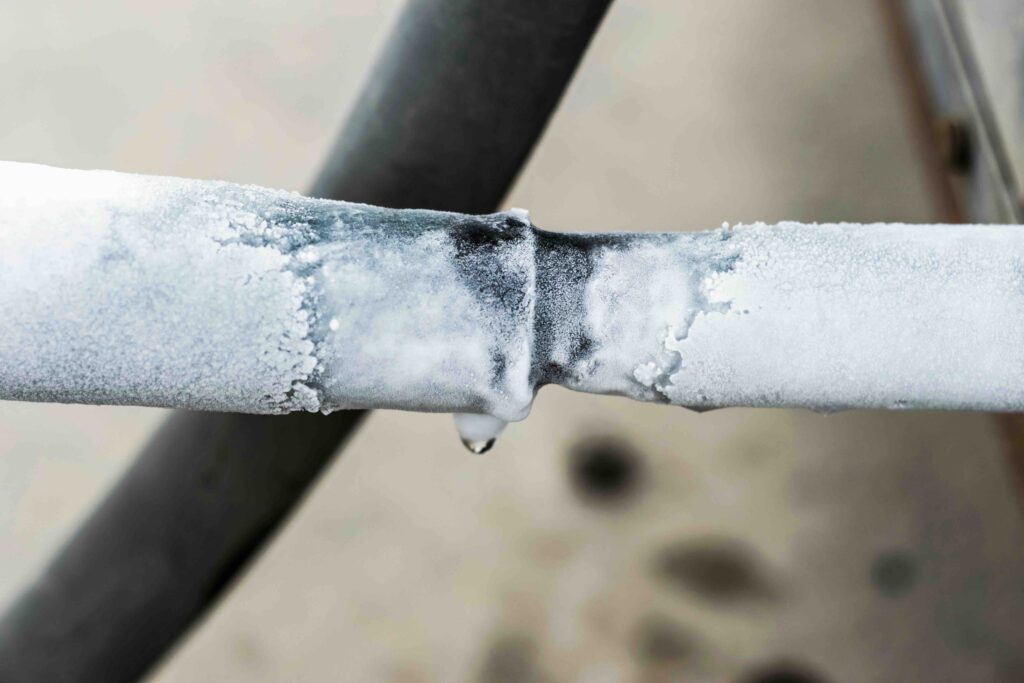
- Ice is forming on the refrigerant lines or on the evaporator coil
- Your energy bills have increased noticeably without a change in usage habits
- You hear a hissing or bubbling sound near the indoor or outdoor unit
- The system is taking much longer than usual to cool the home down
- Humidity levels inside feel higher than normal even when the AC is running
If you are noticing more than one of these signs at the same time, that is a strong signal to call a licensed HVAC technician sooner rather than later.
The Process of Adding Refrigerant to an AC System
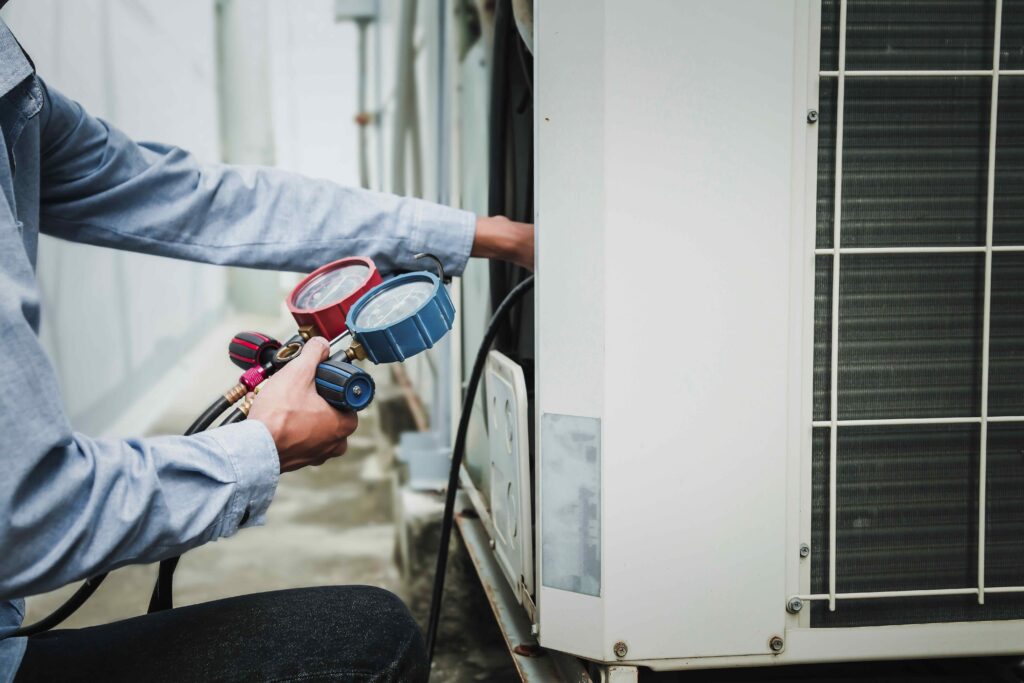
Adding refrigerant is not a DIY task. Federal law requires that anyone purchasing or handling refrigerants like R-410A must be certified through the EPA Section 608 program. A licensed technician will come out, connect gauges to the system to measure current refrigerant pressure, confirm a shortage is present, and then recharge the system to the manufacturer-specified levels. If a leak is detected, it must be repaired before the recharge is completed, otherwise you are just delaying the problem. The technician will use leak detection equipment, seal or replace the damaged component, and then add refrigerant. The process itself usually takes a few hours depending on the severity of the issue.

What It Costs to Add Refrigerant to a Home AC Unit
The cost of refrigerant recharging varies based on the type of refrigerant your system uses, the size of your system, and how much refrigerant needs to be added. R-410A is generally more affordable per pound, while R-22 has become significantly more expensive as it is being phased out of production. A typical recharge service can range anywhere from a couple hundred dollars to well over a thousand dollars once labor, leak repair, and materials are factored in. For older systems still running on R-22, the cost can be prohibitive enough that replacement becomes the more economical long-term choice. Getting a full written estimate before authorizing any work is always the right call.
Does a Home Warranty Cover Refrigerant and AC Repairs
This is where things get genuinely important for homeowners. A home warranty is a service contract that covers repair or replacement costs for home systems and appliances when they break down due to normal wear and tear. Many home warranty plans include central air conditioning coverage, which can cover the compressor, the evaporator coil, the refrigerant lines, and in some cases the refrigerant itself. Coverage details vary by provider and plan, so reading the fine print matters. Some plans cover refrigerant as part of a covered repair, while others may exclude it or cap the amount covered. The key is understanding what your specific plan includes before you need to use it.
What to Watch Out For in Home Warranty AC Coverage
Not all home warranty coverage is created equal. When reviewing a plan for air conditioning coverage, here are the important things to pay close attention to:
- Whether refrigerant recharge is explicitly included or excluded in the coverage terms
- Whether the plan covers leak detection and repair alongside the recharge
- Annual or per-incident limits on refrigerant coverage amounts
- Whether pre-existing conditions or improper installation are used to deny claims
- The service call fee and how it applies to multi-part repairs
Transparent coverage terms and a straightforward claims process are two of the most telling signs of a quality home warranty provider. If the language is vague or difficult to parse, that is worth taking seriously.
How to Maintain Your AC System and Avoid Refrigerant Issues
Prevention is always less expensive than repair. Scheduling annual HVAC maintenance in the spring before cooling season begins gives a technician the opportunity to check refrigerant pressure, inspect coils and connections for early signs of corrosion, and catch small leaks before they become large ones. Keeping the outdoor unit clear of debris, replacing air filters regularly, and not ignoring unusual sounds or performance changes all contribute to a longer system lifespan. Most manufacturers recommend professional service at least once per year. Homeowners who stay ahead of maintenance tend to face fewer emergency repair bills and get more years out of their equipment overall.
Why Armadillo Is Worth Considering When Your AC Needs Refrigerant Work
AC repairs have a way of arriving without any warning and at the worst possible moment. Refrigerant issues in particular can escalate from minor inconvenience to major system failure quickly, and the repair costs reflect that reality. That is where having the right home warranty in place changes everything. Armadillo home warranty coverage for central air conditioning systems is designed to be straightforward and actually useful when something goes wrong, not full of exclusions that make claims difficult to process. The coverage is built around real homeowner needs, including the kinds of AC failures that involve refrigerant leaks, coil damage, and compressor issues. If you want to stop wondering whether your next AC repair bill is going to hurt, it is worth taking a few minutes to get a free home warranty quote for AC and HVAC system protection and see exactly what your coverage could look like. The clarity alone is worth it.

Frequently Asked Questions About Adding Refrigerant to Your AC
These are the questions homeowners ask most often when dealing with refrigerant issues and home warranty coverage for air conditioning systems.
Can I add refrigerant to my AC system myself?
No. Federal law requires EPA Section 608 certification to purchase and handle refrigerants like R-410A. Attempting to recharge your system without proper certification is illegal and can cause serious damage to the system or personal injury.
How often does an AC system need refrigerant added?
A properly sealed system should never need refrigerant added. If levels are low, it means there is a leak that needs to be located and repaired. Routine refrigerant top-offs without leak detection are not a long-term solution.
How long does it take to recharge AC refrigerant?
The recharge process itself is relatively quick, but when combined with leak detection and repair, the full service appointment typically takes two to four hours depending on where the leak is located and the severity of the issue.
What happens if you run an AC with low refrigerant?
Running a system with low refrigerant causes the compressor to work harder than it should, which can lead to overheating and compressor failure. This is one of the most expensive repairs in an AC system and is often not repairable, requiring full replacement.
Does home warranty cover refrigerant leaks?
Many home warranty plans that include central air conditioning coverage will cover refrigerant as part of a covered repair. Coverage varies by provider and plan, so reviewing your specific contract terms is essential before assuming the cost will be covered.
What type of refrigerant does my AC use?
The type of refrigerant depends on when your system was manufactured. Systems installed before 2010 often use R-22, while systems installed after that point typically use R-410A. The refrigerant type is usually listed on a label on the outdoor unit.
Is R-22 refrigerant still available?
R-22 production has been phased out under EPA regulations, but existing stockpiles can still be sold and used for servicing older equipment. The limited supply has made R-22 significantly more expensive, which is why many homeowners with older systems choose to replace rather than repair.
How can I tell if my AC has a refrigerant leak?
Common signs include ice forming on the coils or refrigerant lines, warm air coming from the vents, higher than normal energy bills, and hissing or bubbling sounds near the unit. A licensed HVAC technician can confirm a leak with specialized detection equipment.
Will adding refrigerant fix my AC completely?
Adding refrigerant will restore cooling performance temporarily, but if the root cause of the low level is a leak, the problem will return. A complete repair involves finding and sealing the leak before the refrigerant is recharged.
How does a home warranty help with unexpected AC repair costs?
A home warranty covers the cost of repairs or replacement for covered systems and appliances when they fail due to normal wear and tear. For AC systems, this can significantly reduce out-of-pocket costs for refrigerant work, coil repairs, and compressor replacement, depending on the plan you hold.