
What Does It Mean to Charge an Air Conditioner — and Why Should Homeowners Care?
If your air conditioner is blowing warm air or struggling to keep your home cool during the hottest months of the year, there is a good chance someone has mentioned refrigerant. Specifically, they may have suggested that your system needs to be “charged.” That phrase tends to cause a little confusion for homeowners who are not deeply familiar with how HVAC systems work, and that is completely understandable. Air conditioner charging is one of those topics that sounds more technical than it needs to be. At its core, understanding it helps you make smarter decisions about your home comfort system and avoid getting taken advantage of when repair time comes around.
How Your Air Conditioner Actually Cools Your Home
Before diving into what charging means, it helps to understand what refrigerant actually does inside your system. Your air conditioner does not create cold air out of thin air. Instead, it moves heat from inside your home to the outside using a refrigerant — a chemical compound that cycles between liquid and gas states inside a closed loop. As refrigerant absorbs heat from indoor air, it evaporates and carries that heat to the outdoor unit, where it releases the heat and returns to a liquid state. This cycle repeats continuously while the system runs. Refrigerant is not consumed during this process the way fuel is burned in an engine. Under normal circumstances, a properly sealed system should maintain its refrigerant level indefinitely.
So What Does “Charging” an Air Conditioner Actually Mean?
Charging an air conditioner refers to the process of adding refrigerant to the system. The term comes from the idea of restoring the system to its proper operating pressure and capacity. When a technician charges your AC, they are measuring the existing refrigerant level, identifying any deficiency, and adding the correct type and amount of refrigerant to bring the system back to manufacturer specifications. This is not a routine maintenance task that happens on a schedule. If your system needs refrigerant, that is typically a signal that there is a leak somewhere in the system — because again, refrigerant does not just disappear. Charging without fixing the underlying leak is a temporary fix at best.
Signs Your Air Conditioner May Be Low on Refrigerant
There are a handful of indicators that your system may be undercharged. None of these confirm a refrigerant issue on their own, but together they paint a pretty clear picture that warrants a professional inspection.
- Warm or lukewarm air coming from your vents even when the system is running continuously
- Ice forming on the refrigerant lines or on the evaporator coil inside the air handler
- Your home takes significantly longer than usual to reach the set temperature
- Higher-than-expected energy bills without a clear explanation
- A hissing or bubbling sound near the indoor unit, which can sometimes indicate a refrigerant leak
- Humidity levels inside feel higher than normal even when the AC is on
If you notice several of these symptoms at once, it is worth scheduling a professional diagnostic visit rather than waiting. Running an undercharged system for extended periods can stress the compressor, and compressor replacement is one of the most expensive repairs in the HVAC category.

The Refrigerant Types You Should Know About
Not all refrigerants are the same, and this matters quite a bit when it comes to the cost of charging your system. For many years, R-22 — commonly known by the brand name Freon — was the standard refrigerant used in residential air conditioning systems. However, R-22 was phased out due to its environmental impact on the ozone layer. As of 2020, production and import of R-22 in the United States was banned. This means that if your older system still uses R-22, the cost of refrigerant has increased substantially because only reclaimed or recycled supplies are available. Newer systems use R-410A, which is more environmentally friendly, and even newer systems are transitioning to R-454B and R-32 in response to updated regulations. Knowing which refrigerant your system uses helps you understand what a service call might realistically cost.
What to Expect During a Professional AC Charging Service
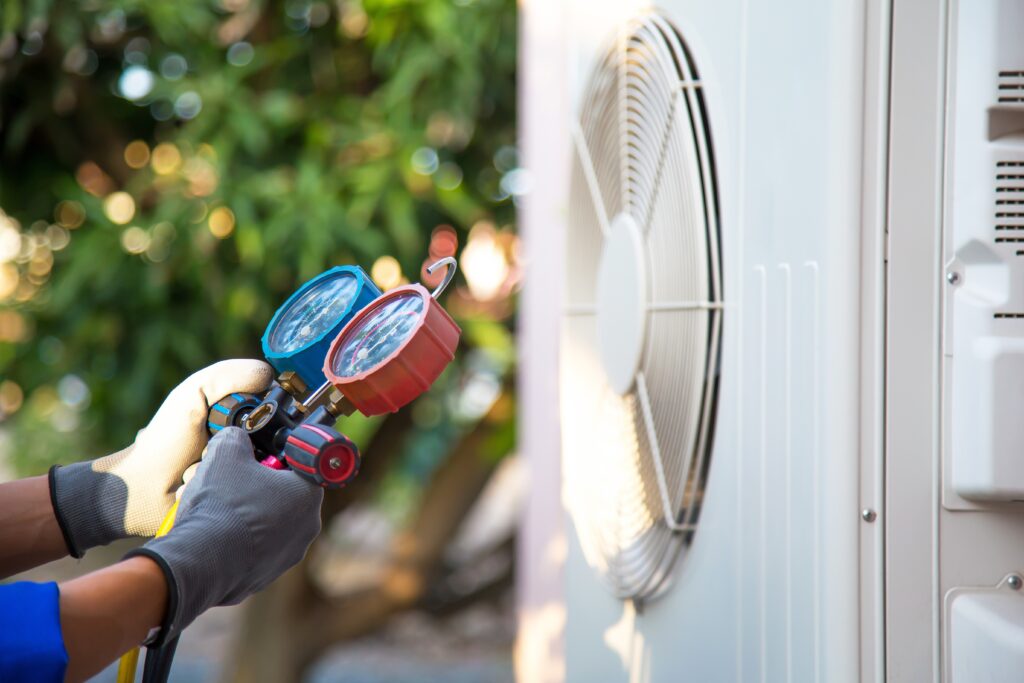
When a licensed HVAC technician arrives to evaluate and potentially charge your system, the process typically involves several steps. First, they will conduct a visual inspection of the system and connect pressure gauges to the refrigerant lines to measure the current charge level. If a deficiency is confirmed, they will also look for the source of the leak using detection tools or UV dye. After identifying and repairing any leaks — or confirming the system is otherwise sealed — they will add the appropriate refrigerant to bring the system into balance. They will test the system’s performance before wrapping up. A technician who simply adds refrigerant without checking for leaks first is not doing you any favors in the long run. That is a short-term patch on what is likely an ongoing problem.
How Much Does Air Conditioner Charging Cost?
Costs vary depending on your region, the size of your system, the type of refrigerant it uses, and the extent of any leak repairs required. Generally speaking, homeowners can expect to pay anywhere from $150 to $400 or more for a refrigerant recharge, not including leak detection and repair costs. R-22 systems will almost always fall on the higher end due to refrigerant scarcity. If the leak itself requires component replacement or significant labor, costs can climb considerably higher. This is one of the primary reasons homeowners find value in having a home warranty in place before an AC issue develops — the out-of-pocket exposure on refrigerant-related repairs can be substantial.
Can You Charge Your Own Air Conditioner?
This is a question that comes up frequently, and the honest answer is: technically possible in a limited way, but not advisable and often not legal. Handling refrigerants in the United States requires EPA Section 608 certification. Purchasing certain refrigerants without that certification is not legally permitted, and improper handling of refrigerants poses genuine safety and environmental risks. DIY refrigerant kits are marketed for window units and some smaller systems, but they are generally not appropriate for central air conditioning systems. The refrigerant handling, pressure measurements, and leak diagnosis involved in central AC service genuinely require professional tools and training. This is one of those areas where calling a licensed technician is not just a recommendation — it is the right call.
How Home Warranties Factor Into AC Refrigerant Costs
Home warranties can be a meaningful financial buffer when your air conditioner needs refrigerant or refrigerant-related repairs. Coverage specifics vary by provider and plan, so it is always worth reading the fine print. Some warranties cover refrigerant as part of an included AC repair, while others may cover it as an add-on or up to a specified amount. The key is understanding exactly what your plan covers before you need it, not after. If your system has an underlying leak that requires component repair — such as a coil replacement — a solid home warranty plan covering your HVAC system can make a significant difference in what you pay out of pocket. Refrigerant costs combined with labor and parts can add up quickly, and that is precisely the kind of unexpected expense a home warranty is designed to cushion.
Why Armadillo Is Worth Considering When Your AC Is on the Line
When your air conditioner starts struggling in the middle of summer and refrigerant costs are stacking up alongside diagnostic fees and potential repairs, the last thing you want is to discover your warranty coverage does not hold up. That is where Armadillo is different. Armadillo was built with homeowners in mind — straightforward coverage, no unnecessary complications, and a commitment to being there when the systems that matter most decide to give you trouble. If you are serious about protecting your home’s cooling system and the budget that supports it, exploring comprehensive home warranty coverage for your air conditioner and major home systems is a genuinely smart move. There is no reason to wait until something breaks to figure out what protection you have — you can get a personalized home warranty quote that covers AC repairs and refrigerant-related service in just a few minutes. Peace of mind costs a lot less than a surprise repair bill.

Frequently Asked Questions About Air Conditioner Charging
Here are answers to some of the most common questions homeowners have about AC refrigerant charging, costs, and coverage.
How often does a home air conditioner need to be recharged with refrigerant?
A properly sealed air conditioning system should never need to be recharged. If your system requires refrigerant, it is because refrigerant has leaked out somewhere in the system. Addressing the leak is always the priority, not simply topping off the refrigerant level.
Is it safe to run my air conditioner when it is low on refrigerant?
Running an undercharged air conditioner for extended periods puts unnecessary strain on the compressor, which is the most expensive component in the system. It is best to schedule a service visit as soon as you suspect a refrigerant issue rather than continuing to run the system.
What type of refrigerant does my air conditioner use?
The type of refrigerant your system uses depends on when it was manufactured. Systems installed before 2010 likely use R-22, while systems installed after that period typically use R-410A. Newer systems may use R-454B or R-32. Your system’s data plate, usually located on the outdoor unit, will indicate which refrigerant is required.
Does a home warranty cover air conditioner refrigerant?
Coverage depends on the specific home warranty plan and provider. Some plans include refrigerant as part of covered AC repairs, while others may cap coverage amounts or offer it as an optional add-on. Reviewing your policy details before you need service is always the right approach.
How long does it take to recharge an air conditioner?
The actual refrigerant addition process typically takes between 30 minutes and one hour, but the full service visit — including leak detection and system testing — may take two to three hours depending on the complexity of the issue.
Why is R-22 refrigerant so expensive now?
R-22 was phased out under environmental regulations due to its damaging effect on the ozone layer. Production and import of new R-22 in the United States ended in 2020, leaving only reclaimed or recycled supplies available. The limited supply relative to demand has driven prices considerably higher than they were historically.
Can a refrigerant leak make my home uncomfortable even if the AC is running?
Yes. A system low on refrigerant loses its ability to effectively remove heat and humidity from indoor air. You may notice that your home feels warmer or more humid than usual even when the air conditioner appears to be operating, which is a common indicator of refrigerant deficiency.
What happens if a technician overcharges my air conditioner with refrigerant?
Overcharging is just as problematic as undercharging. Too much refrigerant increases system pressure beyond safe operating limits and can damage the compressor. This is one reason why refrigerant work should always be performed by a qualified, licensed HVAC technician using calibrated gauges.
How do I know if my AC has a refrigerant leak versus another problem?
The symptoms of a refrigerant leak can overlap with other AC issues, which is why professional diagnosis is important. A technician will use pressure gauges, electronic leak detectors, or UV dye to confirm whether refrigerant loss is the actual cause of your system’s performance decline.
Will upgrading to a new air conditioner eliminate refrigerant concerns?
A new system using current refrigerants will eliminate R-22 concerns and will be covered by a manufacturer warranty for a period of time. However, even new systems can develop leaks over time. Ongoing HVAC maintenance and having a home warranty in place remain valuable regardless of system age.