Understanding Air Conditioner Dry Cough: What It Is, Why It Happens, and How Your Home Warranty Can Help
It starts as a tickle. Then a light scratch in the back of your throat. Before long, you’re coughing more often indoors—especially when the air conditioner kicks on. While an air conditioner dry cough may not be widely discussed at the neighborhood BBQ, it’s a surprisingly common home-related issue. This subtle yet irritating problem can tell you more about your HVAC system than you think. And if you’re a homeowner, understanding the cause, prevention, and home warranty implications of air conditioner-related dry coughs could influence your next repair or replacement decision.
What Is an Air Conditioner Dry Cough?
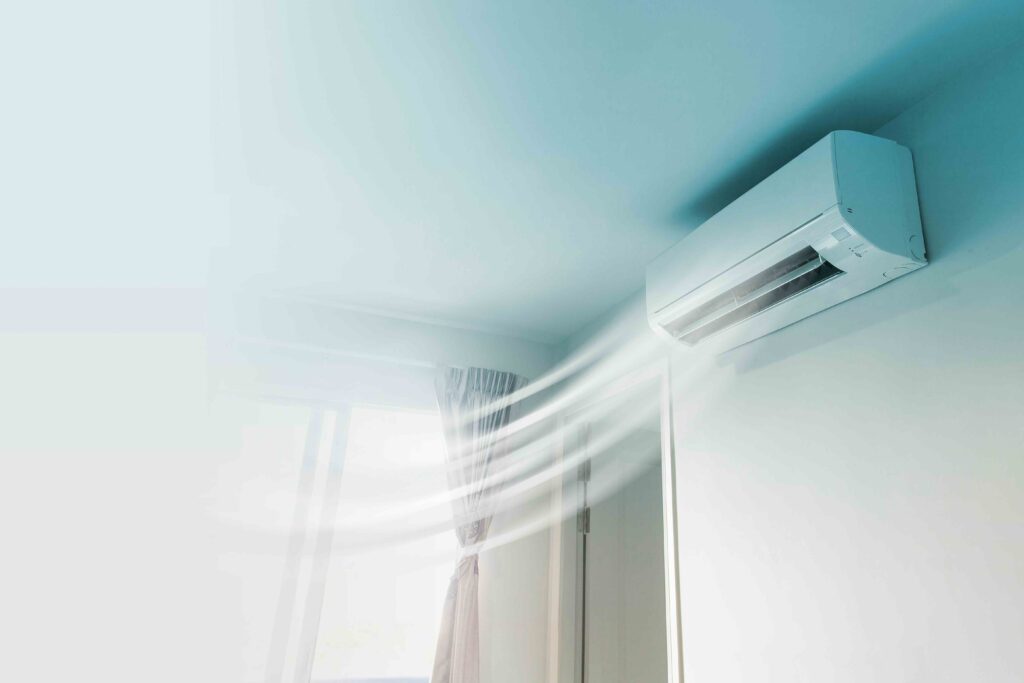
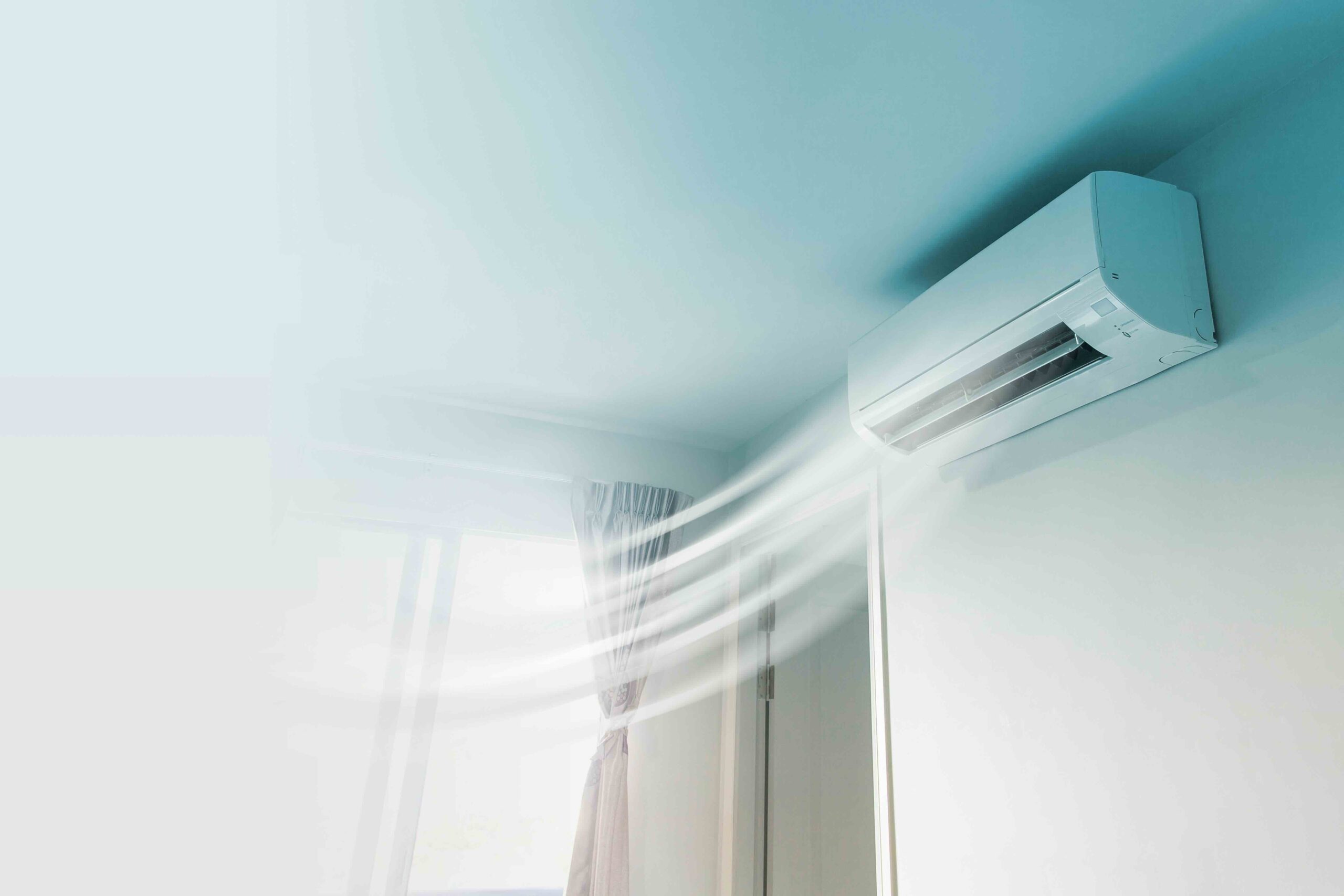
An air conditioner dry cough isn’t a medical diagnosis but rather a term that describes the frequent dry, tickling cough experienced by people when exposed to cold, conditioned indoor air. Unlike a productive cough caused by viruses or allergens, this one doesn’t bring mucus. It’s more of a persistent scratch—caused by environmental factors within your home, especially your HVAC system. If your AC unit runs regularly and you’ve noticed dryness in your throat or nose, your system may be circulating air that lacks proper moisture balance or filtration.
How Air Conditioning Systems Work
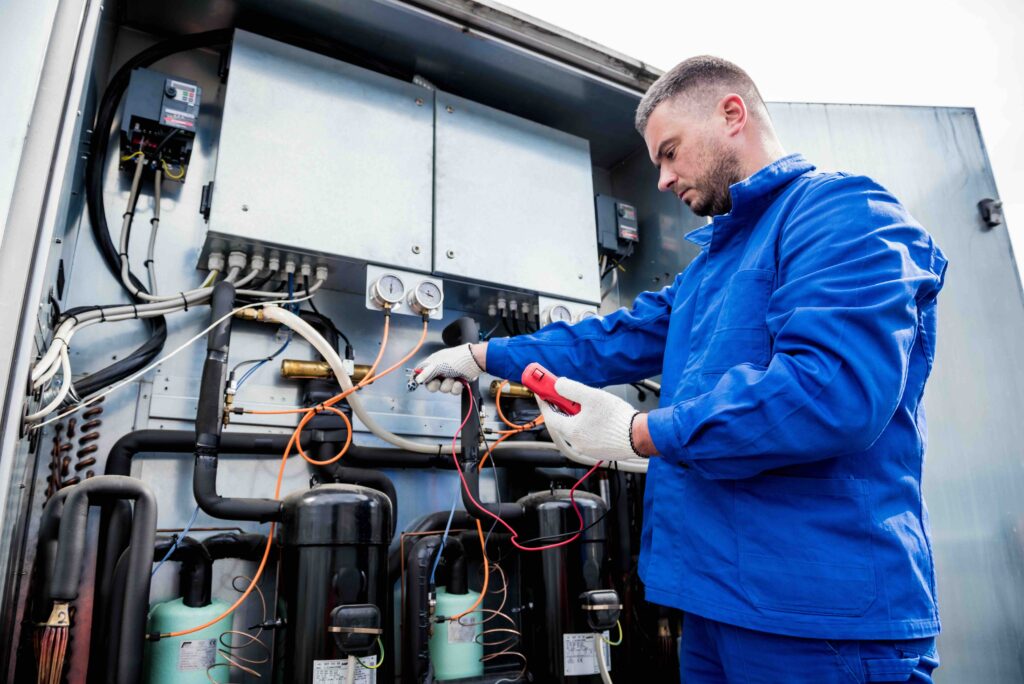
Air conditioners function by drawing in warm indoor air, removing the heat and humidity, and circulating cool, dry air back into your living spaces. This process uses a closed-loop system involving refrigerants, a compressor, condenser coils, evaporator coils, and fans. As the warm air hits the evaporator coils, moisture is removed through condensation and drained away. The now-dry, cooled air passes through ductwork and into your rooms. The key phrase here? Dry air. While effective for preserving comfort in hot climates, overly dry air can impact your respiratory tract, often triggering dry cough symptoms in people sensitive to low humidity levels or irritants like dust or mold accumulating within the system.
Connections Between Indoor Air Quality and Dry Coughs
When your air conditioner removes humidity, it alters the indoor air quality. Humidity levels below 30% can dry out mucous membranes, leading to increased throat irritation. This becomes more problematic if your AC system also distributes dust, allergens, pet dander, or mold spores—especially if the system hasn’t been serviced or the filters are dirty. Poor filtration and lack of maintenance are major contributors to air quality decline, and by extension, to conditions like air conditioner dry cough. When the lining of your airway becomes irritated due to this combination of dry air and contaminants, symptoms can linger even after you’ve stepped away from the direct airflow.
Common HVAC Problems That Contribute to Dry Cough
Several HVAC-specific issues may be fueling the symptoms of a dry cough at home. Old air filters are chief among them. If filters are clogged, they stop trapping airborne particles effectively, allowing dust and allergens to circulate freely. Dirty air ducts also contribute as they collect residue over time that’s pushed through vents every time the system powers on. More critically, coil mold or mildew accumulation from insufficient drainage can actively contaminate airflow. Infrequent maintenance lets these issues develop unnoticed. If your AC hasn’t had a seasonal checkup or your filters haven’t been replaced in over three months, it’s likely not functioning optimally. Each of these situations can aggravate coughing while increasing energy costs, too.
Solutions to Improve Air Quality and Reduce Cough
Improving your indoor air begins with acknowledging that your HVAC system is part of your health ecosystem. Start by replacing filters every 60 to 90 days, or more frequently if you have pets or allergies. Schedule professional HVAC maintenance at least once a year to clean coils, check refrigerant levels, and inspect drain lines. Installing a whole-home humidifier can also balance your home’s moisture levels to reduce throat irritation. Consider UV air purifiers or advanced HEPA filters if you live in a high-pollen area. Smart thermostats and AC zoning systems can help control airflow and regulate temperature consistency. Keeping vents unobstructed, using breathable curtains, and even cleaning rugs regularly play a role in air quality.
How a Home Warranty Can Help Address HVAC-Related Issues
When HVAC issues arise—from blown motors and clogged drain lines to control board failures and dirty coils—repairs can be labor-intensive and costly. That’s where a home warranty becomes invaluable. A well-structured home warranty plan can cover major parts of your HVAC system, helping reduce out-of-pocket repair expenses when an air conditioner malfunctions or fails altogether. This is particularly useful if your AC unit is beyond its manufacturer warranty but still within its operational life. The right home warranty provider offers access to licensed service professionals, helping homeowners fix issues that could otherwise worsen indoor air quality and elevate your risk of experiencing air conditioner-induced dry cough.
Why Timely HVAC Maintenance Matters
HVAC systems operate best when maintained regularly. Left unmanaged, even a minor airflow obstruction can impact your comfort and breathing. If your system is running without any signs of obvious issue—yet you’re experiencing visible effects like dry cough—chances are it’s suffering from inefficiencies or hidden contaminants. A proactive maintenance schedule helps extend the life of your AC unit while reducing the frequency of cough-related complaints. Don’t rely on signs of emergency to act. Regular inspections and filter replacements are front-line defenses against subtle internal system problems that creep up silently and impact your well-being.
Protect Your Air Quality and Your Budget With Armadillo
Consistently clean, breathable air in your home isn’t a luxury—it’s foundational to your comfort and health. Addressing dry coughs linked to your air conditioner isn’t just about replacing filters; it’s about respecting your home’s ecosystem and being proactive in protecting it. That’s where Armadillo comes in. Our smart home warranty plans include comprehensive HVAC system protection that helps you handle the unexpected before it compromises your air quality. Whether it’s a blower motor gone rogue or a condensation drain line backup affecting airflow purity, we’ve got your back. Learn more about how Armadillo can protect your HVAC system and other essential home appliances by visiting our homepage at armadillo.one. Ready to build a personalized plan? Start now at our plan builder tool and breathe easier—literally and financially.