Your Guide to Air Conditioner Refrigerant Refill Costs and Home Warranty Coverage
Central air conditioning is one of the most appreciated systems in a home — until something goes wrong. Among the more common issues homeowners face is insufficient cooling due to low refrigerant levels. Whether you’re bracing for a summer heatwave or simply trying to maintain comfort, understanding how refrigerant works, what it costs to refill, and how a home warranty can assist is vital. In this article, we’ll break down how air conditioner refrigerant systems function, what causes them to require service, and how to manage repair or refill costs confidently.
What is Refrigerant and Why Is It Important?
Refrigerant is the chemical compound that enables your air conditioner to cool your home. It cycles through the AC system, absorbing heat from inside your home and releasing it outside. When everything functions properly, refrigerant levels remain consistent throughout the lifecycle of the unit. It’s not something that gets “used up” like gasoline; a sealed system should retain the refrigerant indefinitely. However, leaks happen—especially as systems age or components wear down. Once refrigerant escapes, your AC can’t cool properly. More than just an inconvenience, low refrigerant can lead to compressor failure, which is one of the most expensive repairs an HVAC system can require.
How Air Conditioner Refrigerant Systems Work
Air conditioners operate on the principles of thermodynamics. The refrigerant flows through a closed loop that includes the evaporator coil, compressor, condenser coil, and expansion valve. Inside your home, warm air passes over the evaporator coil, where the refrigerant absorbs heat and transforms from a low-pressure liquid to a low-pressure gas. This gas travels to the compressor outside, where it’s pressurized into a high-temperature gas. It then moves through the condenser coil, releasing its heat into the outside air and reverting to a high-pressure liquid. Finally, the cycle continues as it returns to the evaporator coil. If refrigerant levels are low, the system’s balance is thrown off. Evaporator coils can freeze, energy efficiency drops, and interior temperatures climb uncomfortably.
Costs of Recharging Your AC’s Refrigerant
The national average cost to recharge an air conditioner with refrigerant ranges between $100 to $600, depending on the severity of the leak, the type of refrigerant needed, and the size of the unit. However, that’s only part of the story. Homeowners often discover during a service call that their system has a leak, and locating and repairing it can carry additional fees from $200 to over $1,500, depending on location and system complexity. Most modern systems use R-410A refrigerant, while legacy units may still utilize R-22, which has been phased out of U.S. production and import since 2020. R-22 is now significantly more expensive, sometimes exceeding $100 per pound. If your system requires multiple pounds—and many do—the cost adds up fast. Combine that with emergency service call fees during peak summer months, and a seemingly small problem can create an unexpectedly large expense.
Signs You Might Need a Refrigerant Refill
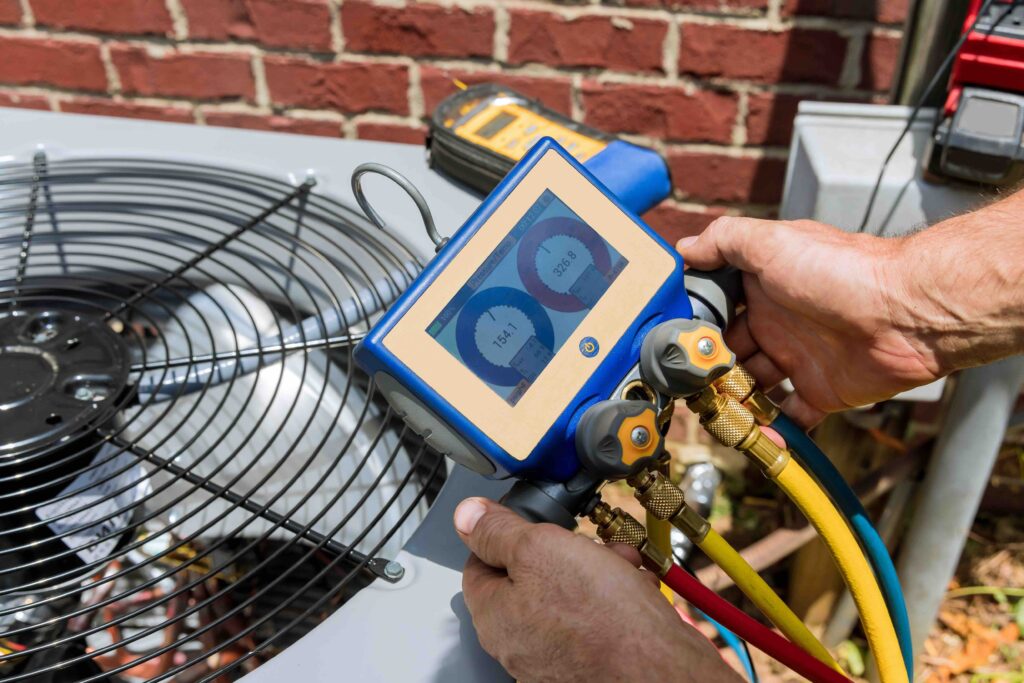
Most homeowners don’t monitor their refrigerant themselves, but several telltale signs indicate when there’s a problem. If your air conditioner is running longer than normal, you notice warm air coming from vents, or you see ice forming on the lines connecting to your outdoor unit, a refrigerant issue may be the cause. Additionally, increased humidity in your home, hissing sounds near your AC unit, or a sudden spike in energy bills should prompt a licensed HVAC technician to inspect the system. Many service professionals will perform a diagnostics test first, and if refrigerant levels are low, they’ll recommend both sealing the leak and recharging the system. Timing matters here—running an AC with low refrigerant can irreparably damage the compressor, leading to a full system replacement rather than a modest repair.
Should You Repair or Replace an AC with a Refrigerant Leak?
If your unit is relatively new and under 10 years old, repairing the leak and refilling the refrigerant usually makes sense. The parts are often still under manufacturer warranty, and modern systems tend to achieve higher energy efficiency, offsetting repair costs over time. However, for units close to or over 15 years old, especially those using outdated refrigerants like R-22, replacement may be more economical in the long run. Repairing these systems might only delay the inevitable, and sourcing phased-out refrigerants can inflate costs beyond logic. When evaluating repair versus replacement, always consider the age and efficiency of your current system, as well as how long you plan to remain in your home. Consult with a certified HVAC technician and review options backed by a home warranty for smarter decision-making.
How Home Warranties Help with Refrigerant and AC Repairs
Home warranty coverage serves as a financial buffer against unexpected breakdowns of major appliances and home systems, including air conditioning units. If your AC system becomes inefficient due to a refrigerant issue, a home warranty plan can cover both diagnostic labor and part of the repair, depending on the terms and conditions. Notably, many home warranty providers limit how much refrigerant is covered or may cap reimbursements for costly refrigerants like R-22. That said, some modern home warranty plans—especially from forward-thinking companies—include comprehensive HVAC coverage, leak detection, component repair, and refrigerant refills with fewer restrictions. For homeowners concerned about seasonal performance and repair unpredictability, a home warranty transforms what could be a thousand-dollar problem into a manageable service visit.
Tips for Managing AC Performance and Avoiding Refrigerant Issues
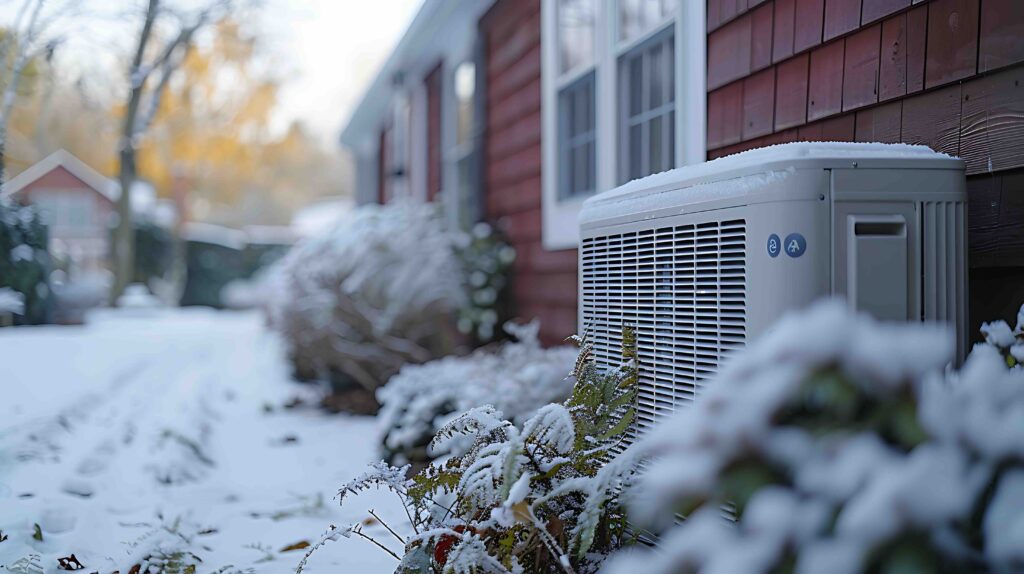
Like most systems in your home, your air conditioner benefits from regular maintenance. Cleaning or replacing air filters every one to three months reduces strain on the system. Scheduling an annual HVAC inspection allows professionals to spot early signs of refrigerant loss or coolant line wear before it escalates. Ensure the area around the outside condenser unit remains clear of debris, foliage, or obstructions to maintain airflow. If you live in an older home or inherited a less efficient HVAC system, consider having a technician audit your refrigerant lines for microleaks or corrosion. Catching issues early prevents more complex mechanical failures and extends your unit’s overall lifespan. Staying proactive, combined with protective coverage from a solid home warranty plan, is the most balanced approach.
Protect Your Cool with Armadillo
When your air conditioner stops working, stress levels rise quickly—especially in peak summer months. At Armadillo, we know that reliable comfort should never require guesswork or an endless stream of unplanned expenses. That’s why our home warranty plans include coverage for major HVAC systems and address refrigerant issues with clarity and fairness. We’ve removed the small-print traps and designed modern service packages that actually work for modern homeowners. With Armadillo, you can reduce the burden of costly repairs, avoid surprise service bills, and keep your cool, all year long. Learn more at armadillo.one or start building your customized plan now at Build Your Plan.