Understanding Air Conditioner Checks: What Homeowners Need to Know
Maintaining a well-functioning air conditioning system isn’t just about staying comfortable during the summer—it’s also about protecting your home investment and reducing long-term repair costs. Regular air conditioner checks are critical to ensuring efficiency, catching potential breakdowns early, and extending the life of one of your home’s most relied-upon systems. Whether you’re budgeting for seasonal maintenance or evaluating a home warranty plan, knowing how your air conditioner works and why system checks matter is essential.
What is an Air Conditioner System Check?
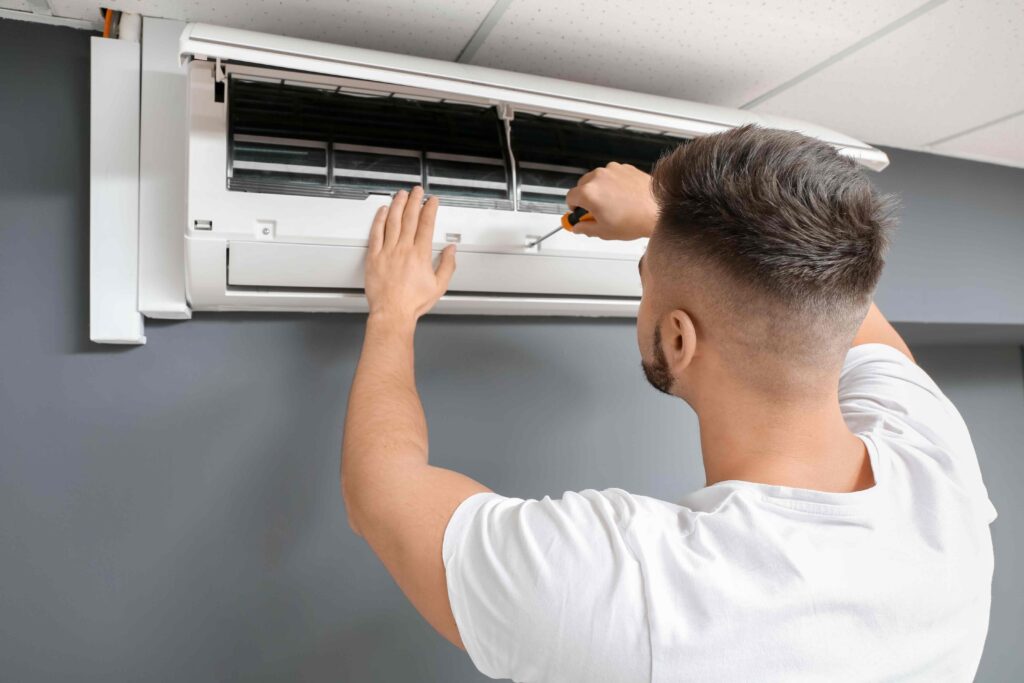
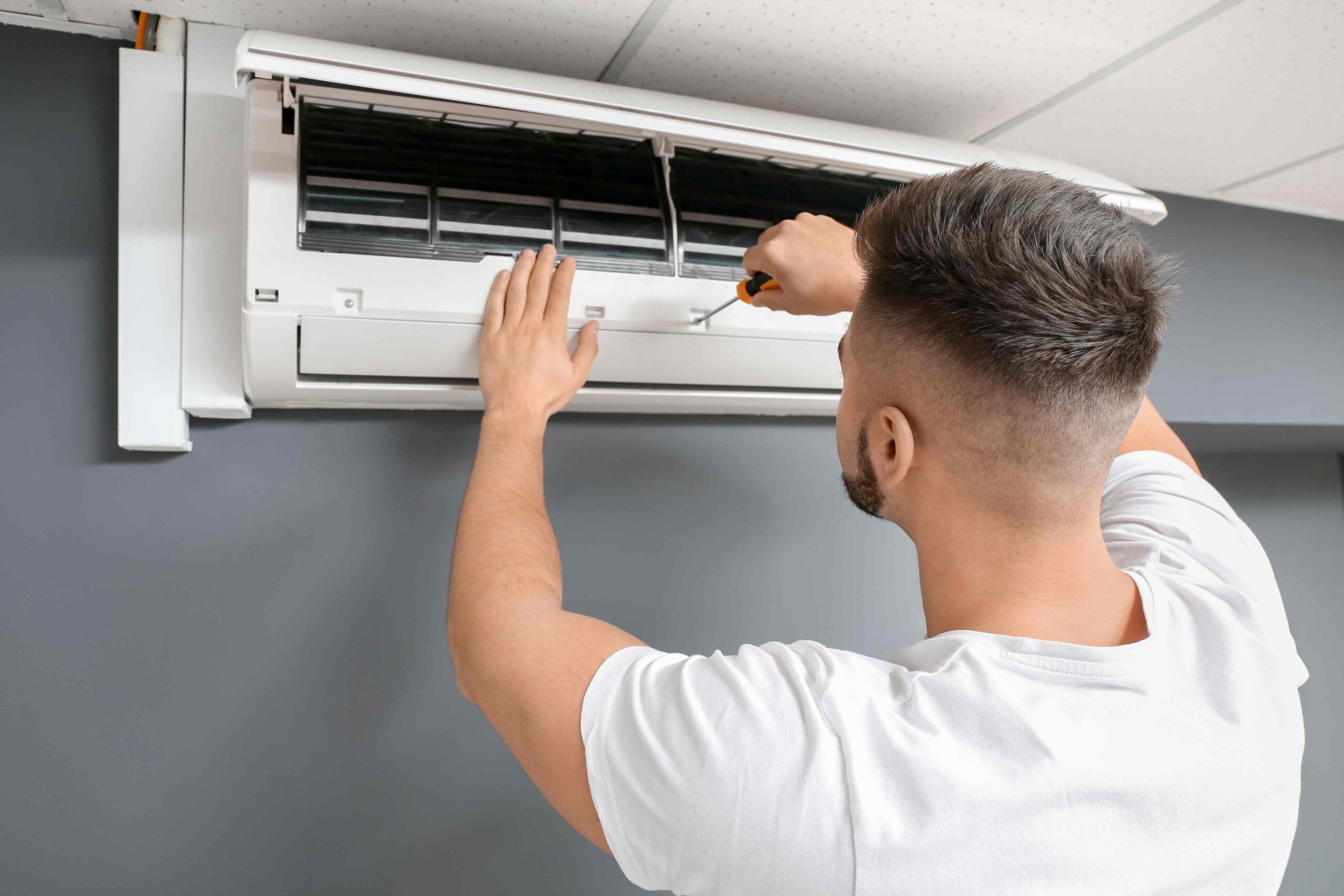
An air conditioner check, often referred to as a system tune-up or seasonal inspection, is a routine evaluation of your HVAC (heating, ventilation, and air conditioning) system. HVAC technicians perform a set of diagnostic assessments, cleaning tasks, and calibrations to ensure the air conditioner is functioning correctly. This typically involves examining components such as the refrigerant levels, thermostat settings, electrical connections, condenser coils, air filters, ductwork, and fans. The goal is to ensure the unit runs efficiently, delivers consistent cooling, and avoids unnecessary strain on critical parts, which could otherwise lead to premature failure or costly emergency repairs.
How Air Conditioners Work
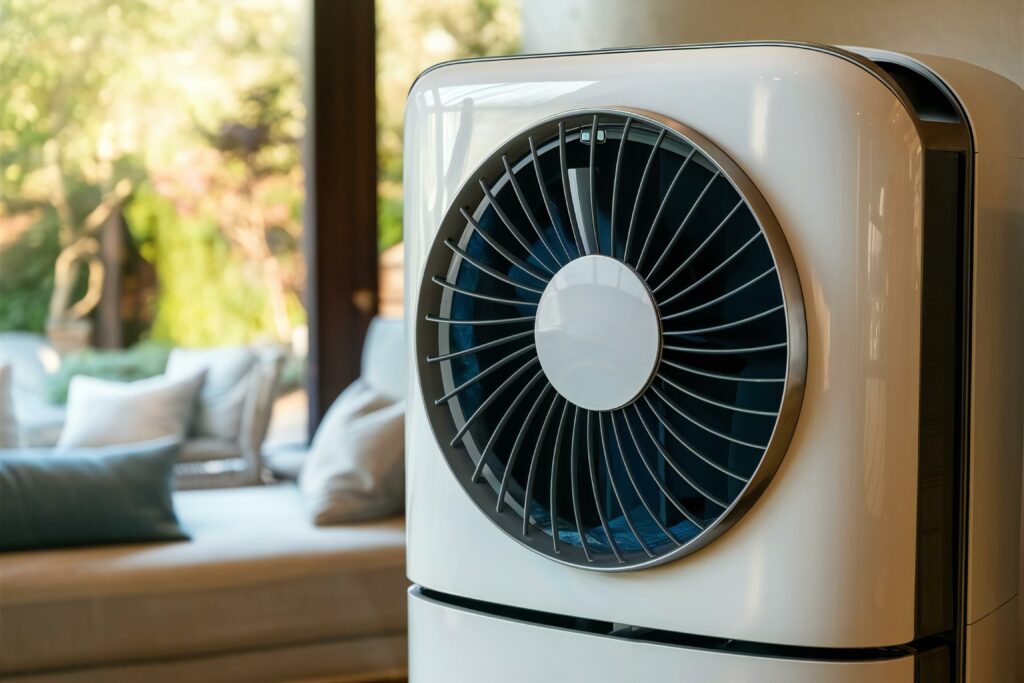
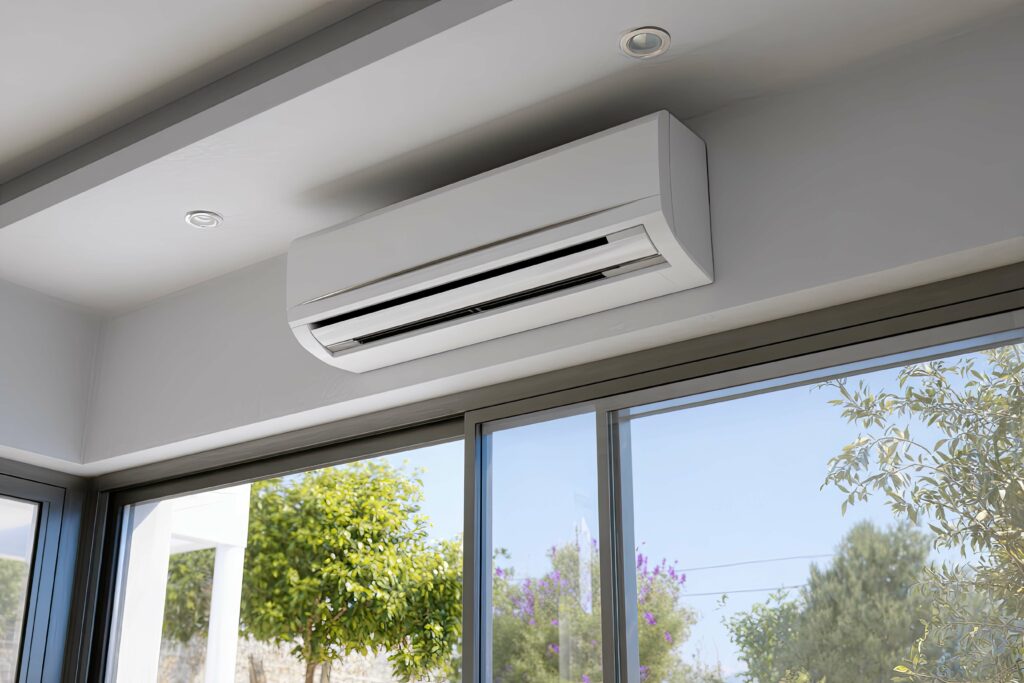
To understand the value of an AC check, it’s helpful to first grasp the basic mechanics behind an air conditioning system. Your air conditioner doesn’t generate cold air the same way a furnace produces heat. Instead, it removes heat and humidity from indoor air by cycling refrigerant through a closed-loop system. The indoor evaporator coil absorbs heat from the air, the refrigerant carries it to the outdoor condenser unit, and the released heat disperses into the surrounding air. Meanwhile, a blower fan pushes the cooled air through your ductwork and back into your living space. Thermostats signal the system when to turn on and off, responding to your desired temperatures.
Why Regular AC Inspections Matter
A professionally conducted system check can detect issues long before you’d notice a drop in indoor comfort. Components like refrigerant lines and condensate drains are often susceptible to leaks or clogs. Left unchecked, even a small inefficiency can overwork your unit, raising energy bills and shortening the unit’s lifespan. A qualified technician will verify refrigerant levels, test electrical circuits for safety, and remove debris from the condenser coils to ensure seamless airflow. Many manufacturers also require documented annual maintenance to keep warranties valid. Without a checkup, small problems can quietly evolve into disruptive failures, especially during peak usage months. This level of proactive care also enhances energy efficiency, which may directly reduce your monthly utility costs.
Common Drawbacks of Neglected Maintenance
It’s easy to forget about your HVAC system—until something goes wrong. For homeowners without a home warranty or maintenance plan, neglecting regular air conditioner checks can lead to avoidable issues. Dirty filters can restrict airflow, frozen coils can indicate a refrigerant problem, and worn electrical components may affect system startup. When filters clog, the unit works harder, which can reduce cooling performance and strain the compressor. Over time, neglect may lead to emergency service calls, often at the worst possible time—like during a heatwave or a holiday. In worst cases, major parts like the compressor or blower motor could be damaged, resulting in expenses that exceed the cost of consistent maintenance many times over.
What Homeowners Can Do Between Professional Inspections
While professional system checks are essential, homeowners can take simple yet effective steps between services to support their air conditioner’s performance. Replace air filters every one to three months, depending on system use, home size, and indoor air quality needs. Trim vegetation around the outdoor condenser unit to maintain airflow and avoid encroaching debris. Ensure vents and returns inside your home are free from blockages. Monitor your thermostat settings and consider upgrading to a programmable model to automate temperature control efficiently. Keeping a record of your last professional check along with any noises or inconsistencies you notice can help technicians address problems more accurately during routine inspections.
When to Schedule an AC Check—and What It Includes
The general recommendation is to schedule a full air conditioner check at least once per year, ideally in early spring before heavy usage begins. A technician will perform a multi-point assessment that may include checking refrigerant pressure, cleaning evaporator and condenser coils, tightening electrical connections, lubricating moving parts, testing thermostat calibration, and inspecting the condensate drain. For systems that run throughout multiple seasons—or homes located in hot climates—a second inspection during mid-summer may be appropriate. A thorough inspection ensures your HVAC system performs optimally and helps catch issues that could otherwise go unnoticed until peak temperatures place stress on the unit.
Protecting Your AC with a Home Warranty from Armadillo
Routine maintenance is one line of defense. But even the most diligent care can’t always prevent unexpected breakdowns. This is where a reliable home warranty makes its value known. Armadillo offers comprehensive, customizable coverage options that include air conditioning systems—helping cover repair and replacement when components fail due to normal wear and tear. A home warranty helps bring peace of mind, protects your budget from sudden costs, and connects you to trusted, vetted service professionals in your area. Learn more on our homepage at www.armadillo.one. Ready to build your ideal protection plan? Start your quick and easy sign-up by visiting our plan builder tool.