What Is an Air Conditioning Recharge? Everything a Homeowner Should Know
As a homeowner, you rely on your air conditioning system to keep your home cool and comfortable when temperatures begin to rise. But over time, you might notice that it takes longer to cool your home or that the air coming from your vents isn’t as cold as it used to be. These could be signs that your air conditioning system needs a recharge. While the term “aircon recharge” might sound technical, understanding what it is and how it impacts your home comfort is simpler than it seems. Equipping yourself with this knowledge is not only practical—it’s essential, especially when making decisions about repair costs and home warranty coverage.
What Is an Air Conditioning Recharge?
An air conditioning recharge refers to the process of adding or refilling refrigerant—the chemical compound that absorbs and releases heat—into your AC unit. Refrigerant is the lifeblood of your cooling system. Your AC doesn’t “consume” it like fuel; ideally, it should stay at the same level for the life of the system. However, leaks or damage to the refrigerant lines can cause a decrease in pressure and efficiency, resulting in the need for a recharge. It’s important to note that you should never need a recharge unless there’s a leak or a problem within the system.
How Air Conditioning Refrigerant Works
In every air conditioner, the refrigerant flows through a closed-loop system that cycles repeatedly to cool your home. Starting as a low-pressure gas, the refrigerant travels through the compressor, transforming into a high-pressure, high-temperature gas. It then moves through the condenser coils, where it releases heat and turns into a cooler liquid. From there, it travels through the expansion valve and evaporator coils, where it absorbs heat from the air inside your home, returning once again to the compressor. This cycle repeats continuously, delivering consistent cool air. Without the correct amount of refrigerant, this process becomes disrupted—meaning your system must work harder, use more energy, and still deliver subpar results.
Why Air Conditioning Recharges Are Sometimes Necessary
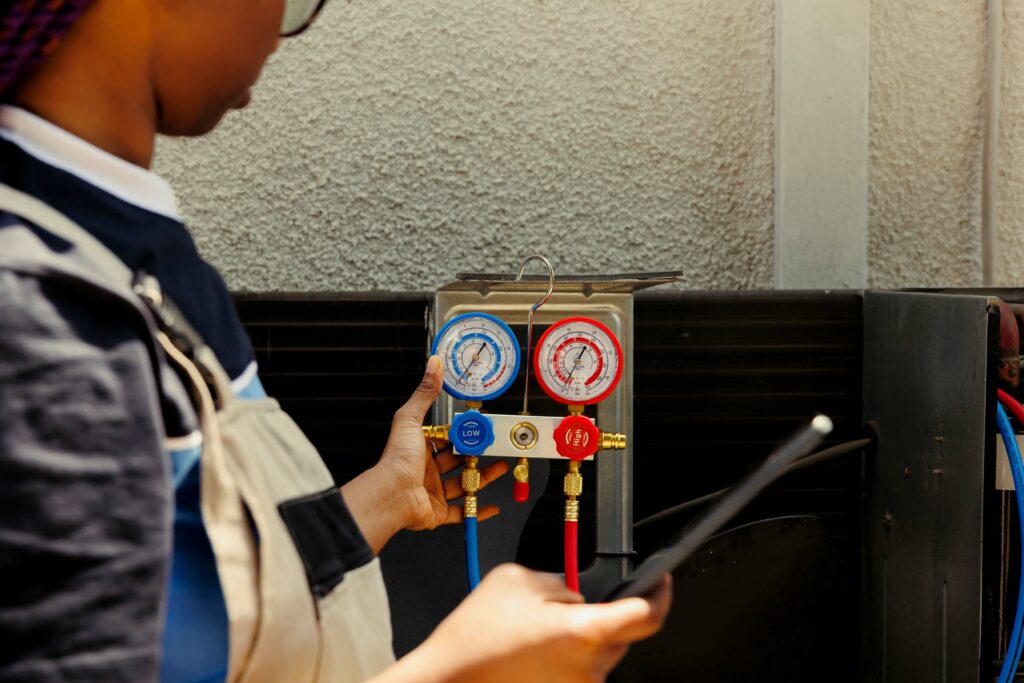
The need for an aircon recharge is never a good sign. As mentioned, refrigerant isn’t depleted through regular use. So if your system is low, it almost certainly means there’s a leak. These leaks may be small and slow over time, or they could be larger and more immediate. Either way, losing refrigerant compromises the system’s efficiency and can eventually damage vital components. Signs you may need an aircon recharge include weak air flow, warm air from registers, a hissing sound near the unit, or ice building up on the evaporator coils. In many cases, HVAC professionals will perform a recharge only after locating and fixing the leak—otherwise, the refrigerant will simply leak out again.
Benefits and Drawbacks of Recharging Your AC
When performed correctly and when necessary, an aircon recharge can restore your system’s cooling capacity, reduce energy consumption, and extend the life of your HVAC equipment. For homeowners, this translates into improved comfort, lower utility bills, and better peace of mind. That said, there are limitations. If your system is older or has suffered long-term leaks, the damage may go beyond low refrigerant levels. Compressors and coils under long-term stress can fail completely. Secondly, with increasing environmental regulations, certain types of refrigerants—such as R-22—are being phased out. This not only makes recharging harder but significantly more expensive. Recharging may be a temporary solution for some systems, but not a long-term fix for deeper underlying issues.
How Much Does an Air Conditioning Recharge Cost?
Costs for a recharge vary depending on several factors: the type of refrigerant your system uses, the severity of the leak, labor rates in your region, and whether repairs are needed in conjunction with the recharge. For example, recharging an older unit that uses the phased-out R-22 refrigerant could cost several hundred dollars more than one using the newer and more readily available R-410A. On average, homeowners may pay between $150 to $600 for a complete recharge service. Keep in mind, this figure often includes leak detection, refrigerant recovery, recharge, and pressure testing. These costs are often unexpected and not fully covered under standard homeowners insurance, which makes planning through home warranty coverage a smart financial strategy.
Recharges, Maintenance, and Home Warranty Coverage
Routine maintenance will not prevent every issue, but it can help catch refrigerant leaks early before your system loses performance or sustains more serious damage. Scheduling annual HVAC inspections and keeping your filters, vents, and outdoor unit clean ensures that your unit operates under ideal conditions. When it comes to coverage, air conditioning systems are typically covered under home warranty plans, provided that the problem stems from normal wear and tear and proper maintenance has been upheld. However, coverage specifics, like refrigerant recapture and recharge labor, vary from plan to plan. It is also essential to confirm whether your system qualifies under age or type limitations—especially if your unit still uses retired refrigerants.
When Recharging Isn’t Enough
There are situations where a recharge is merely a band-aid on a larger issue. If your air conditioner continues to leak refrigerant after multiple repairs or is more than 10–15 years old, replacement may be the more cost-effective choice. Modern units offer greater energy efficiency, use more environmentally friendly refrigerants, and likely won’t require the same level of maintenance. Plus, many newer systems are designed with leak-minimizing technology baked into the design. Before deciding, always request a diagnostic evaluation from a certified technician. In some cases, home warranty protection can alleviate the stress of choosing between repairs and upgrade investments by covering the diagnosis and offering compensation toward replacement when needed.
Protecting Your Cooling System with Armadillo
An air conditioning recharge is not something most homeowners expect—but when it happens, the costs and decisions ahead can feel overwhelming. That’s where a modern home warranty, like Armadillo, can offer reliable support. With Armadillo’s flexible coverage options and straightforward plan-builder tools, you get tailored protection for your HVAC system and more. Whether you’re facing a refrigerant leak or planning for long-term maintenance, Armadillo ensures you’re never navigating repair decisions alone. Visit the Armadillo homepage to learn more about how their coverage works. Ready to get started? Build your plan now using the Armadillo plan builder and secure the protection your home systems deserve.