What Homeowners Need to Know About Air Handler Mold: Prevention, Risks, and Solutions
For many homeowners, comfort is defined by the quiet workings of their HVAC system. But there’s an important component that often goes unseen—and unfortunately, sometimes unchecked. The air handler, responsible for circulating conditioned air throughout your home, can become a hidden breeding ground for mold when conditions are just right—or more accurately, just wrong. Understanding how air handler mold forms, why it matters, and how to prevent it not only protects your home’s air quality but also safeguards your investment in heating and cooling systems. Here’s what every homeowner should know.
Understanding the Air Handler and How Mold Finds Its Way In
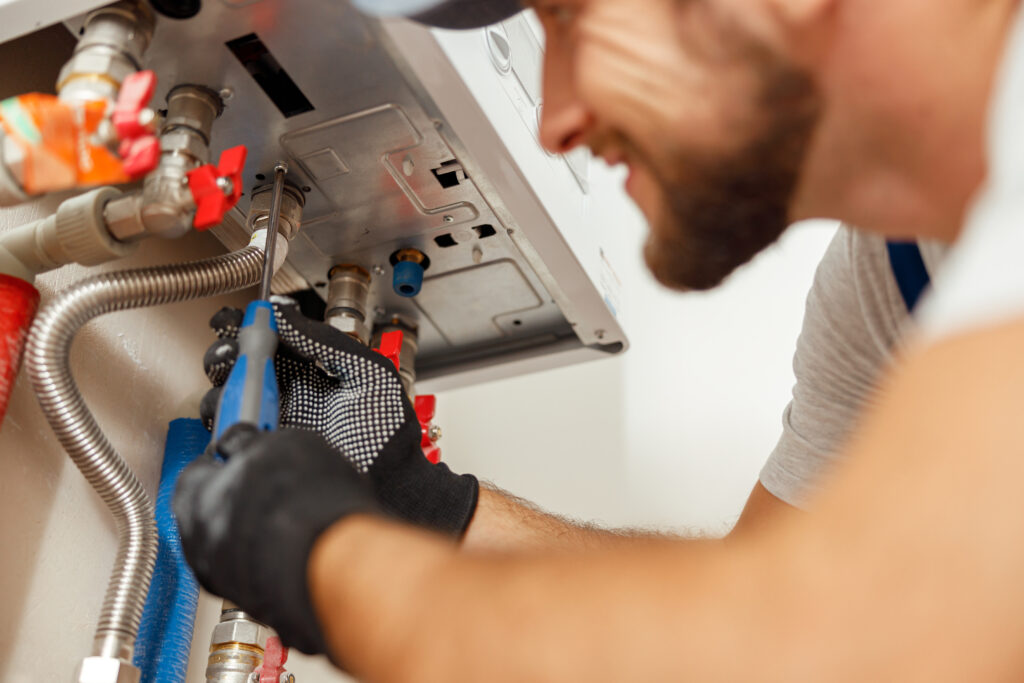
An air handler is the indoor component of your HVAC system. It houses essential elements such as the evaporator coil, blower fan, and filters. As air flows through this unit, it is cooled or heated, filtered, and then distributed through ductwork. This process naturally generates condensation—especially during cooling cycles—which introduces one of mold’s favorite ingredients: moisture.
Combine trapped humidity, dust or debris, and lack of airflow, and you’ve created an ideal environment for mold growth. While mold may begin microscopically, over time, colonization can spread across internal components, ductwork, and eventually to interior walls if left untreated. This is where attentive homeowners begin to see the bigger picture. Mold in the air handler isn’t just a mechanical issue. It’s a health concern and a long-term risk to indoor air quality and system longevity.
The Health and Structural Impacts of Air Handler Mold
Mold can have subtle and cumulative effects. In the presence of air handler mold, each cycle of your HVAC system can distribute mold spores into every cooled or heated room. These airborne spores can aggravate allergies, trigger asthma, irritate respiratory conditions, and produce musty odors that never seem to disappear—regardless of how much you clean.
In addition to health impacts, mold also threatens the functional performance of your air handler. Spores can block filters or settle on coils, reducing energy efficiency and forcing your system to work harder. This heightened strain not only increases energy bills but may contribute to long-term wear and early failure of components. If mold is allowed to migrate into ductwork or structural walls, remediation can become far more complicated—and costly.
Warning Signs of Mold Inside the Air Handler
Catching mold early saves effort and expense later. Look for subtle moisture buildup around the indoor HVAC unit. Musty odors near air vents or the handler itself are a typical indicator. Reduced airflow or inconsistent temperature control may suggest restricted internal components, often caused by mold accumulation on coils and fans.
If allergies seem worse indoors than outside, or if you’ve recently had unexplained HVAC issues tied to drainage or humidity, it’s a smart time to investigate the air handler. Often, homeowners only learn of mold’s presence during routine maintenance—or after a significant system failure prompts a technician to open the unit. That’s a late stage scenario you want to avoid.
How Mold Enters and Grows Inside the Air Handler
Mold doesn’t arrive fully formed. Instead, it begins with spores, which are already floating around your home—albeit in benign levels. These spores land inside the air handler, where conditioned air, condensation, and limited exposure to light allow them to germinate and spread. Without interruption, colonies can grow across the evaporator coil, fan motor, and inside the system casing.
The origin often comes down to a few failure points. Poorly sealed ductwork may draw in humid attic or crawl space air. A malfunctioning drip pan can retain water, while clogged or unmaintained condensate lines allow standing moisture to remain. Filters that are too restrictive or not changed regularly can starve airflow and encourage mold-friendly warmth and dampness inside the cabinet.
Steps to Prevent Mold in Your HVAC Air Handler
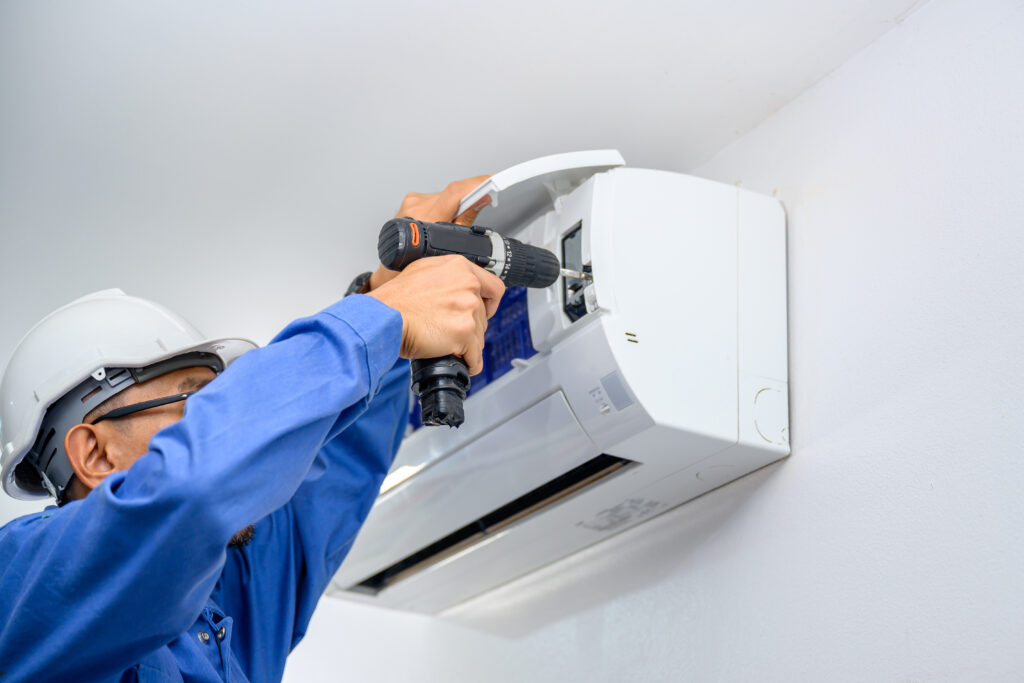
Prevention begins with airflow and moisture control. Make sure your HVAC filters are changed at regular intervals—typically every one to three months depending on system load and household conditions. Ensure drainage lines and drip pans are clear. Annual maintenance by a qualified technician is vital, as it allows for internal cleaning, coil inspection, and early identification of mold-prone conditions.
Dehumidifiers can help in areas with elevated humidity, reducing the likelihood of moisture accumulation in the first place. UV light kits, installed professionally within the air handler, can suppress microbial growth on surfaces such as coils and interior walls. Most importantly, resist the temptation to ignore your system until something breaks. Proactive upkeep creates a defensive line against mold colonization.
The Role of Home Warranties in Mold Coverage and Air Handler Maintenance
In the home warranty industry, coverage for mold remediation is typically limited—if available at all. However, many policies do cover key HVAC components, including the air handler, blower motor, and evaporator coil. This means a malfunction that leads to moisture buildup could be addressed mechanically, even if the mold itself is not covered directly.
This makes selecting a comprehensive policy critical. An air handler replacement or repair can cost thousands. But a well-structured home warranty may reduce that burden significantly. Homeowners should review what preventive maintenance is required to maintain eligibility and ensure service records are retained. That foresight could be the difference between a preventable mold issue and a claim denial.
Protecting Your HVAC System Just Got Easier with Armadillo
A moldy air handler represents more than discomfort; it’s a sign your HVAC system is operating under stress—and possibly putting your entire home at risk. While not all mold-related repairs are covered under traditional home warranties, Armadillo offers forward-thinking protection for essential home systems like your air handler. With clear, modern coverage and a simplified claims process, we make safeguarding your HVAC investment exactly what it should be—easy.
Explore how an Armadillo home warranty can deliver peace of mind for the systems that matter most. Visit www.armadillo.one to learn more or start building your customized plan today at our plan builder. Because when it comes to indoor air quality and system reliability, prevention and protection start at the same place: your air handler.