
Can You Be Allergic to Air Conditioning? Understanding HVAC-Induced Allergy Symptoms for Homeowners
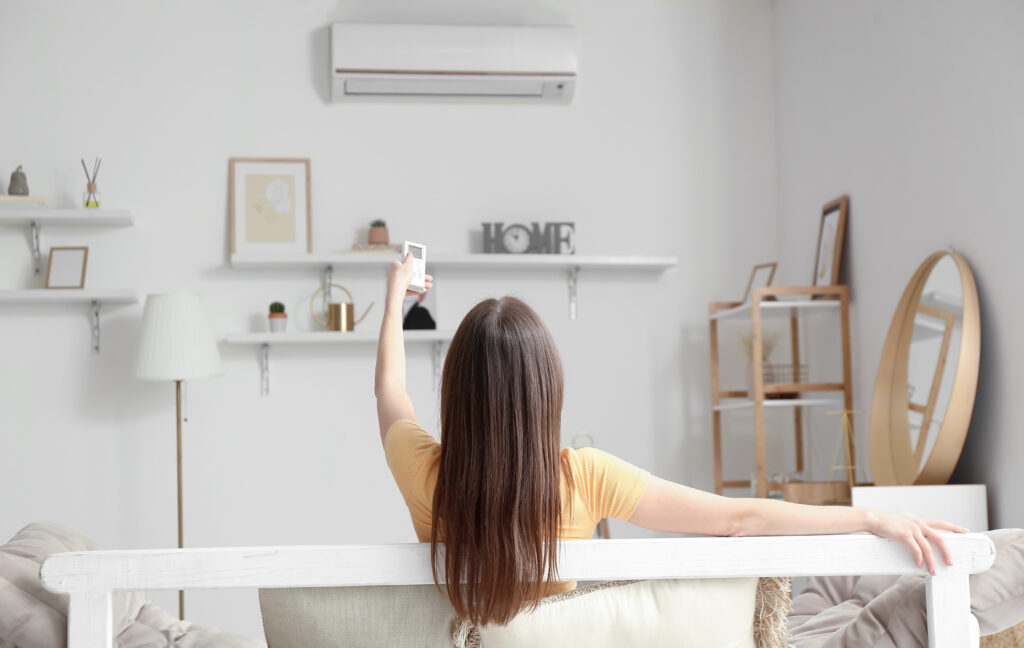
For many homeowners, a cool blast of air conditioning can feel like sweet relief, especially during the hottest days of summer. But what happens when that refreshing breeze causes sneezing, watery eyes, or persistent coughing? While it’s not possible to be allergic to air conditioning itself, many of the symptoms commonly blamed on AC are triggered by what’s hiding inside your HVAC system. Understanding the link between your air conditioning and indoor allergens can help you take smarter steps toward cleaner air—and a more comfortable home environment.
What Is an HVAC System and How Does It Work?
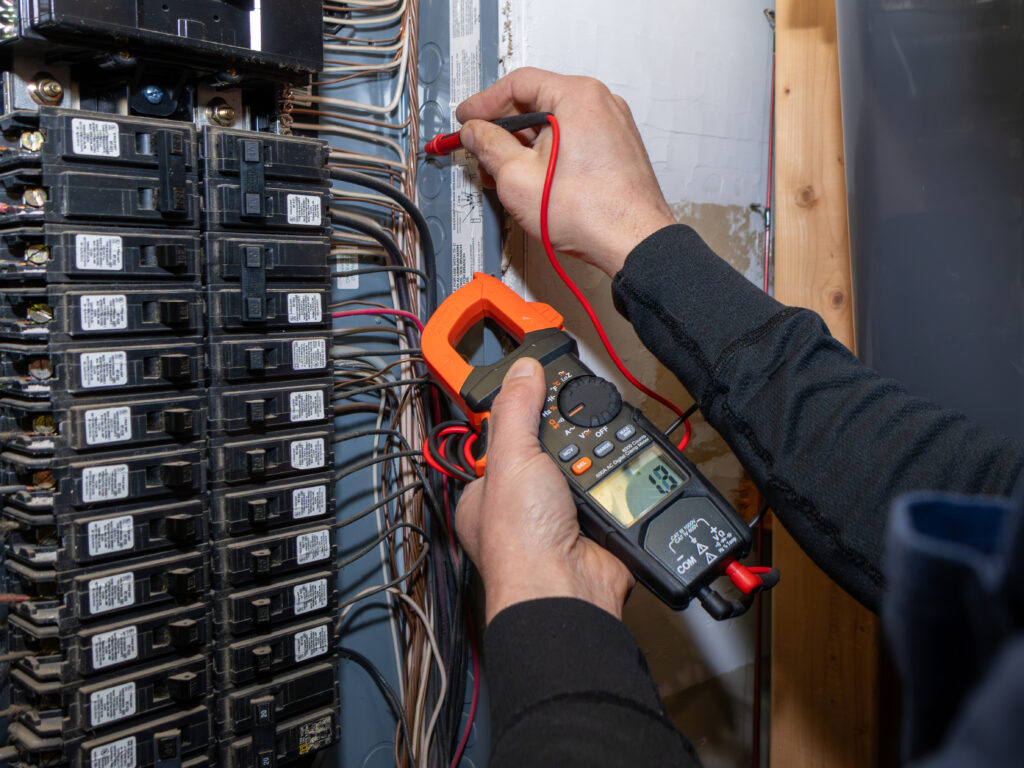
The acronym HVAC stands for Heating, Ventilation, and Air Conditioning. This system is responsible for regulating the temperature, humidity, and air quality inside your home. Composed of interconnected components such as an air handler, compressor, ductwork, filters, and often a furnace, your HVAC system works by pulling in air, cooling or heating it, and redistributing it throughout your home. Filters are designed to trap contaminants, and vents control airflow direction and temperature settings via a central thermostat. When well-maintained, an HVAC system should contribute to healthy indoor air. However, that balance shifts quickly when maintenance lapses or components become compromised.
Why Air Conditioning May Trigger Allergy-Like Symptoms
While you can’t technically be allergic to cold air, the sensation of walking into a room cooled by central air can cause reactions in certain individuals, especially if allergens are circulating undetected. Dust mites, mold spores, pet dander, pollen, and volatile organic compounds (VOCs) often accumulate in ducts, filters, and around AC coils. When the system kicks on, it distributes these particles throughout the home. It’s not the air conditioning unit itself causing an allergic reaction—it’s what the air is carrying through the system. For allergy-sensitive individuals, this can result in symptoms that closely mimic seasonal allergies or environmental sensitivities. Tight indoor spaces with recirculated air can compound the effect, particularly when ventilation is limited.
Common Signs Your HVAC System May Be Making You Sick
If you find yourself experiencing frequent respiratory distress while indoors, especially during AC use, your HVAC system may need attention. Symptoms often include sneezing, nasal congestion, sore throat, itchy eyes, and even skin irritation. These reactions can be intensified when HVAC filters are clogged, ductwork is infested with mold or dust, or the air handler isn’t properly dehumidifying the air. In some cases, a poorly maintained AC system can foster bacteria growth, such as Legionella, which leads to more serious complications like Legionnaires’ disease. While these occurrences are relatively rare, they underscore the importance of routine care and awareness. Keep an eye out for musty odors, water leaks, and persistent dust, as they may indicate a deeper issue within your system.
Advantages of a Well-Maintained Air Conditioning System
A modern, well-serviced HVAC system not only keeps your home comfortable—it’s key to cleaner indoor air. Proper air filtration helps capture airborne particles before they reach your living space. Controlled humidity reduces mold growth and discourages dust mite populations. Efficient ventilation circulates fresh air, preventing the buildup of indoor pollutants. With regular maintenance, your AC system can actually be an asset for allergy sufferers by keeping indoor allergens in check. Features like HEPA filters, UV air purifiers, and programmable thermostats can further support a health-conscious indoor environment. The result is cool, breathable air that supports rather than compromises your respiratory health.
Drawbacks and Risks of Neglecting HVAC Allergens
When HVAC systems are neglected, they can become unintended distribution engines for indoor pollutants. Dirty filters recirculate allergens. Damp air handlers become breeding grounds for mold. Ducts teeming with dust spread irritants room to room. Inconsistent airflow magnifies humidity imbalances, further encouraging microbial growth. Extended exposure to polluted indoor air may exacerbate chronic health conditions such as asthma, bronchitis, or sinus infections. And because symptoms often appear subtle and cumulative, issues may go unnoticed until repairs become urgent—and costly. Routine maintenance, despite being one of the most manageable homeowner responsibilities, is frequently overlooked due to competing priorities or misunderstanding its importance.
Steps Homeowners Can Take to Minimize HVAC-Related Allergies
Homeowners can significantly reduce HVAC-related allergy symptoms by implementing a few proactive practices. First, replace air filters every one to three months, depending on your system and household needs. Use high-quality filters with a minimum MERV 8 rating, though MERV 13 or higher provides extra filtration for allergy-sensitive occupants. Schedule annual inspections to check for mold, duct leaks, and system efficiency. If your home is older or been subject to past flooding, duct cleaning may be warranted. Keep registers dust-free, and if possible, invest in a UV germicidal light to reduce microbial growth at the coil. Portable air purifiers can offer an additional layer of filtration in high-traffic areas. Finally, make sure your AC humidity levels are optimized—ideally between 30 and 50 percent—to prevent mold while still maintaining comfort.
When Is It Time to Upgrade or Repair Your HVAC System?
If recurring allergy symptoms persist despite frequent cleaning and maintenance, it may be time to inspect the integrity of your HVAC equipment. Older systems, particularly those over 10–15 years of age, might lack the features necessary for improved air quality. Units that cycle frequently, require frequent repairs, or are excessively noisy may be nearing the end of their lifecycle. In these cases, an upgrade to an ENERGY STAR-certified system with advanced air quality features can provide a long-term solution. Retrofitting with zoned climate control, upgraded filtration, and smart technology will not only enhance comfort but also help alleviate persistent allergy concerns. As a homeowner, these improvements offer both financial value and improved health outcomes.
Protecting Your HVAC System and Your Health with Armadillo
Maintaining a healthy home goes beyond temperature control—it includes ensuring your HVAC system is equipped to support your wellbeing long-term. A home warranty from Armadillo helps homeowners manage the cost of HVAC repairs and replacements while protecting against unexpected breakdowns. Our plans cover major systems like your air conditioning, so you’re not left scrambling when problems arise. With access to trusted service technicians and flexible coverage options, you can prioritize both home performance and family health. Learn more about what Armadillo offers at armadillo.one, or take the first step toward protecting your indoor air quality by creating your custom plan at our plan builder.