What Is Ammonia and Why Does It End Up on Your Stainless Steel?
Stainless steel appliances are one of those upgrades that genuinely change the feel of a kitchen. They look sharp, they photograph well, and they signal a certain level of care put into a home. But then someone cleans the refrigerator with the wrong product, and suddenly there are streaks, discoloration, or pitting that nobody asked for. Ammonia is one of the most common culprits behind stainless steel damage in homes, and most homeowners have no idea it is happening until the surface already looks compromised. Understanding the relationship between ammonia and stainless steel is not just a cleaning tip. It is a foundational part of protecting some of the most valuable appliances in your home.
How Ammonia Interacts with Stainless Steel Surfaces
Stainless steel gets its corrosion-resistant properties from a thin, invisible layer of chromium oxide that forms naturally on the surface. This passive layer is what keeps the metal looking clean and prevents rust from developing under normal conditions. Ammonia, which is a common ingredient in many household glass and multi-surface cleaners, disrupts this passive layer when it makes repeated or prolonged contact with the metal. The chemical reaction does not always produce dramatic, immediate damage. Instead, it tends to be gradual. Over time, ammonia-based cleaners can cause the surface to appear dull, streaked, or slightly pitted. In some cases, especially on lower-grade stainless steel alloys, the damage becomes more pronounced and harder to reverse. The passive chromium oxide layer can regenerate after minor exposure, but consistent use of ammonia-based products removes that opportunity for recovery.
Common Household Products That Contain Ammonia
The tricky part is that ammonia hides in plain sight inside products that seem perfectly reasonable to grab from under the sink. Many homeowners assume that a cleaner labeled for general surfaces is safe everywhere. That assumption is worth revisiting before the next time you wipe down your dishwasher door or refrigerator panel.
- Glass and window cleaners, including many major name-brand varieties
- Multi-surface sprays marketed for kitchens and bathrooms
- Some all-purpose household degreasers
- Certain oven and stovetop cleaners not specifically formulated for stainless steel
- DIY cleaning solutions that include household ammonia as an active ingredient
Reading the label before applying anything to stainless steel is one of the simplest and most effective protective habits a homeowner can develop. If the product lists ammonia or ammonium hydroxide in the ingredients, keep it away from your appliance surfaces.
Signs That Ammonia Has Already Damaged Your Stainless Steel
Catching the damage early makes a meaningful difference in how well the surface can be restored. Ammonia damage on stainless steel tends to follow a recognizable progression. Early-stage damage often looks like persistent streaking that does not wipe away cleanly, even after using a dry microfiber cloth. The surface may also start to appear hazy or lack the reflective quality it once had. As the damage advances, small pits or discolored patches can develop, particularly along areas that were repeatedly wiped with an ammonia-containing product. In severe cases, the steel may show signs of surface corrosion, which looks like faint rust-colored spots or a brownish tint in concentrated areas. If any of these signs are present, the surface has likely been exposed to ammonia or another corrosive agent over a period of time.

How to Safely Clean Stainless Steel Appliances
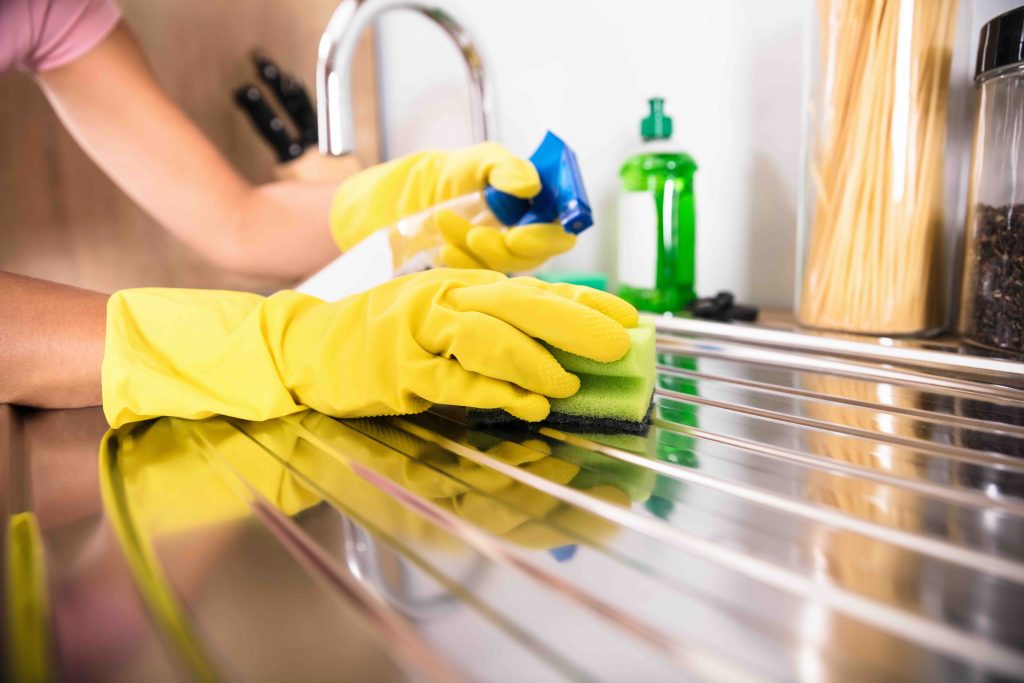
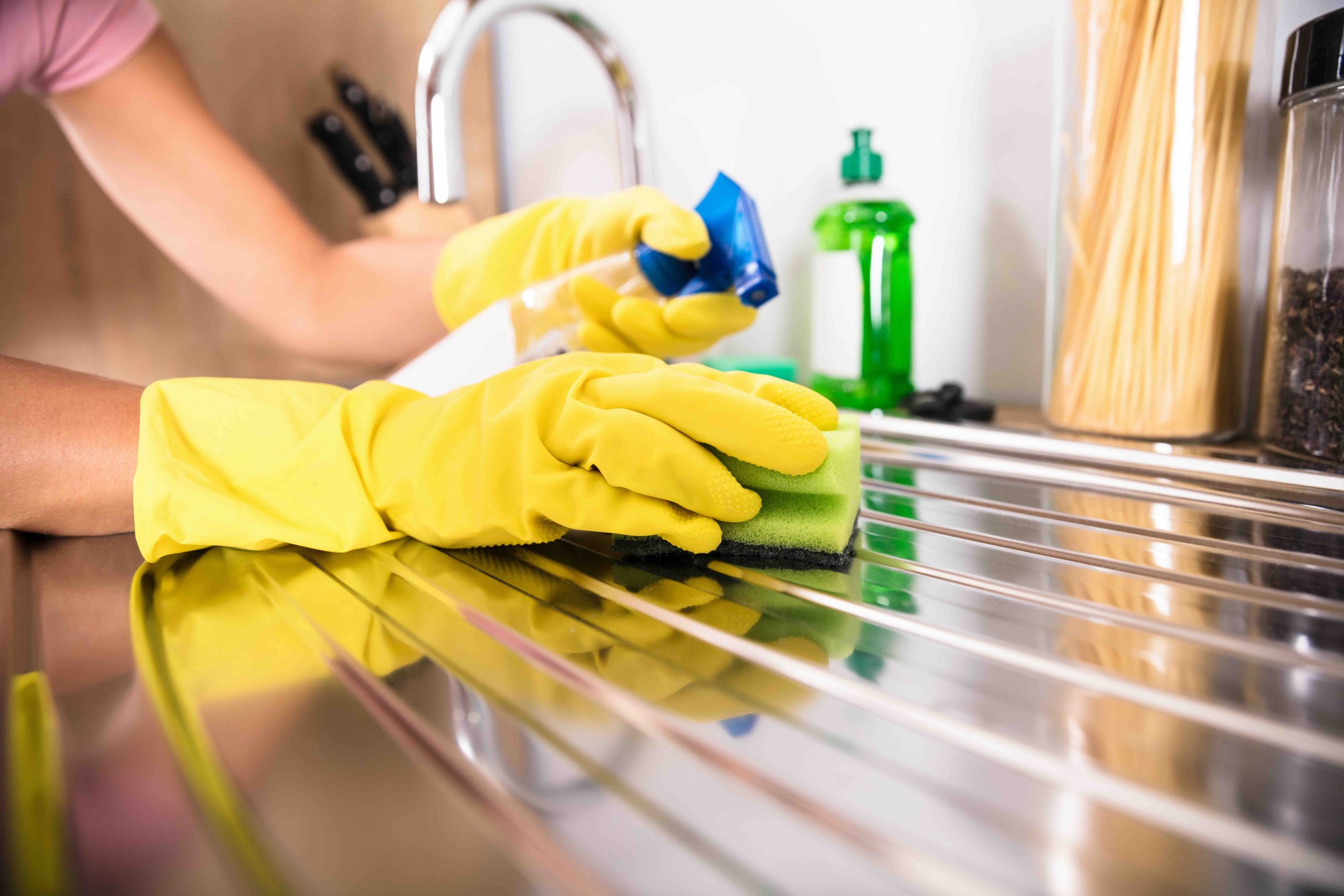
The good news is that stainless steel is not particularly demanding when it comes to cleaning. It just requires the right approach. Warm water and a small amount of dish soap applied with a soft microfiber cloth handles the majority of everyday cleaning tasks without any risk to the surface. Always wipe in the direction of the grain, which is the faint linear pattern visible on the metal. Wiping against the grain can cause micro-scratches that dull the finish over time. For tougher residue, a small amount of rubbing alcohol applied with a cloth is effective and safe. There are also cleaners formulated specifically for stainless steel that both clean and help condition the passive layer. These are worth keeping in the cabinet as your go-to product for anything beyond a basic wipe-down.
Restoring Stainless Steel After Ammonia Exposure
If ammonia damage has already occurred, restoration is possible in many cases, though the outcome depends on how deep the damage goes. Mild hazing and streaking can often be addressed with a dedicated stainless steel polish. These products contain very fine abrasives that remove the degraded surface layer and help restore the natural sheen. Apply the polish with a soft cloth, work with the grain, and buff to a finish. For more pronounced pitting or discoloration, a professional appliance restoration service may be necessary. In situations where the damage has penetrated deeply and the passive layer cannot regenerate, replacement of the affected panel or appliance may be the only practical option. That is why prevention is always the more cost-effective strategy.
The Role of Appliance Quality in Ammonia Resistance
Not all stainless steel is created equal, and this matters when it comes to how vulnerable your appliances are to chemical damage. The grade of stainless steel used in home appliances varies by manufacturer and price point. Higher-end appliances typically use Type 304 stainless steel, which contains a higher percentage of chromium and nickel, making the passive layer more robust and more resistant to chemical exposure. Entry-level appliances sometimes use Type 430 stainless steel, which has a lower nickel content and is more susceptible to surface damage from corrosive agents like ammonia. Knowing what grade of stainless steel your appliances use is not always easy to find out, but it is worth researching during the purchasing process. Higher-grade steel holds up better over time and generally responds better to restoration efforts when surface damage does occur.
Preventive Habits That Protect Your Appliances Long-Term
Protecting stainless steel from ammonia damage is mostly a matter of building consistent habits around how you clean and maintain your kitchen. A few straightforward practices go a long way.
- Keep ammonia-based cleaners stored away from stainless steel appliances to avoid accidental use
- Label or dedicate specific cleaning cloths for use only on stainless steel surfaces
- Apply a thin coat of mineral oil or a purpose-made stainless steel conditioner every few months to reinforce the passive layer
- Clean up spills and splatters promptly to prevent acidic or chemical residue from sitting on the surface
- Avoid abrasive scrubbers or steel wool, which damage the grain and make the surface more vulnerable to chemical attack
Why Home Warranty Coverage Matters for Appliance Protection
Ammonia damage is a maintenance issue, and home warranties are not designed to cover damage caused by improper cleaning. That is an important distinction to understand. However, the broader context of appliance protection is where a home warranty becomes genuinely valuable. Stainless steel appliances like refrigerators, dishwashers, and ranges are among the most expensive systems in a home, and when they break down due to mechanical failure, the repair costs can be significant. trusted home warranty coverage for kitchen appliances and home systems provides the financial safety net that makes unexpected mechanical failures much less disruptive to your household budget. Armadillo offers straightforward, transparent coverage designed for homeowners who want reliable protection without the fine-print headaches. Whether it is a refrigerator compressor, a dishwasher pump, or a range igniter that fails unexpectedly, having coverage in place means you are not facing that repair bill alone. If protecting your home investment is a priority, taking a few minutes to get a personalized home warranty quote that covers your appliances and systems is one of the most practical steps you can take today.

Frequently Asked Questions About Ammonia and Stainless Steel Appliances
Homeowners commonly have questions about how to protect their stainless steel appliances and what to do when damage has already occurred. The following answers address the most frequently raised concerns in straightforward terms.
Can ammonia permanently damage stainless steel appliances?
Yes, repeated exposure to ammonia can permanently damage the passive chromium oxide layer on stainless steel, leading to pitting, discoloration, and surface corrosion that cannot always be fully restored.
Is it safe to use Windex on stainless steel appliances?
Many formulations of Windex contain ammonia, which makes them unsafe for regular use on stainless steel. Check the label and opt for a cleaner specifically formulated for stainless steel surfaces instead.
How do I know if a cleaner contains ammonia?
Check the ingredient list on the product label for ammonia, ammonium hydroxide, or ammonium compounds. If any of these are listed, the product should not be used on stainless steel appliances.
What is the best way to clean stainless steel without damaging it?
Warm water with a small amount of dish soap and a soft microfiber cloth is the safest everyday cleaning method. Always wipe in the direction of the grain and dry the surface thoroughly after cleaning.
Can stainless steel damaged by ammonia be repaired at home?
Mild damage such as streaking and hazing can often be addressed with a stainless steel polish applied with a soft cloth following the grain. Deeper pitting or corrosion may require professional restoration or panel replacement.
Does the grade of stainless steel affect how vulnerable it is to ammonia?
Yes. Type 304 stainless steel, which contains more chromium and nickel, is more resistant to chemical damage than Type 430, which is found in some entry-level appliances and is more susceptible to surface degradation from ammonia exposure.
Will a home warranty cover damage caused by ammonia cleaners?
No. Home warranties cover mechanical and system failures, not damage resulting from improper maintenance or chemical misuse. Preventing ammonia damage is the homeowner’s responsibility.
How often should stainless steel appliances be conditioned?
Applying a thin coat of mineral oil or a purpose-made stainless steel conditioner every two to three months helps maintain the passive layer and keeps the surface looking its best.
Are there any cleaning products that are completely safe for all stainless steel appliances?
Cleaners specifically labeled and formulated for stainless steel are the safest choice. Warm soapy water and rubbing alcohol are also reliably safe options for everyday and occasional deep cleaning.
Can stainless steel rust after ammonia damage?
Yes. When the passive chromium oxide layer is compromised by repeated ammonia exposure, the underlying metal becomes vulnerable to oxidation, which can result in rust-colored spots or surface corrosion over time.