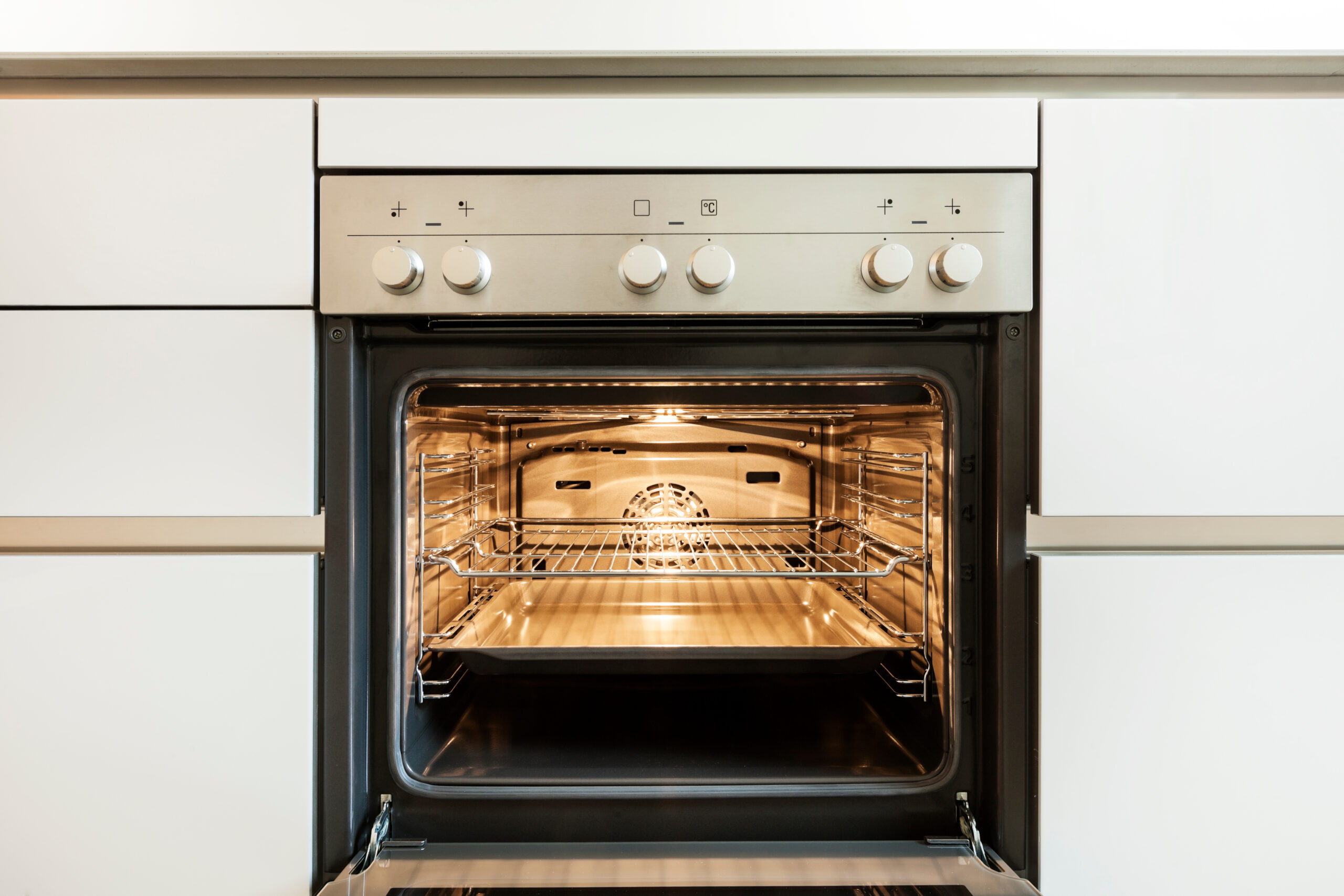
What Is an Appliance Bulb and Why Does It Matter in Your Home?
It is one of those things you never really think about until it burns out at the worst possible moment. The appliance bulb — that small, seemingly insignificant light source tucked inside your refrigerator, oven, microwave, or dryer — plays a more important role in your home than most people give it credit for. These are not your standard household light bulbs. They are engineered specifically to function inside environments that experience heat, vibration, moisture, and temperature swings that would destroy a regular bulb in no time. Understanding what an appliance bulb is, how it works, and why choosing the right one matters can save you from unnecessary hassle, equipment damage, and even safety concerns down the road.
How an Appliance Bulb Actually Works
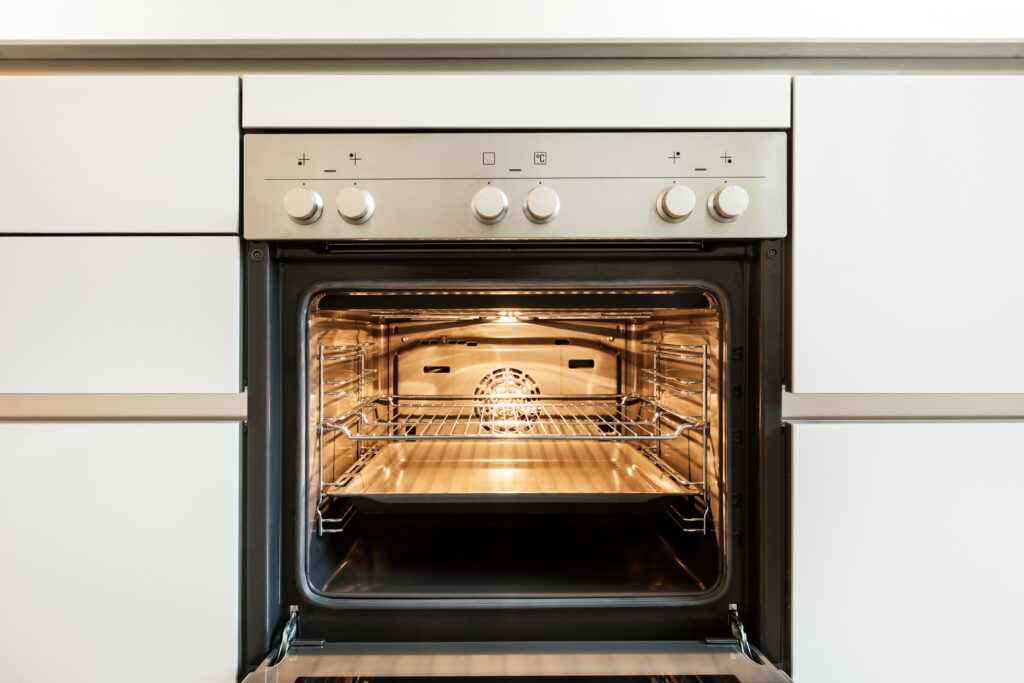
At the most fundamental level, an appliance bulb converts electrical energy into light. But the construction is what sets it apart. Standard bulbs are not designed to tolerate the internal temperature of an oven that reaches 500 degrees Fahrenheit or the constant vibration of a washing machine mid-cycle. Appliance bulbs are built with thicker, heat-resistant glass, reinforced filaments, and in some cases, sealed bases that protect against moisture infiltration. The wattage is typically lower than standard household bulbs — commonly 40 watts — because the goal is illumination in a confined space, not broad room lighting. Some modern appliances now use LED-rated appliance bulbs, which run cooler, last longer, and consume significantly less energy. The right bulb in the right appliance is not just a convenience — it is a safety consideration.
The Different Types of Appliance Bulbs You Should Know About
Not all appliance bulbs are interchangeable, and that is a detail that catches a lot of homeowners off guard. The most common types you will encounter include incandescent appliance bulbs, which are still widely used in ovens and refrigerators due to their heat tolerance and low cost. Then there are halogen appliance bulbs, which run hotter and brighter and are often used in high-heat oven applications. LED appliance bulbs are the newer generation — they are energy-efficient and long-lasting, but not all appliances are rated to accept them, particularly older ovens where extreme heat can degrade LED components. Microwave-specific bulbs are another category entirely, designed to handle radio frequency exposure. Always check your appliance manual or the existing bulb’s label before making a replacement purchase.

Key Advantages of Using the Correct Appliance Bulb
There are real, tangible benefits to getting this right. Using the correct appliance bulb protects the integrity of the appliance itself. A bulb that overheats in a refrigerator can warp plastic components or interfere with temperature regulation. A bulb that cannot handle oven heat can shatter, leaving glass inside a cooking space — which is a serious safety hazard. Beyond safety, using the proper bulb extends the life of your appliance. The right bulb runs at the right temperature, draws the correct wattage, and does not place undue stress on the socket or wiring. For homeowners who are trying to maximize the lifespan of their appliances, this is a surprisingly simple but impactful detail to get right.
Common Drawbacks and Frustrations Homeowners Face
Here is where things get a little complicated. Appliance bulbs are not always easy to find at your local hardware store, especially for older or less common appliance models. Some manufacturers use proprietary bulb sizes or bases, which means you may need to order directly from the manufacturer or an authorized parts supplier. Cost can also be a factor — specialty appliance bulbs, particularly halogen or LED variants designed for specific appliances, can cost significantly more than a standard household bulb. And then there is the installation issue. Reaching the bulb socket inside certain appliances — like the back of a wall oven or the interior of a dryer drum — can be genuinely awkward and sometimes requires partial disassembly. These are not deal-breakers, but they are realities worth anticipating.
Practical Tips for Replacing an Appliance Bulb Safely
Replacing an appliance bulb is generally a straightforward task, but cutting corners can lead to problems. Here are some practical guidelines to keep in mind before you start:
- Always disconnect power to the appliance before replacing any bulb — unplug it or shut off the corresponding circuit breaker.
- Allow the appliance to cool completely if it was recently in use, especially for oven and dryer applications.
- Check the wattage and base type of the existing bulb before purchasing a replacement.
- Use a cloth or gloves when handling halogen bulbs — skin oils can cause hot spots that shorten bulb life.
- Consult your appliance owner’s manual if the bulb cover or housing is not immediately obvious — forcing the wrong component can cause damage.
When a Burned-Out Appliance Bulb Points to a Bigger Problem
Most of the time, a burned-out appliance bulb is just a burned-out bulb. But occasionally, it is a symptom of something more significant. If you find yourself replacing the same appliance bulb repeatedly within a short period, it may indicate an issue with the socket, the wiring, or voltage fluctuations in your home’s electrical system. Flickering appliance lights can also suggest a loose connection or a failing socket. In refrigerators specifically, a bulb that stays on even when the door is closed can actually cause temperature problems — and that is a door switch issue, not a bulb issue. Knowing the difference between a simple fix and a sign of a larger mechanical or electrical problem is part of being an informed homeowner.
How Appliance Bulbs Tie Into Your Overall Appliance Maintenance Strategy
Appliance maintenance is one of those things that feels optional right up until the moment it is not. A burned-out oven light might seem trivial, but poor visibility inside your oven can lead to uneven cooking, accidental burns, and even overlooked spills that bake onto the interior and create long-term damage. The same principle applies across all your major appliances. Keeping every component — including the bulb — in proper working order is part of a responsible approach to home ownership. Regular maintenance checks, even informal ones, can help you catch minor issues before they become expensive repairs or full appliance replacements. Paying attention to the small stuff is how you protect your investment in the big stuff.
Why Armadillo Home Warranty Has You Covered When Appliances Need More Than a New Bulb
Swapping an appliance bulb is something most homeowners can handle on their own. But what happens when the oven stops heating entirely, the refrigerator compressor gives out, or the dryer drum stops turning? Those are the moments where a reliable home warranty makes all the difference. Armadillo home warranty coverage for major appliances and home systems is designed to step in when a simple fix becomes a major repair — covering the costs that can otherwise blindside a household budget. Armadillo offers straightforward, transparent plans with no confusing fine print, so you always know what you are covered for and what to expect. Whether it is your refrigerator, oven, dishwasher, or dryer, having a plan in place means you are not scrambling when something breaks. If you are ready to protect your home’s appliances from unexpected repair costs, get a free home appliance warranty quote from Armadillo today and see how simple peace of mind can be.

Frequently Asked Questions About Appliance Bulbs
Here are answers to some of the most common questions homeowners have about appliance bulbs, replacements, and what to watch for.
Can I use a regular light bulb in my refrigerator or oven?
In most cases, no. Standard household bulbs are not built to handle the temperature extremes or vibration inside appliances. Using the wrong bulb can result in early burnout, shattered glass, or socket damage. Always use a bulb rated specifically for the appliance in question.
What wattage appliance bulb do I need?
Most refrigerators and ovens use a 40-watt appliance bulb, but this varies by model. Check your owner’s manual or the label on the existing bulb to confirm the correct wattage before purchasing a replacement.
Are LED bulbs safe to use in ovens?
Not all LED bulbs are rated for high-heat environments. Only use LED bulbs that are specifically labeled as oven-safe or high-temperature rated. Placing a standard LED bulb inside an oven can cause it to fail quickly or become a safety concern.
Why does my appliance bulb keep burning out so quickly?
Frequent burnout can indicate a loose socket connection, voltage fluctuations, or a bulb that is not rated correctly for the appliance. If the issue persists after replacing the bulb with the correct type, have an appliance technician inspect the socket and wiring.
How do I remove an appliance bulb that is stuck?
Make sure the appliance is powered off and cooled down completely. Use a dry cloth for grip and turn counterclockwise with gentle, steady pressure. If the bulb base is corroded into the socket, do not force it — contact a qualified technician to avoid damaging the socket.
Is a burned-out appliance bulb covered under a home warranty?
Typically, light bulbs — including appliance bulbs — are considered consumable items and are not covered under standard home warranty plans. However, if the bulb failure is tied to a covered mechanical failure like a faulty socket or wiring issue, that underlying repair may be covered.
Can I replace an appliance bulb myself or do I need a professional?
For most appliances, replacing the bulb is a straightforward DIY task. The key steps are disconnecting power, allowing the appliance to cool, and using the correct replacement bulb. For built-in appliances where the bulb housing is difficult to access, a technician may be the safer option.
What is the difference between a halogen and an incandescent appliance bulb?
Halogen bulbs run hotter and brighter than incandescent bulbs and are typically used in high-temperature oven applications. Incandescent appliance bulbs are more common in refrigerators and microwaves. Both are different from LED options, which consume less energy and run cooler but require appliance compatibility.
How long should an appliance bulb last?
A quality incandescent appliance bulb typically lasts one to three years depending on usage frequency and the environment inside the appliance. LED appliance bulbs can last significantly longer, often five or more years, provided they are rated for that specific appliance type.
Does my home warranty cover appliance repairs beyond the bulb?
Yes, most home warranty plans cover the mechanical and electrical components of major appliances, including compressors, heating elements, motors, and control boards. The specific coverage depends on your plan, so reviewing your warranty terms is the best way to understand what is included.