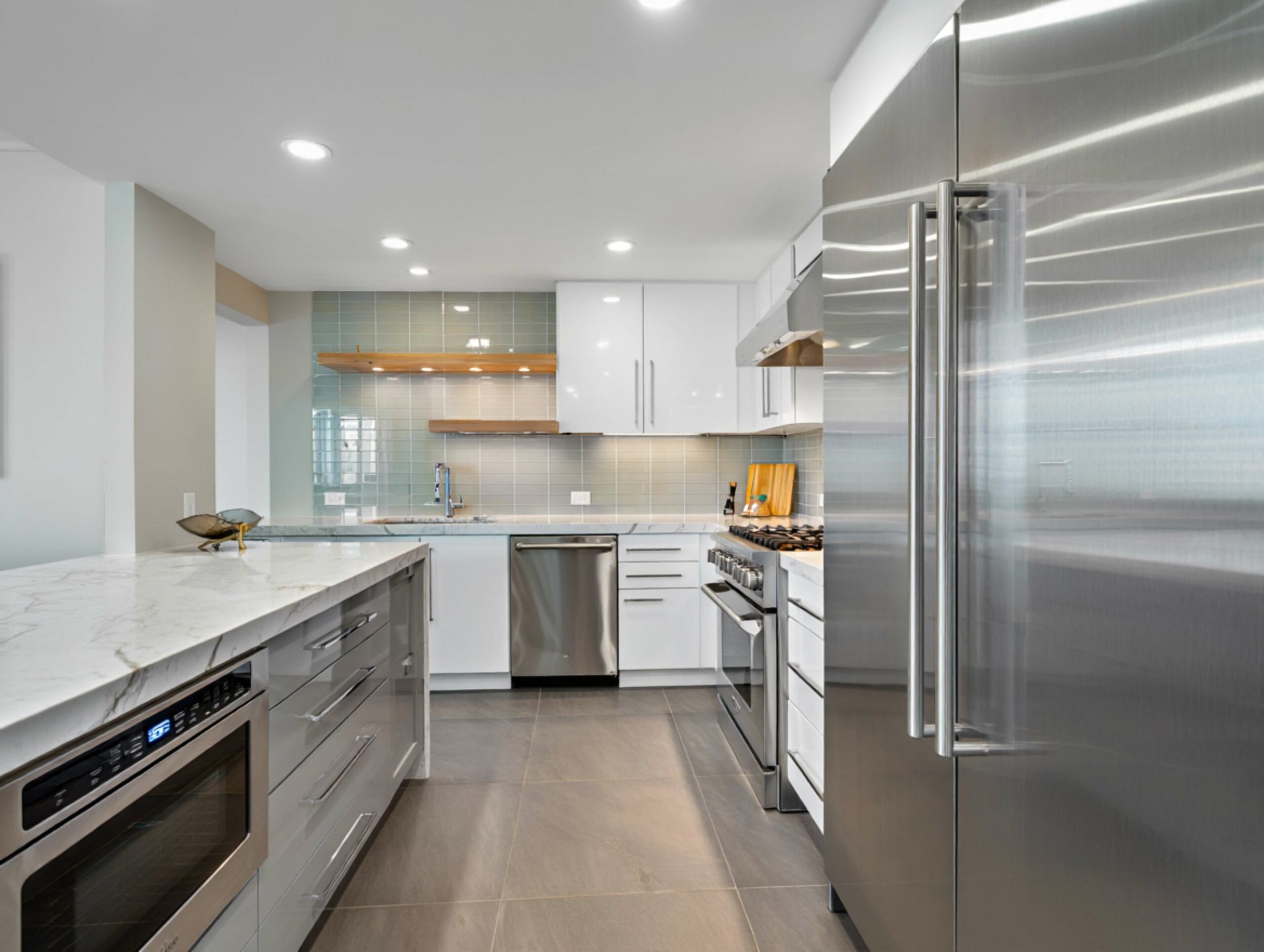
What Is Appliance Paint and Why Are Homeowners Talking About It?
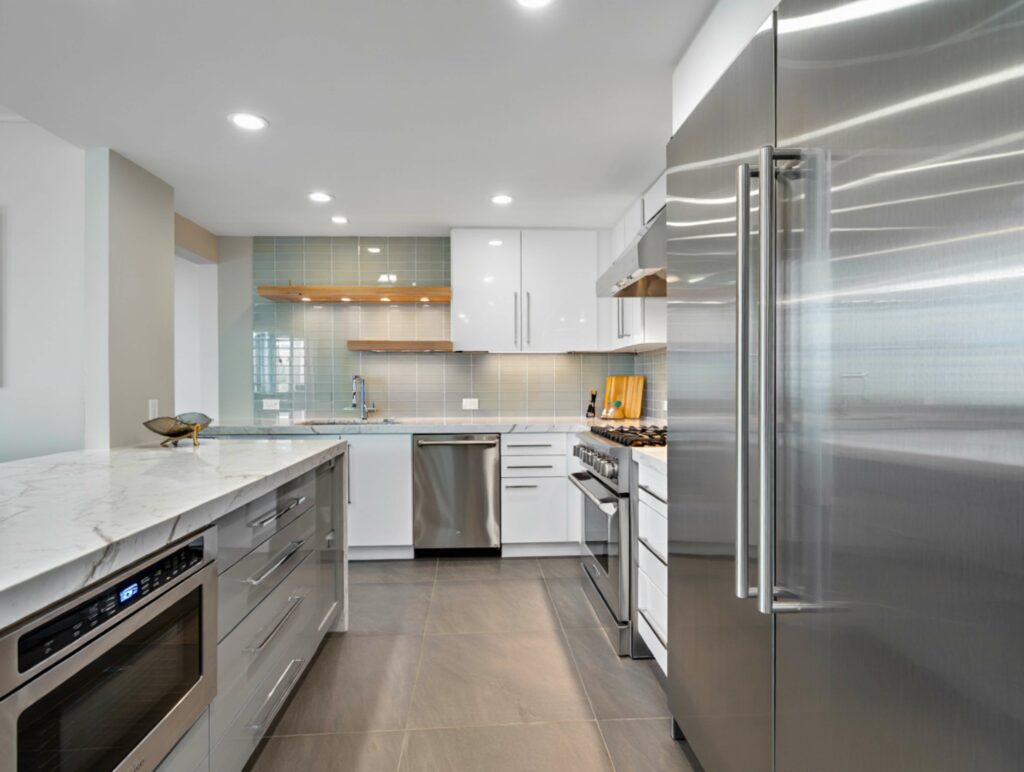
If you have ever looked at your refrigerator or dishwasher and thought it looked tired, scratched, or just plain outdated, you are not alone. Appliance paint — specifically the kind formulated for stainless steel surfaces — has quietly become one of the more practical, budget-conscious solutions homeowners are exploring. It is not a replacement for a brand-new appliance, but it can do a surprisingly good job of refreshing the look of a kitchen without a full renovation budget. The concept is straightforward: specialized paint products are designed to adhere to metal and stainless steel surfaces, resist heat and moisture, and deliver a smooth, factory-like finish that blends with your existing décor. Before you pick up a can and get started, though, there is quite a bit worth understanding about how this works, what it does well, and where it falls short.
How Appliance Paint on Stainless Steel Actually Works
Stainless steel is notoriously difficult to coat. It has a smooth, non-porous surface that resists adhesion, which is exactly why it stays so clean in professional kitchens. That same quality makes it tricky to paint. Appliance paint formulated for stainless steel is engineered with bonding agents that grip the metal surface more aggressively than standard paints. Most products come in spray cans or brush-on formulas, and they typically include a primer component either built in or as a separate step. The paint itself is usually epoxy-based or alkyd-based, which helps it handle the heat generated by appliances and the humidity common in kitchens. The process generally involves cleaning the surface thoroughly, lightly scuffing the stainless steel with fine-grit sandpaper to improve adhesion, applying thin even coats, and allowing adequate cure time between applications. Done correctly, the result can look impressively close to a factory finish.
Common Uses for Stainless Steel Appliance Paint
Homeowners tend to reach for appliance paint in a few predictable situations. Sometimes it is cosmetic — a refrigerator door has a deep scratch, or a dishwasher front panel has discoloration from cleaning products. Other times, it is more of a design refresh — older appliances in black or white that do not match a newly renovated kitchen. Some homeowners use it to create a cohesive stainless steel look across appliances that were purchased at different times and have slightly different finishes. There are also cases where a landlord or homeowner preparing to sell wants to improve the appearance of appliances without the cost of replacement. In each of these scenarios, appliance paint offers a practical middle-ground option that can extend the visual life of a functional appliance.

The Real Advantages of Painting Your Stainless Steel Appliances
The appeal here is not hard to understand. Replacing a major appliance like a refrigerator or range can cost anywhere from several hundred to several thousand dollars. A quality can of appliance paint, by comparison, typically runs between ten and forty dollars. For homeowners managing tight budgets or simply trying to avoid unnecessary waste, that is a meaningful difference. Beyond cost, appliance paint is also relatively accessible — most home improvement stores carry multiple product options. The process itself does not require professional skills, though attention to detail makes a significant difference in results. There is also something to be said for sustainability. Extending the useful life of a functioning appliance, even just aesthetically, keeps it out of a landfill longer. That matters to a growing number of homeowners who think about their purchasing decisions in a broader context.
Key Advantages at a Glance
- Significantly lower cost compared to appliance replacement
- Available in multiple finishes including matte, gloss, and stainless steel effect
- Formulated to resist heat, moisture, and everyday kitchen wear
- Extends the aesthetic life of a fully functional appliance
- Accessible to DIY homeowners without professional equipment
- Environmentally friendlier than premature appliance disposal
The Drawbacks You Should Know Before Starting
No home improvement solution is without its complications, and appliance paint is no exception. The biggest challenge is surface preparation. Stainless steel that has not been properly cleaned and lightly abraded will cause the paint to peel or bubble within weeks. Adhesion failure is the most common complaint among homeowners who rush this step. Beyond preparation, the finished result — even when done well — is not truly stainless steel. It is paint that resembles stainless steel, and under direct light or close inspection, the difference can be visible. The durability of the finish is also worth managing expectations around. High-contact areas like refrigerator handles and dishwasher controls will show wear faster than lower-traffic surfaces. Touch-ups are possible but can be difficult to blend seamlessly over time. And finally, some appliance manufacturers note that painting over surfaces could affect warranty coverage, which is a detail worth checking before you begin.
Common Drawbacks Worth Considering
- Requires meticulous surface prep for lasting adhesion
- Does not perfectly replicate true stainless steel texture or sheen
- High-contact areas wear faster and may require periodic touch-ups
- Can potentially void or complicate existing appliance manufacturer warranties
- Fumes from spray formulas require proper ventilation and safety precautions
- Results vary significantly based on application skill and conditions
Tips for Getting the Best Results With Appliance Paint
If you decide to move forward, a few practical habits separate a professional-looking result from a frustrating one. Start with a genuinely clean surface — degrease with a dedicated cleaner and wipe down twice. Use fine-grit sandpaper, around 400 grit, to scuff the surface just enough to give the paint something to hold. Apply paint in thin coats rather than one heavy application; patience here is not optional, it is essential. Work in a well-ventilated area and pay attention to temperature and humidity, both of which affect how the paint cures. Allow full cure time before using the appliance normally — most products recommend 24 to 72 hours. If you are using a spray formula, practice your technique on cardboard first to get a feel for the nozzle and distance. And keep a small amount of leftover paint for inevitable future touch-ups.
How This Connects to Protecting Your Appliances Long-Term
Painting your appliances is a smart cosmetic move, but it is worth remembering that the inside of those machines matters just as much as the outside. A refrigerator that looks freshly refinished but has a failing compressor, or a dishwasher with a fresh coat of paint but a leaking pump — that is a different kind of problem entirely. Functional appliance health and visual condition are two separate things, and homeowners who invest in one should think about the other. This is exactly where a home warranty becomes relevant. Appliance paint addresses what you see. A home warranty addresses what you do not — the mechanical and electrical components that keep your appliances running day to day.
Why Armadillo Is the Right Partner for Appliance Protection
You have put real thought into how your home looks and functions, and that kind of care deserves equally thoughtful coverage behind it. If you are the type of homeowner who takes the time to refinish a stainless steel appliance rather than toss it, you already understand the value of protecting what you have. That mindset is exactly what Armadillo home warranty coverage for appliances and home systems was built around. Armadillo offers transparent, no-nonsense plans that cover the mechanical components of your most important appliances — the parts that paint cannot fix and replacement budgets do not always accommodate. Whether it is your refrigerator compressor, your dishwasher motor, or your range’s ignition system, having a plan in place before something breaks is always the smarter move. Take a few minutes to get a free home warranty quote that covers your major kitchen appliances and see what protecting the functional side of your home actually costs — you may be pleasantly surprised.

Frequently Asked Questions About Appliance Paint and Stainless Steel
Answers to the most common questions homeowners have about painting stainless steel appliances and protecting them long-term.
Can you really paint stainless steel appliances to look new?
Yes, with proper preparation and the right product, appliance paint can meaningfully refresh the appearance of stainless steel. The result will not be identical to factory stainless steel, but it can look clean, updated, and consistent when applied correctly.
What kind of paint is best for stainless steel appliances?
Epoxy-based or alkyd-based appliance paints formulated specifically for metal surfaces perform best. These products are designed to bond with non-porous surfaces and resist heat and moisture, which are critical requirements in a kitchen environment.
Do I need to sand stainless steel before painting it?
Yes. Lightly sanding the surface with fine-grit sandpaper, around 400 grit, creates microscopic texture that helps the paint adhere. Skipping this step is one of the most common reasons paint peels or fails prematurely.
Will appliance paint void my appliance warranty?
It depends on the manufacturer. Some appliance warranties are limited to mechanical defects and are not affected by cosmetic changes, while others may include language about unauthorized modifications. It is worth reviewing your warranty documentation or contacting the manufacturer before painting.
How long does appliance paint last on stainless steel?
When properly applied, appliance paint can last several years on lower-contact surfaces. High-traffic areas like handles and control panels tend to show wear sooner. Regular touch-ups can extend the overall appearance of the finish.
Can appliance paint be used on the inside of appliances?
Most appliance paints are formulated for exterior surfaces only. Interior surfaces that contact food or are exposed to extreme heat require specialized coatings, and this type of application is generally not recommended without explicit product guidance.
Is appliance paint safe to use indoors?
Spray formulas in particular contain fumes that require adequate ventilation. Working with windows open, fans running, and wearing appropriate respiratory protection is strongly recommended. Brush-on formulas tend to have lower fume levels but still require ventilation during application and curing.
Does a home warranty cover appliances that have been painted?
Home warranties generally cover the mechanical and electrical components of appliances regardless of cosmetic condition. The paint on the exterior of an appliance typically does not affect coverage for internal failures. However, coverage terms vary by provider, so reviewing your specific plan details is always a good practice.
What is the best way to fix peeling appliance paint?
Remove the peeling paint completely in the affected area, re-sand the surface, clean it thoroughly, and reapply thin coats. Attempting to paint directly over peeling sections rarely produces a satisfactory result and usually leads to the problem spreading.
Is it worth painting appliances instead of replacing them?
If the appliance is functioning well and the issue is purely cosmetic, painting is almost always the more cost-effective choice. The savings compared to appliance replacement can be substantial, and a careful application can extend the visual appeal of the appliance for years.