What Is an Appliance Pan and Why Does Your Home Need One?
There are certain home components that rarely get any attention until something goes wrong. The appliance pan is one of them. Tucked beneath water heaters, washing machines, and HVAC equipment, these unassuming trays do a quiet but important job: catching water before it becomes a serious problem. If you have never thought much about appliance pans, that is actually fine — they are designed to work without demanding your attention. But understanding what they are, how they function, and what their limits are can save you from a very unpleasant and expensive surprise down the road.
What Exactly Is an Appliance Pan?
An appliance pan — sometimes called a drain pan or overflow pan — is a shallow, tray-like basin installed directly beneath water-using appliances. You will most commonly find them under water heaters, washing machines, refrigerators with ice makers, and air conditioning air handlers. They are typically made from galvanized steel, stainless steel, or heavy-duty plastic, and they are designed to contain minor leaks, condensation, and overflow before water has the chance to reach your flooring, subfloor, or the rooms below. Some pans come equipped with a drain line that routes water out of the home entirely. Others are simply passive collection devices that hold water until it evaporates or until you notice and address the issue manually.
How Does an Appliance Pan Work?
The mechanics here are refreshingly simple. The pan sits directly under the appliance — level and secure — creating a secondary containment zone. When a small leak develops in a water line connection, a valve, or the appliance tank itself, the escaping water falls into the pan rather than spreading across your floor. In installations where a drain line has been connected to the pan, that collected water is redirected to a floor drain or plumbing standpipe and exits the home. In more advanced setups, a float switch or water sensor can be installed in the pan to trigger a shut-off valve or alert you via a home monitoring system when water is detected. That last layer of protection is increasingly popular and genuinely worth considering, especially if the appliance is in a finished basement or on an upper floor.
Common Appliances That Use Drain Pans
- Water heaters — required by most building codes in living areas and finished spaces
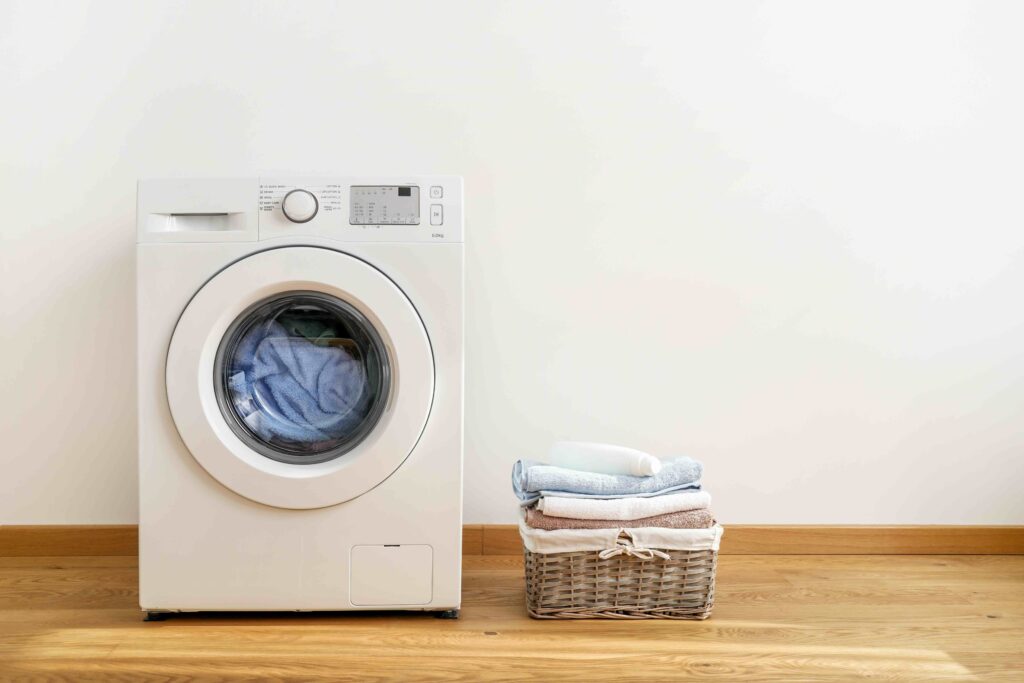
- Washing machines — particularly front-loaders, which tend to develop door seal leaks over time
- Refrigerators with ice makers or water dispensers
- HVAC air handlers and indoor evaporator coils, which produce condensation during normal operation
- Dishwashers in some installations, especially older units
Each of these appliances interacts with water in some capacity, either by storing it, moving it, or producing it as a byproduct. That means each carries a real risk of unintended water release, and a properly sized pan beneath any one of them is a sensible precaution.
Key Advantages of Appliance Pans
The benefits of appliance pans are easy to overlook because they are mostly invisible — until you actually need one. First and most obviously, they protect your flooring and structural components from water damage. A slow leak that goes unnoticed for even a few days can warp hardwood floors, saturate subflooring, and create conditions favorable to mold growth. A pan interrupts that process early. Second, they can preserve your home warranty and homeowners insurance claims by demonstrating that reasonable preventative measures were in place. Third, in the case of water heaters specifically, many local building codes actually require an installed pan — meaning this is not purely optional in a lot of jurisdictions. Having one already in place keeps you compliant and keeps your home safer during an inspection or sale.
The Drawbacks You Should Know About
Appliance pans are not a complete solution, and it would be misleading to present them as one. A catastrophic appliance failure — think a burst water heater tank or a washing machine hose that fully separates — will overwhelm any standard pan almost immediately. Pans are built for containment of minor leaks, not major floods. Additionally, pans without drain lines can fill up if a slow leak persists long enough, and if you do not check them regularly, the standing water itself becomes a problem. There is also the issue of corrosion: metal pans, particularly older galvanized ones, can rust over time and develop holes — which means the very thing meant to catch water starts leaking itself. Plastic pans can crack with age or if heavy appliances shift even slightly. None of this makes the pan a bad idea — it makes regular inspection a necessary habit.

How to Inspect and Maintain Your Appliance Pans
Routine inspection is genuinely straightforward. Every few months — or at minimum, once a year — pull out the pan if it is accessible, check for rust, cracks, or standing water, and clear any debris that has collected. If your pan has a drain line, make sure it is not clogged or kinked. Run a little water into the pan and confirm that it drains properly. For pans under water heaters or HVAC units that are harder to access, a visual inspection with a flashlight is usually sufficient to catch obvious issues. If you notice rust staining, soft spots on the pan surface, or any sign that the pan has held standing water, replace it. Replacement pans are widely available at hardware stores and are not expensive — typically between fifteen and sixty dollars depending on material and size.
When Should You Upgrade or Add a Pan?
If your home was built before modern building codes made appliance pans standard practice, there is a reasonable chance some of your appliances are sitting directly on the floor without any secondary containment. This is worth addressing proactively. Similarly, if you are replacing a major appliance — a water heater, washing machine, or HVAC air handler — that is an ideal time to inspect the existing pan or install a new one as part of the project. Upgrading to a pan with a connected drain line and an integrated float switch adds meaningful protection without a significant cost increase, and it is the kind of improvement that experienced homeowners genuinely appreciate once they have dealt with one leak.
Appliance Pans and Home Warranty Coverage
Here is something worth understanding: home warranties typically cover the repair or replacement of appliances and systems when they fail due to normal wear and tear. However, the water damage that results from an appliance failure is generally a homeowners insurance matter, not a home warranty matter. That distinction matters because it means you want both protections working in parallel. The appliance pan sits at the intersection of these two worlds — it helps limit the water damage that your insurance would need to address while also signaling to reviewers that the home was maintained responsibly. In some cases, documented preventative measures like functioning drain pans can support a smoother claims process on both sides.
Why Armadillo Is the Right Partner When Appliances Fail
An appliance pan is one layer of protection. A home warranty from Armadillo, a modern home warranty built for homeowners who want straightforward coverage, is another — and together they represent a genuinely smart approach to protecting your home. When your water heater develops a fault, when your washing machine stops mid-cycle, or when your HVAC system struggles through a summer heat wave, the last thing you want is to scramble for a technician and face an unknown repair bill. Armadillo covers the systems and appliances that matter most, with transparent terms and a claims process that does not feel like a second job. If you are ready to stop guessing what would happen if something broke tomorrow, take two minutes and get a personalized home warranty quote that covers your appliances and home systems — it is a fast, straightforward process that might just change how you think about home protection.

Frequently Asked Questions About Appliance Pans
Below are answers to the questions homeowners ask most frequently about appliance pans, how they work, and what you should expect from them.
What is the purpose of an appliance pan?
An appliance pan is a containment tray installed beneath water-using appliances to catch minor leaks, drips, and condensation before they can damage flooring, subflooring, or structural components of the home.
Is an appliance pan required by building code?
In many jurisdictions, drain pans are required by code beneath water heaters installed in living spaces, finished areas, or anywhere that a leak could cause structural damage. Requirements vary by location, so checking with your local building authority or a licensed plumber is advisable.
Do appliance pans need a drain line?
Not all pans require a drain line, but connecting one significantly improves the pan’s effectiveness. Without a drain, collected water simply sits in the pan until it evaporates or is manually removed, which creates a risk of overflow if the leak persists.
How often should I inspect my appliance pans?
A visual inspection every three to six months is a reasonable practice. Look for standing water, rust, cracks, and any signs that the pan has been collecting moisture without your knowledge.
What size appliance pan do I need?
The pan must be large enough to extend beyond the footprint of the appliance it is protecting. Manufacturers typically recommend at least one to two inches of clearance on all sides, and the pan depth should be sufficient to hold a meaningful amount of water — generally two to three inches minimum.
Can I install an appliance pan myself?
For most washing machines and refrigerators, a DIY installation is manageable. Water heater pan installation often involves disconnecting and reconnecting the unit, which is better handled by a licensed plumber, particularly if gas lines are involved.
Does a home warranty cover damage caused by a leaking appliance?
Home warranties generally cover the cost of repairing or replacing the failed appliance itself. Water damage to flooring or surrounding structures is typically a homeowners insurance matter rather than a home warranty claim.
What material is best for an appliance pan?
Plastic pans are lightweight and resistant to corrosion, making them a popular choice for most residential applications. Galvanized steel pans are durable but can rust over time. Stainless steel offers the best combination of durability and corrosion resistance, though at a higher price point.
Can a pan overflow if the leak is large enough?
Yes. Appliance pans are designed to handle minor and slow leaks, not catastrophic failures. A burst pipe or fully ruptured water heater tank will quickly exceed the capacity of any standard pan, which is why additional protections like automatic shut-off valves and water sensors are worth considering.
How do I know if my appliance pan is failing?
Signs of a failing pan include visible rust or corrosion, cracks along the base or sides, discoloration from prolonged moisture exposure, and any soft or warped areas on the pan surface. If any of these are present, replacing the pan promptly is the right move.