What You Need to Know About Putting Eggshells in the Garbage Disposal
Homeowners, especially those who enjoy cooking, often find themselves asking what can and can’t go into the garbage disposal. Somewhere near the top of this list: eggshells. Are they the harmless kitchen scraps people assume, or should you never let them near your disposal? The debate around eggshells and plumbing has been going on for decades, with plenty of conflicting advice. In this article, we’ll dig into whether placing eggshells in your disposal is safe, how garbage disposals work, what happens when they fail, and what homeowners can do to protect their kitchen and plumbing systems—including how a home warranty can help.
Understanding the Garbage Disposal System
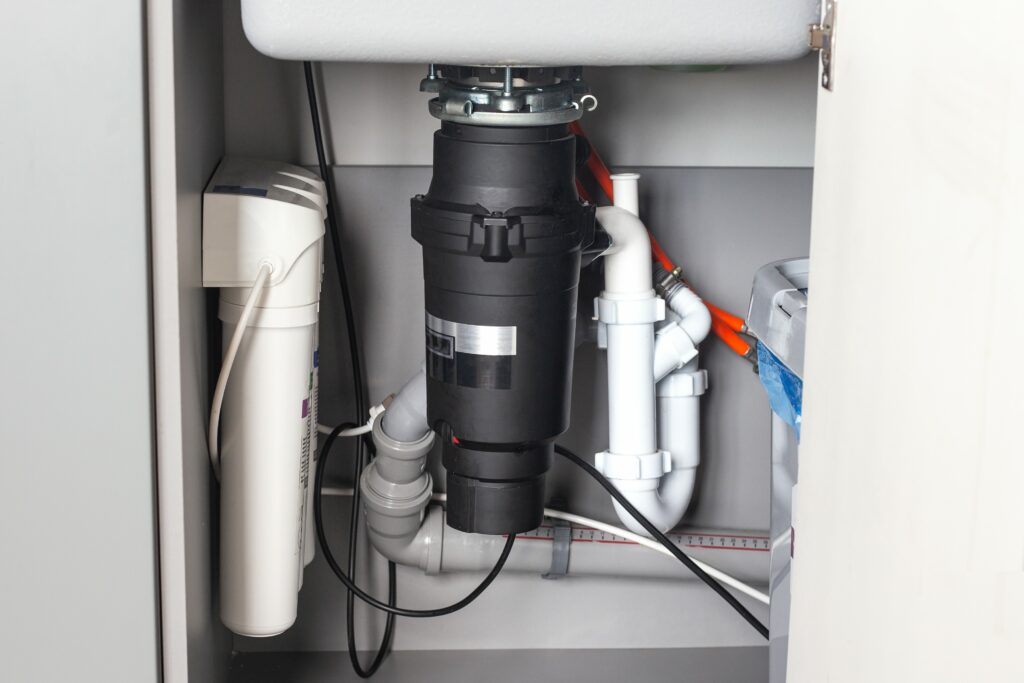
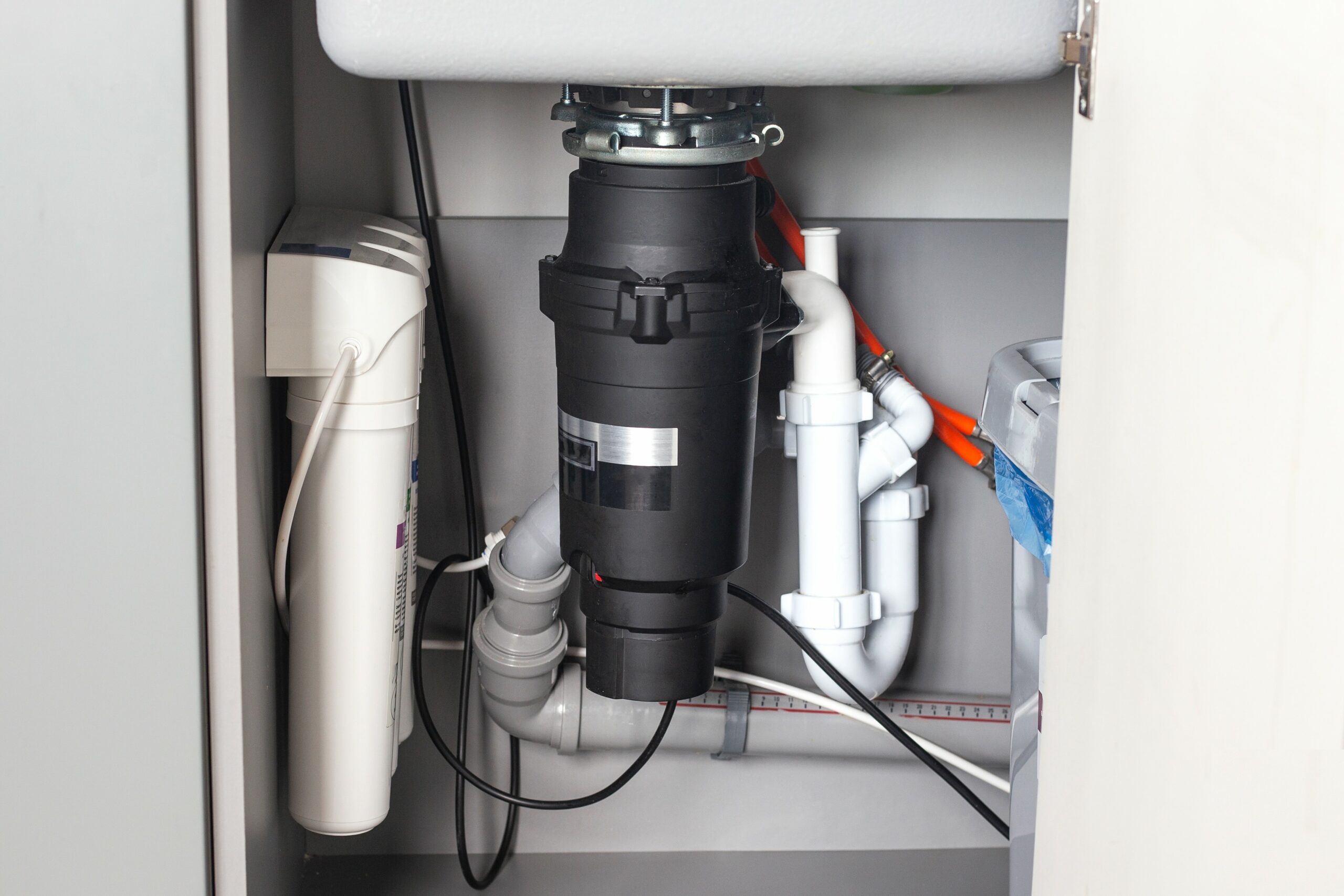
The garbage disposal is a deceptively complex home appliance. Sitting between your sink drain and the plumbing system, it’s designed to grind food waste into small particles that can flush safely through your pipes. But it’s not a blender. Instead of sharp blades, modern disposals use spinning impellers to push food against a stationary grind ring. This crushes and grinds waste into bits tiny enough to flow down your pipes with water. It’s designed for convenience, yes, but it has limits—and homeowners push those limits often without realizing it.
Should Eggshells Go Down Your Garbage Disposal?
Eggshells feel like they should be fine. They’re biodegradable. They’re small. People often assume they can help “sharpen” disposal blades (a myth, by the way). But the reality is more complicated. While a single eggshell likely won’t ruin your disposal, repeated use can clog drain lines. The thin inner membrane of the shell can wrap around the grinding components, potentially gumming up the motor. And the crushed shell itself, with its gritty texture, doesn’t always break down completely. Over time, those fragments accumulate in the pipes, especially if your plumbing isn’t flush with consistent water flow. The bottom line? Habitually tossing eggshells in the disposal can lead to buildup and, eventually, blockages or motor strain.
How Much Damage Can Eggshells Actually Cause?
If you’ve thrown the occasional eggshell down the drain—don’t panic. The issue is less about isolated events and more about repeated patterns. Eggshells break apart into small, gritty particles that may clump together with grease or soap residue inside your pipes. Over time, this can reduce flow and increase pressure in your system, leading to leaks or even pipe bursts. More importantly, if the disposal unit’s motor has to work harder to process rigid or fibrous materials regularly, it shortens its lifespan. It’s also worth noting that plumbing issues stemming from garbage disposal misuse are one of the most common causes of service calls among homeowners, often leading to unexpected repair expenses if the issue stems from improper use.
Advantages of Using Your Garbage Disposal Wisely
Used correctly, a garbage disposal can be one of the most underrated appliances in your kitchen. It saves time, reduces household food waste, and keeps your trash bins from quickly becoming overloaded or smelly. It’s particularly useful for small food scraps, soft vegetable peels, or liquids—items that naturally break down as they pass through your kitchen’s piping and septic or sewer system. When maintained correctly, a disposal also limits the amount of organic waste heading to landfills, helping reduce your home’s ecological footprint. The key is knowing what the unit is made to handle and what you should toss into the trash—or compost—pile instead.
Drawbacks of Improper Disposal Use
Issues with garbage disposals can escalate faster than many homeowners plan for. They might start with a strange sound or a stubborn drain, but left unresolved, problems can lead to total system failure. Motor burnout, impeller damage, and clogged pipes may result not just in expensive plumbing bills but in significant kitchen downtime. Worse yet, repairs stemming from misuse are often not covered by appliance warranties—or even some home warranties—if the failure results from non-recommended use. Eggshells, potato peels, coffee grounds, and fats are all items frequently cited by plumbers as leading causes of clogs. By the time that grinding noise is followed by silence, you’re deep into a repair situation that could have been avoided with better habits or coverage.
Signs Your Garbage Disposal May Be Failing
Garbage disposals don’t typically fail overnight. Homeowners should watch for early warning signs that something isn’t functioning as it should. This includes persistent odors even after cleaning, consistent clogging of the drain, slow draining water, grinding noises that don’t resolve, humming without rotation, or leaks under the sink. Any of these symptoms should be inspected promptly—ideally before they develop into costly issues. Routine cleaning, flushing with cold water after each use, and annual professional check-ups can prevent damage. If multiple signs appear within a short period, replacement may be necessary, especially if the unit is beyond its typical 8 to 12-year lifespan.
Choosing Smart Protection with Armadillo Home Warranty
A malfunctioning garbage disposal isn’t just inconvenient—it can disrupt your kitchen routine and lead to surprise expenses. That’s where strategic protection comes in. With a home warranty plan from Armadillo, you gain peace of mind knowing that covered home systems and appliances, including many plumbing components, can be repaired or replaced without facing unexpected costs. Armadillo simplifies homeownership with personalized plans, an easy-to-use claims process, and responsive service when something goes wrong. If you’re mindful about how you use appliances like the garbage disposal—but also realistic enough to know that wear and tear happen—then a home warranty makes sense. Learn more at Armadillo’s homepage and get started on selecting a plan built for your home’s needs with our Plan Builder. Being proactive today means fewer worries tomorrow—from eggshells to entire plumbing systems.