What Is an Attic Ladder Step and Why Does It Matter More Than You Think
Most homeowners never give their attic ladder a second thought — until someone misses a step. The attic ladder is one of those home features that quietly does its job until it suddenly, very loudly, does not. Replacing worn or damaged steps on an attic ladder might seem like a minor task, but it touches on safety, structural integrity, and home value in ways that are easy to underestimate. Whether you are accessing holiday decorations twice a year or using your attic for regular storage retrieval, the condition of those steps matters every single time someone climbs them.
How Attic Ladders Work and Where the Steps Come In
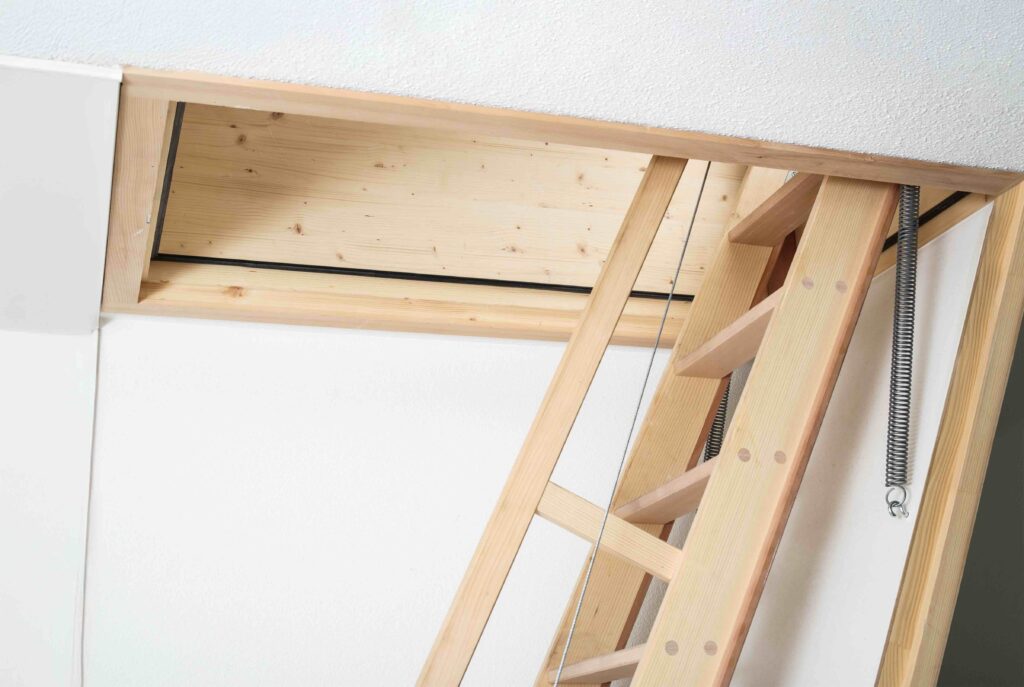
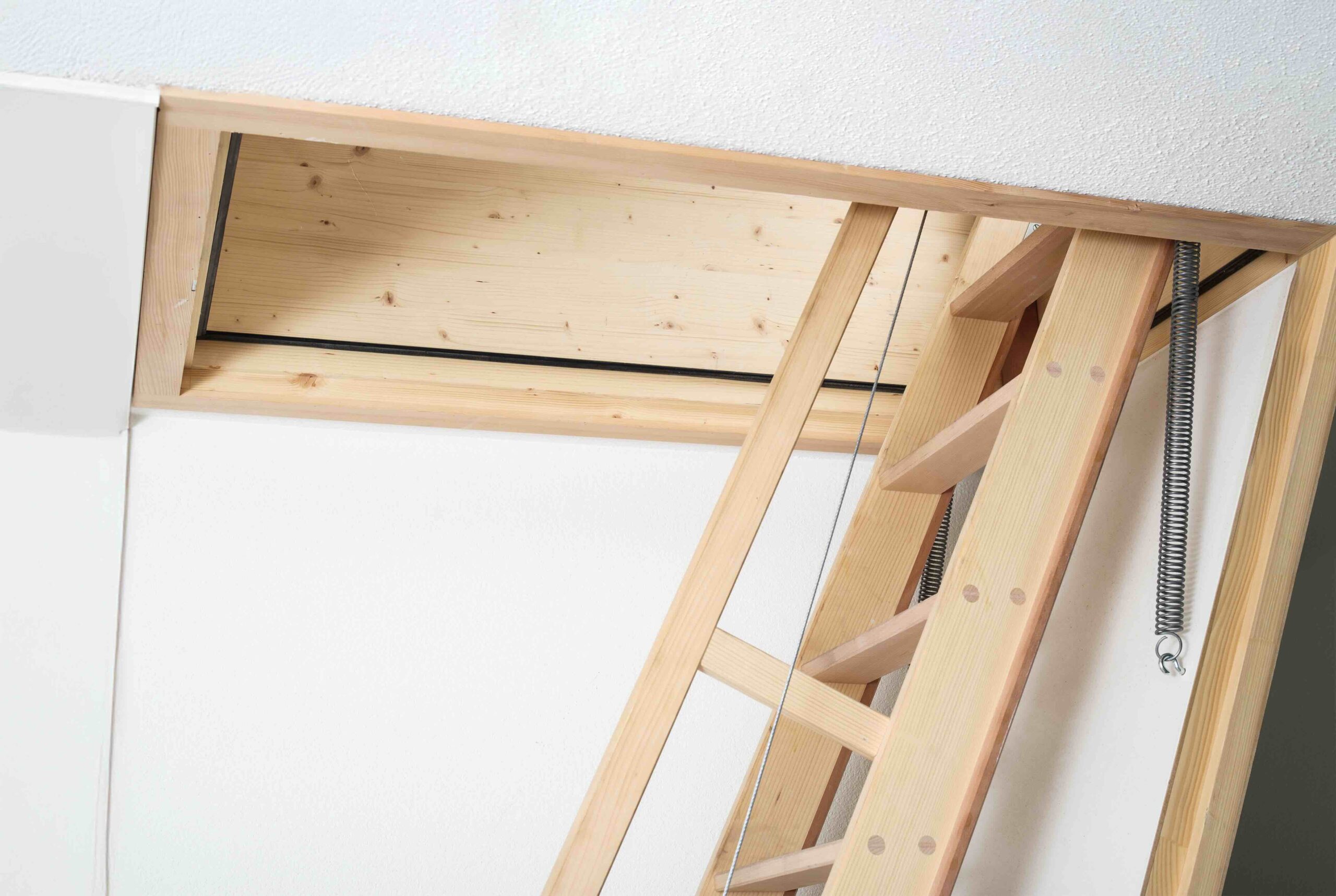
Attic ladders, also called attic stairs or pull-down ladders, are folding or telescoping stair systems installed in a ceiling hatch. When the hatch is pulled open, the ladder unfolds or extends down to floor level, providing access to the attic space above. Most residential attic ladders are made from wood, aluminum, or steel, and each type has its own set of step characteristics. The steps themselves are the horizontal rungs or treads you place your foot on as you climb. Over time, these steps are subjected to repeated weight-bearing stress, temperature fluctuations, and general wear. Wood steps can splinter, crack, or warp. Aluminum steps can bend or develop stress fractures. Any of these conditions can make a step unreliable, and an unreliable step is a safety hazard, plain and simple.
Signs That Your Attic Ladder Steps Need Replacing
The good news is that worn attic ladder steps give you plenty of warning before they fail completely. The key is knowing what to look for before a repair becomes an emergency. Here are the most common signs that step replacement is overdue:
- Visible cracks, splits, or splintering on wooden treads
- Steps that flex, wobble, or feel unstable underfoot
- Bent or warped aluminum or steel steps
- Missing bolts, screws, or fasteners that secure steps to the ladder rails
- Uneven spacing between steps due to shifting or frame distortion
- Squeaking, creaking, or grinding sounds when weight is applied
Any one of these signs is reason enough to take a closer look. Two or more together means the repair conversation should happen immediately, not after the next attic trip.
The Step-by-Step Process of Replacing Attic Ladder Steps
Attic ladder step replacement is a repair that falls somewhere between a manageable DIY project and a job that benefits from professional hands, depending on the ladder type and the extent of the damage. For wooden attic ladders, replacement steps are often available through the original manufacturer or as universal-fit hardware from home improvement retailers. The process typically involves removing the old step by unscrewing the fasteners connecting it to the side rails, cutting a new step to the correct length if needed, and securing it with appropriate hardware. Aluminum and steel ladder steps are sometimes more complicated because they may require the same model-specific parts rather than generic replacements. In either case, it is critical that the replacement step matches the load rating of the original — this is not the moment to substitute materials or guess at specifications.
Key Advantages of Replacing Attic Ladder Steps Promptly
There is a strong case to be made for addressing this repair sooner rather than later, and it goes well beyond the obvious safety argument. Replacing damaged attic ladder steps promptly offers a range of practical benefits that compound over time. First, it extends the overall life of the attic ladder. A ladder with one compromised step puts additional stress on the surrounding components, accelerating wear across the system. Second, timely step replacement is significantly less expensive than replacing the entire ladder unit. Full attic ladder replacement can run several hundred to over a thousand dollars installed, while individual step replacement is often a fraction of that cost. Third, it maintains the structural warranty or manufacturer guarantee on the ladder itself, which can sometimes be voided by continued use of a damaged component. And fourth — this one tends to surprise people — it can affect a home inspection outcome. Inspectors note ladder defects, and that notation can influence buyer negotiations during a home sale.
Common Drawbacks and Challenges to Be Aware Of
Attic ladder step replacement is not without its complications. One of the most common frustrations homeowners encounter is sourcing the correct replacement parts. Attic ladders come in a wide range of models, brands, and configurations, and not all manufacturers make their replacement parts readily available at major retailers. Older or discontinued ladder models can make part sourcing genuinely difficult, sometimes requiring custom fabrication or a full unit replacement instead. Another challenge is ladder access itself — working at height on a partially disassembled ladder requires care and ideally a second person present for safety. There is also the matter of correctly torquing fasteners, which affects step stability in ways that are not immediately obvious but become apparent under load. Undertightening leaves steps unstable; overtightening can strip the hardware or crack wooden components.

DIY vs. Professional Repair: How to Decide
The honest answer is that it depends on a few variables. If you are comfortable working at height, have basic carpentry skills, and can confidently source the correct replacement step, a DIY approach is entirely reasonable for wood attic ladders with minor damage. If the ladder is aluminum or steel, if multiple steps are compromised, or if the damage extends to the ladder rails or hinge hardware, professional repair is the smarter call. A licensed handyman or carpenter familiar with attic ladder systems can typically complete step replacement in under two hours, and the labor cost is well worth avoiding a misrepair that creates ongoing safety risk. When in doubt, get a professional opinion first — many contractors will assess the situation at low or no cost before committing to a repair quote.
What This Repair Typically Costs
Cost transparency matters, so here is a realistic breakdown. Individual replacement steps for wood attic ladders typically range from ten to thirty dollars per step, depending on dimensions and material grade. Hardware, including bolts, carriage screws, and washers, adds a small amount on top of that. Professional labor for step replacement generally falls between seventy-five and one hundred fifty dollars per hour, with most single-step replacements completing well within one hour. If multiple steps need replacement or the repair uncovers underlying damage to the ladder frame, costs increase accordingly. Full ladder replacement, when that becomes necessary, typically costs between two hundred fifty and six hundred dollars for the unit, plus installation labor. These numbers vary by region, labor market, and ladder specification, but they serve as a useful starting point for budgeting purposes.
How Home Warranties Relate to Attic Ladder Step Repair
This is where things get interesting from a home warranty perspective. Standard home warranty plans typically cover built-in home systems and appliances — think HVAC, plumbing, electrical, and kitchen appliances. Attic ladders occupy a gray zone. Some home warranty providers classify them as structural components, which may or may not fall within the scope of a given plan. Others treat them as built-in home fixtures, which can trigger coverage depending on plan language. The key takeaway for homeowners is this: coverage details vary significantly between providers and plan tiers, and the only way to know what your specific plan covers is to read the contract carefully or speak directly with a warranty representative. That said, when an attic ladder step failure is connected to a covered system — such as damage caused by a water intrusion event affecting the surrounding ceiling structure — there may be a path to coverage that homeowners would otherwise overlook.
Why Armadillo Is Worth a Serious Look for Attic and Whole-Home Protection
Here is the thing about home repairs: they rarely travel alone. A damaged attic ladder step might get you thinking about what else up there has been ignored, and that is actually a healthy instinct. Home systems have a way of aging together, and the moment one thing surfaces, others are not far behind. That is exactly the kind of scenario where having a reliable home warranty in place changes everything. Armadillo home warranty plans for whole-home repair protection are built with real homeowners in mind — straightforward coverage, no runaround, and a process that does not make you feel like you need a legal degree to file a claim. If the idea of unexpected repair costs showing up without warning sounds familiar, it is worth taking five minutes to see what a plan actually looks like. Get a free home warranty quote for attic and home system coverage and find out how affordable that peace of mind can actually be. Armadillo makes it simple to understand what is covered, what is not, and why the distinction matters before a repair lands on your doorstep uninvited.

Frequently Asked Questions About Attic Ladder Step Replacement
Answers to the questions homeowners ask most often about attic ladder step repair, costs, and coverage.
How do I know if my attic ladder steps need to be replaced or if I need a whole new ladder?
If only one or two steps are damaged and the ladder rails, hinges, and frame are structurally sound, step replacement is usually sufficient. If the ladder frame is bent, the hinges are failing, or multiple components are compromised, full replacement is likely more cost-effective and safer in the long run.
Can I replace attic ladder steps myself, or do I need a professional?
Wood attic ladder steps can reasonably be replaced as a DIY project if you have basic tools and are comfortable working at height. Aluminum and steel ladder steps often require model-specific parts and more precise installation, which typically benefits from professional assistance.
Where can I buy replacement steps for my attic ladder?
Start with the ladder manufacturer’s website, as many offer replacement parts directly. Major home improvement retailers also carry universal-fit replacement steps for common ladder sizes. If your ladder is older or discontinued, a local lumber yard or custom millwork shop may be able to fabricate a replacement wooden step.
How long does attic ladder step replacement take?
A single step replacement typically takes between thirty minutes and one hour for an experienced DIYer or professional. If multiple steps need replacing or sourcing parts requires extra time, plan for a longer project window.
Is attic ladder repair covered by a home warranty?
Coverage varies by provider and plan. Some home warranty plans include built-in home fixtures, which could encompass attic ladders, while others exclude them. Review your specific plan documents or contact your warranty provider directly to confirm what is and is not covered.
What load capacity should my replacement attic ladder steps meet?
Replacement steps should meet or exceed the load rating of the original ladder. Most residential attic ladders are rated for two hundred fifty to three hundred fifty pounds. Never substitute steps with a lower load rating than the original specification.
How often should attic ladder steps be inspected?
A visual inspection of attic ladder steps is recommended at least once per year, ideally before a season of heavy attic use such as before retrieving holiday items. Test each step for stability and look for visible wear, cracking, or loosened fasteners.
Can a damaged attic ladder step void my homeowner’s insurance?
A single damaged step is unlikely to void a policy on its own, but if an injury occurs as a result of a known defect that was not repaired, coverage for that incident could be disputed. Addressing known hazards promptly is always the prudent choice from both a safety and liability standpoint.
What is the average lifespan of an attic ladder?
A well-maintained attic ladder can last twenty-five to thirty years or more. Wood ladders are more susceptible to moisture and temperature-related deterioration, while aluminum models tend to hold up longer in variable conditions. Regular inspection and timely step replacement are the most effective ways to extend ladder lifespan.
Does replacing attic ladder steps add value to my home?
While step replacement alone is unlikely to increase appraised value, it does prevent a deduction during home inspections. A functional, safe attic ladder signals to buyers and inspectors that the home has been maintained with care, which supports overall property presentation during a sale.