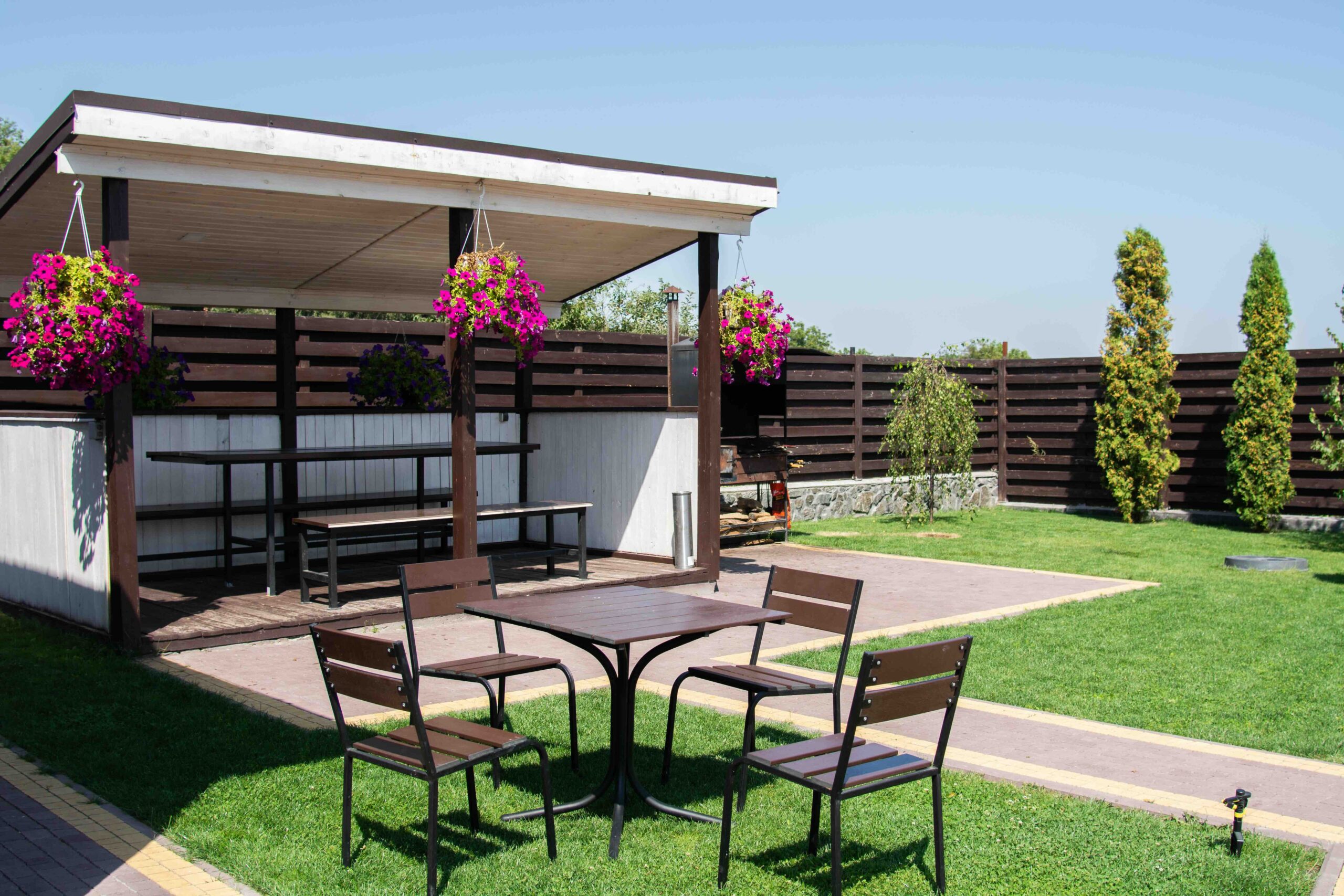
What Is a Backyard Canopy and Why Are Homeowners Obsessed With Them
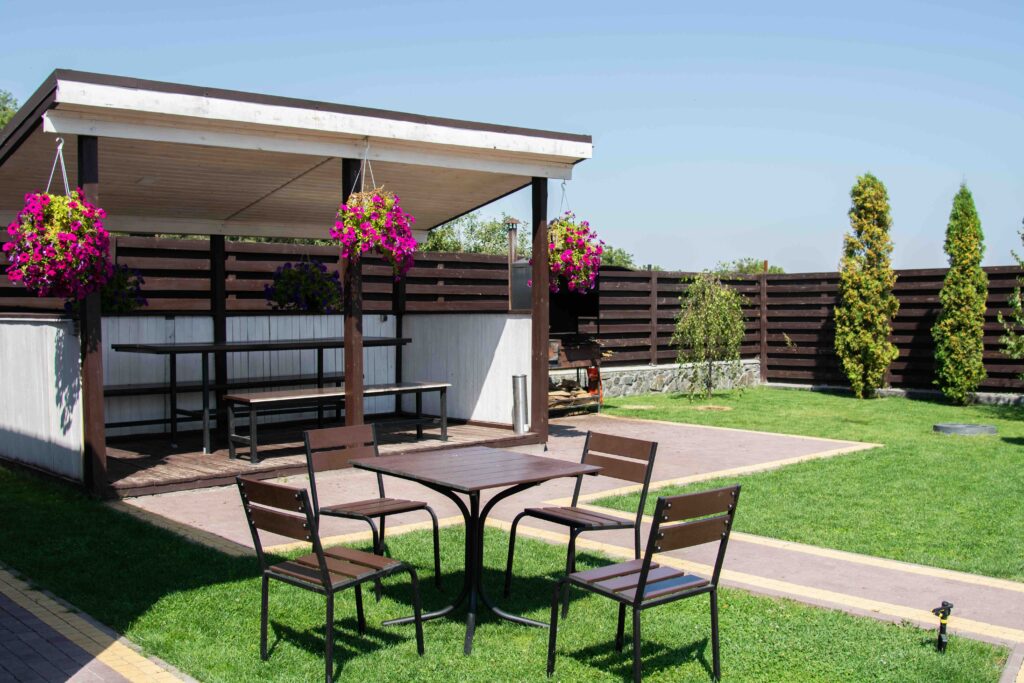
A backyard canopy is exactly what it sounds like — a structured or semi-structured overhead covering installed in an outdoor living space to provide shade, shelter, and a defined area for relaxing or entertaining. Think of it as the middle ground between a fully built pergola and a simple patio umbrella. Canopies come in a range of styles, from retractable fabric covers mounted to your home’s exterior wall to freestanding steel-frame structures anchored into the ground. They have exploded in popularity over the last several years, and honestly, it makes sense. People are spending more time at home, investing more in outdoor spaces, and the idea of having a comfortable shaded spot in the backyard without a full-scale construction project is appealing on just about every level.
How a Backyard Canopy Actually Works
The mechanics of a canopy depend entirely on the type you choose, but the core concept is consistent across all of them. A canopy intercepts direct sunlight and blocks it from hitting the area below, either through opaque fabric panels, shade cloth, polycarbonate panels, or woven materials. Most residential canopies are either freestanding structures supported by corner posts or wall-mounted systems that extend outward from the house using a retractable arm mechanism. Freestanding canopies are anchored using ground stakes, concrete footings, or weighted bases. Retractable canopies often use a motorized or manual crank system to extend and retract the shade cover as needed. Some modern versions include sensors that automatically retract the canopy during high winds, which is a genuinely useful feature that often gets overlooked during the shopping process.
The Main Types of Backyard Canopy Shade Structures
Not all canopies are created equal, and the differences between types are significant enough to matter when making a purchasing decision. Here is a breakdown of the most common options homeowners encounter:
- Freestanding pop-up canopies: Lightweight, portable, and easy to set up. These are best for temporary use during events and not ideal for permanent installation.
- Retractable awning canopies: Mounted to the home’s exterior wall, these extend outward to cover a deck or patio area. They can be motorized or manual.
- Shade sail canopies: Triangular or rectangular fabric panels anchored at multiple points to posts or structures. These provide a modern, architectural look.
- Pergola-style canopies: A hybrid between a pergola and a canopy, featuring a rigid frame with a fabric or polycarbonate top. These offer more permanence and durability.
- Gazebo canopies: Enclosed or semi-enclosed freestanding structures with a defined roof, often hexagonal or octagonal in shape.
Each type serves a different purpose, and the right choice depends on factors like yard size, climate, intended use, and how much permanence you want in the installation.
Key Advantages of Installing a Backyard Canopy
The benefits of a well-chosen backyard canopy go well beyond blocking sunlight. For starters, UV protection is a legitimate and measurable advantage. Quality shade fabrics are rated for their UV blocking capacity, and many block upward of 90 percent of harmful rays. That changes how you use your outdoor space, especially during peak afternoon hours when most people would otherwise avoid being outside. Beyond sun protection, canopies extend the functional hours of your outdoor living area, making it usable during light rain in some cases. They also define a visual zone in the yard, giving patios and decks a more intentional, finished appearance. From a property perspective, a permanent or semi-permanent canopy installation can improve the perceived value of a home’s outdoor entertaining space, which matters to buyers when it comes time to sell.
Common Drawbacks and Limitations to Consider
No home improvement is without its trade-offs, and backyard canopies are no exception. Wind is the most common adversary. Fabric canopies, especially freestanding ones, are vulnerable to damage during high-wind events. Even canopies marketed as wind-resistant have thresholds, and exceeding those thresholds can result in torn fabric, bent frames, or canopies that become projectiles. Permanent installations require maintenance — fabric coverings fade, stretch, and deteriorate over time, and replacement canopy covers can be surprisingly expensive. Wall-mounted retractable systems involve hardware attached directly to your home’s exterior, which introduces the possibility of water infiltration if not installed correctly. Finally, very large canopy structures may require a building permit depending on your municipality, which adds both time and cost to the project.
Material Choices and What They Mean for Longevity
Material selection is one of the most consequential decisions in the canopy buying process. Frame materials range from powder-coated steel and aluminum to wood and vinyl. Steel is strong but can rust if the coating is compromised. Aluminum is lightweight, rust-resistant, and generally the better long-term option for most climates. Wood frames are visually appealing but require seasonal maintenance to prevent rot and weather damage. For fabric panels, solution-dyed acrylic fabrics are considered the gold standard — they resist fading, mildew, and moisture absorption far better than cheaper polyester alternatives. Polycarbonate panels are a solid choice for regions with heavy rainfall because they shed water completely rather than absorbing it, though they do transmit some heat and can yellow with prolonged UV exposure.
Installation Considerations Every Homeowner Should Know
Installation complexity varies significantly by canopy type. Pop-up and shade sail canopies are generally DIY-friendly for most homeowners. Retractable awning systems and pergola-style canopies are a different story. Mounting a retractable awning to an exterior wall requires locating structural framing, drilling into the home’s facade, and ensuring the anchoring hardware is rated for the load the awning creates. Improper installation of wall-mounted canopies is one of the more common sources of exterior wall damage that homeowners encounter. Freestanding structures with concrete footings require planning around underground utilities and local setback requirements. When in doubt — and this applies broadly to any home improvement project — bringing in a professional for at least the installation phase is money well spent.
Maintenance Tips to Extend the Life of Your Canopy
A backyard canopy that receives even minimal routine care will outlast one that is ignored by several years. Fabric panels should be cleaned at least twice per season using mild soap and water — never bleach, which degrades UV-resistant coatings. Retractable canopies should be fully retracted before high-wind events and during winter months in colder climates. Metal frames should be inspected annually for signs of rust, corrosion, or loose hardware. Shade sails should be re-tensioned periodically because fabric naturally stretches over time, and sagging panels collect water. If your canopy includes motorized components, those mechanisms benefit from occasional lubrication of moving parts and a check of the electrical connections, particularly before the start of each outdoor season.
How a Home Warranty Fits Into Your Backyard Canopy Investment
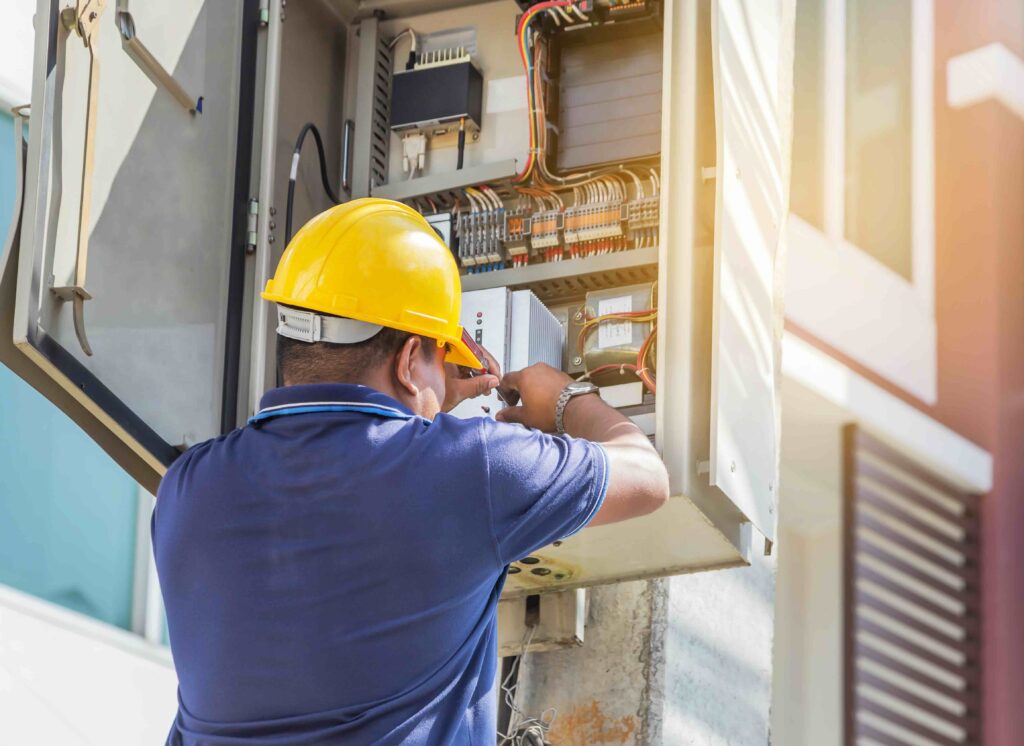
Here is where it gets practical. A backyard canopy is an investment in your outdoor living space, and like most home investments, it connects to larger systems in your home. Motorized retractable canopies, for instance, are powered by electrical components — motors, wiring, and sometimes smart home integrations. The outdoor electrical systems that power these features are exactly the kind of thing a comprehensive home warranty is designed to address. When an outdoor outlet stops working, a GFCI circuit trips and will not reset, or the wiring feeding your patio area develops a fault, that is a covered repair scenario under many home warranty plans. Thinking about your outdoor living upgrades in the context of the systems they connect to is a smarter approach to home protection overall.
That is where Armadillo home warranty plans for outdoor home systems and appliances come in. Armadillo offers straightforward, transparent coverage for the home systems that matter most — including the electrical infrastructure that powers everything from your kitchen to your backyard. If you have invested in a motorized canopy, outdoor lighting, or a powered patio setup, having coverage in place means one unexpected repair does not derail the entire outdoor living experience you worked to create. You can get a personalized home warranty quote for backyard and home system protection in minutes, and the process is straightforward enough that you will not need to block off an afternoon to figure it out.
Frequently Asked Questions About Backyard Canopy Shade Structures
What is the difference between a canopy and a pergola?
A pergola is a rigid, permanent structure typically built from wood or metal with an open or slatted roof, while a canopy refers to a fabric or panel covering that provides more complete shade. Canopies are generally more portable or retractable, whereas pergolas are fixed architectural features.
Do backyard canopies require a building permit?
It depends on your local municipality and the size of the structure. Permanent freestanding canopies with concrete footings are more likely to require a permit than temporary or freestanding weighted installations. Always check with your local planning department before installation.
How long does a backyard canopy typically last?
A quality canopy with proper maintenance can last anywhere from five to fifteen years. Fabric panels tend to degrade faster than frames and may need replacement every five to eight years depending on sun exposure and climate conditions.
Can a retractable canopy be left out during rain?
Many retractable canopies are water-resistant but not fully waterproof. Light rain is generally manageable, but prolonged heavy rain can cause sagging, pooling, and potential damage to both fabric and frame components. Retract the canopy during heavy storms when possible.
What size canopy do I need for my patio?
A general rule is to select a canopy that covers the primary seating or dining area with at least one to two feet of overhang on each side. Measure the area you want to shade and add buffer space to account for sun movement throughout the day.
Are motorized retractable canopies worth the extra cost?
For most homeowners who use their outdoor space regularly, yes. Motorized systems make deployment effortless and often include wind or sun sensors that automate retraction, which reduces wear and the risk of weather-related damage.
Can I install a backyard canopy myself?
Portable and shade sail canopies are generally DIY-friendly. Wall-mounted retractable systems and permanent freestanding structures with footings are more complex and benefit from professional installation to ensure structural integrity and avoid damage to the home’s exterior.
Does a backyard canopy add value to my home?
A well-installed, permanent or semi-permanent canopy can enhance the appeal of an outdoor entertaining area and contribute positively to a home’s marketability, though it is unlikely to add measurable appraised value in the same way an interior renovation might.
What fabric is best for a backyard canopy in a hot climate?
Solution-dyed acrylic fabric is widely considered the best option for hot, sunny climates. It resists UV degradation and fading far better than polyester alternatives and maintains its structural integrity through prolonged heat exposure.
Does a home warranty cover canopy-related damage or connected systems?
Home warranties typically do not cover the canopy structure itself, as it falls outside the scope of home systems and built-in appliances. However, electrical systems, outdoor wiring, and motorized components connected to your home’s infrastructure may be covered depending on the plan.