When the Basement Floods: Understanding Sump Pumps and Why Every Homeowner Needs One
Standing water in a basement is one of those moments that goes from minor annoyance to full-blown crisis faster than you would expect. Whether it crept in during a heavy rainstorm or showed up seemingly out of nowhere, a flooded basement is not just an inconvenience — it is a threat to your home’s structure, your belongings, and your peace of mind. The good news is that there is a system specifically designed to fight back against exactly this kind of water intrusion. It is called a sump pump, and if your home does not have one — or if the one you have is aging quietly in the corner — it is worth understanding what it does, how it works, and whether it is actually protecting you.
What Is a Sump Pump and What Does It Actually Do
A sump pump is a device installed in the lowest point of your basement or crawl space, typically inside a pit called a sump basin or sump pit. That pit collects water that seeps in through the foundation or gathers due to poor drainage around the home. When the water level in the pit reaches a certain point, the sump pump activates and pushes the water out through a discharge pipe, directing it away from your home’s foundation. It is a straightforward concept, but the impact it has on preventing water damage is enormous. Think of it as a drain that does not wait for permission — it just gets to work.
The Two Main Types of Sump Pumps You Should Know About
Not all sump pumps are built the same, and understanding the difference can help you make a better decision for your home. The two primary types are submersible and pedestal pumps. Submersible sump pumps sit inside the water-filled pit and are sealed to operate underwater. They tend to be quieter, more powerful, and better suited for homes that experience significant water intrusion. Pedestal sump pumps, on the other hand, have the motor mounted above the pit on a vertical column. The pump itself sits in the water, but the motor stays dry. They are generally less expensive and easier to service, though they can be noisier and may not handle heavy water volume as efficiently. Choosing between the two largely comes down to your basement’s layout, your water intrusion history, and your budget.

How a Sump Pump Actually Works Step by Step
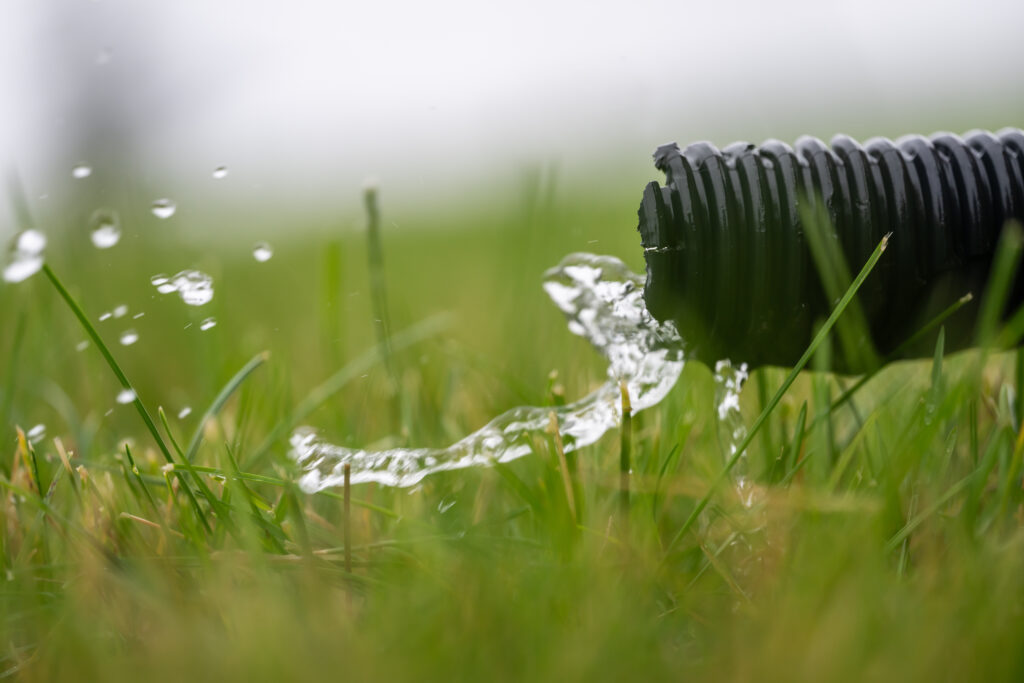
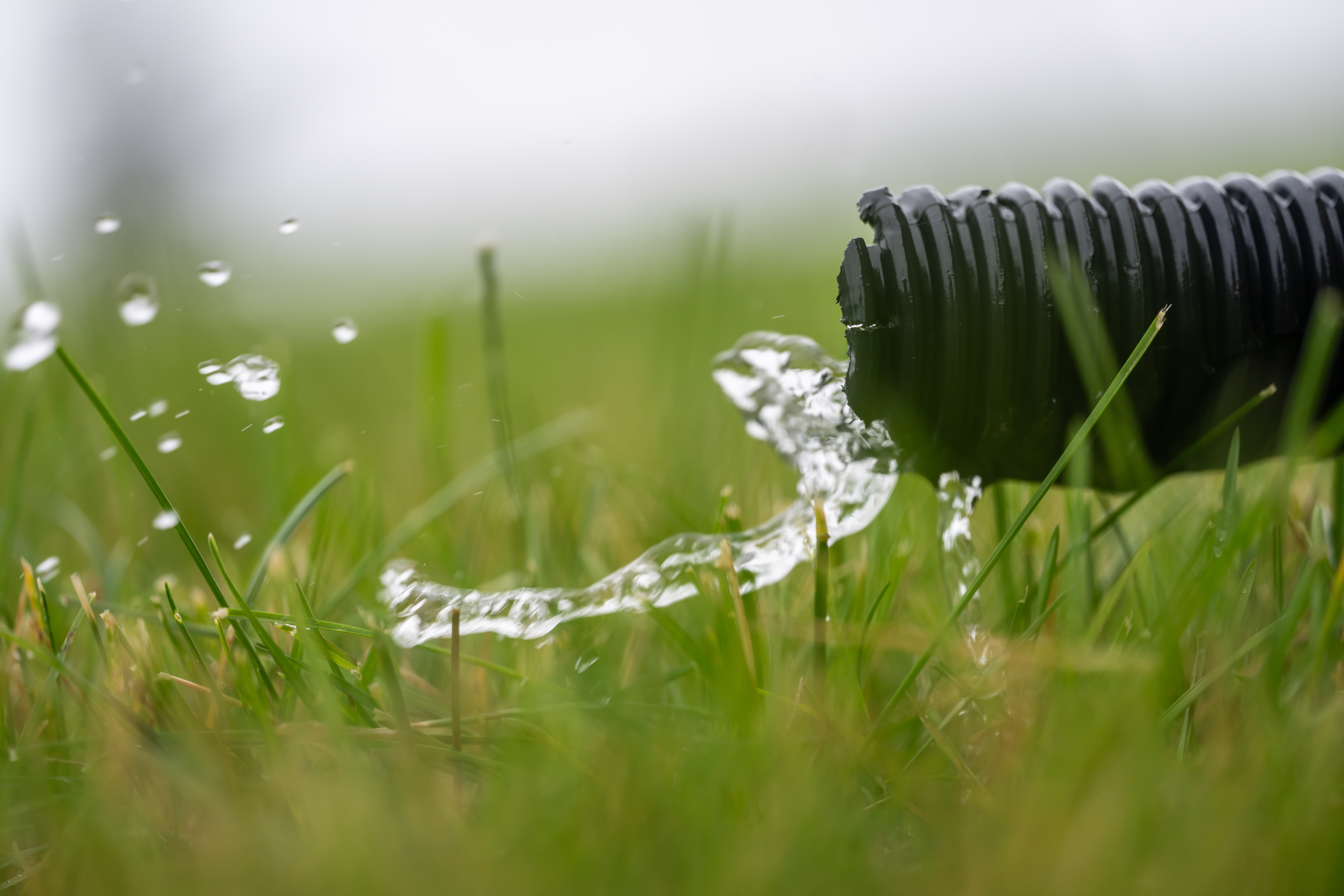
The process is more intuitive than most homeowners realize. Water from rain, snowmelt, or groundwater seepage travels through the soil and finds its way to the lowest point near your foundation. That water is channeled — either naturally or through a drainage system — into the sump pit. A float switch inside the pit rises with the water level, and once it hits a set threshold, the pump motor kicks on. The pump then moves that water through a discharge pipe that typically exits through the basement wall or foundation and deposits the water several feet away from the house, ideally toward a drainage area, storm drain, or dry well. Once the water level drops, the float switch signals the motor to shut off. The whole cycle can happen repeatedly during a single heavy storm.
Key Advantages of Having a Properly Functioning Sump Pump
The benefits of a sump pump extend well beyond simply keeping your floor dry. Here is what a functioning system actually protects you from:
- Structural damage caused by prolonged moisture against your foundation walls and floor
- Mold and mildew growth, which can take hold within 24 to 48 hours of water exposure
- Damage to finished basements, stored belongings, appliances, and HVAC equipment
- Pest infestations that are attracted to damp, dark environments
- Decreased property value resulting from visible water damage or a history of flooding
Beyond protection, a sump pump also gives homeowners a meaningful layer of confidence during heavy rain events. Knowing there is a system actively managing water intrusion changes how you feel about your home’s resilience.
Common Drawbacks and Limitations Worth Knowing
Sump pumps are genuinely useful, but they are not infallible. Power outages are perhaps the biggest vulnerability — and they tend to happen during exactly the kind of severe storms that put sump pumps to work. Without power, a standard sump pump becomes useless precisely when you need it most. This is why battery backup sump pumps or water-powered backup systems are often recommended as a secondary measure. Beyond power issues, sump pumps are mechanical systems with motors, floats, and pipes that can fail over time. A clogged discharge line, a stuck float switch, or a burned-out motor can leave your basement exposed without any warning signs until water is already on the floor. Regular maintenance and periodic testing are not optional — they are essential.
How to Maintain Your Sump Pump and Keep It Ready
Maintenance does not have to be complicated, but it does need to happen on a consistent schedule. A few times a year — and especially before the wet season — take the time to do a basic inspection. Pour water slowly into the sump pit to trigger the float switch and confirm the pump activates and clears the water efficiently. Check the discharge pipe to ensure it is not blocked by debris, ice in winter, or soil displacement. Clean the pit of any sediment or debris that could interfere with the pump’s intake. If your pump is more than seven to ten years old, it is worth having a professional evaluate whether replacement makes more sense than continued maintenance. Aging pumps can fail without warning, and that is a gamble with potentially significant consequences.
When to Consider Upgrading or Adding a Backup System
If you have never upgraded your sump pump and it came with the house, now might be the right time to take a closer look. Older units often lack the capacity to handle modern rainfall volumes, particularly as climate patterns shift and heavy storm events become more common in many regions. A battery backup sump pump is one of the smartest investments a basement homeowner can make — it activates automatically when the primary pump fails or loses power, providing a critical second line of defense. Water-powered backup systems are another option, using municipal water pressure to drive the pump without electricity. For homes in flood-prone areas or with finished basements, these upgrades are not excessive — they are practical.
Why Sump Pump Coverage Matters in Your Home Warranty Plan
Here is something that surprises a lot of homeowners: sump pumps are mechanical systems that can and do fail, and when they do, the cost to repair or replace them is not trivial. Depending on the unit and labor involved, replacement can run several hundred to over a thousand dollars. That is where a home warranty can make a real difference. A well-structured home warranty plan that covers built-in sump pumps means you are not absorbing that expense out of pocket when the system breaks down unexpectedly. If you are evaluating home warranty options and water protection is a priority, trusted home warranty coverage for sump pumps and basement water systems is something worth prioritizing in any plan you consider. Armadillo offers straightforward, homeowner-friendly coverage designed for exactly these kinds of situations — when something fails and you just need it handled. If a flooded basement is something you want protection against, take a few minutes to get a personalized home warranty quote that includes sump pump and water system protection and see what your coverage options actually look like.

Frequently Asked Questions About Sump Pumps and Basement Flooding
Answers to the questions homeowners ask most when dealing with basement water issues and sump pump systems.
How do I know if my basement needs a sump pump?
If your basement has experienced any water intrusion — even minor seepage after heavy rain — or if your home sits in a low-lying area with high groundwater levels, a sump pump is strongly recommended. Homes without any history of water issues can still benefit as a preventive measure.
How long does a sump pump typically last?
Most sump pumps have a lifespan of seven to ten years with regular maintenance. Pumps that run frequently due to high groundwater or heavy rainfall may wear out closer to the lower end of that range.
What happens if my sump pump fails during a storm?
Without a functioning sump pump, water in the sump pit will overflow into the basement. This can cause significant damage to flooring, drywall, appliances, and stored items within hours. A battery backup system is the most reliable safeguard against this scenario.
Can a sump pump prevent all basement flooding?
A sump pump manages groundwater and seepage effectively, but it cannot stop flooding caused by a burst pipe, sewage backup, or surface water that enters through windows or doorways. It is one layer of protection, not a complete solution on its own.
How often should I test my sump pump?
Testing your sump pump two to four times per year is a reasonable standard, with an additional check before peak wet seasons. Pour water into the pit to confirm the float switch activates correctly and the pump clears water without delay.
Is a battery backup sump pump worth the extra cost?
Yes, for most homeowners it is. Power outages frequently coincide with the storms that generate the most water intrusion. A battery backup system ensures your pump continues operating even when the grid goes down, which is precisely when you need it most.
Does homeowners insurance cover sump pump failure?
Standard homeowners insurance policies typically do not cover damage caused by sump pump failure or water backup unless you have purchased a specific water backup endorsement. Coverage for the pump itself as a mechanical system is generally not included in homeowners insurance at all.
What size sump pump does my home need?
The right size depends on your home’s square footage, the severity of water intrusion you experience, and local groundwater conditions. Most residential homes are adequately served by a pump rated between one-third and one-half horsepower, but homes in high-water areas may require more capacity.
Where should the sump pump discharge water to?
The discharge pipe should direct water at least ten feet away from the foundation, ideally toward a sloped yard, a municipal storm drain, or a dry well. Discharging water too close to the house simply recycles it back toward the foundation.
Can I install a sump pump myself?
Basic installation is within the range of a capable DIYer, but it involves cutting through the concrete floor, creating a proper pit, and routing discharge plumbing. For most homeowners, professional installation is the safer choice to ensure proper placement, pit sizing, and code compliance.