What Is a Bathroom Air Vent and Why Does It Matter?
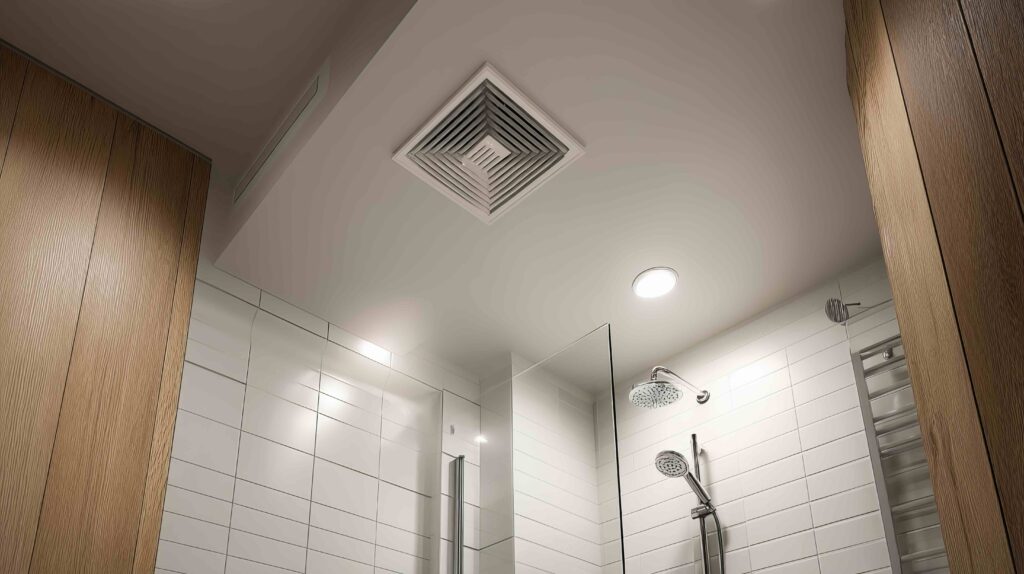
The bathroom air vent — sometimes called a bathroom exhaust fan or ventilation fan — is one of those home features that people rarely think about until something goes wrong. It sits quietly in the ceiling, hums along during showers, and gets ignored the rest of the time. But here is the thing: this small, unassuming fixture is doing some seriously heavy lifting when it comes to protecting your home. It pulls moisture, odors, and airborne pollutants out of your bathroom and exhausts them to the outside. Without it, that daily steam from your shower has nowhere to go, and that is where real problems start. Mold, mildew, peeling paint, warped cabinetry — all of it traces back to inadequate ventilation. So yes, that little fan in the ceiling matters a lot more than most people give it credit for.
How Does a Bathroom Exhaust Fan Actually Work?
The mechanics are straightforward, and understanding them helps you recognize when something is off. When the fan is switched on, a motor drives a set of blades or an impeller that creates negative pressure inside the bathroom. That pressure pulls humid air, steam, and odors upward through the fan housing. The air then travels through a duct — typically flexible or rigid metal — that routes through the attic or wall cavity and terminates at an exterior vent cap on the roof or an exterior wall. The outside vent cap has a damper that opens when air is flowing and closes when the fan is off, which prevents outside air and pests from entering the duct. The whole system functions a bit like a chimney for your bathroom air, constantly exchanging stale, humid interior air for whatever is going on outside. Fans are rated by CFM, or cubic feet per minute, which measures how much air volume they can move. A higher CFM means more airflow capacity, and matching the right CFM to your bathroom size is critical for effective ventilation.
Key Advantages of a Properly Installed Bathroom Air Vent
When installed correctly and maintained regularly, a bathroom exhaust fan delivers a surprising number of benefits that extend well beyond just keeping the mirror clear after a hot shower.
- Moisture control is the primary function, and it directly prevents mold and mildew growth on walls, ceilings, grout lines, and inside cabinetry.
- Structural protection improves significantly because excess humidity can warp wood framing, rot subflooring, and degrade drywall over time.
- Indoor air quality improves because the fan removes airborne particulates, chemical vapors from cleaning products, and biological contaminants that accumulate in enclosed, humid spaces.
- Odor elimination is immediate and effective, which is something every household appreciates.
- Comfort increases noticeably when the bathroom returns to a normal humidity level faster after bathing.
- Energy efficiency can improve when combined with a humidity-sensing model that automatically activates based on moisture levels rather than requiring manual operation.

Common Types of Bathroom Exhaust Fans
Not all bathroom exhaust fans are built the same, and knowing what options exist helps homeowners make smarter choices. Standard ceiling-mounted fans are the most common and most affordable. They mount flush into the ceiling and duct directly upward or horizontally through the ceiling cavity. Combination units pair the exhaust fan with a light fixture, a heater, or both — practical for small bathrooms where ceiling real estate is limited. Inline fans mount remotely within the duct run rather than at the ceiling opening, which is useful for reducing noise in the bathroom itself since the motor is physically removed from the room. Wall-mounted exhaust fans are an option when ceiling routing is not feasible, though they are less common in modern construction. Finally, humidity-sensing and motion-activated fans represent the premium tier, offering automated operation that removes human error from the equation entirely — because yes, people forget to turn on the fan, and the consequences add up.
Potential Drawbacks and Limitations to Know
No home system is without its complications, and bathroom ventilation is no exception. Noise is probably the most common complaint — older or budget fans can be surprisingly loud, which discourages people from using them as frequently as they should. CFM mismatch is another issue; if the fan is undersized for the bathroom square footage, it simply cannot process enough air to make a meaningful difference. Duct installation quality matters enormously. If the duct terminates into an attic instead of to the exterior, you are pumping humid air directly into a space that is highly susceptible to mold — an extremely common and costly installation error. Duct runs that are too long, have too many bends, or use undersized flexible duct restrict airflow and significantly reduce fan effectiveness. And like any mechanical system, the motor, capacitor, and fan blades degrade over time. A fan that runs constantly but moves little air is essentially useless and can create a false sense of security about your bathroom’s moisture levels.
How to Choose the Right Bathroom Exhaust Fan
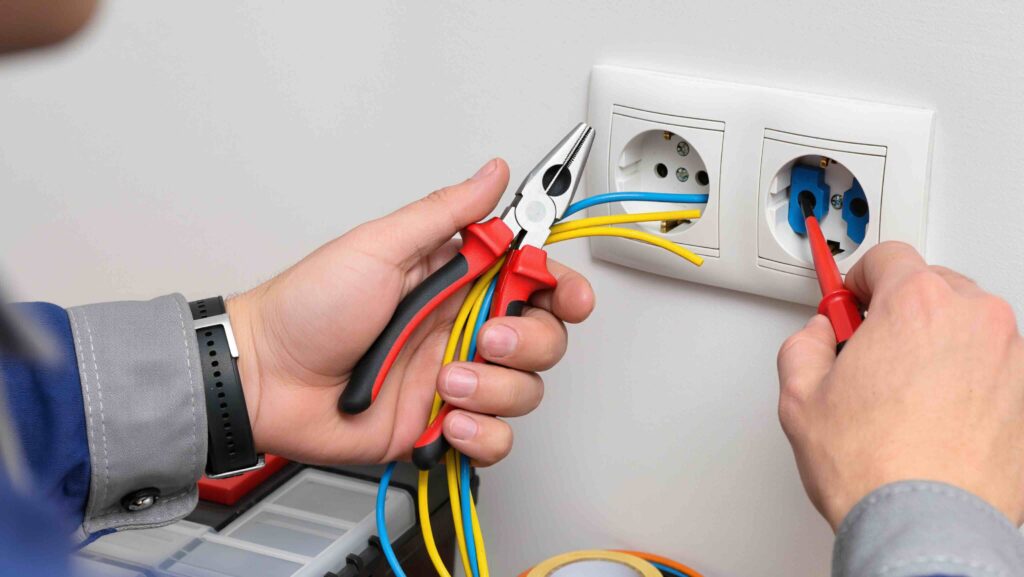
Selecting the right unit starts with measuring your bathroom’s square footage. The general industry guideline is one CFM per square foot for bathrooms up to 100 square feet. Larger bathrooms, or those with separate toilet compartments, whirlpool tubs, or steam showers, require additional CFM capacity. Noise levels are measured in sones — lower sones mean quieter operation. A fan rated at 1.0 sones or below is considered very quiet and is well worth the slightly higher cost. Look for ENERGY STAR certification if efficiency matters to you, which it probably should given that fans run frequently. Check the duct diameter compatibility and plan the duct route before purchasing, because the wrong duct path will negate even the best fan on the market. If your bathroom lacks any ventilation at all, you may need an electrician to run a dedicated circuit along with the installation work.
Maintenance Tips to Keep Your Bathroom Vent Running Right
Maintenance here is genuinely simple, and staying on top of it prevents the kind of cumulative damage that ends up costing real money. Dust and lint accumulate on the grille cover and inside the fan housing, reducing airflow and forcing the motor to work harder. Removing and cleaning the cover every three to six months takes under ten minutes and makes a measurable difference in performance. Inspecting the exterior vent cap annually ensures the damper moves freely and that no debris, bird nesting material, or insect activity has blocked the opening. Listening for unusual sounds — grinding, rattling, or high-pitched squealing — is a reliable early warning that the motor or blades need attention. Replacing the motor or the entire unit is often the more economical choice compared to extended repair costs on an aging fan. Most bathroom exhaust fans have a functional lifespan of around ten years under typical use conditions.
Building Codes and Installation Requirements
Most local building codes require bathroom exhaust fans in any bathroom that lacks an operable window, and in many jurisdictions they are required regardless of window presence. The International Residential Code serves as the baseline standard adopted by most municipalities, specifying minimum ventilation rates and requirements for exterior duct termination. Permits may be required for new installations or significant upgrades depending on your local authority. Any work involving electrical wiring should be performed by a licensed electrician or a qualified contractor to meet code compliance and ensure safety. If you are selling your home, inadequate or improperly installed bathroom ventilation can surface as a deficiency during a home inspection, so it is worth addressing proactively rather than at the negotiating table.
How a Home Warranty Can Protect Your Bathroom Ventilation System
Here is where things get practical in a different way. Your bathroom exhaust fan is a mechanical system, and mechanical systems fail — sometimes at the worst possible moment and always at some cost. When a fan motor burns out or a duct connection fails, the repair or replacement cost is rarely enormous on its own, but it is the kind of unexpected expense that disrupts a budget and adds stress to homeownership. A home warranty plan that covers built-in systems, including ventilation components, provides exactly the kind of predictable cost structure that makes homeownership more manageable. Armadillo’s home warranty coverage for bathroom ventilation and home systems is designed with real homeowners in mind — no confusing fine print, no runaround when you file a claim. If you want to know what a plan looks like for your specific home, you can get a personalized home warranty quote for exhaust fan and ventilation system coverage in just a few minutes. Protecting a system that protects your home is just good logic.

Frequently Asked Questions About Bathroom Air Vents
These are the questions homeowners ask most often about bathroom exhaust fans and ventilation, with clear answers to help you move forward with confidence.
How long should I run my bathroom exhaust fan after a shower?
Run the fan for at least 20 minutes after showering to fully exhaust moisture from the bathroom. A humidity-sensing fan can automate this process and shut off only when humidity returns to an acceptable level.
Can a bathroom exhaust fan be vented into the attic?
No. Venting a bathroom exhaust fan into an attic is against building code in most jurisdictions and causes significant moisture damage, mold growth, and potential structural deterioration. The duct must always terminate at an exterior vent cap.
What CFM do I need for my bathroom?
The standard guideline is one CFM per square foot of bathroom floor space for rooms up to 100 square feet. Larger bathrooms, or those with jetted tubs or steam showers, require additional CFM capacity beyond this baseline calculation.
How do I know if my bathroom exhaust fan is working properly?
Hold a piece of toilet paper near the grille while the fan is running. If the fan holds the paper against the grille, it is generating adequate suction. If the paper falls, the fan is underperforming and likely needs cleaning or replacement.
Is a noisy bathroom fan a sign something is wrong?
Increased noise often indicates dust buildup on the blades, a worn motor bearing, or a loose component inside the housing. Cleaning the unit resolves the issue in many cases, but persistent noise after cleaning typically points to mechanical wear requiring replacement.
Does a bathroom exhaust fan help prevent mold?
Yes, consistently and significantly. Mold requires moisture to grow, and a properly functioning exhaust fan removes the excess humidity that mold spores need to colonize surfaces. Regular fan use is one of the most effective mold prevention strategies available.
How often should a bathroom exhaust fan be replaced?
Most bathroom exhaust fans have a functional lifespan of approximately 10 years under normal use. Fans that run frequently in high-humidity environments may degrade faster. If your fan is noisy, weak, or over a decade old, replacement is usually more cost-effective than repair.
Do I need a permit to install a bathroom exhaust fan?
Permit requirements vary by municipality. New installations that involve electrical wiring or modifications to the duct system often require a permit. Check with your local building department before beginning work to confirm what applies in your area.
Can I install a bathroom exhaust fan myself?
Replacing an existing fan with the same type and in the same location is a manageable DIY project for experienced homeowners. Any work involving new electrical circuits, new duct routing, or structural modifications should be handled by licensed professionals to meet safety and code requirements.
Does a home warranty cover bathroom exhaust fans?
Coverage depends on the specific home warranty plan and provider. Some plans include built-in ventilation components as part of broader systems coverage. Reviewing your plan documents carefully and asking specific questions before purchasing ensures you understand exactly what is and is not included.