What Is a Bathroom Sink Plumbing Vent and Why Does It Matter?
Most homeowners spend a lot of time thinking about what goes down the drain. The water, the soap, the occasional glob of toothpaste. But almost nobody thinks about the air. That is actually a problem, because the air moving through your plumbing system is doing serious work behind the scenes. The bathroom sink plumbing vent is one of those components that lives completely out of sight and rarely comes up in conversation until something goes wrong. Understanding what it does, how it works, and what happens when it fails can save you from a genuinely unpleasant situation — and a potentially expensive repair bill.
How a Bathroom Sink Plumbing Vent Actually Works
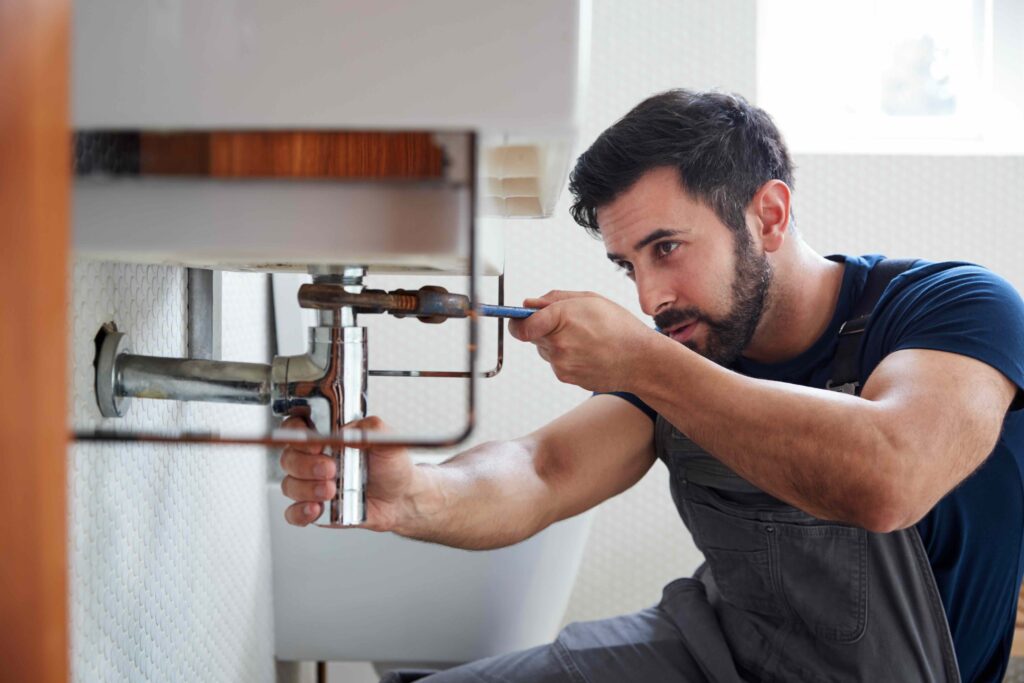
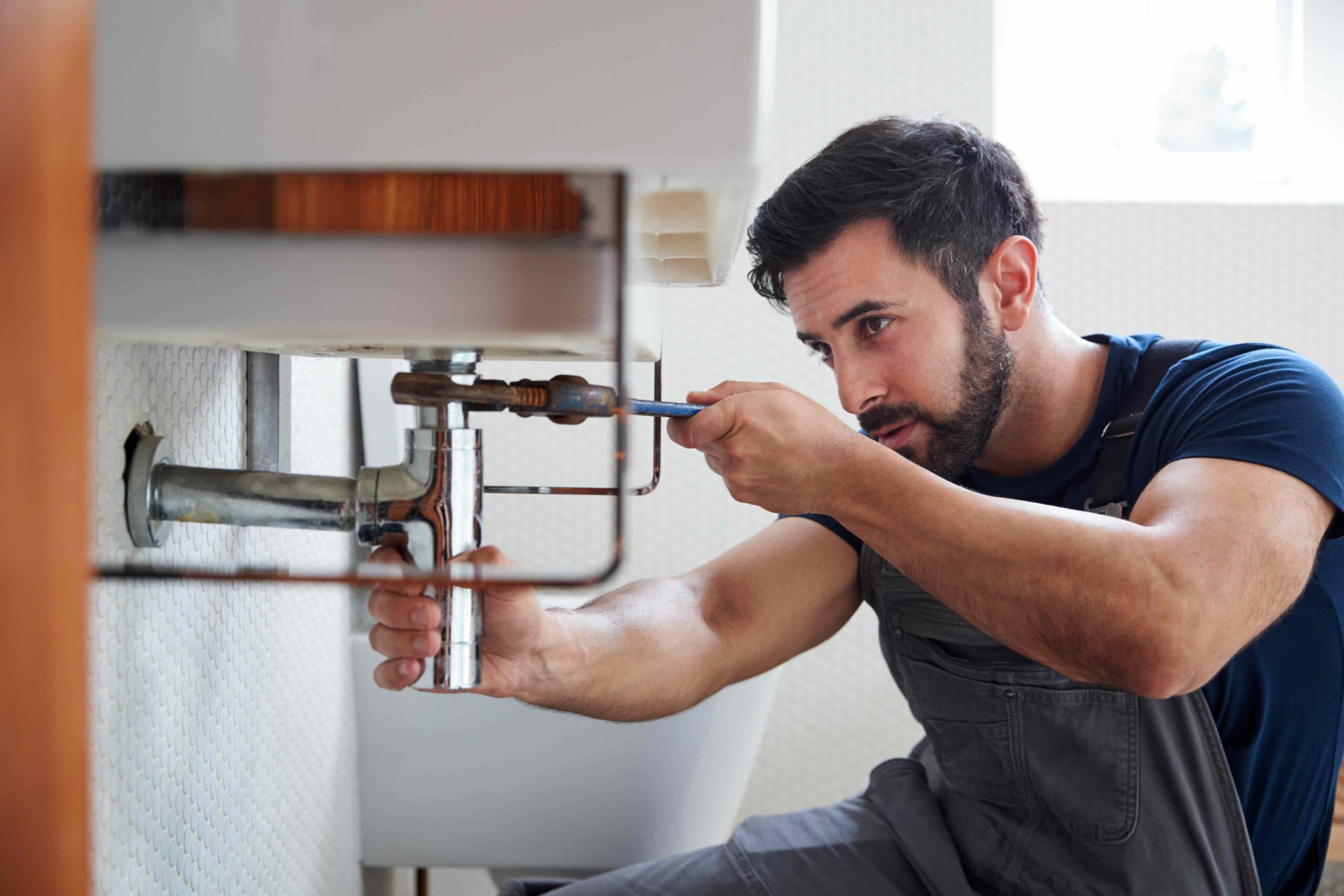
Here is the basic concept. Every time water drains from your sink, it needs air pressure behind it to flow properly. Without air, you get a vacuum effect in the drain pipe. That vacuum does two things you really do not want: it slows the drain significantly, and it pulls the water out of your P-trap. The P-trap is that curved pipe beneath your sink that holds a small amount of water at all times. That water is the barrier between your home and the sewer gases sitting in your drain lines. When the P-trap loses its water seal, those gases — including hydrogen sulfide, which smells like rotten eggs — have a direct path into your bathroom. The plumbing vent prevents all of this by introducing air into the drain system, balancing the pressure, and keeping everything flowing the way it should. The vent typically runs from the drain line upward through the wall and exits through the roof of the home.
The Different Types of Plumbing Vents for Bathroom Sinks
There is more than one way to vent a bathroom sink, and the right option often depends on the layout of your home, local building codes, and whether you are dealing with new construction or a retrofit situation.
- True vent: A pipe that runs vertically from the drain line up through the roof. This is the most traditional and reliable option and is typically required by code in new construction.
- Air admittance valve (AAV): A mechanical device installed beneath the sink cabinet that opens to let air in when needed and closes to prevent sewer gas from escaping. These are popular in remodels and tight spaces where running a pipe to the roof is not practical.
- Wet vent: A single pipe that serves as both a drain and a vent, used when multiple fixtures share the same drain path. Common in bathroom groups where the toilet, sink, and tub are all in close proximity.
- Cheater vent: An informal term for an AAV, often used in older installations. Functionally similar but sometimes not up to current code depending on your municipality.
Signs Your Bathroom Sink Vent May Be Failing
Plumbing vents are not immune to problems. Clogs from debris, bird nests, ice buildup in cold climates, or even a failed AAV can disrupt the entire system. The symptoms are usually pretty recognizable once you know what to look for. A slow-draining sink that does not respond to typical drain cleaning is a common indicator. Gurgling sounds coming from the drain after the water runs out suggest that air is being pulled through the P-trap rather than through the vent. A persistent sewer smell in the bathroom — especially if it seems to come from the drain itself rather than any visible source — is a strong sign that sewer gas is entering through a compromised P-trap. These are not just annoyances. Sewer gas exposure over time can be a health concern, and a consistently slow drain often signals a deeper pressure issue rather than a simple clog.

The Advantages of a Properly Functioning Plumbing Vent
When the vent system is working correctly, you simply do not notice it. That is exactly how it should be. Water drains quickly, the P-trap stays intact, and sewer gases remain where they belong — in the sewer. Beyond the obvious comfort factor, a functional vent extends the life of your drain components by preventing the pressure fluctuations that can stress pipe joints over time. It also protects indoor air quality, which is increasingly recognized as an important factor in overall household health. From a home value standpoint, a properly vented plumbing system is a baseline expectation for buyers and inspectors alike. Deviations from code-compliant venting can flag during a home inspection and potentially complicate a sale.
Common Drawbacks and Limitations to Know About
No plumbing component is perfect, and vents come with their own set of considerations. Roof vents can become blocked, especially in wooded areas where leaves, twigs, and wildlife create obstructions over time. In cold climates, frost can partially seal the vent opening, particularly if the pipe is undersized or poorly insulated. Air admittance valves, while convenient, have a mechanical lifespan and can eventually fail, allowing sewer gas to escape. They also require installation in an accessible location, which is not always easy depending on your cabinet layout. Wet vent configurations need to be carefully sized and installed to function properly — an improperly designed wet vent can actually create pressure problems rather than solve them. These are manageable issues, but they do require periodic attention and occasional professional service.
Maintenance Tips Every Homeowner Should Follow
Keeping your bathroom sink vent in good condition does not require a lot of effort, but it does require consistency. A few practical habits can go a long way toward preventing problems before they develop.
- Inspect the roof vent opening annually, especially after fall and winter, to check for debris or blockages.
- If you have an AAV under the sink, locate it and confirm it is accessible. Most are installed on the drain stub-out inside the cabinet.
- Pay attention to drain performance. A change in drainage speed or new gurgling sounds are early warning signals worth investigating promptly.
- After any drain cleaning or plumbing work, run water through the sink and listen for changes in how the drain sounds and flows.
- Have a licensed plumber inspect your vent system if you are purchasing an older home or if the plumbing has not been evaluated in several years.
When to Call a Professional Plumber
There is a reasonable amount that a knowledgeable homeowner can handle independently — clearing a roof vent with a garden hose, replacing an AAV under a sink, or diagnosing symptoms from the list above. But there is also a point where professional involvement is not optional. If you are experiencing persistent sewer smells despite checking the P-trap and vent, a plumber needs to perform a full smoke or pressure test on the drain system to locate the source. Any time you are adding a new fixture or reconfiguring a bathroom, vent lines need to be extended or modified by someone who understands local code requirements. Improper venting that fails inspection can require tearing out finished walls, and that is an expensive lesson to learn after the fact. When in doubt, the cost of a professional diagnosis is almost always less than the cost of the problem it could prevent.
What Home Warranties Typically Cover in Your Plumbing System
Understanding your home warranty coverage in the context of plumbing vents is genuinely useful information. Most standard home warranty plans cover interior plumbing components including drain lines, supply lines, and plumbing stoppages. Coverage for vent pipes can vary by provider and plan tier. Some plans cover the vent as part of the broader plumbing system, while others may specifically exclude components that are accessible from the exterior or that relate to the structure of the home rather than the mechanical function of the plumbing. Reading your plan documents carefully and asking specific questions about vent coverage — including AAVs and roof vent pipes — is the right approach. Knowing exactly what is and is not covered before something goes wrong is always a better position to be in than discovering a gap during a claim.
Why Armadillo Is Worth Considering for Your Home Plumbing Coverage
Plumbing problems have a way of showing up at the worst possible times, and the costs can escalate faster than most homeowners expect. A failed vent, a cracked drain line, or a burst supply pipe can move from inconvenience to emergency in a matter of hours. That is exactly the kind of situation where having a reliable home warranty makes a genuine difference. Armadillo home warranty coverage for plumbing systems and essential home components is designed to give homeowners straightforward protection without the frustration of confusing exclusions or slow service. The focus has always been on making the claims process clear and the coverage meaningful. If you have been thinking about what it would cost to replace a drain system or deal with an unexpected plumbing failure out of pocket, it is worth spending a few minutes to get a personalized home warranty quote that includes plumbing protection. Coverage that works when you actually need it is not a luxury — it is just smart homeownership.

Frequently Asked Questions About Bathroom Sink Plumbing Vents
Here are answers to the questions homeowners ask most often about bathroom sink plumbing vents, what they do, and what to expect when something goes wrong.
What is the purpose of a plumbing vent on a bathroom sink?
A plumbing vent balances air pressure in the drain system, allows water to flow freely, and prevents sewer gases from entering the home through the P-trap beneath the sink.
Where is the plumbing vent for a bathroom sink located?
Most bathroom sink vents run vertically from the drain line inside the wall and exit through the roof of the home. In some cases, an air admittance valve is used instead and is located under the sink cabinet.
What does a clogged plumbing vent sound like?
A clogged vent often causes a gurgling or bubbling sound from the drain after water flows down. The sound is caused by air being pulled through the P-trap water seal rather than entering through the vent.
Can a bathroom sink work without a vent?
Technically, water will still drain, but not efficiently. An unvented sink drain will develop pressure imbalances that slow drainage, cause gurgling, and can eventually siphon the P-trap dry, allowing sewer gases to enter the room.
How do I know if my bathroom sink vent is blocked?
Common signs include slow draining that does not improve with drain cleaning, gurgling sounds after water drains, and persistent sewer gas odor in the bathroom despite a properly filled P-trap.
Is an air admittance valve as effective as a traditional roof vent?
For most residential applications, a properly installed AAV performs comparably to a roof vent. However, AAVs have a mechanical lifespan and need to be replaced eventually, whereas a roof vent pipe is generally more durable over the long term.
Does a home warranty cover plumbing vent repairs?
Coverage varies by provider and plan. Many home warranties cover interior plumbing systems including drain lines, but coverage for vent pipes specifically — particularly roof vents — may differ. Always review your plan documents or ask your provider directly before assuming coverage.
How often should a plumbing vent be inspected?
A roof vent should be visually inspected at least once per year, ideally after winter or fall when debris accumulation is most common. An AAV should be checked periodically for signs of mechanical failure, especially if the sink begins draining slowly or emitting odors.
Can I replace an air admittance valve myself?
In most cases, yes. Replacing an AAV is a relatively straightforward task that requires turning off the water supply, removing the old valve from the drain stub-out, and threading on the replacement. Always confirm that the replacement valve meets local code requirements before installing.
Why does my bathroom smell like sewer gas even though the drain looks clean?
If the drain is visibly clear but sewer odor persists, the most likely causes are a dried-out or siphoned P-trap, a failed AAV, or a blocked roof vent that is preventing proper pressure balance in the drain line. A plumber can perform a diagnostic test to identify the source.