Bathroom Water Leaks: What Every Homeowner Needs to Know
Water and bathrooms have a long, complicated relationship. One that works beautifully until it absolutely does not. A bathroom water leak can start as something barely noticeable, a faint drip behind a wall or a slow pool under the sink, and quietly spiral into one of the more expensive problems a homeowner faces. Understanding how these leaks happen, what they affect, and how to protect yourself financially is the kind of knowledge that pays off in real dollars. So, let us get into it.
What Actually Causes a Bathroom Water Leak
Bathroom leaks do not usually appear out of nowhere. They build up over time through wear, pressure, and the basic reality that plumbing components age. Supply lines running to your toilet or sink can crack or loosen at the fittings. Caulk and grout around tubs and showers breaks down and allows water to seep into subfloors and wall cavities. Faucet washers wear out. Drain seals fail. Even the wax ring beneath your toilet, which most homeowners never think about, can degrade and allow water to escape at the base with every flush. The bathroom is, frankly, one of the most plumbing-dense rooms in the entire house, which is exactly why it sees more than its fair share of leak-related issues.
How Bathroom Plumbing Systems Work
To understand a leak, it helps to understand the system. Your bathroom operates on two sides of the plumbing equation. The supply side brings pressurized water in through copper, PEX, or CPVC pipes, delivering it to your sink, toilet, shower, and tub. The drain-waste-vent side removes used water and sewage out of the home through larger drain pipes while venting gases safely through the roof. Leaks can occur on either side. Supply-side leaks tend to be more immediately damaging because they involve pressurized water that flows continuously. Drain-side leaks are often slower but can still cause significant moisture damage, especially when hidden inside walls or under flooring over time.

Common Signs You Have a Bathroom Water Leak
Not every leak announces itself with a gush of water. Most homeowners discover them through subtle, easy-to-dismiss clues. Catching those clues early is the difference between a minor repair and a major renovation. Here are the signs worth taking seriously:
- Unexplained increases in your monthly water bill
- Soft or spongy flooring around the toilet or vanity base
- Peeling paint or bubbling wallpaper on bathroom walls
- Musty or mildew-like odors with no obvious source
- Water stains on the ceiling of the room directly below the bathroom
- Visible mold growth near baseboards, grout lines, or under the sink
- Constant sound of running water when no fixtures are in use
Any one of these on its own is worth investigating. More than one appearing at the same time means you should not wait.
The Real Cost of Ignoring a Bathroom Water Leak
This is where things get uncomfortable. A small drip under a bathroom sink might cost a couple hundred dollars to fix if addressed promptly. Left unattended for weeks or months, that same leak can rot out a cabinet base, damage subfloor material, promote mold growth, and potentially compromise structural framing. Water remediation and mold removal alone can run into the thousands. Add in flooring replacement, drywall repair, and cabinet work, and a homeowner can find themselves staring at a bill that could easily exceed five figures. The math on early detection is not subtle.
Key Advantages of Addressing Leaks Quickly
Acting fast on a bathroom water leak carries real, measurable benefits. Beyond the obvious savings on repair costs, prompt attention preserves the structural integrity of floors and walls, protects indoor air quality by preventing mold colonization, and maintains the overall value of your home. Buyers and home inspectors notice water damage. It shows up in inspection reports, affects appraisals, and can complicate or even derail a sale. Keeping your bathroom systems in good working order is not just about comfort. It is an investment in your home’s long-term marketability and livability.
Common Drawbacks and Challenges Homeowners Face
Even the most attentive homeowner runs into obstacles when dealing with bathroom water leaks. Access is a major one. Pipes running inside walls or beneath concrete slabs require significant work just to reach, let alone repair. Identifying the exact source of a slow leak can be genuinely difficult without professional equipment. There is also the cost variability issue. Depending on pipe material, leak location, and extent of damage, repair estimates can range widely, which makes budgeting unpredictable. And for older homes, fixing one weak point in an aging plumbing system sometimes reveals additional vulnerabilities nearby. It is rarely as clean as a single fix and done.
Practical Tips for Preventing Bathroom Water Leaks
Prevention is not complicated, but it does require consistency. Building a few habits into your home maintenance routine significantly reduces the risk of a surprise leak derailing your schedule or your budget:
- Inspect supply line connections under sinks and behind toilets every six months
- Re-caulk around the tub, shower base, and sink edges when cracking or separation appears
- Check the toilet base after flushing periodically for any sign of moisture
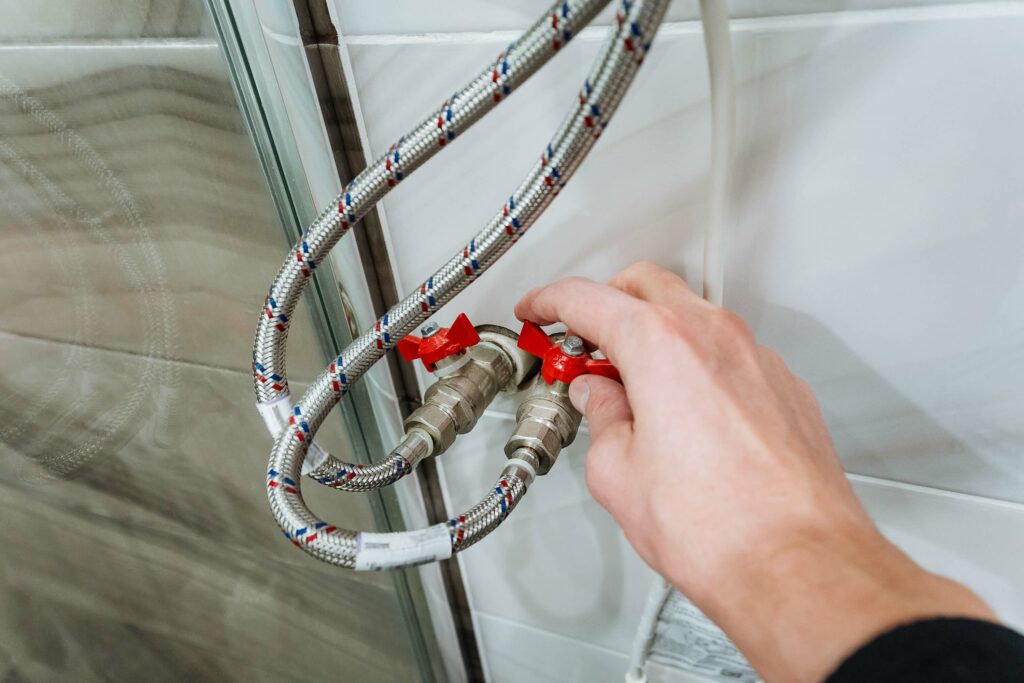
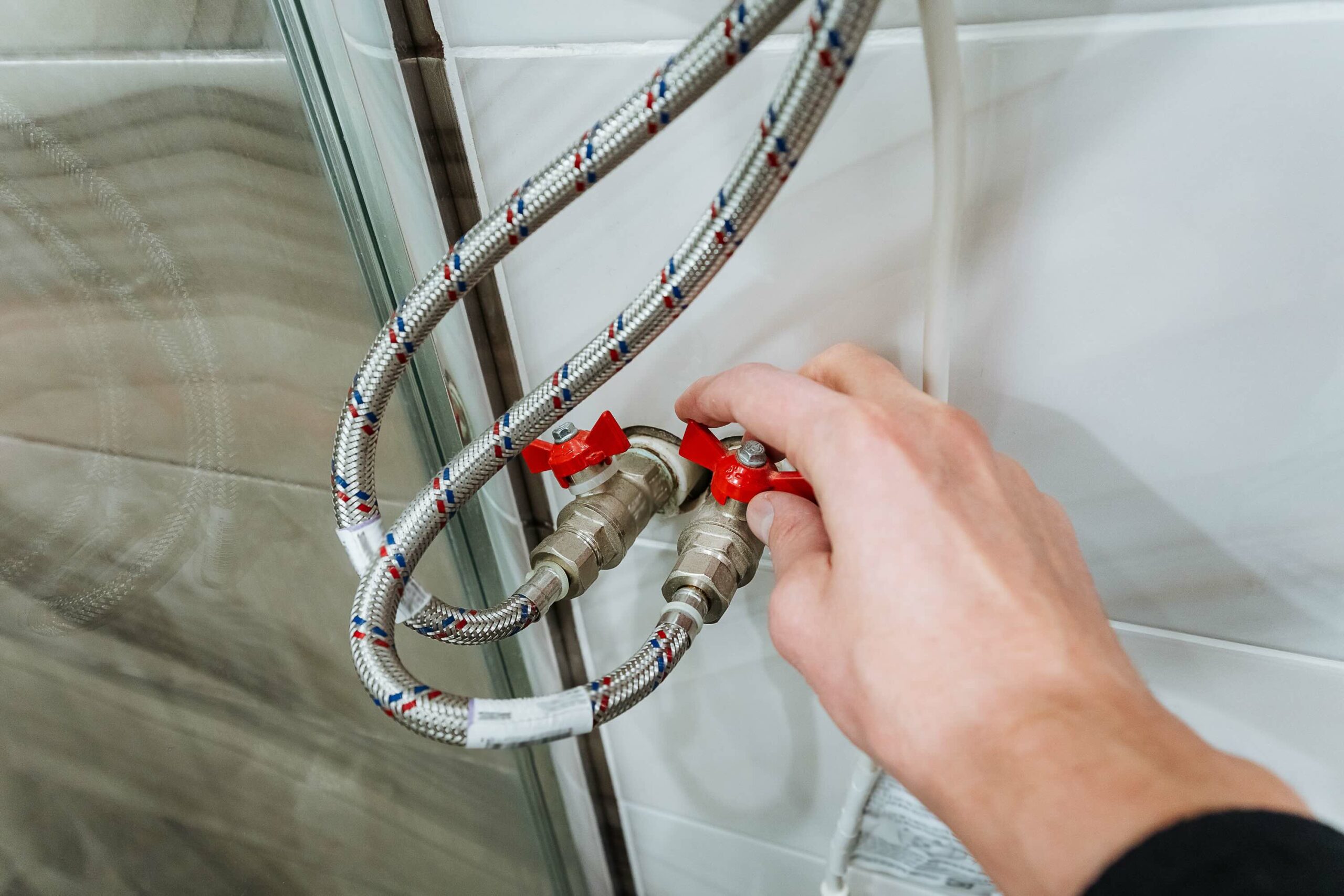
- Know the location of your main water shutoff valve and how to use it quickly
- Test your water pressure with an inexpensive gauge. Consistently high pressure accelerates wear on fittings and supply lines
- Schedule a plumbing inspection every few years, especially in homes older than fifteen years
Where Home Warranties Fit Into the Picture
Here is something that surprises a lot of homeowners: standard homeowners insurance typically does not cover plumbing repairs caused by normal wear and tear. Homeowners insurance addresses sudden, accidental events. A slowly failing toilet supply line or a deteriorated drain seal is generally considered a maintenance issue, and that puts it squarely outside the scope of most insurance policies. That is precisely where a home warranty steps in. A home warranty plan is designed to cover the repair or replacement of systems and appliances that fail due to everyday use and age, which is exactly how most bathroom plumbing problems develop. It fills a very real gap that leaves many homeowners paying out of pocket for repairs they assumed were covered somewhere.
Why Armadillo Is the Smart Choice for Bathroom Plumbing Protection
When a bathroom leak traces back to a failed plumbing component, the last thing you need is uncertainty about who handles it or whether it is covered. Armadillo was built to remove that uncertainty. As a trusted home warranty provider for comprehensive plumbing system coverage, Armadillo offers straightforward plans designed around how homes actually break down, not around technicalities that let coverage slip away when you need it most. The process is transparent, the coverage is real, and there are no surprise exclusions written in fine print to navigate when something goes wrong. If bathroom plumbing protection is on your mind after reading this, the next step is simple. You can get a free home warranty quote for bathroom and plumbing coverage in just a few minutes and know exactly what you are working with before the next leak has a chance to find you first.

Frequently Asked Questions About Bathroom Water Leaks
These are the questions homeowners ask most often when dealing with bathroom water leaks, answered directly and without the runaround.
What is the most common cause of a bathroom water leak?
The most common causes include deteriorated supply line connections, failed wax rings under toilets, cracked caulk or grout around tubs and showers, and worn faucet components. Most develop gradually over years of normal use.
How do I know if my toilet is leaking at the base?
Look for water pooling around the base after flushing, soft or discolored flooring near the toilet, or a persistent sewage odor in the bathroom. These are reliable indicators that the wax ring seal has failed and needs replacement.
Can a slow bathroom leak cause mold?
Yes. Even a minor, slow drip provides enough consistent moisture to support mold growth within 24 to 48 hours under the right conditions. Hidden leaks inside walls or under flooring are particularly prone to creating mold problems before they are ever discovered.
Does homeowners insurance cover bathroom water leak repairs?
Homeowners insurance typically covers sudden and accidental water damage, such as a pipe that bursts unexpectedly. It generally does not cover repairs resulting from gradual leaks, wear and tear, or deferred maintenance. A home warranty is better suited for those scenarios.
What does a home warranty cover when it comes to bathroom plumbing?
Home warranty coverage for plumbing typically includes interior supply lines, drain lines, toilet mechanisms, faucets, and shut-off valves. Coverage specifics vary by plan, so reviewing what is included before purchasing is important.
How much does it cost to repair a bathroom water leak?
Costs vary widely based on the location and severity of the leak. Simple faucet or supply line repairs may run between one hundred and three hundred dollars. Leaks involving subfloor damage, mold remediation, or pipe access through walls can exceed several thousand dollars.
How quickly should I respond to a suspected bathroom leak?
As quickly as possible. Water damage compounds rapidly, and what starts as a contained issue can spread to surrounding structural materials within days. Turning off the water supply to the affected fixture and calling a plumber promptly is the right course of action.
Can I fix a bathroom water leak myself?
Some repairs, like replacing a toilet supply line, swapping out a faucet washer, or re-caulking a shower surround, are manageable for a confident DIYer. However, leaks inside walls, under slabs, or involving drain lines typically require a licensed plumber to diagnose and repair correctly.
How do I find a hidden bathroom water leak?
Start by checking your water meter before and after a period of no water use. If it moves, there is an active leak somewhere. From there, check supply line connections, inspect under cabinets, examine caulk and grout integrity, and look for staining on adjacent ceilings or walls below the bathroom.
Is bathroom plumbing covered under a standard home warranty plan?
Many home warranty plans include coverage for interior plumbing systems, which typically encompasses bathroom supply and drain lines, toilet components, and built-in fixtures. It is worth reviewing plan details carefully, as coverage tiers and exclusions vary between providers.