What Is the Best Air Conditioner for Your Home? A Complete Guide for Homeowners
Choosing the best air conditioner for your home is one of those decisions that sounds simple until you actually start researching it. Suddenly there are BTUs and SEER ratings and split systems and window units and — okay, deep breath. It is a lot. But getting this right matters, because the wrong system means higher energy bills, uneven cooling, and a unit that wears out faster than it should. This guide breaks it all down in plain terms so you can walk into that decision with confidence.
Understanding the Types of Air Conditioners Available for Homes
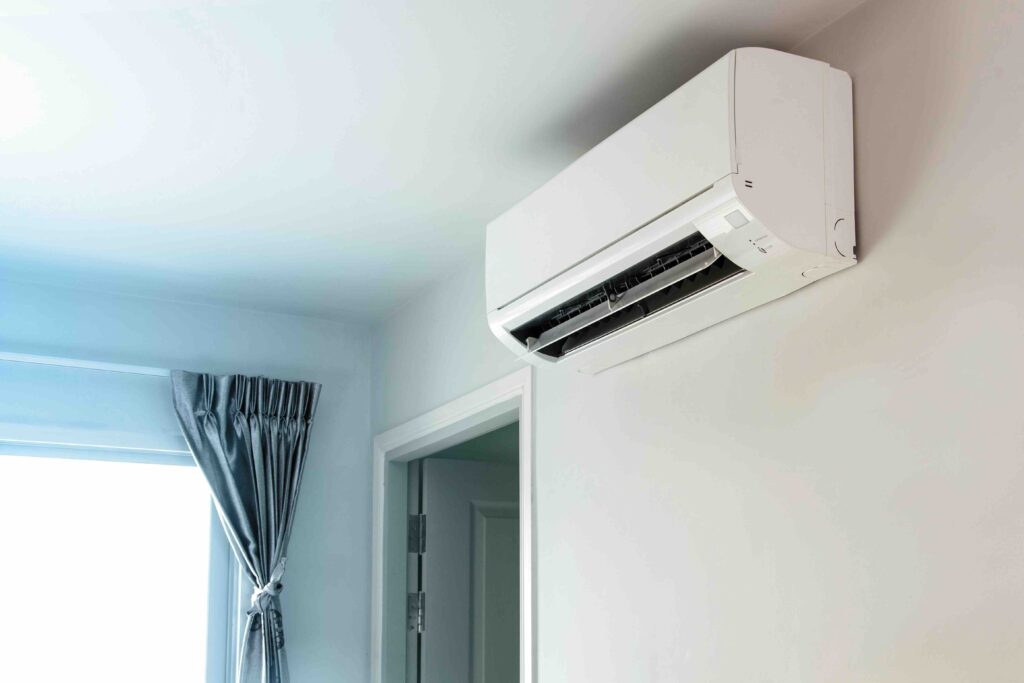
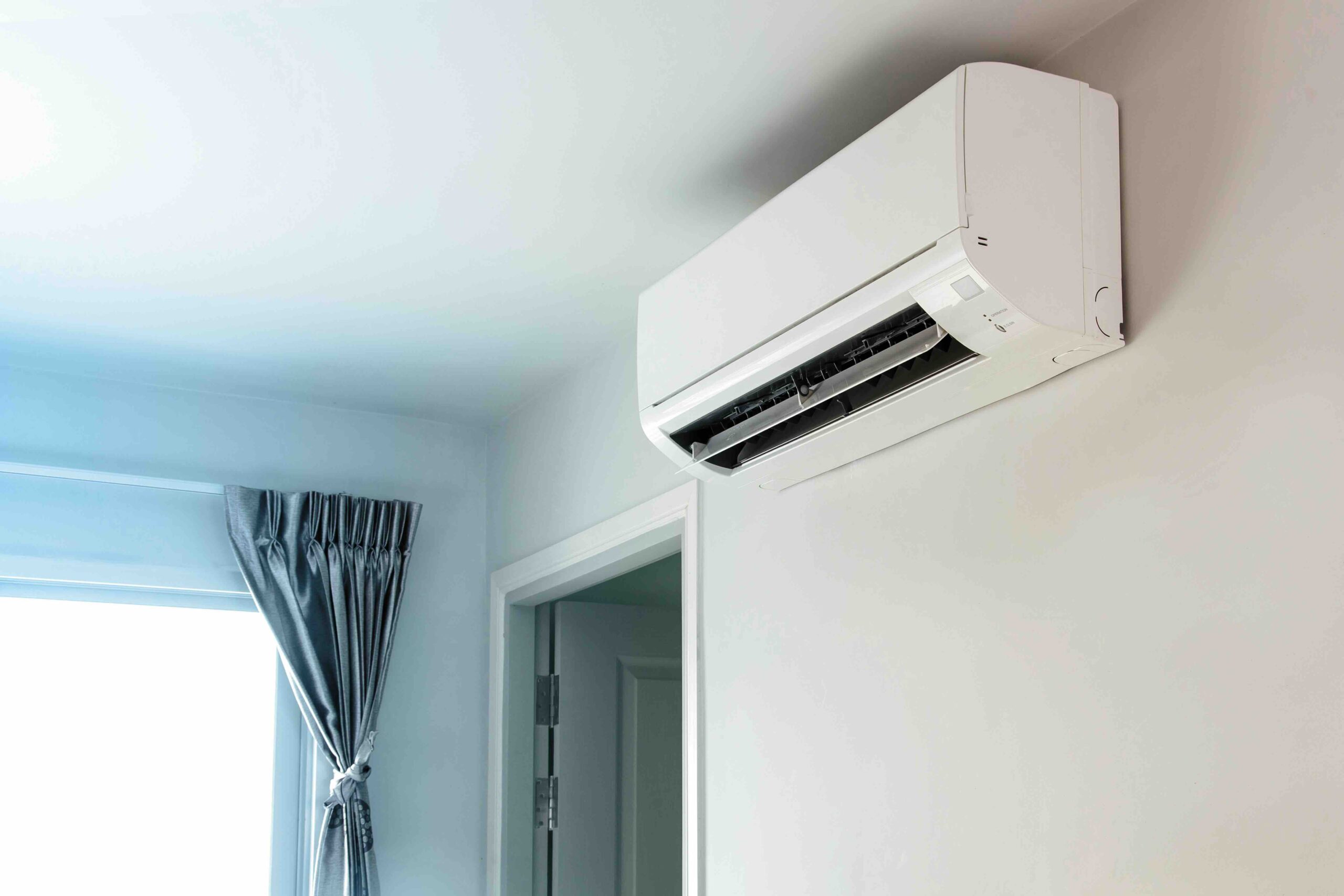
Not every home needs the same type of cooling system. The most common options are central air conditioning, ductless mini-split systems, window units, portable air conditioners, and heat pumps. Central air is the gold standard for whole-home cooling and works by pushing conditioned air through a network of ducts. Ductless mini-splits are ideal for homes without existing ductwork — they consist of an outdoor compressor and one or more indoor air handlers mounted on the wall. Window units and portable ACs are budget-friendly for single rooms but are not designed for whole-home use. Heat pumps are worth mentioning because they both cool and heat, making them an increasingly popular choice in moderate climates.
How Does a Central Air Conditioning System Actually Work?
Central air conditioning works through a refrigeration cycle. The system pulls warm air from inside your home, passes it over an evaporator coil filled with refrigerant, and the refrigerant absorbs that heat. The now-cooled air gets pushed back through your ducts and into your living spaces. The heat absorbed by the refrigerant travels to the outdoor condenser unit, where it gets released outside. This cycle repeats continuously to maintain your set temperature. The key components involved are the compressor, condenser coil, evaporator coil, air handler, and thermostat. When any one of these components fails, the entire system can be affected — which is exactly why understanding how the system works helps you catch problems early.
What SEER Rating Should You Look For?
SEER stands for Seasonal Energy Efficiency Ratio, and it measures how efficiently an air conditioner operates over an entire cooling season. The higher the SEER rating, the more efficient the unit. As of 2023, the federal minimum for new central air conditioners in most of the country is 14 SEER, but many homeowners opt for units rated 16 to 20 SEER or higher. A higher SEER rating typically means a higher upfront cost but noticeably lower monthly energy bills. If you live in a hot climate where your AC runs for a significant portion of the year, investing in a higher-efficiency unit usually pays for itself over time. If you are in a milder climate, a mid-range SEER unit might be the smarter financial decision.

How to Size an Air Conditioner Correctly for Your Home
Sizing is one of the most misunderstood parts of buying an air conditioner. Bigger is not always better. An oversized unit will cool your space quickly but cycle on and off too frequently, a problem known as short cycling. This not only wastes energy but also puts excessive strain on the compressor. An undersized unit will run constantly and still struggle to keep up on the hottest days. Proper sizing is determined through a Manual J calculation, which factors in your home’s square footage, ceiling height, insulation levels, window placement, local climate, and more. A licensed HVAC technician should perform this calculation before recommending a system. Do not let any contractor skip this step.
Key Advantages of Upgrading to a New Air Conditioning System
If your current system is more than ten to fifteen years old, upgrading can deliver meaningful benefits beyond just better cooling. Modern air conditioners are substantially more energy-efficient, which translates directly to lower utility bills. Newer systems also offer improved air quality features, quieter operation, and smart thermostat compatibility for remote control and scheduling. Variable-speed compressors found in premium models adjust their output based on demand rather than cycling fully on or off, which provides more consistent temperatures and significantly reduces energy consumption. Additionally, a new system comes with a manufacturer’s warranty, giving you a safety net during those critical early years of ownership.
Common Drawbacks and Problems Homeowners Should Know About
No system is without its challenges. Central air conditioning requires ductwork, which is an added cost if your home does not already have it. Ductless mini-splits solve that problem but come with a higher installation cost per zone. Portable units are convenient but generally inefficient and not suitable as a primary cooling solution. Across all system types, here are the most common issues homeowners encounter:
- Refrigerant leaks that reduce cooling capacity and require professional repair
- Clogged air filters that restrict airflow and overwork the system
- Frozen evaporator coils caused by poor airflow or low refrigerant levels
- Capacitor or contactor failures that prevent the unit from starting
- Thermostat malfunctions that cause inaccurate temperature readings
Practical Maintenance Tips to Extend the Life of Your AC
Routine maintenance is the single most effective way to extend the life of your air conditioning system and prevent expensive breakdowns. Most manufacturers recommend scheduling professional HVAC maintenance at least once per year, ideally in the spring before cooling season begins. Between professional visits, there are several things homeowners can handle on their own:
- Replace or clean air filters every one to three months depending on usage
- Keep the outdoor condenser unit clear of debris, leaves, and vegetation
- Check and clean condensate drain lines to prevent water damage and mold
- Inspect duct registers for blockages or visible damage
- Program your thermostat to reduce strain during peak heat hours
What to Expect When Installing a New Air Conditioner
Installation day typically takes anywhere from four to eight hours for a standard central air system replacement. A qualified technician will remove the old equipment, install the new indoor and outdoor units, check refrigerant lines and electrical connections, test system performance, and walk you through basic operation. For a new installation requiring ductwork, the project can span multiple days. Always work with a licensed, insured HVAC contractor and pull the required permits. Skipping permits may seem like a time-saver, but it can create serious problems when it is time to sell your home or file an insurance claim.
Why Armadillo Should Be Part of Your Home Cooling Strategy
Here is something worth thinking about: even the best air conditioner for your home is still a machine, and machines eventually break down. When your system fails in the middle of August, the last thing you want to be doing is scrambling to find a technician or stressing over a repair bill that runs into the thousands. That is where Armadillo home warranty coverage for HVAC systems and major appliances makes a real difference. Armadillo offers straightforward, transparent protection that covers the repair and replacement of major systems including your central air conditioning — without the fine print surprises that tend to come from other providers. If you are a homeowner who just invested in a new AC system or is planning to, now is the right time to get a personalized home warranty quote that covers your air conditioning system and see exactly what protection looks like for your specific home. Cooling system repairs are among the most common and costly claims homeowners file, and having a plan in place before something goes wrong is simply smart homeownership.
Frequently Asked Questions About Choosing the Best Home Air Conditioner
These are the questions homeowners most commonly ask when navigating the decision to buy, upgrade, or maintain a home air conditioning system.
What is the best type of air conditioner for a whole home?
Central air conditioning is generally considered the best option for whole-home cooling because it distributes conditioned air evenly through a duct system and operates efficiently at scale. Ductless mini-splits are an excellent alternative for homes without ductwork.
How long does a home air conditioner typically last?
Most central air conditioning systems last between 15 and 20 years with proper maintenance. Units that are neglected or run in extreme climates may fail closer to the 10-year mark.
What SEER rating is considered good for a home AC unit?
A SEER rating of 16 or higher is considered good for most homeowners. For those in hot climates with extended cooling seasons, a rating of 18 to 21 offers meaningful long-term energy savings.
How often should I replace my air conditioner’s filter?
Most filters should be replaced every one to three months. Homes with pets, allergy sufferers, or high dust levels may need more frequent changes, closer to every 30 days.
What causes an air conditioner to stop cooling effectively?
The most common causes include low refrigerant due to a leak, a dirty or clogged air filter, a frozen evaporator coil, a failing compressor, or a malfunctioning thermostat.
Is a ductless mini-split system worth the cost?
For homes without existing ductwork, ductless mini-splits are absolutely worth the investment. They are highly efficient, allow for zone-based temperature control, and eliminate the energy losses associated with duct systems.
Can a home warranty cover air conditioning repairs?
Yes. Many home warranty plans include coverage for central air conditioning systems, including components like the compressor, refrigerant lines, and air handler. Coverage details vary by provider and plan.
What size air conditioner do I need for a 2,000 square foot home?
As a general starting point, a 2,000 square foot home typically requires around a 3 to 3.5 ton system, but the correct size depends on insulation, climate, ceiling height, and window exposure. Always have a Manual J calculation performed before purchasing.
How much does it cost to replace a central air conditioning system?
Replacement costs typically range from $3,500 to $7,500 or more depending on the system size, efficiency rating, brand, and local labor rates. New ductwork, if needed, adds significant additional cost.
When is the best time of year to buy a new air conditioner?
Late fall and early winter are generally the best times to purchase a new air conditioner. Demand for HVAC services is lower during cooler months, which can mean faster installation scheduling and occasional pricing incentives from contractors and manufacturers.