Why Your Home Smells Like a Pet and What You Can Actually Do About It
If you share your home with a dog or cat, you already know the struggle. It starts with one accident, maybe two, and before long the carpet has absorbed more than you realize. Pet odors are stubborn because they work their way deep into carpet fibers and the padding underneath. The smell lingers even after you think you have cleaned it thoroughly. Understanding how carpet odor removers actually work, what makes the best ones effective, and how this fits into the broader picture of maintaining a healthy home is something every pet owner should know. This is that breakdown.
What Makes Pet Odors Different From Other Carpet Smells
Pet urine is not just a surface problem. When a pet has an accident on carpet, the liquid penetrates through the fiber layer, into the backing, and often saturates the padding below. As it dries, it leaves behind uric acid crystals that are nearly odorless when dry but reactivate with humidity. That is why a room that seemed fine yesterday suddenly smells terrible on a rainy afternoon. Bacterial breakdown of organic material in pet waste also produces ammonia and mercaptans, which are among the most pungent compounds found in household odor situations. Standard carpet cleaners mask the smell temporarily. The best carpet odor removers for pets are engineered to break down those compounds at the molecular level.
How Enzymatic Carpet Cleaners Actually Work
The most effective pet odor removers on the market today rely on enzymatic technology. Enzymes are biological catalysts, proteins that accelerate specific chemical reactions. In carpet odor removers, these are typically protease enzymes that target protein-based waste, urease enzymes that break down urea in urine, and lipase enzymes that go after fat-based residues. When you apply an enzymatic cleaner to an affected area and let it sit, the enzymes get to work consuming the organic material that is causing the odor. Once that material is gone, there is nothing left to smell. This is fundamentally different from using a deodorizer or fragrance spray, which simply covers the odor with something stronger rather than eliminating it. Enzymatic cleaners need dwell time, usually between ten and thirty minutes, to be fully effective.

What to Look for in the Best Carpet Odor Remover for Pets
Not every product labeled as a pet odor remover actually delivers results. When evaluating options, these are the qualities that consistently separate effective products from underwhelming ones.
- Enzymatic formula with multiple enzyme types targeting urine, feces, and vomit
- pH-balanced solution that is safe for carpet fibers and backing materials
- Free of chlorine, bleach, and harsh solvents that can damage carpet or irritate pets
- Effective on both fresh stains and dried, set-in odors
- Compatible with carpet cleaning machines as well as manual application
- Certified safe for use around children and animals after drying
Products that consistently receive high marks in independent testing and customer experience include Rocco and Roxie Professional Strength Stain and Odor Eliminator, Nature’s Miracle Advanced Stain and Odor Eliminator, and Bissell Pet Stain and Odor Remover. Each of these uses enzymatic action and has demonstrated real-world performance on urine-soaked carpet, which is the hardest test any pet odor product faces.
The Right Way to Apply Carpet Odor Remover
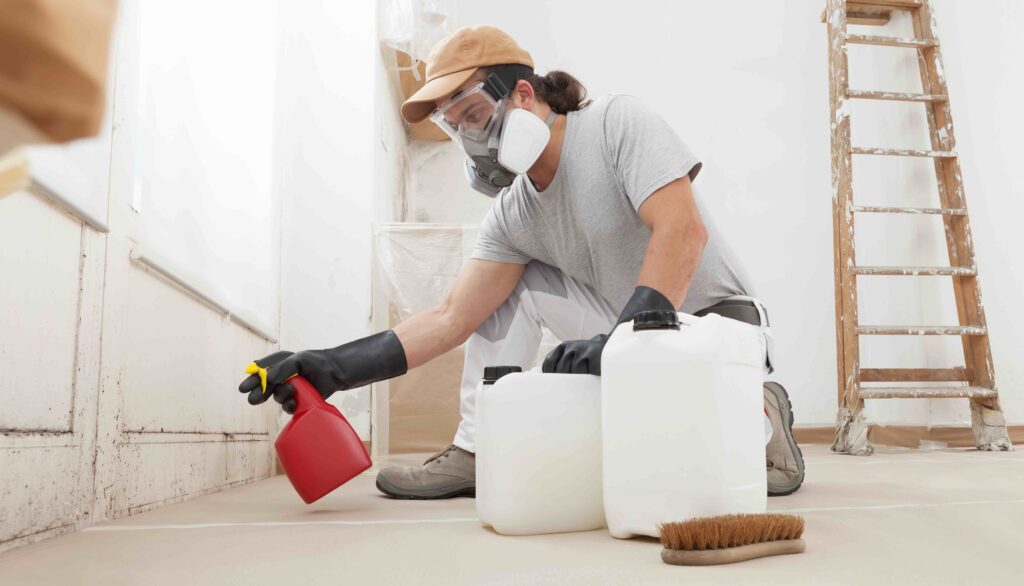
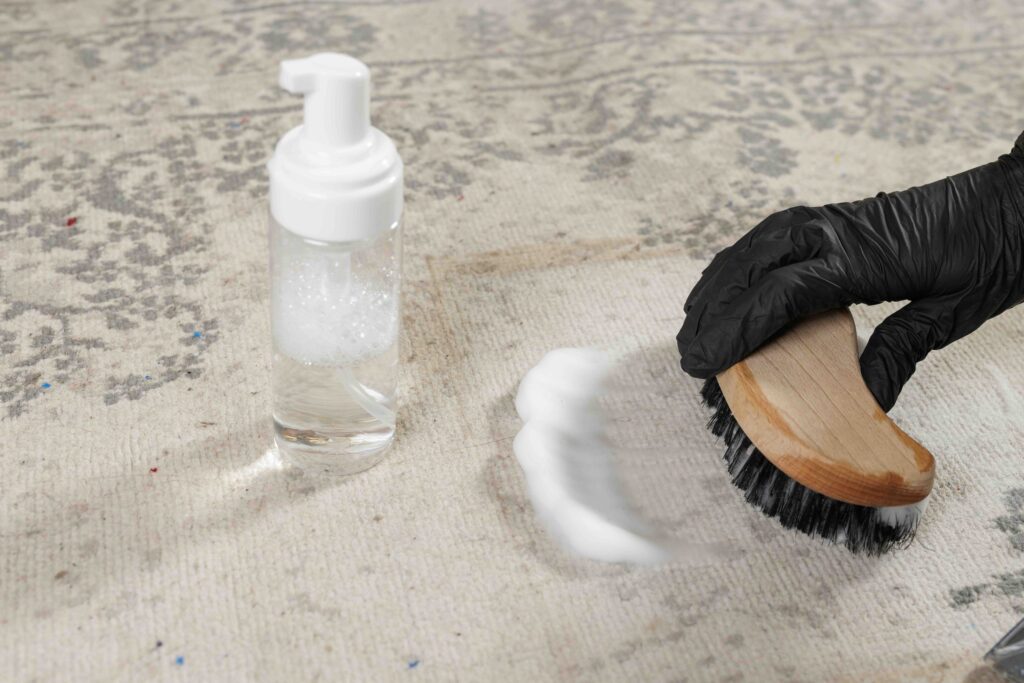
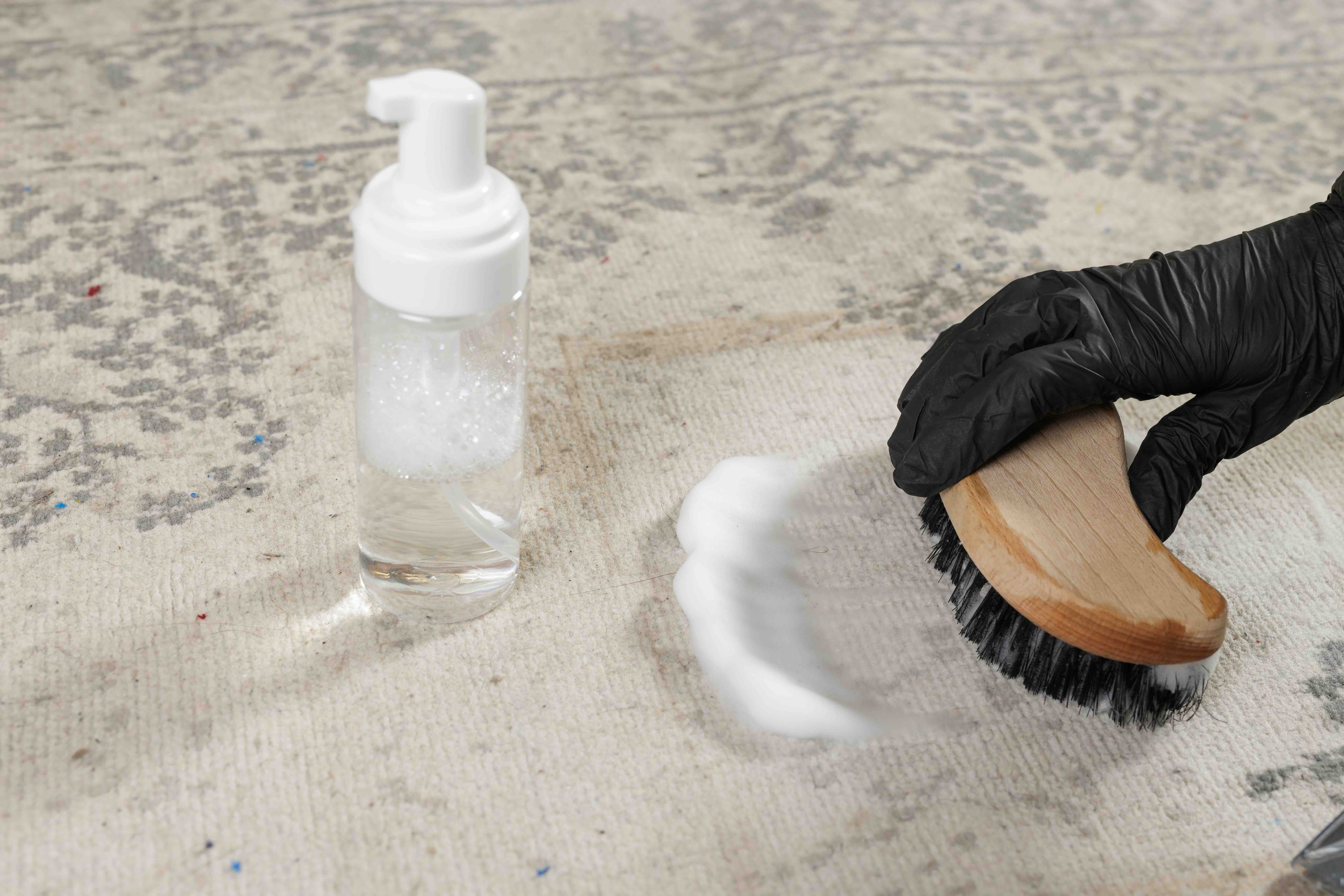
Application method matters as much as product quality. Spray the affected area generously, making sure the cleaner reaches as deep as the urine did. For older stains, this may mean saturating the carpet until you feel resistance in the padding. Cover the area with a clean cloth or plastic sheet to slow evaporation and give the enzymes time to work. Let the product sit for at least fifteen minutes before blotting, never rubbing, the area dry. Once dry, vacuum the area to restore carpet texture. For deeply embedded odors, a second application twenty-four hours later often produces noticeably better results.
Common Mistakes That Make Pet Odors Worse
Several well-intentioned cleaning habits can actually make pet odor problems harder to resolve. Using steam cleaners on fresh urine is one of the most common errors. Heat sets protein-based stains and odors permanently into carpet fibers. Applying bleach or ammonia-based cleaners is another mistake because ammonia smells similar to urine to a pet, which can encourage repeat accidents in the same spot. Using too little product is equally problematic since under-applying an enzymatic cleaner means the enzymes never reach the deepest layers where odor compounds are concentrated. Patience is also essential. Enzymatic cleaners require time to work, and removing them too early stops the reaction before it is complete.
How Carpet Odor Connects to Home Maintenance and Indoor Air Quality
Pet odor in carpet is not just a comfort issue. It is a home health issue. Persistent organic material in carpet creates a hospitable environment for bacteria and mold, particularly when combined with moisture. Over time, unaddressed pet accidents can compromise carpet backing and even subflooring. In homes with older HVAC systems or limited ventilation, pet odor compounds recirculate through the air supply and affect indoor air quality throughout the home. Maintaining clean carpets, using effective odor removers, and ensuring adequate ventilation are all connected parts of responsible home upkeep. This is the kind of thing that homeowners sometimes overlook until a larger problem surfaces.
When Carpet Cleaning Is Not Enough and Replacement Becomes Necessary
There is a point at which even the best enzymatic cleaner cannot fully resolve a pet odor situation. If urine has reached the subfloor and soaked into wood or concrete, the carpet and padding must be removed and the subfloor treated separately before new flooring is installed. Signs that you have crossed this threshold include odor that returns within days of cleaning, visible staining that covers large areas, and a persistent smell even when the room is cold and dry. At that stage, professional remediation or full carpet replacement becomes the practical path forward. This is where understanding your home protection options becomes genuinely useful.
Why Home Warranty Coverage Is Worth Thinking About for Pet-Owning Homeowners
Keeping a home in good condition when pets are part of the household requires consistent attention to everything from flooring to appliances. Pet owners tend to run their home systems harder. HVAC filters clog faster with pet dander. Washers and dryers see heavier use from pet bedding and towels. Plumbing occasionally encounters grooming-related blockages. These are the kinds of compounding maintenance realities that a home warranty plan built for real-world pet households is designed to address. Armadillo offers straightforward, transparent coverage for the home systems and appliances that matter most, with no runaround when it is time to file a claim. If you are ready to protect your home from the unexpected costs that come with everyday wear, get a free home warranty quote for pet-friendly household coverage and see exactly what is covered before you commit to anything.
Frequently Asked Questions About Pet Carpet Odor Removers and Home Care
Answers to the questions homeowners ask most often about removing pet odors from carpet and protecting their home.
What is the best carpet odor remover for pet urine?
Enzymatic cleaners are the most effective option for pet urine because they break down uric acid crystals and organic compounds at the source rather than masking the smell. Rocco and Roxie, Nature’s Miracle, and Bissell Pet Stain and Odor Remover are consistently top-rated among pet owners and professional cleaners.
Does baking soda actually remove pet odors from carpet?
Baking soda absorbs mild surface odors and can provide temporary relief, but it does not break down uric acid crystals or eliminate the bacterial compounds that cause deep pet urine smell. It works best as a follow-up step after enzymatic treatment, not as a standalone solution.
How long do I need to leave enzymatic cleaner on carpet?
Most enzymatic cleaners require a minimum of ten to thirty minutes of dwell time to be effective. For older or heavily saturated stains, leaving the product on for up to an hour before blotting produces better results.
Can steam cleaning remove pet odors?
Steam cleaning can help with general carpet freshness but should not be used on pet urine stains until after enzymatic treatment is complete. The heat from steam can set protein-based odors permanently into carpet fibers if applied before the organic material has been broken down.
Why does the pet odor smell worse when it rains or the humidity rises?
Uric acid crystals left behind by dried pet urine reactivate when exposed to moisture. Humid air causes these crystals to release odor compounds again, which is why a carpet that seemed clean can suddenly smell strongly during damp weather.
Is it safe to use carpet odor removers around pets and children?
Most enzymatic carpet odor removers are formulated to be non-toxic and safe once fully dry. Always check the product label for specific safety certifications and keep pets and children away from treated areas until the carpet has dried completely.
How do I know if the pet odor has reached the subfloor?
If odor persists after multiple rounds of enzymatic treatment, returns within a few days of cleaning, or is detectable even in cold and dry conditions, it is likely that urine has soaked through the carpet and padding into the subfloor. At that point, professional remediation or carpet replacement is typically necessary.
Does a home warranty cover carpet damage from pets?
Standard home warranty plans typically cover home systems and appliances rather than flooring or cosmetic damage. However, some plans offer add-on coverage options. It is worth reviewing your specific policy to understand what is and is not included.
How often should I treat carpets for pet odors if I have multiple pets?
In multi-pet households, spot treating immediately after each accident is the most effective approach. Doing a full enzymatic treatment on high-traffic pet areas every one to three months helps prevent odor buildup, even in areas that appear clean.
Can professional carpet cleaning fully eliminate pet odors?
Professional hot water extraction cleaning combined with enzymatic pre-treatment can significantly reduce or eliminate pet odors in most cases. However, if the padding or subfloor is affected, professional cleaning alone will not fully resolve the problem, and those materials will need to be addressed separately.