Why the Right Caulk for Your Tub and Shower Actually Matters More Than You Think
Most homeowners do not give caulk a second thought until something goes wrong. Water starts seeping behind tiles. A dark line of mold appears along the tub edge. Paint bubbles near the baseboard. Suddenly, that thin strip of sealant you ignored for three years is the reason you are looking at a potential water damage repair. The best caulk for tub and shower applications is not a minor detail — it is a first line of defense for one of the most moisture-heavy spaces in your entire home. Getting it right is a straightforward decision once you understand what you are actually choosing between.
What Tub and Shower Caulk Actually Does
Caulk is a flexible sealant applied along joints and seams — think the line where your bathtub meets the wall, or where the shower pan meets the tile surround. Its primary job is to create a watertight seal that prevents moisture from sneaking into the structural layers behind your walls and under your floors. Unlike grout, which is rigid and primarily fills gaps between tiles, caulk is designed to flex with the natural expansion and contraction that happens as temperatures change. If you have ever noticed cracked grout in a corner joint, it is likely because someone used grout where caulk should have been used instead. The distinction matters, and so does the type of caulk you select.
The Main Types of Caulk Available for Wet Areas
Walk into any hardware store and you will see a wall of options. Here is what actually matters in a bathroom context. The three most relevant types for tub and shower use are silicone, latex with silicone, and pure siliconized latex. Each has a different personality, so to speak. Pure silicone caulk offers maximum waterproofing and longevity — it bonds exceptionally well to non-porous surfaces like porcelain, fiberglass, and glass. Siliconized latex, sometimes called latex-silicone blend, is easier to apply, cleans up with water, and can be painted over. It is the more beginner-friendly option. Hybrid formulas split the difference, offering good adhesion and flexibility with easier workability than pure silicone.
Silicone vs. Latex: Which One Wins for Showers and Tubs
This is genuinely one of the more useful comparisons a homeowner can make before starting a caulking project. Silicone is widely considered the best caulk for tub and shower environments because of its superior resistance to water, mildew, and temperature shifts. It does not shrink much over time and maintains its seal for longer — often seven to ten years or more with proper application. The downside is that silicone is harder to apply cleanly, does not accept paint, and requires mineral spirits or acetone for cleanup. Latex-based options are more forgiving during application and paintable, but they tend to break down faster in consistently wet environments. For a primary shower or a heavily used bathtub, silicone or a high-quality silicone hybrid is the better long-term investment.

Features to Look for in a Quality Bathroom Caulk
Not all caulks labeled for bathroom use are created equal. When evaluating your options, focus on a few key characteristics that directly affect performance and longevity in wet environments.
- Mold and mildew resistance: Look for formulas with built-in antimicrobial protection, especially in showers that do not get much ventilation.
- Flexibility rating: A good bath caulk should remain flexible after curing to accommodate natural movement without cracking.
- Adhesion surface compatibility: Check that the product bonds to the specific surfaces in your bathroom, whether that is ceramic tile, fiberglass, acrylic, or natural stone.
- Cure time: Most silicone caulks require 24 hours before water exposure. Some fast-cure options are ready in as little as three hours — useful if you cannot take a shower out of commission for long.
- Color options: White and clear are most common, but almond, biscuit, and gray are available for tile matching.
Common Mistakes Homeowners Make When Caulking
Even the best product can fail if it is not applied correctly. The most common issue is applying new caulk directly over old caulk. Layering caulk traps moisture between the layers, creates an uneven surface, and virtually guarantees premature failure. The old material must be fully removed, the surface cleaned, dried completely, and in many cases treated with a mold-killing solution before any new caulk is applied. Another frequent mistake is caulking a dry, empty tub. The tub should be filled with water first, which causes it to settle under weight. Once the caulk cures and you drain the tub, the joint maintains tension rather than pulling away from the wall — a small step that makes a real difference.
How Long Does Bathroom Caulk Typically Last
A quality silicone caulk, properly applied to a prepared surface, can last anywhere from five to ten years. Latex-based formulas in wet areas may need replacement in two to five years, especially if the bathroom is used frequently or lacks proper ventilation. Caulk degrades faster when exposed to harsh cleaning chemicals, abrasive scrubbing, or persistent mold. Homeowners should inspect caulk lines every year as part of a regular home maintenance check. Signs that replacement is needed include visible cracks, separation from the surface, discoloration that does not clean off, or soft and spongy texture. Catching these early prevents the far more expensive issue of water intrusion behind walls.
What Happens When Caulk Fails and Water Gets In
This is where a small caulk repair quickly becomes a larger conversation. When water penetrates compromised seams, it can saturate the drywall or backer board behind the tile. Over time, this leads to mold growth inside the wall cavity, structural deterioration, and sometimes subfloor damage. These are not inexpensive fixes. Depending on the extent of damage, homeowners may face repairs ranging from a few hundred dollars to several thousand. This is also where home warranty coverage becomes a relevant consideration. A home warranty plan does not cover cosmetic maintenance like recaulking, but it can cover the downstream effects — plumbing components, certain water damage scenarios, and systems that are damaged as a result of larger failures within covered systems.
Practical Tips for a Clean, Lasting Caulk Application
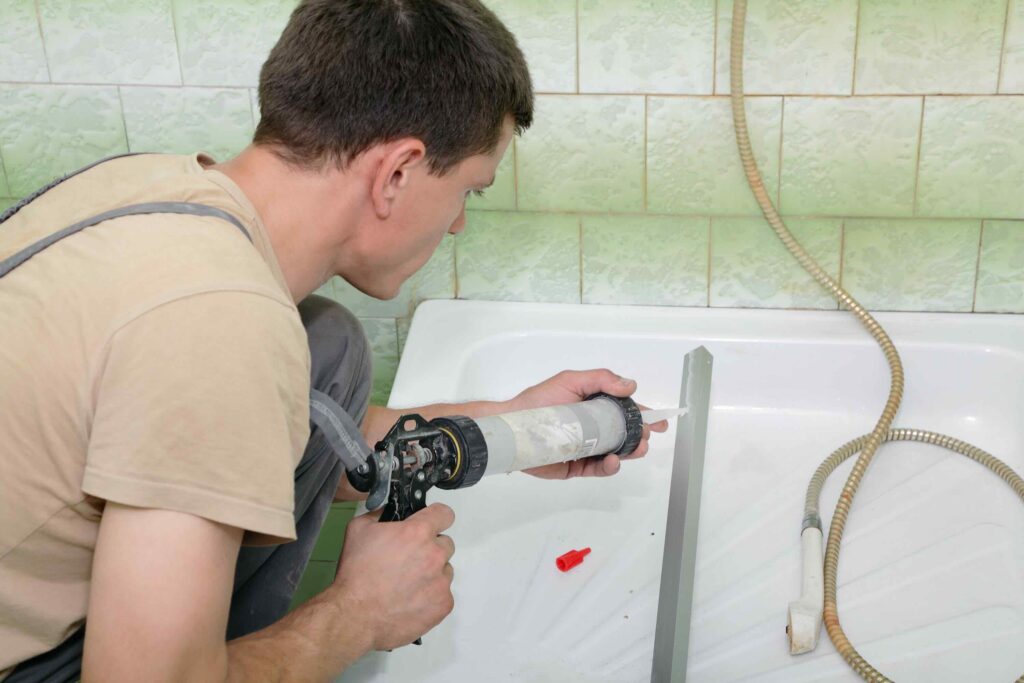
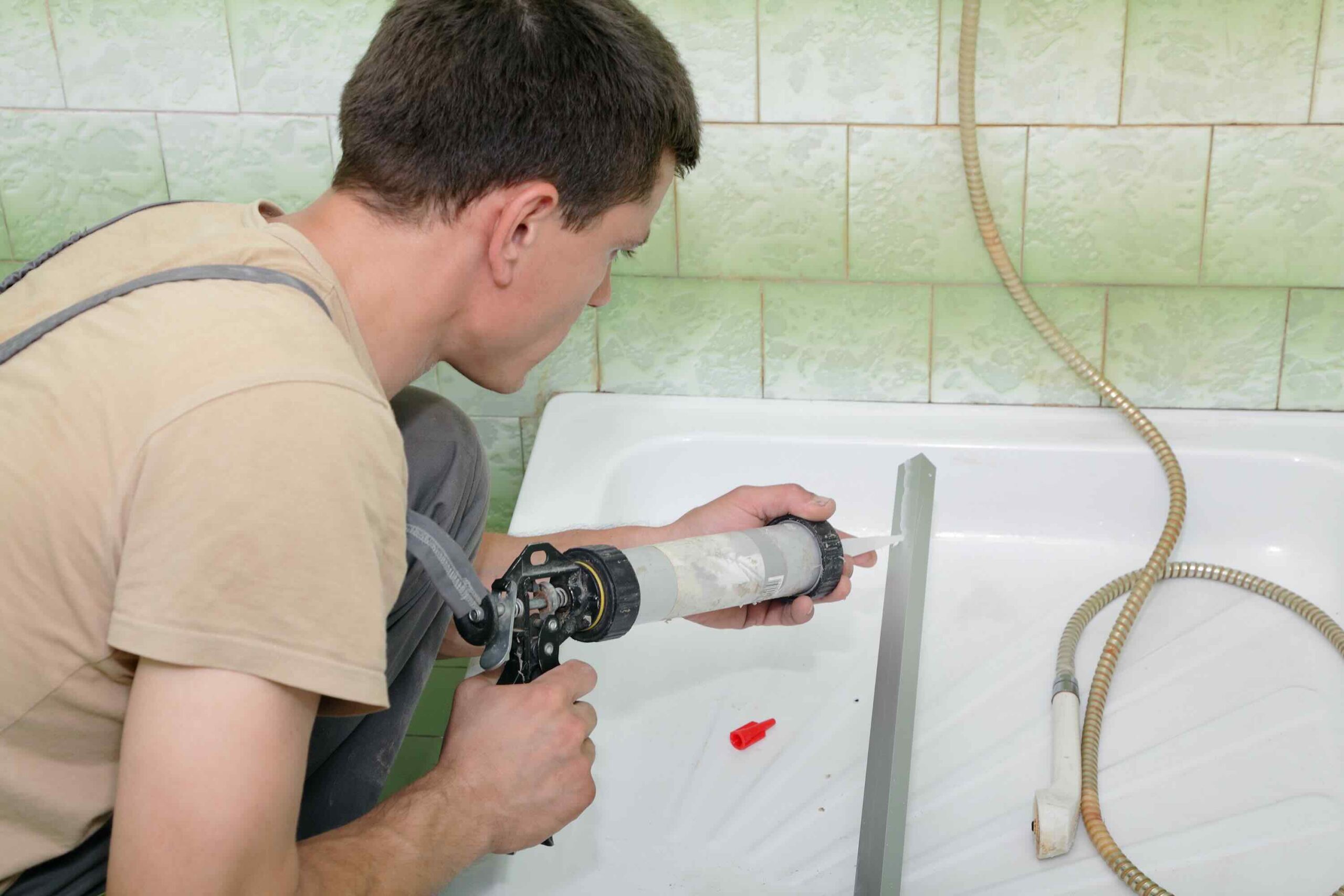
Getting professional-looking results at home is absolutely achievable with the right technique. Start by removing every trace of the old caulk using a caulk removal tool and applying a mold remover to the joint. Let the surface dry for at least 24 hours — more if you see any residual moisture. Apply painter’s tape on both sides of the joint for clean edges. Cut the caulk tube at a 45-degree angle, keeping the opening small for precision. Apply in one smooth, continuous stroke. Use a gloved finger or a caulk finishing tool, dampened with water or a soap solution for silicone, to smooth the bead before it skins over. Remove tape immediately while the caulk is still wet, pulling it back at an angle. Allow full cure time before any water exposure.
How Armadillo Helps Protect the Bigger Picture of Your Home
Caulk is something every homeowner can manage on their own, and staying on top of it is genuinely one of the better preventive maintenance habits you can build. But home systems are connected, and small failures in one area have a way of creating larger problems elsewhere. That is exactly the kind of unpredictability that Armadillo home warranty protection for plumbing and home systems is designed to address. When a caulk failure leads to something bigger — a corroded pipe, a compromised drain, or a malfunctioning exhaust fan — having a home warranty in place means you are not starting from zero when the repair bill arrives. If you want straightforward, no-surprise coverage without the fine print gymnastics, you can get a free home warranty quote for bathroom and plumbing coverage in just a few minutes. Armadillo keeps things simple so you can focus on the house instead of the headache.

Frequently Asked Questions About the Best Caulk for Tub and Shower
These are the questions homeowners ask most often when it comes to selecting and applying caulk in wet bathroom environments.
What is the best type of caulk to use in a shower?
Pure silicone or a high-quality silicone hybrid caulk is widely considered the best choice for showers due to its superior waterproofing, flexibility, and mold resistance. It outlasts latex-based alternatives in consistently wet environments.
How often should I replace caulk in my bathroom?
Silicone caulk in good condition can last five to ten years. Inspect it annually for cracking, separation, or mold that will not clean off. Replace it at the first sign of failure to prevent water intrusion behind walls.
Can I apply new caulk over old caulk?
No. Applying new caulk over old caulk traps moisture, prevents proper adhesion, and leads to premature failure. Always remove the old caulk completely and clean the surface before applying a fresh bead.
What is the difference between caulk and grout in a bathroom?
Grout is a rigid compound used to fill gaps between tiles. Caulk is a flexible sealant used at joints where two surfaces meet, such as a tub edge and a wall. Corners and transitions should always be caulked, not grouted.
How long does silicone caulk take to dry in a bathroom?
Most silicone caulks require a full 24 hours to cure before water exposure. Some fast-cure formulas are ready in three to six hours. Always check the manufacturer’s instructions and resist the urge to rush it.
Is clear or white caulk better for a shower?
It depends on your tile and fixture colors. White caulk tends to show mold buildup more visibly over time, while clear caulk can yellow slightly in certain formulations. Matching the caulk to your grout or tile color usually produces the cleanest result.
Does home warranty cover caulk replacement or water damage from failed caulk?
Home warranties generally do not cover routine maintenance like caulk replacement. However, if water infiltration from a caulk failure leads to damage in covered systems such as plumbing components, those repairs may be eligible depending on your specific plan terms.
What causes bathroom caulk to turn black?
Black discoloration in caulk is almost always mold growth. It occurs when moisture becomes trapped in or behind the caulk, often in poorly ventilated bathrooms. This caulk should be removed and replaced, and the underlying cause of moisture retention should be addressed.
Can I use kitchen and bath caulk in a shower?
Products labeled as kitchen and bath caulk are typically formulated for wet areas and often include mildew resistance. They can work in showers, but verify that the specific product is rated for full water submersion or continuous moisture exposure before using it as your primary shower sealant.
How do I get a smooth finish when applying caulk?
Apply painter’s tape along both sides of the joint before caulking. After applying the bead, use a wet gloved finger or a caulk finishing tool to smooth it in one pass. Remove the tape immediately while the caulk is still wet for clean, sharp edges.