Should My Ceiling Fan Spin Clockwise or Counterclockwise in Summer? A Homeowner’s Guide to Optimizing Airflow
When the summer heat rolls in, homeowners everywhere reach for the thermostat, adjust their blinds, and fire up fans to recalibrate the indoor comfort level. But there’s one underrated trick many miss: changing the direction of your ceiling fan. The question—should your ceiling fan spin clockwise or counterclockwise in summer?—has a direct impact on how comfortable your home feels and how efficiently your HVAC system works. Understanding how and why this switch matters is more than just a matter of direction—it’s about airflow science, energy savings, and even the longevity of your home’s climate control systems. In this article, we’ll walk you through how ceiling fans work, the science behind blade direction, and how this small adjustment can optimize comfort and smart energy use.
How Ceiling Fans Work: A Quick Overview
Ceiling fans do not actually lower a room’s temperature. Unlike air conditioners, they don’t pull heat from the air. What they do, however, is move air around the room. This manipulation of air circulation creates a wind-chill effect that makes you feel cooler, even if the room temperature remains unchanged. When air hits your skin, it helps sweat evaporate more quickly, cooling the body more efficiently. The proximity of the fan, the angle of its blades, and—most importantly—the direction in which those blades spin all determine the outcome. So when you reverse the fan’s direction, you essentially reshape how the air moves in your living space.
Summer Setting: Ceiling Fan Direction Explained
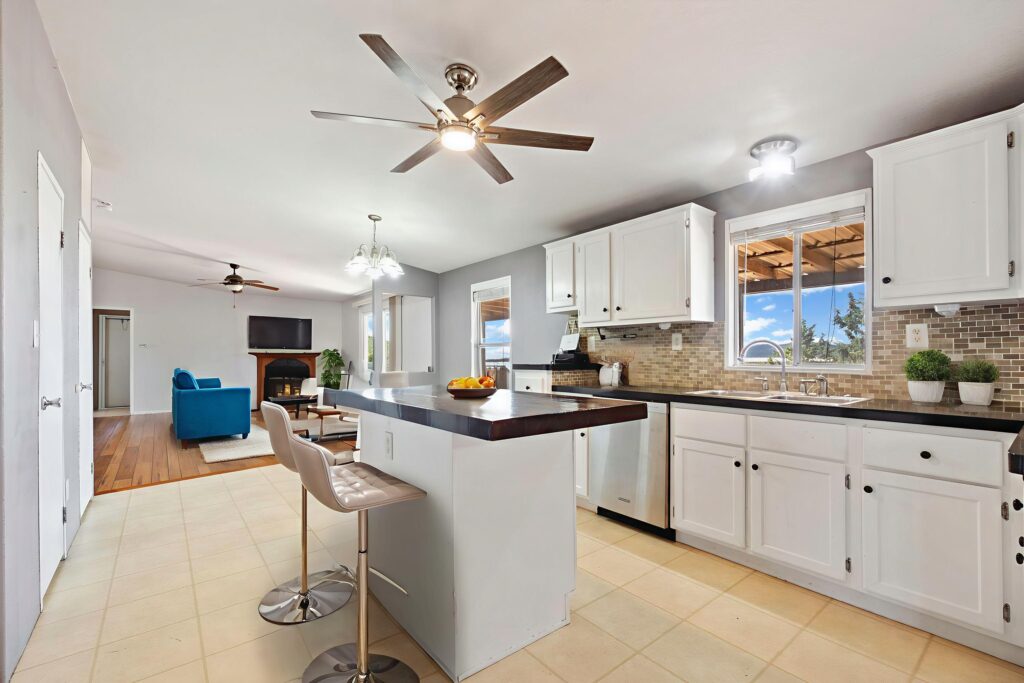
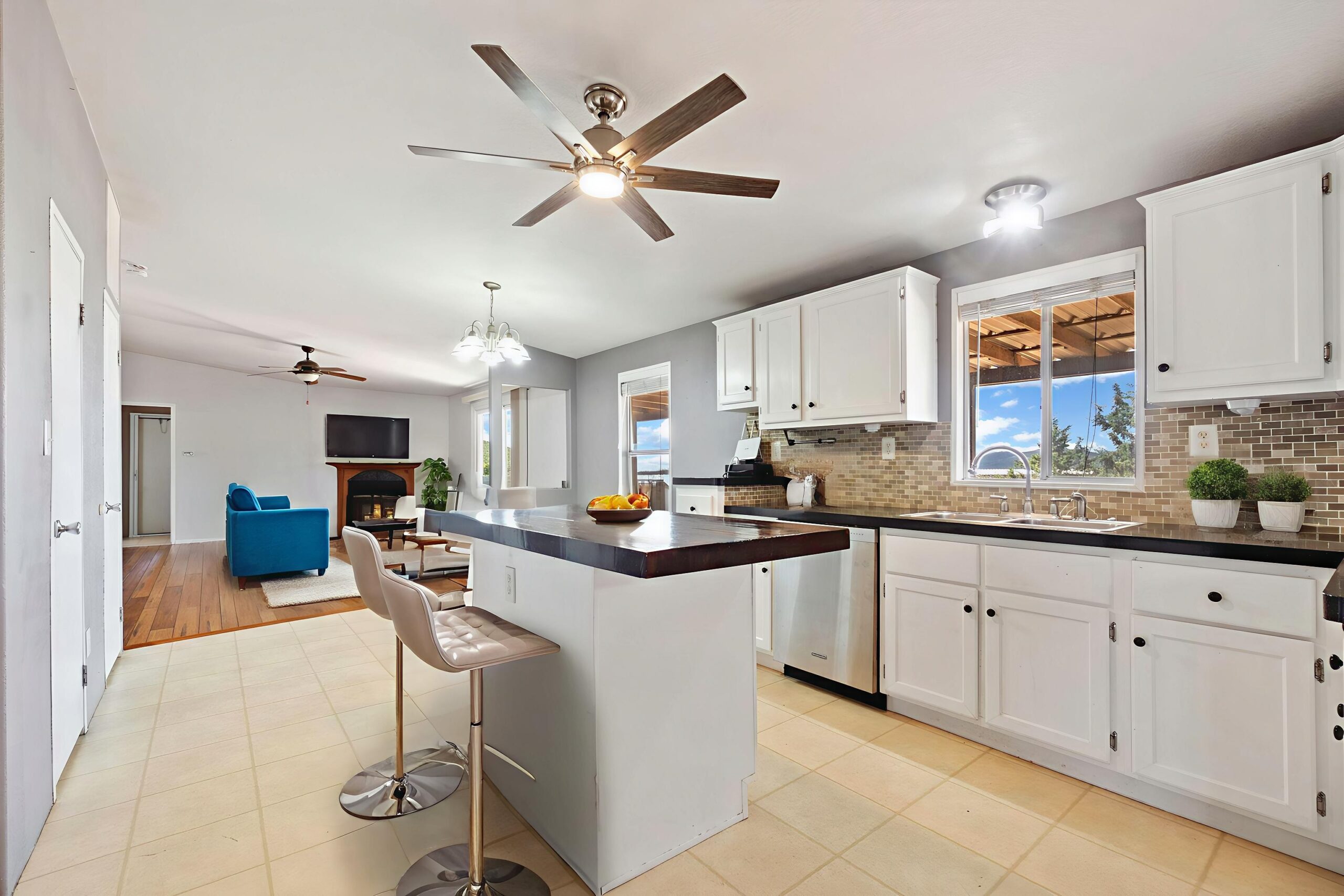
In the summer, your ceiling fan should spin counterclockwise. This means when you look up at the fan, the blades should move from left to right, creating a breeze that blows air downward. This downward airflow generates that desirable wind-chill effect across your skin, making the space feel significantly cooler without altering the actual room temperature. Because you feel cooler, you’re less likely to crank the air conditioner settings, which alleviates the load on your cooling system and lowers utility costs. This is especially helpful in rooms with high ceilings or areas where airflow tends to stagnate in the warmer months. Many ceiling fans have a small switch typically located near the motor base that lets you change direction, but some modern models automate the process based on seasonal settings.
Winter Setting: The Role Reversal
While not our focus today, it’s worth noting that in winter months, ceiling fans play the opposite role. By spinning clockwise at a low speed, they push warm air—naturally rising to the ceiling—downward without creating a breeze. This redistribution keeps rooms warmer with less strain on your heating unit. When fans are used seasonally in this way, they serve a year-round utility purpose and help simplify how your home maintains desirable consistent temperatures. That makes them not only a practical fixture but also an energy-conscious investment.
The Energy Efficiency Connection
Switching your ceiling fan’s direction can contribute to significant energy savings over time. Consider how your air conditioning system functions: when your indoor temperature rises, the thermostat instructs the A/C to push out cooled air until its sensors detect the pre-set temperature. When a ceiling fan runs counterclockwise in summer, it makes the air feel cooler, prompting homeowners to set the thermostat a few degrees higher. This hedge reduces the workload on the air conditioning system. Lower usage of mechanical cooling systems typically translates to lower electricity costs, less wear and tear on HVAC components, and fewer breakdowns—especially during peak seasonal demands. This subtle recalibration can add up, particularly over years of consistent usage.
Airflow Zones and Room-by-Room Considerations
Strategic fan use varies depending on your home’s layout. In open-concept floor plans, large ceiling fans in central living areas can influence multiple spaces at once. Keeping your fan spinning the right direction offers widespread airflow coverage, compensating for rooms that may otherwise be tough to cool evenly. In bedrooms or offices, where smaller, isolated ceiling fans are installed, the impact is localized but no less important. Areas like kitchens and sunrooms often get warmer than other zones in the house, so making sure those fans are pushing cool air down becomes crucial. For multi-story homes, distributing fans correctly on both levels ensures consistent airflow and supports your HVAC system’s overall efficiency.
Common Drawbacks and Homeowner Mistakes
Ceiling fans are relatively simple devices, but they do present potential problems when misunderstood or misused. Improper installation may result in unstable mounts and noisy operation, while blade accumulation—yes, dust—can hamper air movement and create indoor air quality issues. But among the most frequent missteps homeowners make is forgetting to reverse the fan direction seasonally. Another common mistake: setting the fan speed too high, which may create more discomfort than benefit, especially in rooms where papers, curtains, or lightweight items might be affected. Lastly, relying solely on ceiling fans to cool spaces without supplementary ventilation can be ineffective in extreme temperatures. Ceiling fans perform at their best as complements, not replacements, to traditional cooling systems.
Protecting Your Home Systems with Smart Maintenance
While ceiling fans may seem low-risk compared to larger appliances or systems, they contribute significantly to the broader ecosystem of your home’s climate control. When used properly, they alleviate pressure on HVAC systems, extend the lifespan of expensive mechanical units, and help you avoid unnecessary service calls. Still, fans do wear down. Motor malfunctions, electrical faults, or pull-chain failures are not uncommon. And because they’re used year-round, proactive maintenance is essential. Depending on your home warranty plan, ceiling fans may be included as covered items, helping you mitigate the cost of repairs or replacements. Pairing solid usage habits with warranty-backed coverage forms a reliable, homeowner-first approach to indoor comfort and budget protection.
Why a Home Warranty from Armadillo Makes Sense
Making the most of your ceiling fan isn’t just about seasonal tweaks—it’s about optimizing your entire home environment. When you adjust the fan direction properly, you’re already protecting your HVAC system from burnout. But even smart habits can’t prevent every mechanical failure. That’s where Armadillo steps in. With customizable, transparent home warranty coverage designed to protect appliances and systems—including climate control support mechanisms like ceiling fans—Armadillo equips homeowners with peace of mind. Ensure your home stays efficient and protected no matter the season. Learn more at armadillo.one or get started with a personalized plan that fits your zip code and your lifestyle at our plan builder.