What Is a Central Air Conditioning Unit and Why Does It Matter for Your Home?
If you have ever walked into a cool, comfortable home on a sweltering summer afternoon, you already understand the value of a well-functioning central air conditioning system. Central AC is one of the most relied-upon systems in any home, and yet most homeowners have only a surface-level understanding of how it actually works. That gap in knowledge can lead to costly mistakes, deferred maintenance, and unexpected repair bills. So let us fix that. Whether you are shopping for a new unit, troubleshooting an existing one, or just trying to understand what that humming box outside your house actually does, this guide breaks it all down in plain language.
How a Central Air Conditioning System Actually Works
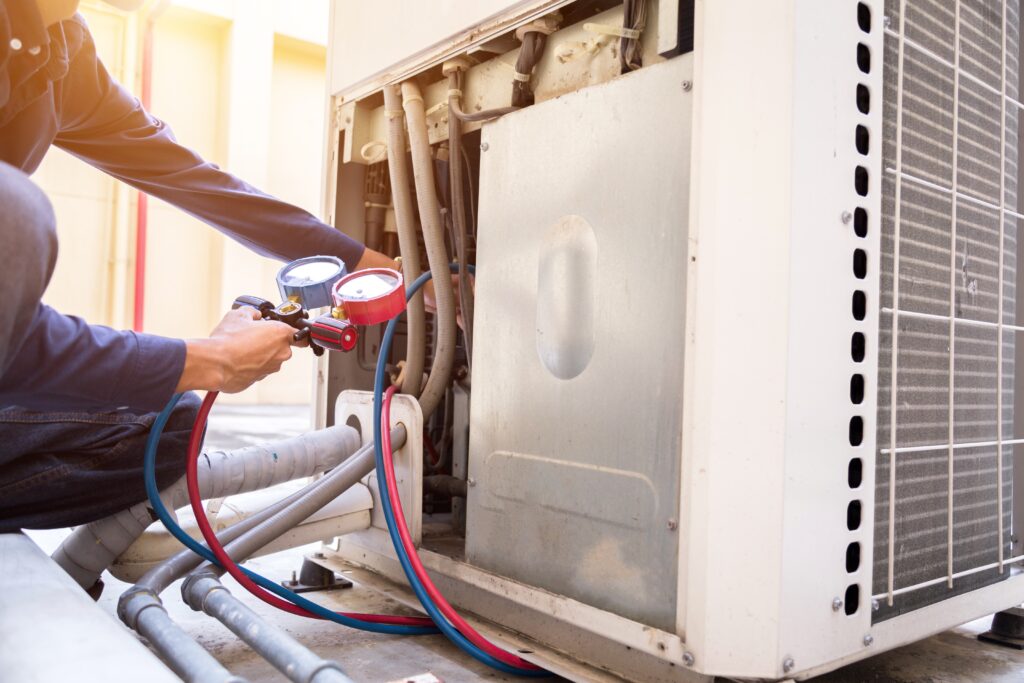
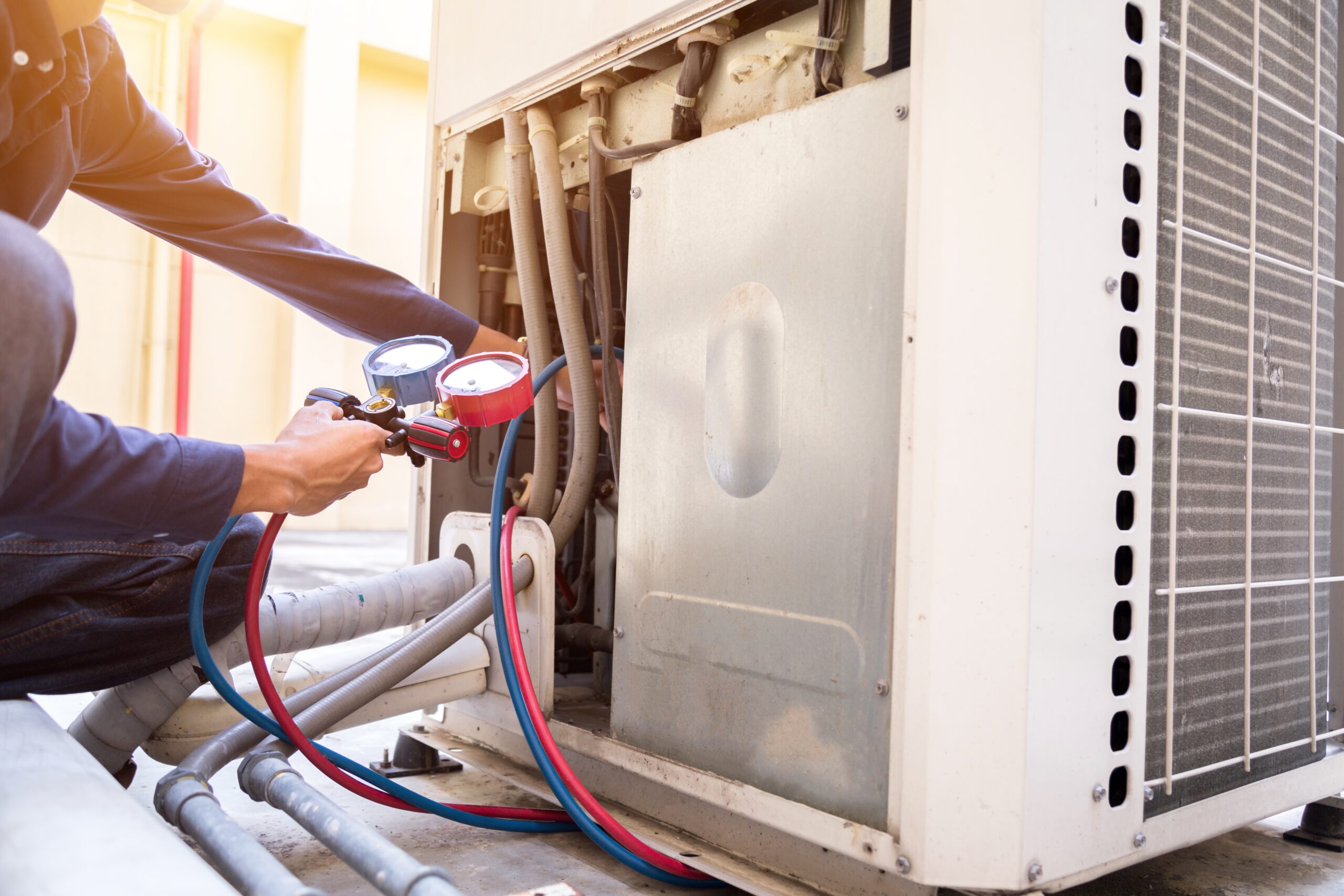
Central air conditioning operates on a refrigeration cycle, which sounds complicated but is actually a fairly elegant process once you see it laid out. The system pulls warm air from inside your home through return vents, passes it over an evaporator coil filled with refrigerant, and that refrigerant absorbs the heat from the air. The now-cooled air gets pushed back through your duct system and into your living spaces. Meanwhile, the absorbed heat travels through refrigerant lines to the outdoor condenser unit, where it gets released into the outside air. A compressor keeps that refrigerant moving through the cycle continuously. The thermostat is the brain of the operation, telling the system when to kick on and when to shut down based on the temperature you have set. It is a closed-loop system, meaning the refrigerant circulates repeatedly without being consumed.
The Best Central AC Units on the Market Right Now
Not all air conditioners are created equal, and the differences between a budget unit and a top-tier system can show up in your monthly energy bill for years. The brands consistently ranked among the best in the industry include Carrier, Trane, Lennox, Rheem, and Goodman. Carrier and Trane are widely regarded as the gold standard for reliability and efficiency. Lennox leads in SEER2 ratings, which measure energy efficiency under updated federal testing standards. Goodman tends to be the value pick, offering solid performance at a lower upfront cost. When evaluating any unit, look at the SEER2 rating, the warranty terms from the manufacturer, and the availability of local service technicians who are certified to work on that brand. A high-efficiency unit with a SEER2 rating above 16 can meaningfully reduce cooling costs over the life of the system.

Key Advantages of Central Air Conditioning
Central air conditioning offers a set of advantages that window units and portable coolers simply cannot match. When you invest in a central system, you are getting whole-home coverage through a single, integrated setup. Here is what makes it stand out:
- Consistent temperature control across every room connected to the duct system
- Improved indoor air quality when paired with quality filters that capture dust, pollen, and allergens
- Quieter operation compared to window units, since the loudest components are located outside
- Increased home value and marketability when selling
- Compatibility with smart thermostats for automated scheduling and energy management
- Humidity reduction, which makes the indoor environment feel more comfortable even at higher temperatures
These benefits compound over time, making central air conditioning one of the more justifiable investments a homeowner can make in both comfort and property value.
Common Drawbacks You Should Know Before Committing
No system is without its limitations, and central air conditioning is no exception. The upfront installation cost is significant, often ranging from four thousand to ten thousand dollars or more depending on the size of the home, the complexity of the ductwork, and the efficiency tier of the unit selected. Homes without existing ductwork face even higher costs if a ducted system is chosen over alternatives like mini-splits. Central systems also require annual professional maintenance to operate at peak efficiency, and neglecting that service schedule accelerates wear on major components. Refrigerant leaks, compressor failures, and blower motor issues are among the more expensive repairs homeowners encounter. The system is also only as effective as the ductwork it depends on. Leaky or poorly insulated ducts can undermine efficiency dramatically, sending conditioned air into walls and attic spaces rather than into living areas.
How to Size a Central AC Unit Correctly for Your Home
Sizing is one of the most misunderstood aspects of central air conditioning, and getting it wrong causes real problems. An oversized unit will cool the space quickly but cycle off before it has time to properly dehumidify the air, leaving the home feeling clammy and running up energy costs through frequent start-stop cycles. An undersized unit will run almost constantly and still struggle to reach your target temperature on the hottest days. Proper sizing is determined through a Manual J load calculation, which accounts for your home’s square footage, ceiling height, insulation levels, window placement, local climate, and several other variables. Any reputable HVAC contractor should perform this calculation before recommending a unit size. Ton capacity, which refers to the system’s cooling power, typically ranges from 1.5 to 5 tons for residential systems. A rough rule of thumb is one ton for every 400 to 600 square feet, but that is only a starting point, not a substitute for the full calculation.
Maintenance Tips That Actually Extend the Life of Your AC
Routine maintenance is the single most effective thing a homeowner can do to protect their AC investment. The tasks that matter most are not complicated, but they do require consistency. Replace air filters every one to three months depending on usage and the presence of pets or allergies. Keep the outdoor condenser unit clear of debris, including leaves, grass clippings, and shrubs that can restrict airflow. Have a licensed HVAC technician inspect and service the system annually, ideally in the spring before the heavy cooling season begins. That service visit should include checking refrigerant levels, cleaning the evaporator and condenser coils, inspecting electrical connections, and lubricating moving parts. Keeping the condensate drain line clear is also important, as a clogged drain can cause water damage and trigger system shutdowns. These steps, done consistently, can push a system well past the average lifespan of fifteen to twenty years.
Understanding the Cost of AC Repairs and When to Replace Instead
Repair costs for central air conditioning systems vary widely depending on the component involved. A capacitor replacement might cost a couple hundred dollars, while a compressor replacement can run two thousand dollars or more. The general industry guidance is the fifty percent rule: if the repair cost exceeds fifty percent of the cost of a new system, replacement is the more financially sound choice. Age is also a critical factor. A fifteen-year-old unit requiring a major repair is typically a better candidate for replacement than a seven-year-old unit with the same issue. Newer systems offer substantially better energy efficiency, which means the savings on your utility bill can help offset the replacement cost over time. Always get a second opinion on major repairs, and ask your contractor to provide an honest assessment of the unit’s overall condition before committing to a costly fix.
Why Armadillo Home Warranty Is the Smart Protection Plan for Your AC System
Central air conditioning systems represent a major financial investment, and the repair costs that come with ownership can arrive without warning. That is exactly where a home warranty adds real, practical value. Armadillo home warranty plans designed to protect your central AC system are built around straightforward coverage, transparent terms, and a claims process that does not make you feel like you are fighting for what you were promised. When your compressor fails in the middle of August or your blower motor gives out on a Friday evening, having a plan in place means you are not scrambling to find a contractor and figure out how to fund a repair on the spot. Armadillo connects homeowners with qualified service professionals and handles the financial side of covered repairs so you can stay focused on what matters. If you are ready to stop leaving your cooling system to chance, get a free home warranty quote for your central air conditioning system today and see what coverage looks like for your home.
Frequently Asked Questions About Central Air Conditioning Systems
The most common questions homeowners ask about central air conditioning, answered directly and without the runaround.
How long does a central air conditioning unit typically last?
Most central AC systems have a lifespan of fifteen to twenty years with proper maintenance. Units that are serviced annually and have filters changed regularly tend to reach the higher end of that range, while neglected systems often begin failing well before the fifteen-year mark.
What SEER2 rating should I look for when buying a new AC unit?
A SEER2 rating of 14 to 16 is considered good for most climates. If you live in a hot climate where the system runs heavily for several months, investing in a unit rated 18 or higher can produce meaningful savings on your energy bill over time.
How often should I have my central AC system professionally serviced?
Once per year is the standard recommendation, and spring is the ideal time to schedule that visit before the peak cooling season begins. Annual service helps catch small issues before they become expensive failures.
What causes a central AC unit to freeze up?
The most common causes of a frozen evaporator coil are restricted airflow from a clogged filter, low refrigerant levels due to a leak, or a malfunctioning blower motor. If you notice ice on your unit, turn the system off and let it thaw before calling a technician.
Is a central air conditioning system covered by a home warranty?
Many home warranty plans do include central air conditioning coverage, though the specific components covered and any exclusions vary by provider. It is important to read the terms carefully and confirm that key components like the compressor, evaporator coil, and blower motor are included in the plan.
How much does it cost to replace a central AC unit?
Replacement costs typically range from four thousand to ten thousand dollars, depending on the size of the home, the efficiency rating of the selected unit, and the complexity of the installation. Homes that require new ductwork will see costs on the higher end of that range.
Can a central AC unit improve indoor air quality?
Yes, when paired with quality air filters and properly maintained, a central AC system can significantly reduce airborne dust, pollen, pet dander, and other allergens. Higher-MERV filters offer better filtration but should be compatible with your system to avoid airflow restrictions.
What is the difference between a heat pump and a central air conditioner?
A central air conditioner only cools, while a heat pump can both cool and heat a home by reversing the refrigeration cycle. Heat pumps are often a more efficient choice in moderate climates where extreme cold is not a frequent concern.
Why is my central AC running but not cooling the house?
Several issues can cause this, including a refrigerant leak, a dirty evaporator or condenser coil, a failing compressor, or leaky ductwork that is losing conditioned air before it reaches the living space. A professional diagnostic visit is the most reliable way to identify the root cause.
How can I tell if my AC unit is the right size for my home?
If your system cools too quickly and shuts off before the humidity drops, it is likely oversized. If it runs almost constantly and still struggles to reach your set temperature, it may be undersized. A Manual J load calculation performed by a licensed HVAC contractor is the accurate way to confirm proper sizing.