Why Your Carpet Smells and What You Can Actually Do About It
Carpet is one of those home features that works quietly in the background until it stops working quietly. One day you walk through the door and notice something is off — not terrible, just present. That low-level odor that seems to settle into the fibers and refuse to leave. It happens in every home eventually, whether you have pets, kids, or simply a busy household. The good news is that understanding what causes carpet odors and how to treat them properly makes a significant difference. And yes, there is a best deodorizer for carpet — though it depends on the situation. Let this be your practical, no-nonsense breakdown of everything you need to know.
What Causes Carpet Odors in the First Place
Before reaching for any product, it helps to understand the source. Carpet fibers are incredibly good at trapping particles — which is part of why carpet helps filter indoor air, ironically. But that same trapping ability means odors from pet dander, moisture, food spills, tracked-in soil, and even everyday foot traffic accumulate over time. Bacteria thrive in carpet padding, especially when moisture is involved. That musty smell after a rainy season or a minor leak? That is microbial activity working against you. Smoke, cooking odors, and off-gassing from older carpet materials also contribute. The point is: odors rarely come from the surface alone. They tend to root themselves deeper, in the padding and even the subfloor beneath.
How Carpet Deodorizers Actually Work
This is where it gets interesting. There are a few different mechanisms at play depending on the product type. Some deodorizers use absorption — baking soda is the classic example. It draws moisture and odor molecules into its structure, which is why it works in refrigerators and why it is still one of the most recommended household solutions for carpet. Others use enzymatic formulas, which are particularly effective for organic odors like pet urine. Enzymes break down the proteins and bacteria that cause the smell at a molecular level, rather than just masking it. Then there are masking agents — artificial fragrances that cover odor temporarily. These feel satisfying in the moment but do not solve the problem. Understanding which type you are dealing with helps you choose correctly.

The Best Deodorizer for Carpet Depends on the Odor Type
There is no single universal answer here, and anyone who tells you otherwise is oversimplifying. The best approach is to match the deodorizer to the odor source. Here is a practical breakdown of what works best by situation:
- Pet urine odors: Enzymatic cleaners are the clear winner here. Products with live enzyme cultures break down uric acid crystals, which are the real culprit behind lingering pet smells.
- General mustiness or dampness: Baking soda applied generously, left for several hours, and then vacuumed up is highly effective and safe for all carpet types.
- Smoke or food odors: Activated charcoal-based deodorizers work well for persistent odors, as charcoal is extremely porous and absorbs airborne compounds efficiently.
- Light, everyday odor buildup: Baking soda combined with a few drops of essential oil like lavender or eucalyptus offers a gentle, non-toxic refresh.
DIY Carpet Deodorizing Methods That Actually Deliver
The home remedy route deserves more credit than it typically gets. Baking soda remains the single most reliable and accessible carpet deodorizer available. Sprinkle it liberally across the affected area, work it gently into the fibers with a soft brush, and allow it to sit for a minimum of thirty minutes — overnight is better. Vacuum thoroughly. For pet accidents, blot the area before it dries, apply an enzymatic cleaner, cover with a damp cloth, and allow it to work for the time specified on the product label. Rushing this step undermines the chemistry. White vinegar diluted with water is another useful option, though it should be used carefully on delicate carpet materials and tested in an inconspicuous area first. The vinegar smell dissipates as it dries, taking other odors with it.
Common Mistakes Homeowners Make When Deodorizing Carpet
The mistakes tend to follow predictable patterns. Over-wetting the carpet is one of the most common — applying too much liquid solution saturates the padding and creates exactly the moist environment that causes odor to begin with. Scrubbing instead of blotting pushes the odor-causing substance deeper into the fibers. Using fragrance-only sprays is another frequent misstep; they feel like a fix but they are a temporary overlay at best. Skipping the vacuum after dry treatments is also a problem — baking soda and similar powders need to be removed to complete the process. And finally, treating only the visible surface when the padding or subfloor has been compromised will always result in odors returning. In severe cases, professional extraction or padding replacement is the only effective solution.
When to Call a Professional Carpet Cleaner
There is a threshold beyond which DIY efforts reach their limit. If the odor persists after multiple treatments, if there has been a significant water damage event, or if the carpet is older and has absorbed years of buildup, professional hot water extraction cleaning is worth the investment. Professional-grade equipment reaches deeper into the pile and padding than any consumer product can. Steam cleaning is effective for sanitizing carpet fibers and neutralizing odor-causing bacteria. If mold has developed in the padding or subfloor, this is no longer a carpet deodorizing problem — it becomes a structural concern that requires professional remediation and potentially subfloor repair or replacement.
Maintaining Odor-Free Carpet Over the Long Term
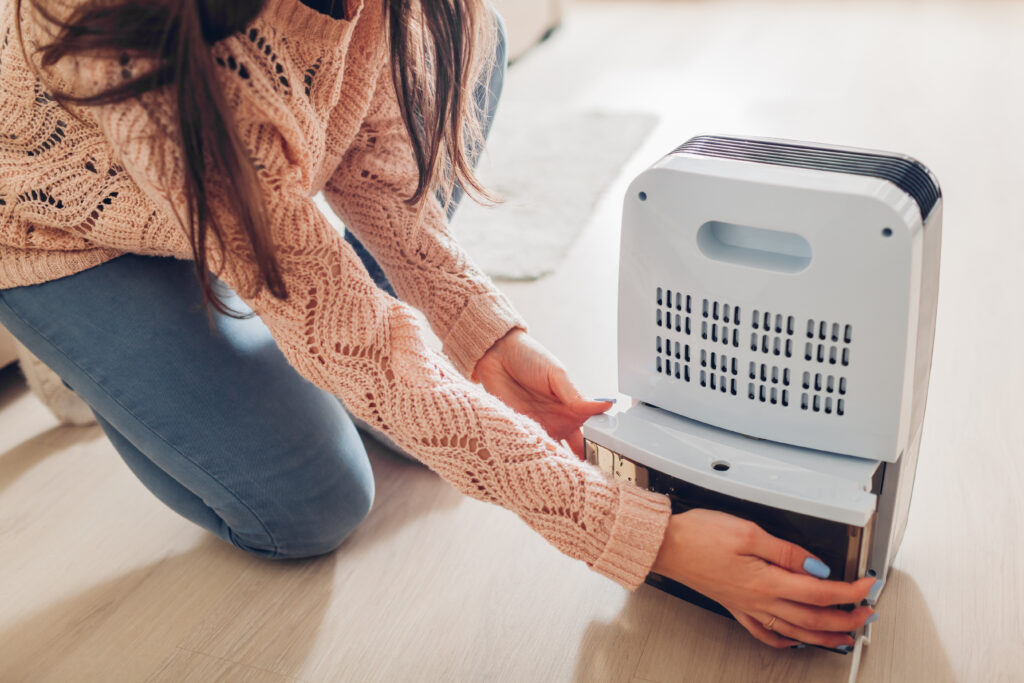
Prevention is genuinely more effective than treatment. A few consistent habits make a measurable difference in keeping carpet fresh year-round. Vacuuming at least twice per week removes the debris and dander that contribute to odor buildup before it becomes embedded. Addressing spills immediately and blotting rather than rubbing prevents staining and odor development. Using entry mats reduces the volume of soil tracked onto carpet. Running a dehumidifier in rooms prone to moisture limits the microbial activity that creates musty smells. And doing a light baking soda treatment quarterly — just as routine maintenance — keeps background odors from accumulating. These are small habits that compound significantly over the life of the carpet.
How Home Warranties Connect to Carpet and Floor Care
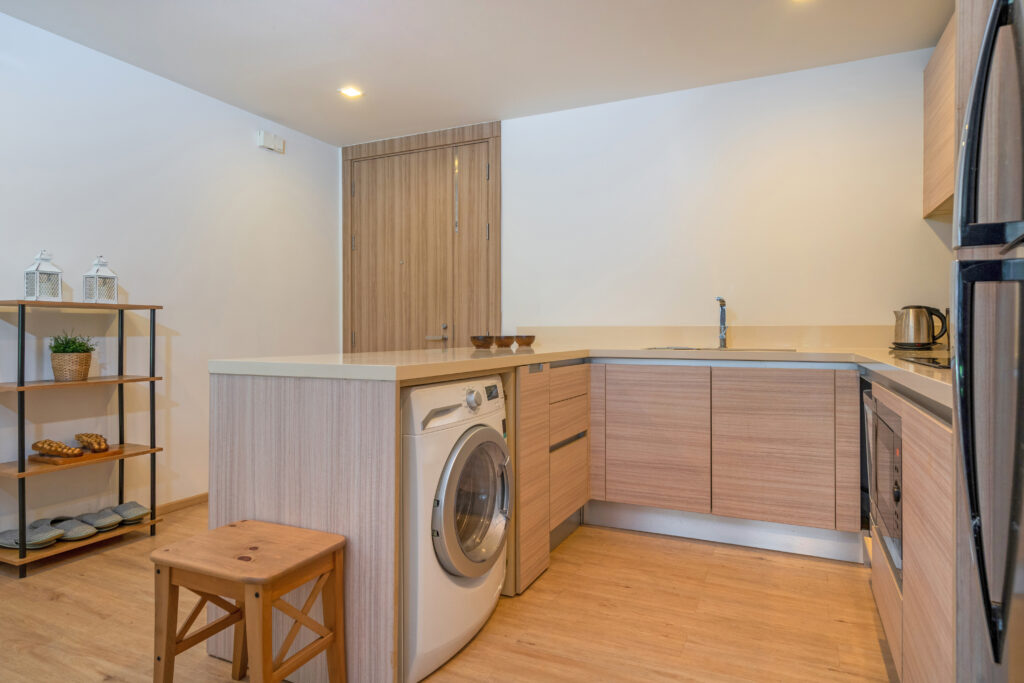
Here is where the picture gets a little broader. Carpet itself is typically a cosmetic element and falls outside standard home warranty coverage. However, the systems that protect your flooring — plumbing, HVAC, and appliances — are directly relevant. A slow leak from a washing machine or a pipe beneath the floor can saturate carpet padding and cause odor issues that no deodorizer will permanently resolve. HVAC systems that are not functioning efficiently can introduce excess humidity that settles into flooring materials. When those underlying systems are protected by a home warranty, the financial and practical burden of addressing the root cause becomes far more manageable. Protecting your home’s infrastructure is ultimately what protects your floors.

Why Armadillo Is the Right Partner for Protecting Your Home From the Inside Out
Keeping a home clean and odor-free is part of being a responsible homeowner. But the bigger picture involves protecting the systems that, when they fail, create problems that no amount of baking soda or enzymatic spray can solve on their own. Plumbing failures, appliance malfunctions, and HVAC breakdowns are the real threats to your home’s comfort and your carpet’s condition. That is where Armadillo home warranty coverage for plumbing and home systems comes in — providing the kind of steady, reliable protection that lets you handle the everyday maintenance without worrying about what a major system failure is going to cost you. If you have been meaning to put a real safety net in place for your home, now is a practical moment to do it. You can take the first step and get a free home warranty quote for carpet-damaging system failures in under two minutes. Armadillo keeps the process straightforward, the coverage honest, and the support accessible when you actually need it.
Frequently Asked Questions About Carpet Deodorizing and Home Care
What is the best deodorizer for carpet with pet odors?
Enzymatic cleaners are the most effective option for pet odors because they break down the uric acid and bacteria responsible for the smell at a molecular level, rather than simply masking it with fragrance.
How long should I leave baking soda on carpet before vacuuming?
A minimum of thirty minutes is acceptable for light odors, but leaving baking soda on carpet overnight produces significantly better results by allowing more time for absorption.
Is baking soda safe for all carpet types?
Baking soda is generally safe for most carpet types, including synthetic and wool blends. However, it is always wise to test in a small, hidden area first, particularly with delicate or dyed fibers.
Can carpet deodorizers eliminate mold smell?
Surface deodorizers cannot eliminate mold smell if mold is actively growing in the carpet padding or subfloor. In that case, professional remediation and potentially material replacement are required.
How often should I deodorize my carpet?
A light baking soda treatment once per quarter is a reasonable maintenance routine for most households. Homes with pets or high foot traffic may benefit from monthly treatments.
Why does my carpet smell worse after cleaning?
Over-wetting during cleaning can reactivate odor-causing bacteria trapped in the padding. This is why proper drying is essential — use fans or open windows to accelerate drying time after any wet treatment.
Does white vinegar really work as a carpet deodorizer?
Yes, diluted white vinegar is effective at neutralizing certain odors, particularly those caused by bacteria. The vinegar smell itself dissipates within a few hours as the solution dries.
Can a home warranty cover damage caused by carpet odors?
Home warranties do not typically cover carpet as a cosmetic element. However, they can cover the systems — such as plumbing or appliances — whose failures cause water damage and subsequent carpet odor issues.
What causes carpet to smell musty even after vacuuming?
Musty odor after vacuuming usually indicates moisture trapped in the carpet padding or subfloor. This can result from humidity, minor leaks, or inadequate drying after previous cleaning.
When is it time to replace carpet rather than deodorize it?
If odors persist after multiple professional cleanings, or if the padding has been saturated repeatedly from pet accidents or water damage, replacement is likely more cost-effective than continued treatment.