The Best Air Conditioner for Your Home: A Guide Rooted in Reliability
When temperatures rise, the hum of an air conditioner becomes more than background noise—it’s the sound of relief. Choosing the best air conditioner for your home isn’t about chasing the latest trend; it’s about finding a trusted solution that suits your living space, lifestyle, and long-term maintenance goals. As a homeowner, you’re not just investing in comfort. You’re factoring in energy costs, system efficiency, installation feasibility, and yes—how your home warranty works with it. This guide will walk you through what an air conditioner is, how it works, the different types available, their benefits and drawbacks, and how to make an informed choice for your home.
Understanding What an Air Conditioner Does
An air conditioner removes heat and moisture from your indoor environment to make it more comfortable, primarily during warmer seasons. While the concept of cooling seems simple, the system relies on an intricate process of heat exchange, involving refrigerants, coils, compressors, and fans. Typically, warm indoor air is drawn into the unit, passed across an evaporator coil, and cooled. The system then expels heat outside while redistributing cooler air indoors. The primary components—evaporator coil, condenser coil, and compressor—collectively work to maintain a set indoor temperature based on thermostat input.
Types of Air Conditioners: Choosing What Fits
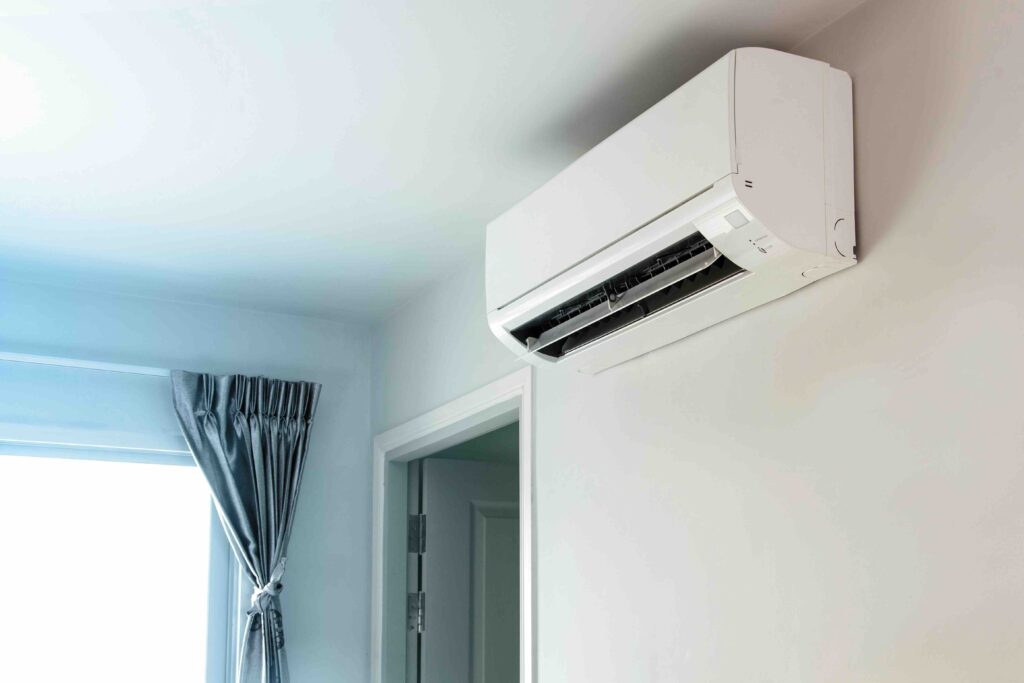
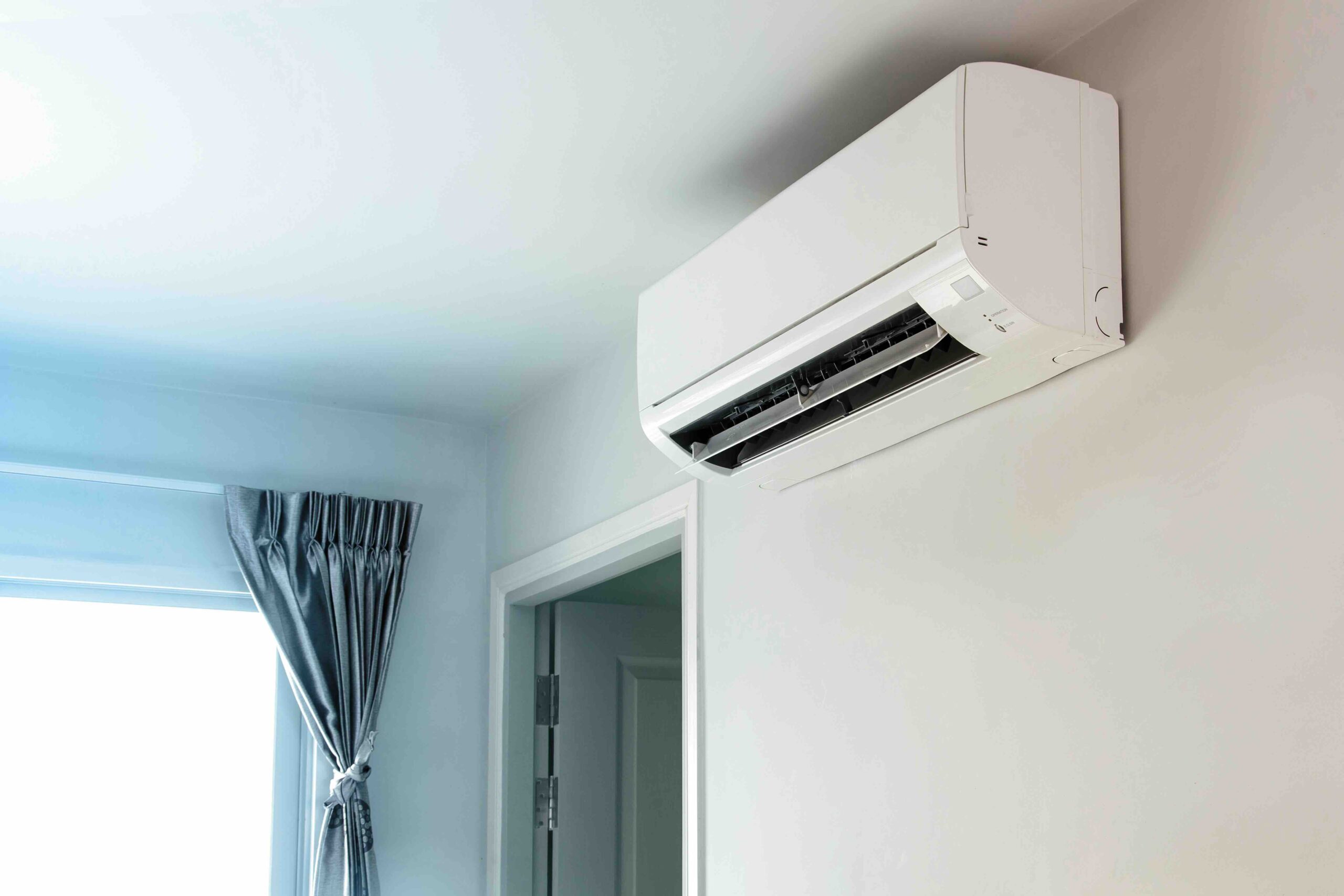
There are several types of air conditioning systems suited for different home layouts and usage patterns. Central air conditioners are common in newer homes. They work with ductwork to provide uniform cooling across multiple rooms. Ductless mini-split systems are ideal for homes without existing ductwork. Each indoor unit manages a specific zone, providing flexibility and targeted efficiency. Window units are self-contained and practical for small spaces but are less aesthetically integrated. Portable units, while convenient, generally don’t perform as efficiently and can be noisy. Finally, hybrid systems blend heat pump efficiency with traditional gas furnace reliability, switching based on climate needs.
The Case for Central Air Conditioning
For many homeowners, central air is the default choice. When paired with a compatible home warranty, its value increases. Central AC systems offer consistent, whole-house cooling. They operate quietly compared to window or portable units and remain out of sight. The upfront cost, including installation, is higher, but energy efficiency—and compatibility with smart thermostats—can yield significant savings over time. Maintenance is streamlined when your HVAC technician services both heating and cooling from a single access point. However, these systems depend on well-maintained ductwork. Leaks or debris in ducts can reduce efficiency, impacting performance and utility costs.
Ductless Mini-Splits: Flexibility Meets Efficiency
Homes without ducts or rooms that need supplemental cooling benefit from ductless mini-split technology. These systems consist of an outdoor compressor and one or more indoor air handlers mounted on the wall. They’re energy efficient because there’s no energy lost through ducts, and each zone gets its own temperature control. That said, each indoor unit becomes a visible part of your interior space, which some may find intrusive. Installation is simpler than central systems, but the cost per unit can add up, especially for larger homes. From a maintenance perspective, homeowners should stay on top of filter cleaning and schedule routine inspections to keep warranty coverage intact.
Understanding SEER Ratings and What They Mean
When considering air conditioning systems, SEER—Seasonal Energy Efficiency Ratio—should be part of your evaluation. It measures cooling output over a typical cooling season divided by energy consumption. Higher SEER ratings mean better efficiency. In many regions, a minimum SEER of 14 is required, but systems with SEER ratings of 16 or above offer greater long-term savings on utility bills. Keep in mind that initial costs often rise with SEER rating, so it’s essential to calculate whether the long-term efficiency offsets the higher upfront price. Also, energy efficiency can be influenced by insulation, sun exposure, and even thermostat usage habits.
Common Air Conditioning Problems to Watch For
Even the most reliable air conditioning systems encounter issues over time. Common concerns include refrigerant leaks, sensor malfunctions, clogged drain lines, and dirty filters. These conditions can result in reduced airflow, inconsistent temperatures, and even system failure. Many of these issues are preventable through routine maintenance—think annual inspections, filter replacements, and cleaning the evaporator and condenser coils. A robust home warranty plan can alleviate the financial strain of unexpected repairs. However, it’s essential that homeowners understand the importance of proper care to avoid voiding warranty coverage.
How a Home Warranty Supports Your Air Conditioning Investment
Air conditioning systems are not set-it-and-forget-it appliances; they’re complex, high-usage systems that require attention over time. That’s where a home warranty delivers peace of mind. A reliable home warranty plan helps offset the cost of covered repairs or replacements for critical components in your system. Moreover, it ensures that licensed technicians handle the work, eliminating guesswork and reducing stress. Coverage specifics vary, so it’s wise to review warranty documents to understand what air conditioning parts and systems are protected—and under what conditions. It’s also important to mention that existing wear, improper maintenance, or code violations could limit coverage. That’s why clear communication with your home warranty provider matters.
Protecting Your Comfort with Armadillo
Choosing the best air conditioner for your home is about more than comfort—it’s about smart, future-focused decisions. A home warranty from Armadillo complements that choice with real support for your essential systems. When your air conditioner shows signs of strain—or worse, breaks down—you want to know someone has your back. Armadillo’s line of flexible, fast, and coverage-rich warranty options help homeowners stay one step ahead of unexpected repair costs. With a focus on transparency, speed, and no-nonsense service, Armadillo redefines what you should expect from your home warranty. Learn more at https://www.armadillo.one or take the first step toward protecting your air conditioning system by building your custom plan at https://app.armadillo.one/plan-builder?current=zip.