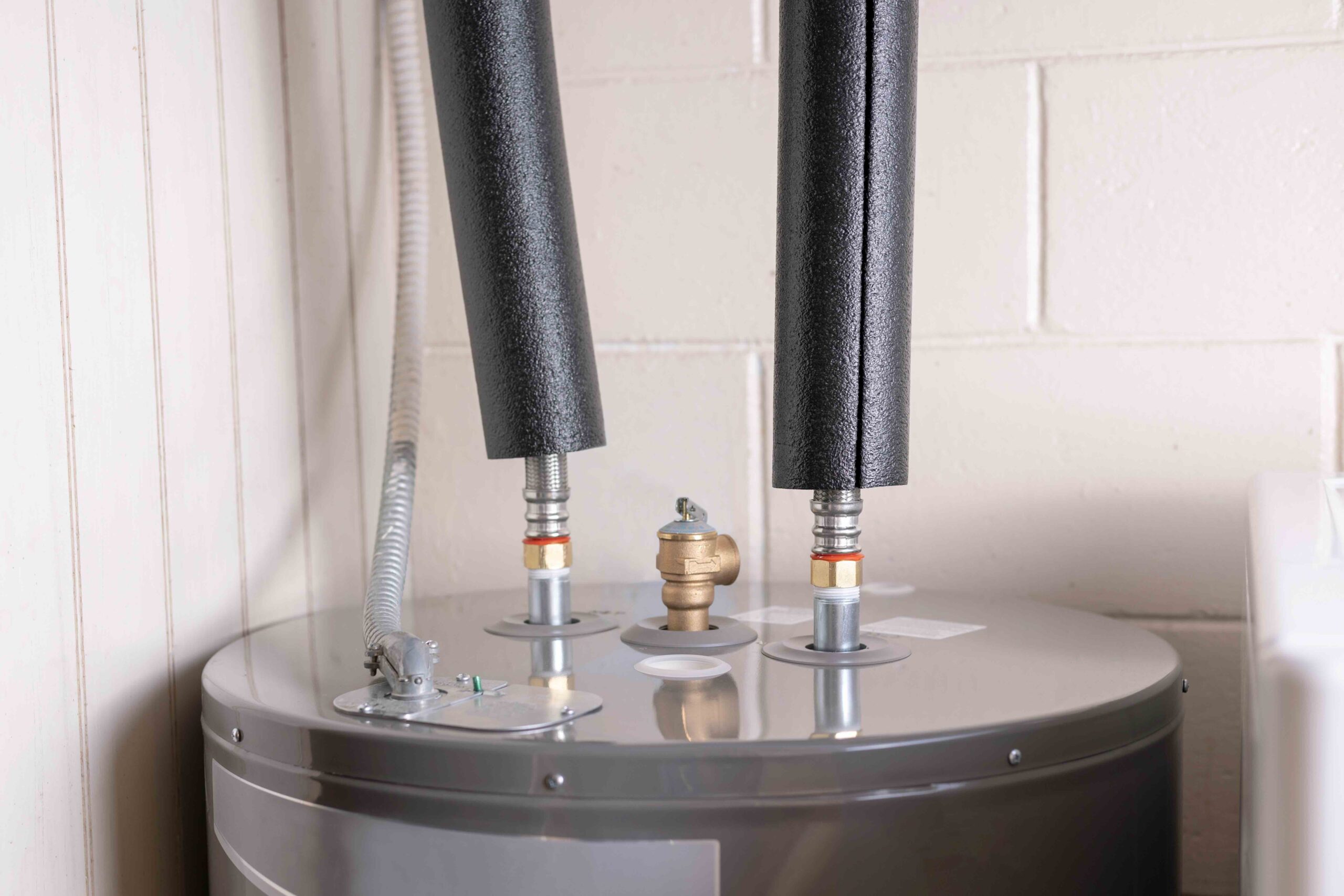
Why Hot Water Pipe Insulation Belongs on Every Homeowner’s Radar
There is a quiet inefficiency happening inside the walls of most homes, and it costs money every single month. Hot water travels from your water heater through a network of pipes, and by the time it reaches your faucet or shower, a surprising amount of that heat has already escaped into the surrounding air. Pipe insulation solves that problem directly. It is not a complicated upgrade, but it is one that delivers consistent, measurable benefits over time. Understanding what pipe insulation is, how it works, and which materials perform best gives you the foundation to make a genuinely smart home improvement decision.
What Is Hot Water Pipe Insulation and How Does It Work
Hot water pipe insulation is a material applied directly around your home’s water supply pipes — specifically the hot water lines running from your water heater to your fixtures. The insulation creates a thermal barrier that slows the rate at which heat escapes through the pipe wall and into the surrounding air. Without insulation, those pipes radiate heat continuously. With proper insulation, your hot water arrives at its destination at a higher temperature, your water heater cycles on less frequently, and your energy bills reflect that improvement. The physics here are straightforward: you are simply keeping the heat where it belongs.
The Best Insulation Materials for Hot Water Pipes
Not all pipe insulation is created equal. Several materials dominate the market, and each has a specific profile worth understanding before you commit to one.
- Foam pipe insulation is the most common choice for residential use. It is pre-slit polyethylene or rubber foam that slides directly over the pipe. It is affordable, easy to install without professional help, and widely available at hardware stores. It works well for most standard residential hot water pipes.
- Fiberglass pipe wrap offers a higher R-value per inch than foam, making it more effective in colder environments or in pipes located in unconditioned spaces like basements or crawl spaces. It requires wrapping and securing with tape or a jacket, which makes installation slightly more involved.
- Elastomeric foam insulation is a flexible, closed-cell rubber material that performs well in a broad range of temperatures and resists moisture effectively. It is a step up from basic polyethylene foam and is used in both residential and commercial applications.
- Polyethylene foam with a foil facing adds a radiant barrier to the standard foam sleeve, which increases performance in spaces where radiant heat loss is a factor.
For most homeowners, foam pipe insulation is the practical starting point. It delivers solid performance at a low cost and can be installed on a weekend afternoon without specialized tools or training.
Key Advantages of Insulating Your Hot Water Pipes
The benefits of insulating hot water pipes stack up quickly. The most immediate advantage is energy efficiency. When heat stays inside the pipe, your water heater does not have to work as hard to maintain temperature, which directly reduces energy consumption. Some estimates suggest that properly insulated pipes can raise water temperature at the tap by two to four degrees Fahrenheit, which means you are not running the faucet as long waiting for hot water to arrive. That also reduces water waste, which matters both environmentally and financially. Beyond efficiency, insulated pipes are less vulnerable to condensation and, in colder climates, less prone to freezing. Preventing a frozen or burst pipe is one of the highest-value protective measures any homeowner can take, considering that water damage from pipe failures is among the most expensive home repair events on record.

Common Drawbacks and Limitations to Know
Pipe insulation is genuinely low-risk as a home improvement, but it comes with a few practical limitations. Foam insulation degrades over time, particularly in high-heat environments or in spaces exposed to UV light. Unfinished basements or garages with windows can accelerate that degradation if the insulation is not rated for those conditions. Pipes located inside finished walls are difficult to access without opening drywall, which limits retrofit insulation projects to exposed pipe runs. Additionally, insulation alone will not prevent freezing in extreme cold if the pipe is in an area without any heat source — in those cases, pipe heating cable combined with insulation is the more reliable solution. Knowing those limitations upfront helps you plan the project realistically.
How to Determine the Right R-Value for Your Home
R-value measures thermal resistance, and a higher number means better insulation performance. For hot water pipes, the U.S. Department of Energy recommends a minimum R-value of 3 for pipes in unconditioned spaces. Standard foam pipe sleeves typically provide R-values in the range of 2 to 4 depending on thickness and material. If your pipes run through a crawl space, unheated garage, or exterior wall, prioritizing a higher R-value material is a meaningful upgrade. Fiberglass wrap with an appropriate thickness can reach R-values of 6 or higher, which makes it the better choice for those locations. Matching the insulation to the environment rather than defaulting to the cheapest option is the smarter long-term approach.
Installation Tips Every Homeowner Should Know
Foam pipe insulation is genuinely one of the more approachable DIY projects in home maintenance. The pre-slit design means you peel the sleeve open, press it over the pipe, and seal the seam with adhesive or tape. A few things make the project go more smoothly. Measure the pipe diameter accurately before purchasing insulation — using the wrong size creates gaps that undermine the thermal barrier. Cut the insulation at 45-degree angles at joints and elbows rather than making straight cuts, which helps the material conform properly. At connections and fittings, use smaller pieces cut to shape and seal the edges carefully. For fiberglass wrap, always wear gloves and a dust mask during installation, as the fibers are an irritant. Taking the time to do it properly the first time pays off in actual performance.
Where to Prioritize Insulation in Your Home
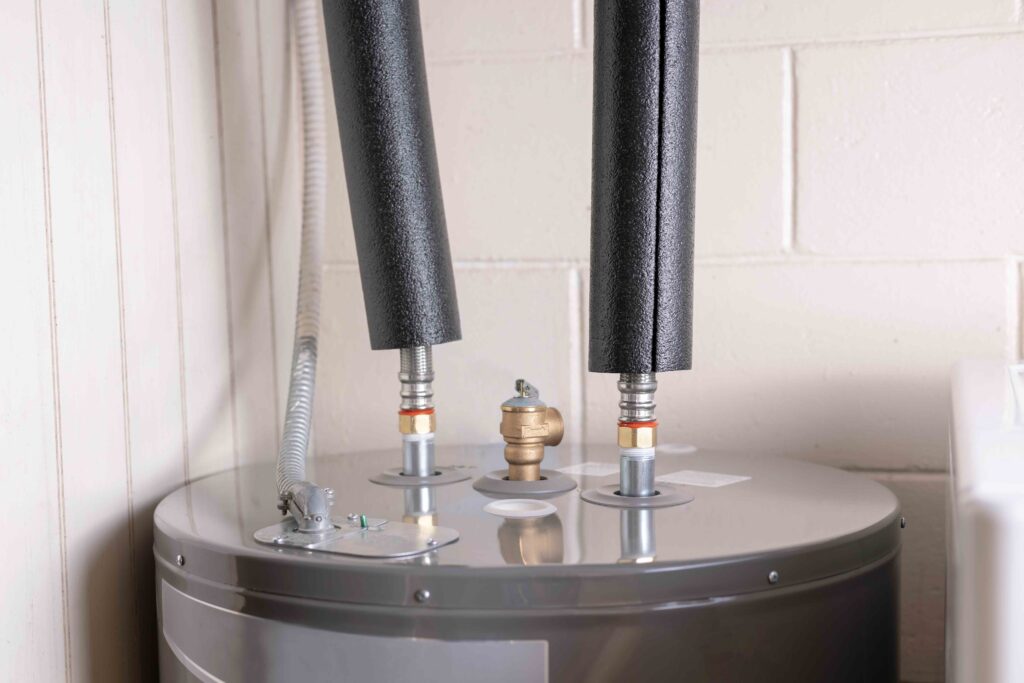
Not every pipe in your home needs equal attention. Prioritizing based on location and exposure gives you the best return for your time and money. Start with pipes in unconditioned spaces — basements, crawl spaces, attics, and attached garages are all high-priority areas. Any pipe that runs along an exterior wall is also worth addressing. The runs closest to your water heater matter too, since insulating the first several feet of both the hot and cold water outlet pipes extends the efficiency benefits directly at the source. If your home has a recirculating hot water system, insulating the entire loop is especially impactful because those pipes are continuously moving water and losing heat throughout the day.
How Home Warranties Factor Into Your Plumbing Protection Strategy
Pipe insulation reduces risk, but it does not eliminate it. Pipes still fail, water heaters still break down, and plumbing systems still develop problems over time regardless of how well maintained they are. That reality is exactly where a home warranty becomes relevant. A home warranty plan that covers plumbing systems protects you from the repair and replacement costs that arise when things go wrong despite your best preventive efforts. Insulation is the proactive step; a warranty is the financial safety net underneath it.

Why Armadillo Is the Right Partner for Homeowners Who Take Pipe Protection Seriously
Homeowners who take the time to insulate their pipes are already thinking the right way — they understand that prevention matters and that protecting a home’s systems is worth the effort. Armadillo is built for exactly that kind of homeowner. As a home warranty provider designed to protect your plumbing, appliances, and major home systems, Armadillo brings straightforward coverage, honest pricing, and responsive service to the table without the runaround that too many warranty companies are known for. If a pipe fails, a water heater gives out, or a plumbing leak causes an unexpected repair bill, having a plan in place means you are not absorbing that cost alone. You can get a personalized home warranty quote that covers your hot water system and plumbing lines in just a few minutes. Protecting your home at every level — from the insulation on the pipes to the warranty on the systems — is simply how smart homeownership works.
Frequently Asked Questions About Hot Water Pipe Insulation
What is the best insulation material for hot water pipes?
Foam pipe insulation, particularly elastomeric rubber foam or polyethylene foam, is the most practical and effective choice for most residential hot water pipes. Fiberglass wrap offers higher R-values and is preferable for pipes in unconditioned or very cold spaces.
Does insulating hot water pipes actually save money?
Yes. Insulated pipes reduce standby heat loss, which means your water heater runs less frequently to maintain temperature. This lowers energy consumption and reduces monthly utility costs over time.
How much does it cost to insulate hot water pipes?
Foam pipe insulation sleeves are generally inexpensive, often ranging from a few dollars per linear foot at hardware stores. A full DIY project for an average home typically costs between fifty and one hundred fifty dollars in materials, making it one of the most cost-effective home improvements available.
Can I insulate hot water pipes myself?
Yes. Pre-slit foam pipe insulation is designed for DIY installation and requires no specialized tools. It is one of the more accessible home improvement projects for homeowners of any experience level.
Will pipe insulation prevent pipes from freezing?
Insulation slows heat loss and can delay freezing, but it is not a complete freeze-prevention solution on its own in extreme cold. In very exposed locations, pipe heating cable combined with insulation provides more reliable protection.
What R-value do I need for hot water pipe insulation?
The U.S. Department of Energy recommends a minimum R-value of 3 for pipes in unconditioned spaces. Standard foam sleeves typically fall in the R-2 to R-4 range, while fiberglass wrap can achieve R-6 or higher with adequate thickness.
Should I insulate cold water pipes as well as hot water pipes?
Insulating cold water pipes is worthwhile in humid environments to prevent condensation, and in cold climates to reduce the risk of freezing. Hot water pipes are the higher priority for energy savings, but cold water lines benefit from insulation in the right conditions.
How long does foam pipe insulation last?
Quality foam pipe insulation typically lasts between three and ten years depending on the environment. UV exposure, extreme heat, and physical contact can accelerate degradation, so pipes in exposed or high-traffic areas should be checked periodically.
Does pipe insulation help with hot water delivery speed?
Yes. Insulated pipes retain heat longer, which means the water sitting in the pipe remains warmer between uses. This reduces the amount of time you wait for hot water to arrive at the tap, which also reduces water waste.
Are there pipes I cannot insulate without professional help?
Pipes inside finished walls or ceilings are not accessible without opening the drywall, which typically requires a professional. Pipe insulation projects are most practical for exposed pipe runs in basements, crawl spaces, utility rooms, and garages.