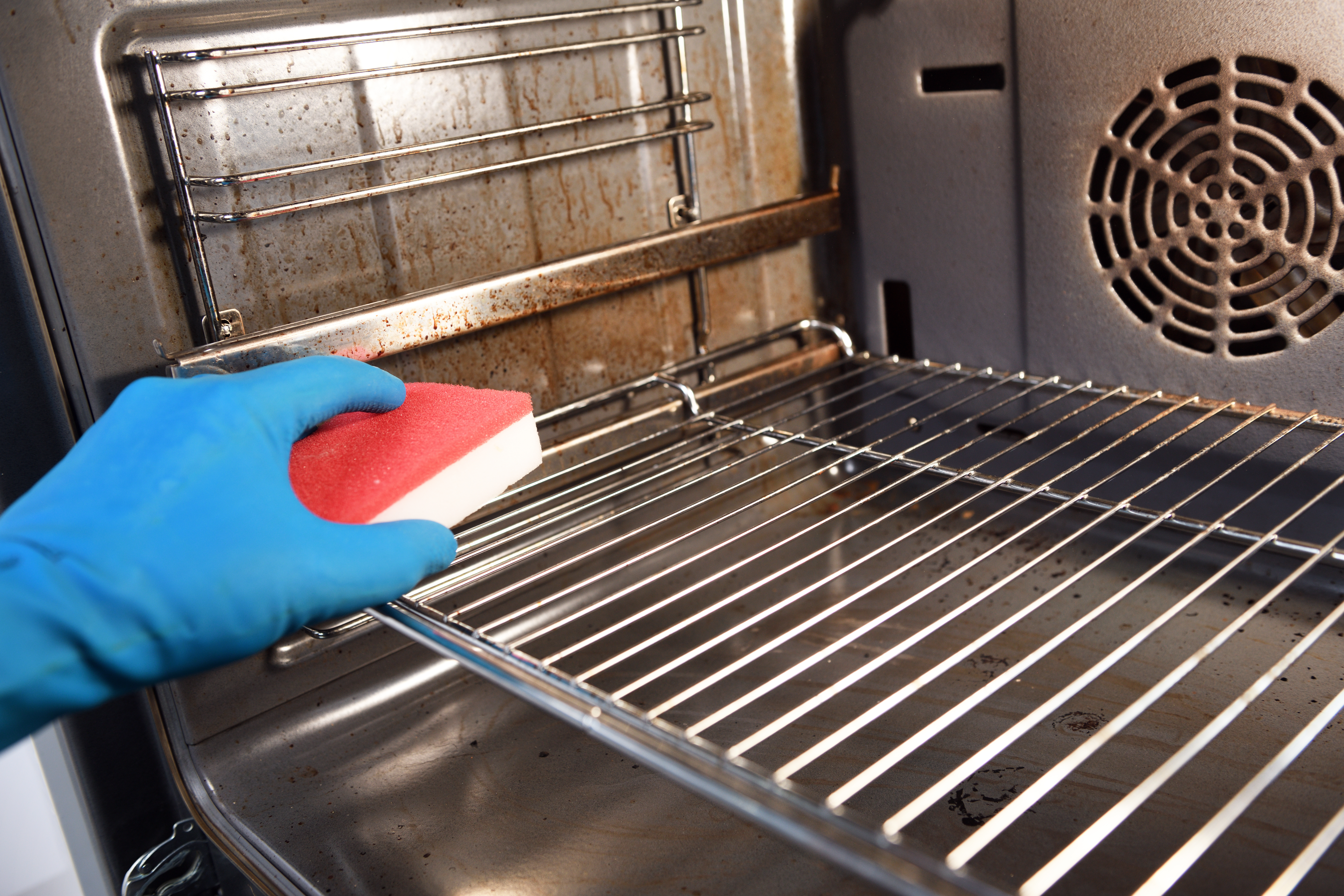
Why Clean Oven Racks Actually Matter More Than You Think
Most homeowners do not think twice about oven racks until something starts smoking, smelling off, or sticking to the metal surface like it has been welded there. The truth is, baked-on grease and food residue do more than just look unpleasant. They affect cooking performance, create unpleasant odors during use, and over time can even contribute to oven damage that a home warranty may or may not cover depending on how the issue originated. Keeping your oven racks clean is one of those maintenance tasks that sits quietly on the back burner — until it cannot be ignored anymore.
What Makes Oven Rack Cleaning So Challenging
Oven racks endure a lot. High heat, dripping fats, bubbling casseroles, and the occasional full-on spill all leave their mark. Over weeks and months, these residues carbonize and bond to the metal surface, forming a layer that standard dish soap and a sponge simply cannot address. The geometry of oven racks — all those parallel bars, crosswires, and welded joints — creates dozens of surface areas that trap grime in ways that are genuinely difficult to reach. That is why finding the best oven rack cleaner is not just about convenience. It is about having the right approach and the right product for a tough, specific job.
Types of Oven Rack Cleaners Available to Homeowners
The market offers several distinct approaches to cleaning oven racks, and each one has its place depending on the level of buildup you are dealing with.
- Chemical spray cleaners: Products like Easy-Off Heavy Duty Oven Cleaner are widely considered among the best oven rack cleaners available. They use sodium hydroxide to break down carbonized grease at a chemical level. They are effective and fast, but require ventilation and protective gloves.
- Enzymatic or natural cleaners: These are gentler formulas that use plant-based surfactants and enzymes. They take longer to work but are safer for households with sensitivities to harsh chemicals.
- Dryer sheet soaking method: Submerging racks in a bathtub with hot water, dish soap, and dryer sheets is a popular DIY method. The anti-static agents in dryer sheets help loosen baked-on residue over several hours.
- Baking soda and vinegar paste: A classic, cost-effective option for moderate buildup. It requires more manual scrubbing but avoids chemicals entirely.
- Commercial soaking bags: Heavy-duty plastic bags designed for oven rack cleaning hold the racks submerged in a cleaning solution, concentrating the product and reducing mess.

How the Best Oven Rack Cleaners Actually Work
Understanding how these products work helps you use them more effectively. Chemical-based cleaners, particularly those containing sodium hydroxide or potassium hydroxide, function through a process called saponification — essentially converting grease and oil into a soap-like substance that can be wiped away. They penetrate carbonized layers and break molecular bonds that heat has formed between food residue and metal. Enzymatic cleaners work differently, using biological catalysts to digest organic material at a slower rate. Abrasive methods like baking soda paste rely on mild mechanical friction combined with a chemical reaction between an acid and a base. No single method is universally best; the right choice depends on how much buildup you have and how much time and effort you want to invest.
Step-by-Step Guide to Cleaning Oven Racks Effectively
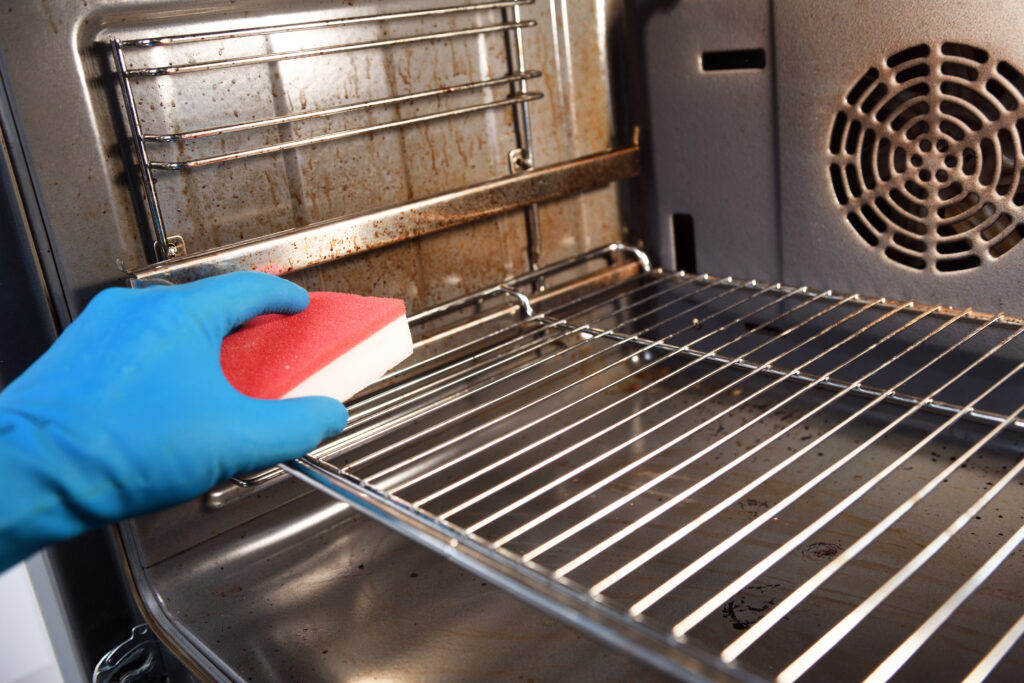
Regardless of the cleaner you choose, the process follows a similar sequence. Start by removing the racks completely from the oven. If you are using a spray-based chemical cleaner, take the racks outside or to a well-ventilated area, apply the product generously, and allow it to sit for the recommended dwell time — usually 20 minutes to several hours for heavy buildup. For the bathtub soaking method, line the tub with old towels to protect the surface, fill it with hot water, add your cleaning solution, and submerge the racks overnight. After soaking or treatment, use a non-scratch scrub pad or an old dish brush to work away the loosened residue. Rinse thoroughly, dry completely before reinstalling, and avoid placing damp racks back into the oven, as moisture can affect heating elements and oven components over time.
Key Advantages of Regular Oven Rack Cleaning
There are real, practical benefits to staying on top of this task that go beyond aesthetics. A clean oven rack allows for better heat circulation, which means more even cooking results. It also significantly reduces the risk of smoke and odor during use, which matters when you are cooking for guests or simply trying to avoid setting off smoke detectors. From a maintenance standpoint, preventing carbonized buildup from accumulating also means you are protecting the oven interior from the kind of sustained contamination that can eventually affect how the appliance functions. Clean racks slide in and out smoothly, which reduces mechanical wear on the rack guides inside the oven cavity.
Common Drawbacks and Things to Watch Out For
Chemical oven rack cleaners are powerful, but they come with trade-offs worth understanding. Strong alkaline formulas can damage aluminum and non-stick coated racks — always check what material your racks are made from before applying any product. Using harsh chemicals indoors without adequate ventilation is a genuine health risk, causing respiratory irritation and skin burns on contact. The dryer sheet soaking method, while gentler, requires advance planning since it typically takes overnight to be effective, and it may not cut through years of accumulated buildup in a single session. Even natural methods require time and elbow grease. There is no truly effortless solution here — just more or less effective ones depending on your specific situation.
Practical Tips for Maintaining Clean Oven Racks Longer
Prevention is always easier than correction. A few habits make a real difference in how often you need to deep-clean your racks. Using roasting pans, baking sheets, or foil to catch drips before they reach the rack surface is the single most effective preventive measure. Wiping racks with a damp cloth after each use — once the oven has cooled completely — removes surface residue before it has a chance to carbonize. Scheduling a dedicated oven rack cleaning session every one to three months, depending on how frequently you cook, keeps buildup manageable and prevents the kind of heavy-duty effort that consumes an entire afternoon.
When Oven Rack Issues Point to Bigger Appliance Problems
Sometimes what looks like a cleaning problem is actually a symptom of something more serious. If your oven racks are warping, discoloring unevenly, or showing signs of corrosion, that can indicate temperature regulation issues within the oven itself. An oven running hotter than its set temperature will accelerate carbonization on racks and may suggest a faulty thermostat or heating element. These are not problems that cleaning alone will resolve, and they represent the kind of appliance malfunction where having a home warranty can make a significant difference in what you pay out of pocket.
How Armadillo Home Warranty Supports Homeowners Who Stay on Top of Maintenance
Staying proactive about cleaning and maintenance is exactly the kind of homeowner behavior that supports a healthy relationship with your home warranty provider. Armadillo recognizes that appliance issues do not always come from neglect — sometimes ovens develop thermostat failures, heating element breakdowns, or control board malfunctions regardless of how diligent a homeowner has been. If you are the type of person who takes oven maintenance seriously, it makes sense to pair that effort with a protection plan that has your back when real mechanical failures happen. Armadillo home warranty coverage for kitchen appliances and major home systems is designed to be straightforward, honest, and genuinely useful — not buried in exclusions that leave you paying full repair costs anyway. If your oven develops a covered malfunction after all your careful upkeep, you should not have to wonder whether your warranty will actually show up. Take a few minutes to get a personalized home warranty quote that covers your oven and other major appliances and see what real protection looks like for your home.

Frequently Asked Questions About Oven Rack Cleaning
What is the best oven rack cleaner for heavy grease buildup?
For severe, carbonized grease, a heavy-duty chemical spray cleaner containing sodium hydroxide — such as Easy-Off Heavy Duty — is widely regarded as the most effective option. Allow adequate dwell time and always use gloves and ventilation.
Can I put oven racks in the dishwasher?
Most standard chrome oven racks can technically go in a dishwasher, but repeated cycles can cause discoloration and surface degradation. For heavily soiled racks, manual soaking or chemical treatment is more effective and less damaging long-term.
How often should oven racks be cleaned?
A light wipe-down after each use is ideal, but a thorough deep clean every one to three months is a reasonable schedule for households that cook regularly. Heavy oven users may need to clean more frequently.
Is the dryer sheet method actually effective for cleaning oven racks?
Yes, for moderate buildup it works reasonably well. The anti-static agents in dryer sheets help loosen baked-on residue during an overnight soak in hot water and dish soap. It is less effective for years of heavy carbonized grease.
Will oven rack cleaners damage the racks themselves?
Harsh alkaline cleaners can damage aluminum or non-stick coated racks. Always identify your rack material before choosing a cleaning product. For coated racks, enzymatic or natural cleaners are safer choices.
Can dirty oven racks cause my oven to malfunction?
Excessive buildup can contribute to smoke, odor, and uneven heat distribution, but direct mechanical malfunction from dirty racks is uncommon. However, persistent smoke and residue can affect oven sensors over time.
How do I protect my bathtub when soaking oven racks?
Line the bottom and sides of the tub with old towels before placing racks inside. This prevents scratching the tub surface and provides some cushioning. Rinse the tub thoroughly with hot water after the process is complete.
Does a home warranty cover oven repair or replacement?
Most home warranty plans cover mechanical and electrical failures in ovens, including heating element failures, thermostat issues, and control board malfunctions. Coverage does not typically extend to cosmetic damage or issues caused by lack of maintenance.
What type of scrubber should I use on oven racks?
A non-scratch scrub pad or a stiff-bristled dish brush works well for most cleaning methods. Avoid steel wool on polished or coated racks as it can cause scratching that accelerates future buildup and corrosion.
How long does it take to properly clean oven racks?
Active cleaning time with a chemical spray can be as little as 30 to 45 minutes including dwell time. Soaking methods require anywhere from several hours to overnight. The actual scrubbing and rinsing typically takes 15 to 30 minutes regardless of method.