What Freon is Compatible with R-22? A Homeowner’s Guide to HVAC Refrigerants
If you own a home built before 2010, there’s a strong chance your HVAC system uses R-22 refrigerant, also known as Freon. It kept homes cool for decades, until its environmental impact prompted a worldwide phase-out. While R-22 systems are no longer manufactured, many homeowners still rely on them, raising the question: What refrigerant is compatible with R-22 if it needs a recharge? From functionality to regulatory guidance, here’s everything homeowners need to know about R-22 replacements and how to plan intelligently for what’s next.
Understanding R-22 and Why It’s Being Phased Out
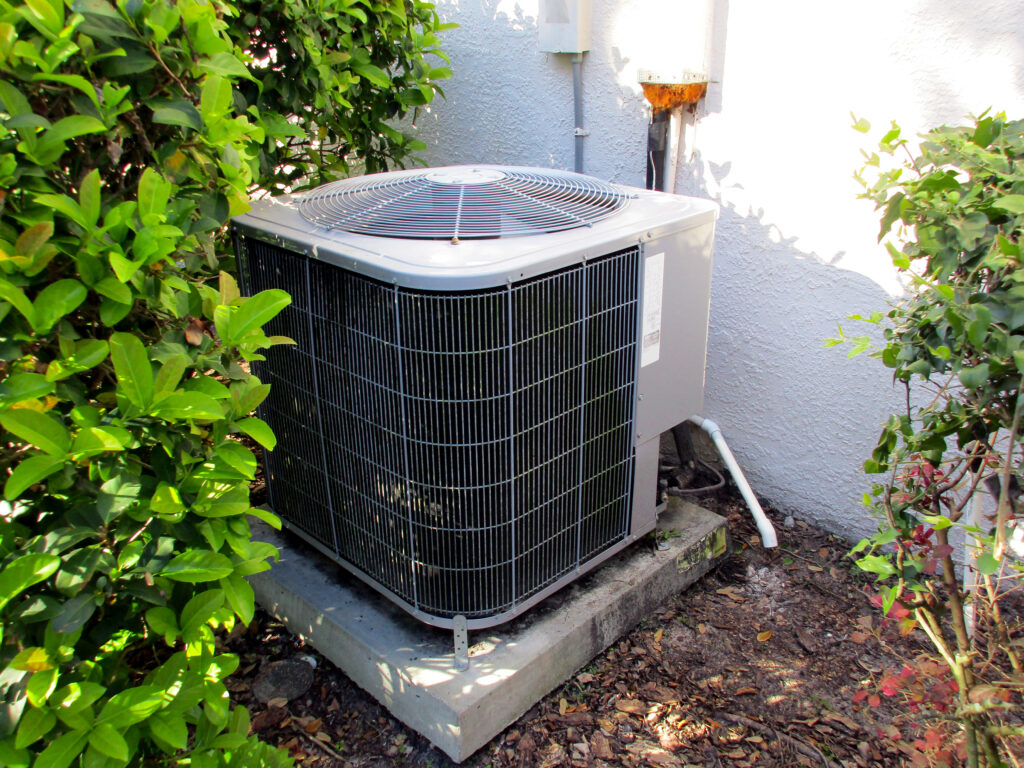
R-22 is a hydrochlorofluorocarbon (HCFC) refrigerant that was introduced in the mid-20th century and quickly became the industry standard. It was widely used in central air conditioning systems and heat pumps. The reason it was so popular is simple — it worked. Efficient cooling, broad compatibility, and stable system pressures made it easy for HVAC technicians to install and maintain. But over time, its long-term environmental cost became too high to ignore.
R-22 contains ozone-depleting substances, and under the Montreal Protocol, its production and import were gradually reduced. The EPA mandated a complete halt to the manufacturing and importation of R-22 in the United States as of January 1, 2020. From a homeowner’s point of view, this doesn’t mean systems using R-22 stopped working overnight. But it does mean servicing those systems has become more expensive and more complicated.
The Shift to R-22 Alternatives
As availability of R-22 declines, homeowners are encouraged to retrofit or replace systems. That’s where replacement refrigerants come in. These are refrigerants compatible with R-22 equipment when certain modifications are made. Although no refrigerant is a true “drop-in” replacement for R-22, several have been approved as viable substitutes for existing systems through retrofitting.
Among these, the most widely adopted replacements include R-407C and R-422D. R-407C is a hydrofluorocarbon (HFC) blend designed for use in residential and commercial air conditioning. It does not deplete ozone and has similar cooling capacity, pressure levels, and efficiency as R-22, though a full flush of the system is typically required to convert. R-422D, another HFC, can often be used with minimal changes to the system components. Technicians appreciate it primarily for its closer thermodynamic similarities to R-22.
Deciding Between Retrofitting vs. System Replacement
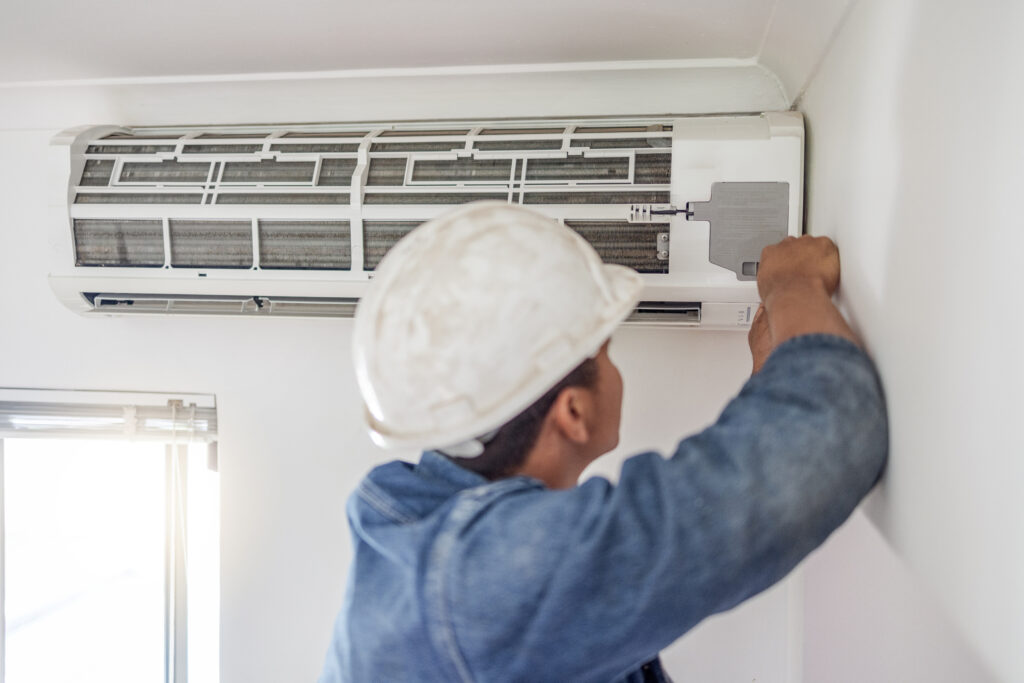
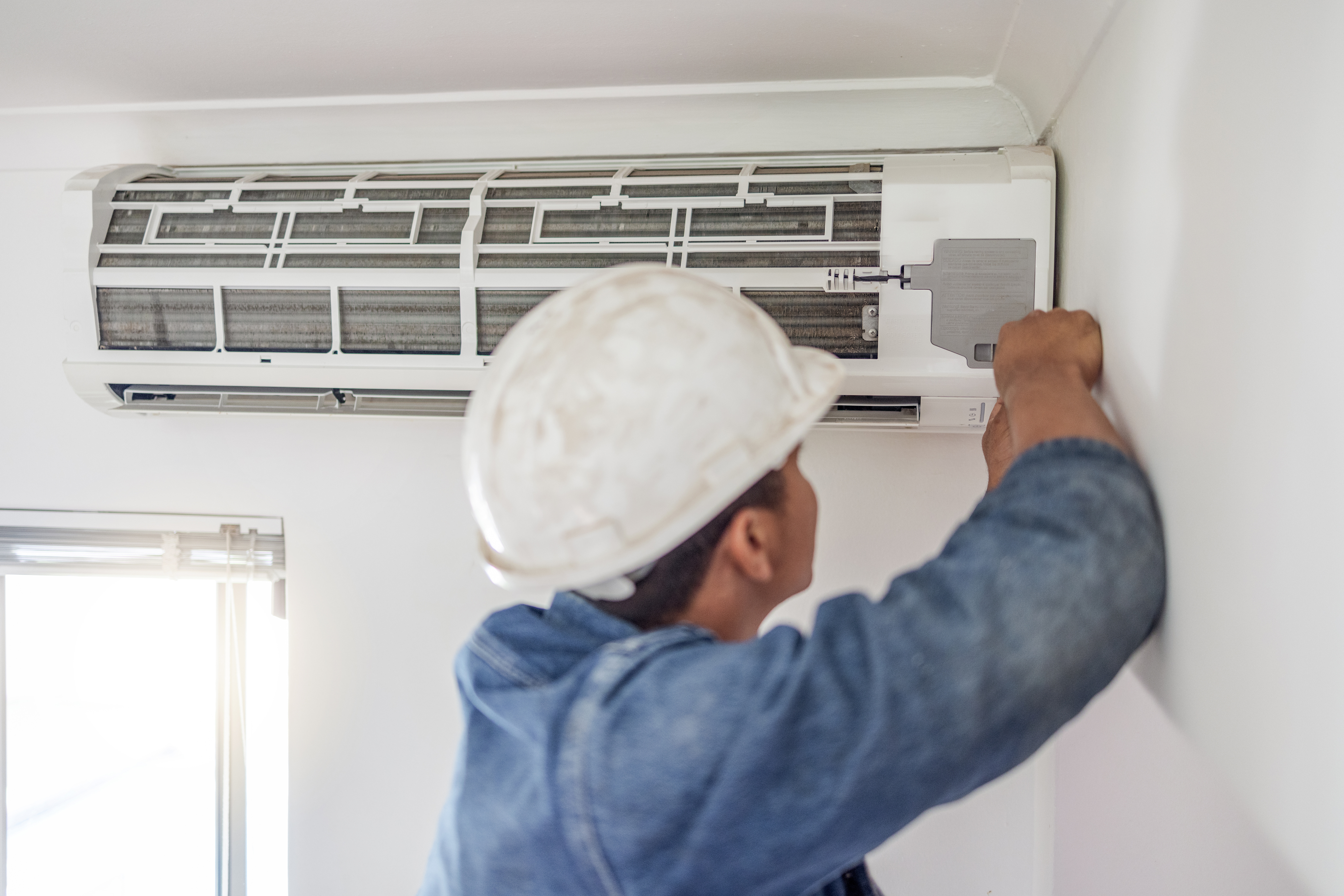
Homeowners face a pivotal decision when dealing with aging R-22 systems: retrofit or replace. Retrofitting involves preparing an existing R-22 A/C or heat pump system to function with a compatible refrigerant like R-407C or R-422D. This is generally less costly in the short term than purchasing a brand-new system, especially if the rest of your HVAC unit is in solid condition. It’s an appealing option for homeowners looking to extend the life of their existing system without a full investment just yet.
However, retrofit compatibility isn’t guaranteed. Depending on the age, condition, and manufacturer of your HVAC system, retrofitting may not be recommended or financially wise. That’s when replacement becomes the smarter path. Modern systems, which use environmentally safe refrigerants like R-410A or R-32, offer significant improvements in energy efficiency, lower lifetime operating costs, and better performance overall. While the upfront expense is higher, utility savings and environmental benefits often justify the switch.
The Role of a Home Warranty in R-22-Related Repairs
This is where the home warranty conversation becomes practical. Standard home insurance won’t cover HVAC breakdowns or refrigerant work, but a robust home warranty service can. If your system still runs R-22 and you’re not ready to replace it outright, a warranty plan that offers refrigerant coverage or HVAC support is a way of protecting against unexpected repair bills or component failure during this transitional window.
Not all home warranty providers treat R-22 the same way. Some exclude it entirely due to its limited availability and rising cost, while others offer capped coverage or stipulate usage of approved retrofit refrigerants only. Homeowners looking at long-term projections benefit by choosing a provider familiar with the nuances of refrigerant transitions, and who offer transparent terms around refrigerant alternatives and HVAC serviceability.
Choosing the Right Replacement Refrigerant
Before proceeding with any refrigerant changes, homeowners should understand their HVAC system’s requirements and consult a licensed HVAC technician. Each alternative refrigerant has its characteristics regarding lubricant compatibility, required hardware modifications, and pressure-temperature behavior. R-407C, for instance, requires replacement of the mineral oil in your compressor with synthetic oil. R-422D, by contrast, works with existing mineral oil in most applications, though it isn’t compatible with every system brand.
Beyond technical fit, supply availability matters too. R-407C is widely available and often used in newly manufactured systems, making it a popular and reliable choice. R-421A and MO99 are two other contenders, though their application is more niche. No matter the refrigerant, always verify the product is EPA-approved and handled by licensed professionals. Improper retrofits can not only void warranties but damage your system in ways that are not repairable without full replacement.
Costs Involved with R-22 Replacements
The cost difference between continuing with R-22 versus converting to a replacement refrigerant is real. As R-22 is no longer in production and only available through reclamation, prices have spiked. A refrigerant recharge that once cost $100 can now exceed $600, depending on system size and local supply. By contrast, retrofit refrigerants are more stable in pricing — though the labor for conversion may add a few hundred dollars to the total bill.
If replacing the entire system, homeowners can expect to spend between $4,000 and $12,000 depending on home size, efficiency ratings, and unit type. Fortunately, federal incentives and energy-efficient financing are available, potentially offsetting some of the costs. Plus, new installations typically carry manufacturer warranties that provide years of added protection and value.
Planning Ahead with Armadillo Home Warranty
As refrigerant rules evolve, the best way to protect your home’s HVAC investment is to work with a home warranty provider that understands R-22 systems and the challenges of maintaining them in today’s regulatory landscape. That’s where Armadillo stands out. Our flexible, modern home warranty plans offer real solutions for homeowners navigating R-22 replacements, HVAC maintenance, and uncertain costs. Whether your system still runs on R-22 or you’re looking into a retrofit, we help cover the unexpected — and the unavoidable. Visit us at armadillo.one to explore our coverage options, or start building your customized plan at our plan builder to see how affordable peace of mind can be. Protect your air conditioner now, and your budget later.