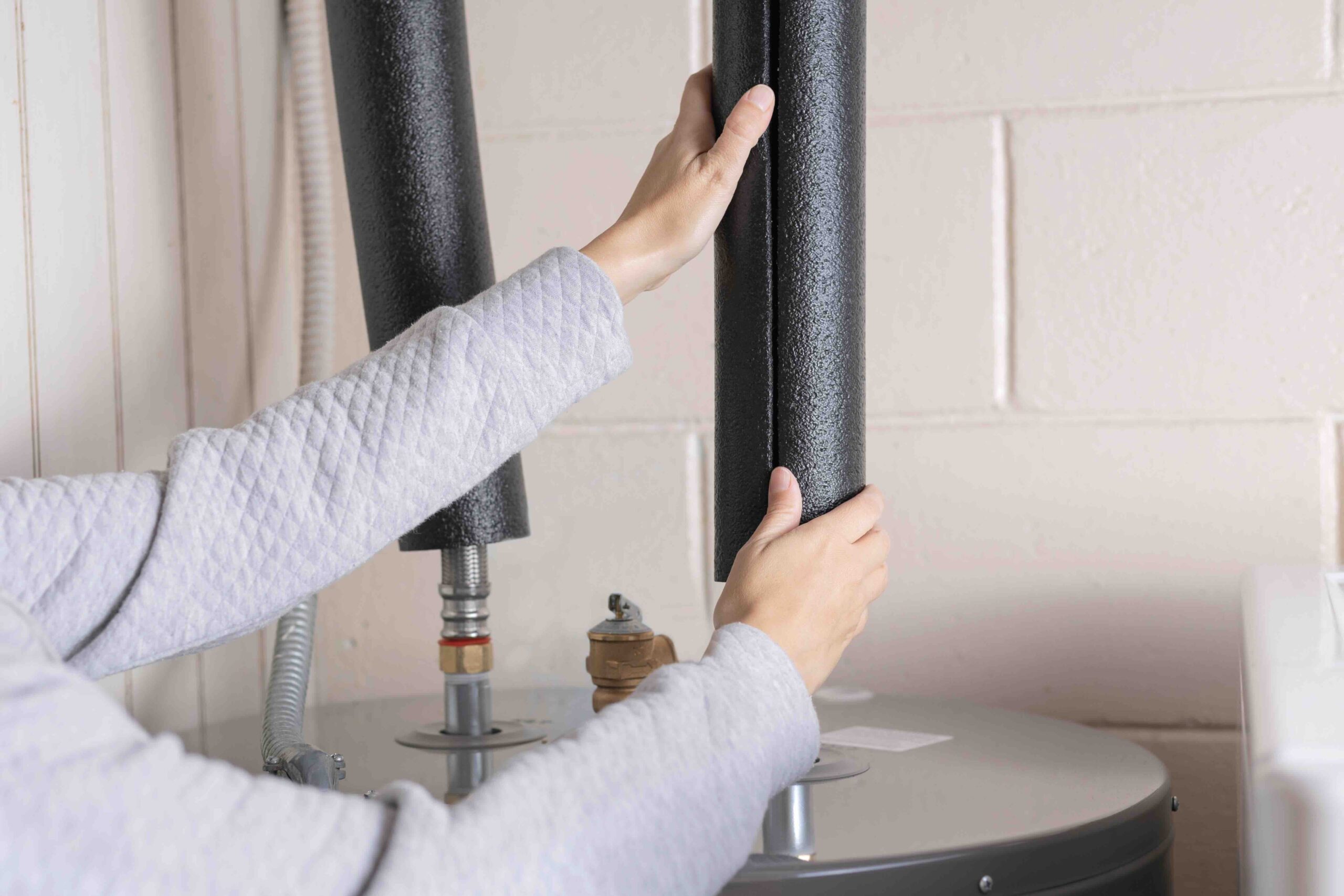
What Is Water Pipe Insulation and Why Does It Matter for Your Home?
Water pipe insulation is exactly what it sounds like — a protective layer wrapped around the pipes in your home to regulate temperature, prevent freezing, and reduce heat loss. It sounds simple, and in many ways it is. But the impact this one home improvement can have on your utility bills, your plumbing system’s longevity, and your overall peace of mind during cold months is genuinely significant. Whether your pipes run through an unheated basement, an exterior wall, or a crawl space, insulation is one of those upgrades that quietly does a lot of heavy lifting behind the scenes.
How Water Pipe Insulation Actually Works
The core function of pipe insulation is thermal regulation. When pipes are exposed to cold air — especially in spaces like attics, garages, or crawl spaces — the water inside can lose heat rapidly. In freezing temperatures, that can lead to burst pipes, which is one of the most expensive and disruptive plumbing failures a homeowner can face. Insulation creates a barrier between the pipe surface and the surrounding air, slowing down temperature transfer in both directions. That means cold pipes stay warmer in winter, and hot water pipes retain heat longer on the way from your water heater to the tap. The material acts almost like a jacket for your plumbing — nothing fancy, just consistent protection.
The Most Common Types of Pipe Insulation Materials
Not all pipe insulation is created equal, and the right choice depends on your pipe type, location, and budget. Here is a breakdown of the most widely used options available to homeowners today.
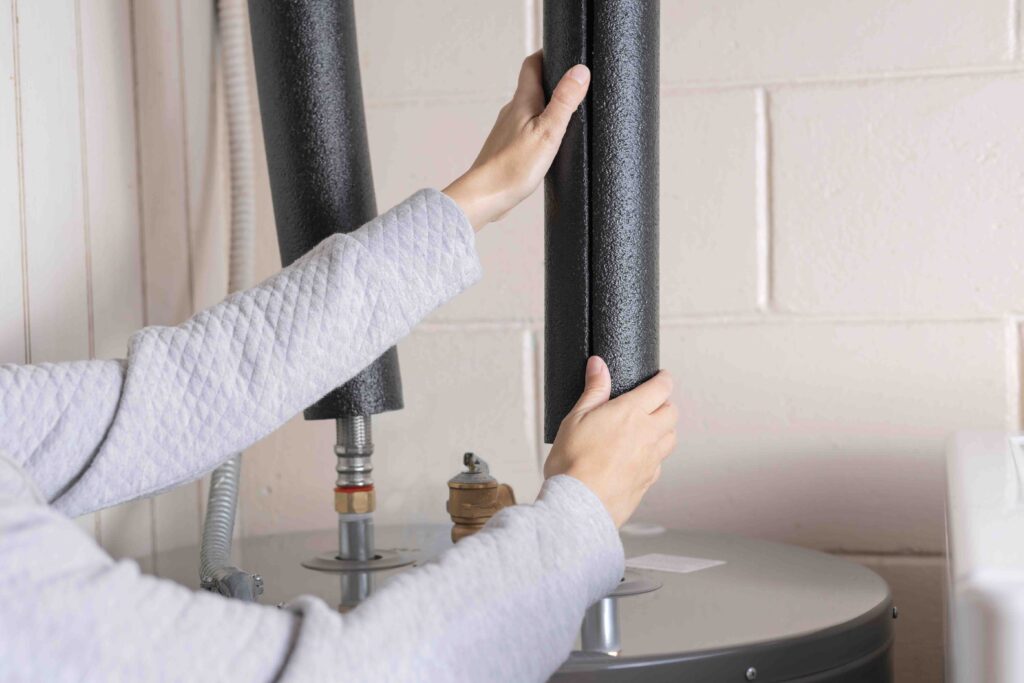
- Foam pipe sleeves: The most accessible and DIY-friendly option, typically made from polyethylene or neoprene foam. They slide over pipes and are secured with tape or adhesive.
- Fiberglass pipe wrap: More heavy-duty and better suited for high-temperature applications like hot water and steam pipes. Requires gloves during installation due to irritant fibers.
- Rubber pipe insulation: Flexible, moisture-resistant, and durable. Works well in both hot and cold applications and holds up in humid environments.
- Pipe heating cables: Not traditional insulation, but often used alongside foam sleeves for pipes in extremely cold climates. They generate low-level heat to prevent freezing.
- Spray foam insulation: Used in tight spaces where sleeve-style insulation cannot fit. Expands to fill gaps around pipes but is less reversible once applied.
Key Advantages of Insulating Your Water Pipes
The benefits go well beyond just avoiding a frozen pipe situation in January. Proper pipe insulation delivers measurable advantages year-round. Hot water reaches your faucet faster because less heat dissipates along the route from the heater, which means you are running the tap for fewer seconds before it warms up. That translates directly into water savings over time. From an energy efficiency standpoint, insulated hot water pipes reduce the workload on your water heater, which can modestly lower your energy bills. And from a structural standpoint, insulation reduces condensation on cold water pipes — that moisture buildup, left unchecked, can lead to mold growth or corrosion that silently degrades your plumbing over years. The protection compounds over time.
Common Drawbacks and Limitations to Keep in Mind
Pipe insulation is one of the more straightforward home improvements you can make, but it is not without its limitations. Foam sleeves, while easy to install, can degrade over time — especially in areas with high humidity or direct sunlight exposure. They may need to be replaced every several years depending on the environment. Fiberglass insulation, though more durable, requires careful handling and proper protective gear, making it less approachable for a casual weekend project. Additionally, insulation alone is not a foolproof solution for pipes in extremely cold climates. If temperatures drop well below freezing for an extended period, even well-insulated pipes in poorly heated spaces can be at risk. Insulation slows the process — it does not eliminate the vulnerability entirely. Homeowners in northern climates often need to combine insulation with other strategies like keeping cabinet doors open or maintaining a minimum thermostat setting during cold snaps.

Where in Your Home Should Pipes Be Insulated?
Priority areas for pipe insulation are the spaces in your home that are either unheated or exposed to outdoor temperatures. Crawl spaces, unfinished basements, attics, and garages are the most critical zones. Any pipe running along an exterior wall is also worth addressing, especially in older homes where wall insulation may be minimal. Do not overlook the short runs of pipe near your water heater, either — insulating the first few feet of both hot and cold water lines connected to your heater can noticeably improve efficiency. Inside finished, climate-controlled areas of your home, pipe insulation is less urgent but still useful for reducing condensation on cold water pipes during humid summer months.
Can You Insulate Pipes Yourself or Should You Hire a Professional?
For most accessible pipes in basements and crawl spaces, DIY installation of foam pipe sleeves is genuinely manageable for the average homeowner. The sleeves come in standard sizes to fit common pipe diameters, they cut easily with scissors or a utility knife, and they require no specialized knowledge to apply. Most home improvement retailers carry everything you need. That said, if your pipes run inside finished walls or in hard-to-reach spaces, professional installation makes more sense. A plumber or insulation contractor can assess the full picture, identify pipes you may have missed, and use materials suited for more complex applications. The cost of professional pipe insulation varies depending on the scope, but it is generally a modest investment compared to the cost of repairing a burst pipe or addressing water damage.
Pipe Insulation and Your Home Warranty Coverage
Here is where many homeowners hit a bit of a knowledge gap. Home warranties typically cover the repair or replacement of major plumbing components when they fail due to normal wear and tear — things like pipe leaks, broken fittings, and water line failures. However, damage caused by freezing pipes is often treated differently. Some warranty plans may exclude freeze-related damage if it is determined that reasonable preventive measures, like insulation, were not in place. Understanding your coverage terms matters a great deal here. Taking proactive steps like pipe insulation not only protects your home physically — it also demonstrates responsible maintenance, which can factor into how warranty claims are evaluated.
Practical Tips for Getting the Most Out of Pipe Insulation
- Measure your pipe diameter before purchasing insulation sleeves to ensure a snug fit — a loose sleeve provides significantly less protection.
- Seal all seams and joints with foil tape or the manufacturer’s recommended adhesive to eliminate gaps where heat or cold can escape.
- Do not forget pipe elbows and T-joints — these areas are often skipped but are just as vulnerable to heat loss and condensation.
- Inspect existing insulation annually, especially before winter, and replace any sections that show cracking, compression, or moisture damage.
- In crawl spaces, combine pipe insulation with a vapor barrier on the ground to manage moisture from multiple angles.
Why Armadillo Is the Smart Home Warranty Choice for Plumbing-Conscious Homeowners
You have put real thought into protecting your home’s plumbing — that kind of proactive thinking deserves equally thoughtful coverage backing it up. Armadillo offers home warranty plans built around the real concerns of real homeowners, including the plumbing systems that keep everything running. When a covered pipe fails, you should not be navigating confusing exclusions or chasing down contractors on your own. That is exactly the kind of friction Armadillo is designed to remove. As a trusted home warranty provider for comprehensive plumbing system coverage, Armadillo makes the claims process straightforward and the coverage genuinely useful. If you want to see what a plan looks like for your specific home, you can get a free home warranty quote for plumbing and pipe protection in just a few minutes. Protecting your pipes is smart. Making sure that protection extends to your coverage is even smarter.

Frequently Asked Questions About Water Pipe Insulation
Answers to the most common questions homeowners ask about insulating their water pipes.
What is the best type of insulation for water pipes?
Foam pipe sleeves made from polyethylene or neoprene are the most popular choice for general use due to their ease of installation and availability. For high-temperature applications or extreme cold climates, rubber or fiberglass insulation offers superior performance and durability.
Does pipe insulation actually prevent pipes from freezing?
Pipe insulation significantly reduces the risk of freezing by slowing heat loss, but it is not a guaranteed freeze-prevention solution on its own. In extremely cold climates, it should be combined with heating cables and proper thermostat management for reliable protection.
How much does it cost to insulate water pipes?
DIY foam pipe insulation is very affordable, often costing between one and three dollars per linear foot for materials. Professional installation of a full home’s pipe system can range from a few hundred to over a thousand dollars depending on access, pipe length, and material choice.
Can pipe insulation reduce my water heating costs?
Yes. Insulating hot water pipes reduces the heat lost between the water heater and the faucet, meaning the heater runs less frequently to maintain temperature. The savings are modest but consistent, and they compound over time especially in larger homes with longer pipe runs.
Is pipe insulation required by building codes?
Building code requirements vary by location and construction type. New construction often requires pipe insulation in specific areas like unconditioned spaces. For existing homes, insulation is generally recommended rather than mandated, but local codes should always be verified.
How long does foam pipe insulation last?
Quality foam pipe insulation typically lasts between five and ten years under normal conditions. Exposure to UV light, extreme humidity, or physical damage can shorten its lifespan. Annual inspections before winter are the best way to catch deterioration early.
Can I insulate pipes inside finished walls?
Insulating pipes inside finished walls is difficult without opening the wall surface. In most cases, professionals use spray foam injected through small access points, or the insulation is added during a renovation when walls are already open. It is not a standard DIY task.
Does a home warranty cover burst pipes from freezing?
Coverage depends on the specific home warranty plan and the circumstances of the failure. Some plans exclude freeze-related damage or require evidence that preventive measures were in place. Reviewing your plan’s terms regarding plumbing coverage and exclusions is essential before a problem arises.
What pipes should I prioritize for insulation?
Focus first on pipes in unheated or exterior-facing spaces — crawl spaces, attics, garages, and basement perimeters. Pipes along exterior walls and those connected directly to your water heater are also high-priority locations for maximum impact.
Is pipe insulation a worthwhile investment for homeowners in mild climates?
Yes, even in warmer climates. While freeze protection is less of a concern, insulating hot water pipes still improves delivery efficiency, and insulating cold water pipes reduces condensation and the moisture-related issues that come with it. The return on investment is real regardless of your climate zone.