Window Air Conditioners: What Every Homeowner Should Know Before Buying
If you have ever stood in front of a hardware store display trying to figure out which window air conditioner actually makes sense for your home, you already know the feeling. There are dozens of options, different BTU ratings, unfamiliar brand names, and price tags ranging from modest to surprisingly steep. It is a lot. And most of the time, the packaging does not exactly simplify things. This guide is here to change that. Whether you are cooling a single bedroom, a studio apartment, or a sunroom that gets absolutely brutal in July, understanding how window air conditioners work and what separates a reliable unit from a frustrating one will save you money and a whole lot of discomfort.
What Is a Window Air Conditioner and How Does It Actually Work
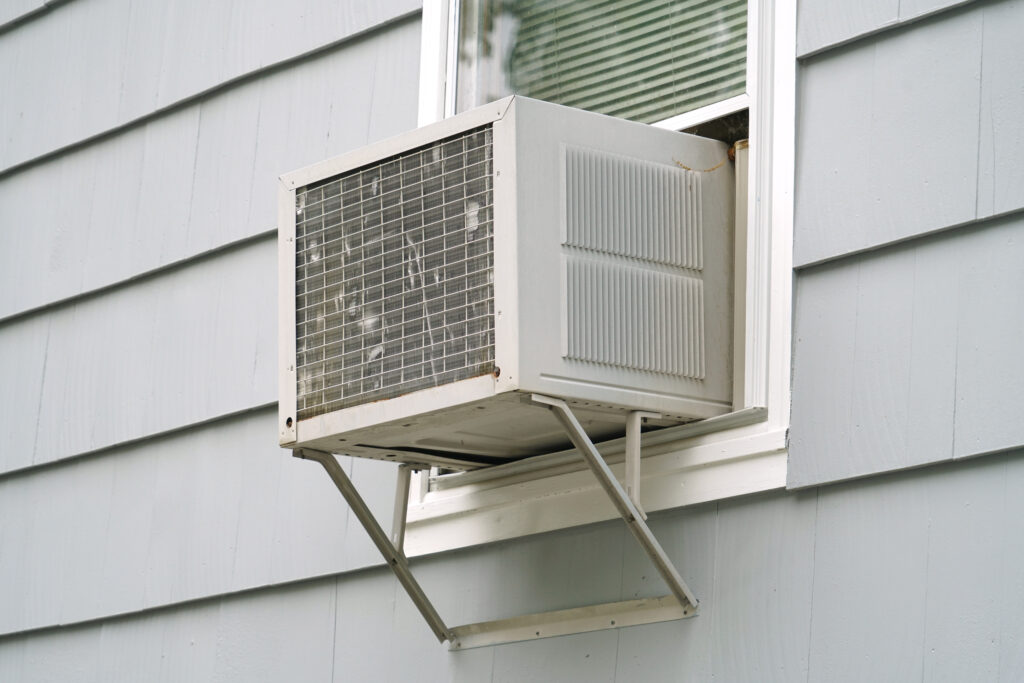
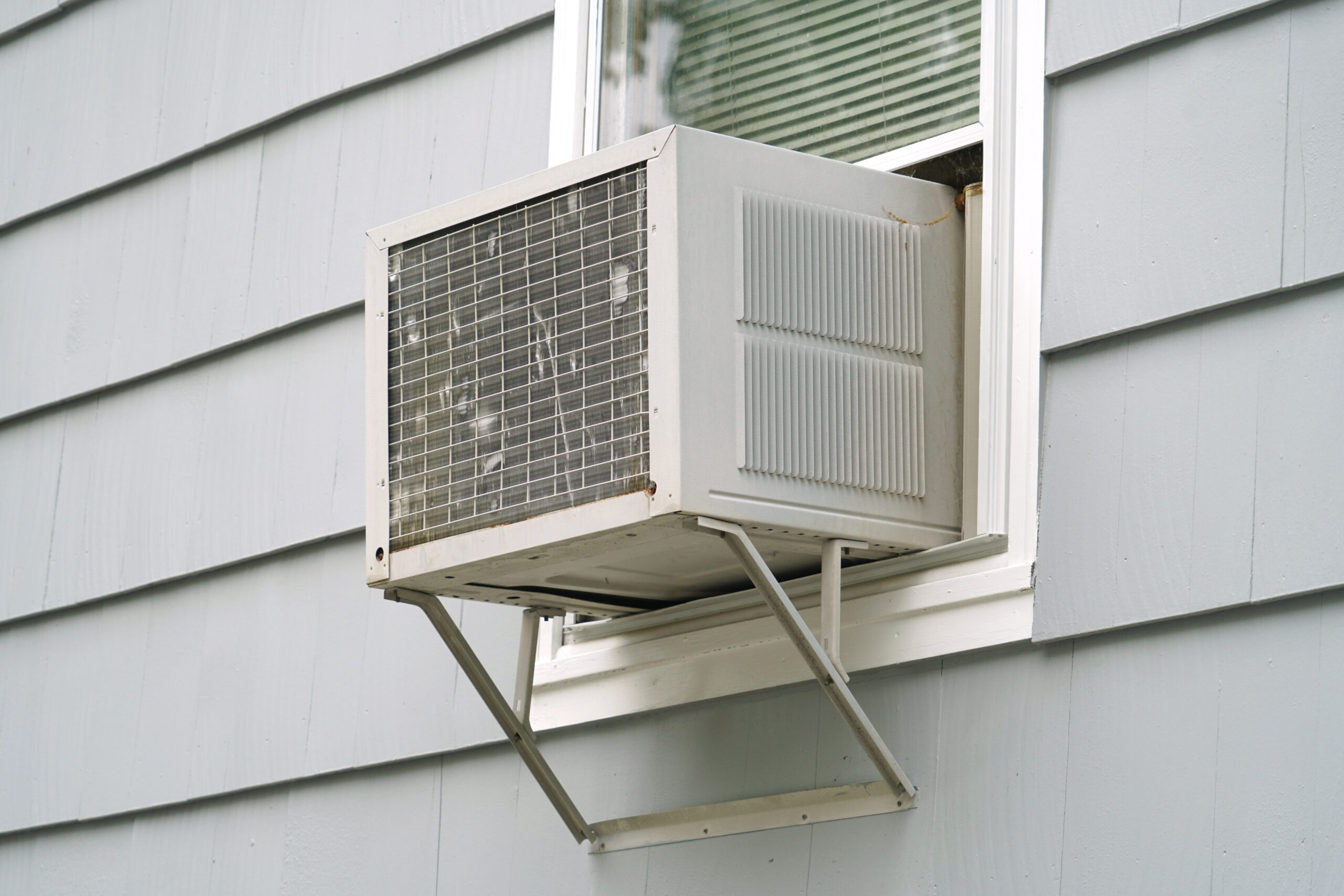
A window air conditioner is a self-contained cooling unit designed to fit inside a standard window frame. Unlike central air systems, which distribute conditioned air through ductwork across the entire home, a window unit handles one room or zone at a time. Inside the unit, a refrigerant absorbs heat from the indoor air and transfers it outside through a condenser coil. A compressor keeps this cycle going, and a fan circulates the cooled air back into the room. The warm air and moisture get expelled outside, which is why the back of a window AC unit always faces outdoors. It is a fairly elegant piece of engineering when you think about it, especially given how compact the whole system is.
Best Window Air Conditioner Brands Worth Knowing
Not all window air conditioners are built the same way, and brand reputation genuinely matters here. A few names have earned consistent trust in this category over the years. LG is widely regarded as one of the top performers, known for quiet operation, solid energy efficiency ratings, and user-friendly controls. Frigidaire has a long history in home cooling and offers a broad range of BTU options that fit different room sizes without overcomplicating the selection process. Friedrich is a premium brand that shows up in both residential and commercial settings, respected for durability and advanced filtration. Midea has gained serious ground in recent years with smart-enabled units at competitive price points. GE Appliances rounds out the conversation with reliable mid-range options that balance performance and affordability well. Each of these brands approaches window cooling a little differently, so matching the brand to your priorities matters as much as the unit itself.
Key Advantages of Choosing a Window Air Conditioner
There are real reasons why window air conditioners remain one of the most popular cooling options for homeowners and renters alike. The most obvious is cost. A quality window unit typically costs a fraction of what a central air installation runs, and there is no ductwork involved. Installation is manageable for most people with basic tools and a free afternoon. Beyond the upfront savings, window ACs let you cool only the spaces you actually use, which can translate directly into lower energy bills if you are thoughtful about how you run them. Many newer models carry Energy Star certification, meaning they meet federal efficiency standards that further reduce operating costs. Smart-enabled units from brands like LG and Midea also allow for app-based controls and scheduling, which adds a layer of convenience that used to be reserved for far more expensive systems.
Common Drawbacks to Consider Before You Buy
It would not be fair to skip over the downsides. Window air conditioners do come with limitations that are worth understanding upfront. Installation requires a compatible window, typically a double-hung style, and not every home has them where you need cooling most. The units can be heavy and somewhat awkward to position safely, especially on upper floors. Noise is another factor that varies widely by brand and model. Some units run quietly enough that you barely notice them; others produce a consistent hum that some people find disruptive, particularly in bedrooms. Window units also block natural light and limit the use of that window for ventilation. And while they are effective for single-room cooling, they are not a practical solution for whole-home comfort on their own.

How to Choose the Right BTU Rating for Your Space
BTU, or British Thermal Unit, is the measurement used to describe a window AC unit’s cooling capacity. Getting this number right is genuinely important. An undersized unit will run constantly without ever reaching a comfortable temperature. An oversized unit will cool the room too quickly without removing enough humidity, leaving the air feeling damp and clammy. As a general starting point, a 5,000 BTU unit handles rooms up to around 150 square feet. A 10,000 BTU unit covers approximately 450 square feet. For rooms with high ceilings, lots of sun exposure, or significant heat-generating appliances, you may want to size up slightly. Manufacturers and energy efficiency resources typically provide room-size charts, and they are worth consulting before making a purchase decision.
Installation Tips for a Safe and Effective Setup
Proper installation makes a noticeable difference in both performance and safety. A few things to keep in mind as you prepare:
- Always use the mounting hardware and foam insulation strips that come with the unit to prevent air gaps and energy loss.
- Make sure the unit tilts very slightly outward so condensation drains away from your home rather than pooling inside.
- Use a dedicated electrical circuit if the unit requires 240 volts, and never daisy-chain extension cords with a window AC.
- Check the window frame and sill for structural integrity before placing a heavy unit in the opening.
- Install a window lock or security bar after mounting to prevent the window from being opened from the outside.
Maintenance Habits That Extend the Life of Your Unit
Window air conditioners do not require constant attention, but a little routine care goes a long way. The most important task is cleaning or replacing the air filter regularly, typically every two to four weeks during heavy use. A clogged filter forces the unit to work harder, reduces airflow, and can lead to ice buildup on the coils. At the start of each cooling season, remove the outer casing if possible and clear out any dust, debris, or mold from the interior components. Check the coils for dirt accumulation and use a soft brush or compressed air to clean them. Before storing the unit at the end of the season, let it dry completely to prevent mold growth during the off months.
When a Window AC Repair or Replacement Makes More Sense
Even a well-maintained window air conditioner will eventually show signs of wear. Knowing when to repair versus replace is a practical skill that can save you from unnecessary spending. If the unit is less than five years old and experiencing a specific, identifiable issue like a faulty thermostat or a broken fan blade, repair usually makes financial sense. If the unit is older than eight to ten years, struggling to reach the desired temperature, or making unusual sounds that were not there before, replacement is often the smarter call. Refrigerant issues are worth noting specifically. Older units may use refrigerant types that are no longer manufactured, making repairs both costly and difficult to source.
How a Home Warranty Can Protect Your Window Air Conditioner Investment
Window air conditioners represent a real investment in your home’s comfort, and like any mechanical system, they can fail at the worst possible time. That is exactly where a home warranty becomes a practical financial tool rather than just a nice-to-have. Armadillo home warranty coverage for cooling systems and appliances is built with real homeowners in mind, offering straightforward protection that does not bury you in confusing exclusions. If your window unit breaks down mid-summer and the repair cost blindsides you, having the right plan in place changes the entire equation. You can get a personalized home warranty quote that covers your AC and home appliances in just a few minutes, which is honestly one of the easier decisions you will make as a homeowner. Armadillo keeps the process simple, the coverage honest, and the service responsive when you actually need it.

Frequently Asked Questions About Window Air Conditioners
Answers to the questions homeowners ask most often about window AC units, installation, performance, and coverage.
What is the best window air conditioner brand for a bedroom?
LG and Frigidaire are consistently top-rated for bedroom use due to their quiet operation modes and reliable thermostat controls. Friedrich is also an excellent choice if budget allows, as their units are built with noise reduction in mind.
How long does a window air conditioner typically last?
A well-maintained window air conditioner generally lasts between eight and twelve years. Units that are cleaned regularly, stored properly during winter months, and not overworked tend to reach the higher end of that range.
Can a window AC unit cool an entire house?
Window air conditioners are designed for single-room or zone cooling. Multiple units placed strategically can improve comfort throughout a home, but they are not a substitute for a central air conditioning system in larger or multi-story homes.
Does a window air conditioner need to be installed in a window?
Standard window AC units require a window opening for proper ventilation and heat exhaust. There are also through-the-wall units that serve a similar function and are installed in an exterior wall opening instead, but those require more permanent modifications.
Is it safe to leave a window air conditioner running all day?
Yes, modern window air conditioners are designed for extended operation. Using a programmable thermostat or timer function to cycle the unit rather than running it on continuous blast is a more energy-efficient approach and reduces wear on the compressor.
What size window air conditioner do I need for a 400 square foot room?
A room around 400 square feet generally requires a unit rated between 9,000 and 10,000 BTUs. If the room receives significant direct sunlight or has high ceilings, consider sizing up slightly to maintain consistent cooling performance.
Why is my window air conditioner freezing up?
Ice buildup on a window AC unit is usually caused by restricted airflow from a dirty filter, low refrigerant levels, or running the unit in temperatures below 60 degrees Fahrenheit. Cleaning or replacing the filter is the first and easiest step to address this issue.
Does homeowners insurance cover a broken window air conditioner?
Standard homeowners insurance typically does not cover mechanical breakdowns of appliances like window air conditioners. That type of coverage usually falls under a home warranty plan, which is specifically designed to address repair and replacement costs for home systems and appliances.
Are smart window air conditioners worth the extra cost?
Smart window AC units that offer Wi-Fi connectivity and app-based controls can deliver meaningful savings through better scheduling and energy monitoring. For households where routines vary or where remote access is useful, the added cost is generally justified over the life of the unit.
How do I properly store a window air conditioner for winter?
Remove the unit from the window before temperatures drop significantly. Clean the filter and coils, allow the unit to dry completely, and store it in a dry indoor space such as a basement or closet. Cover it with a breathable cloth or manufacturer-recommended cover to keep dust out during storage.