What Is Bleach on Stainless Steel and Why Do Homeowners Keep Making This Mistake
Stainless steel is everywhere in the modern home. Refrigerators, dishwashers, sinks, ovens, range hoods — the list goes on. It looks clean, it photographs well, and it gives kitchens that polished, pulled-together feel that never really goes out of style. But here is the thing most homeowners do not realize until it is too late: stainless steel is not actually invincible. And one of the most common mistakes people make is reaching for bleach to clean it. That decision, made with the best intentions, can do some real damage. Understanding what stainless steel actually is, how it reacts to harsh chemicals, and how to care for it properly will save you money, frustration, and potentially a very expensive appliance replacement.
What Stainless Steel Actually Is and How It Works
Despite the name, stainless steel is not completely impervious to staining or corrosion. It is an alloy — primarily iron mixed with chromium, and sometimes nickel or other elements. The chromium content is what gives stainless steel its signature resistance to rust. When chromium is exposed to oxygen, it forms a thin, invisible protective layer on the surface called a passive layer. This layer is essentially a self-repairing shield. Scratch it lightly, and it regenerates. Expose it to the right conditions, and it holds up remarkably well over years of daily use. The problem is that this passive layer has limits. Certain chemicals can break it down, strip it away, and leave the underlying metal vulnerable to oxidation, pitting, and discoloration. Bleach is one of those chemicals.
Why Bleach and Stainless Steel Are a Bad Combination
Chlorine bleach contains sodium hypochlorite, which is a powerful oxidizing agent. In household cleaning, that strength is useful for killing bacteria, whitening surfaces, and cutting through grime. On stainless steel, however, that same oxidizing power attacks the chromium oxide layer rather than protecting it. Once that passive layer is compromised, the surface becomes susceptible to rust, pitting, and discoloration. You may notice dark spots, a dull or hazy finish, or even surface rust appearing on what was previously a pristine appliance. Extended or repeated exposure makes the damage progressively worse and harder to reverse. To be direct about it: bleach does not just stain stainless steel, it structurally weakens the surface over time.

Common Household Appliances at Risk
If your kitchen or laundry area features stainless steel finishes, you have more at stake than just aesthetics. The appliances most frequently damaged by improper cleaning with bleach include:
- Stainless steel refrigerators and freezer doors
- Dishwasher exteriors and interior tub walls
- Ranges, ovens, and stovetop surfaces
- Kitchen sinks, especially single-basin designs
- Range hoods and ventilation covers
- Washing machine drums and exterior panels
Each of these represents a significant investment. A stainless steel refrigerator alone can run anywhere from a few hundred dollars on the low end to several thousand for a premium model. Damaging the surface prematurely through improper cleaning is an avoidable cost that no homeowner wants to absorb.
How to Safely Clean Stainless Steel Appliances
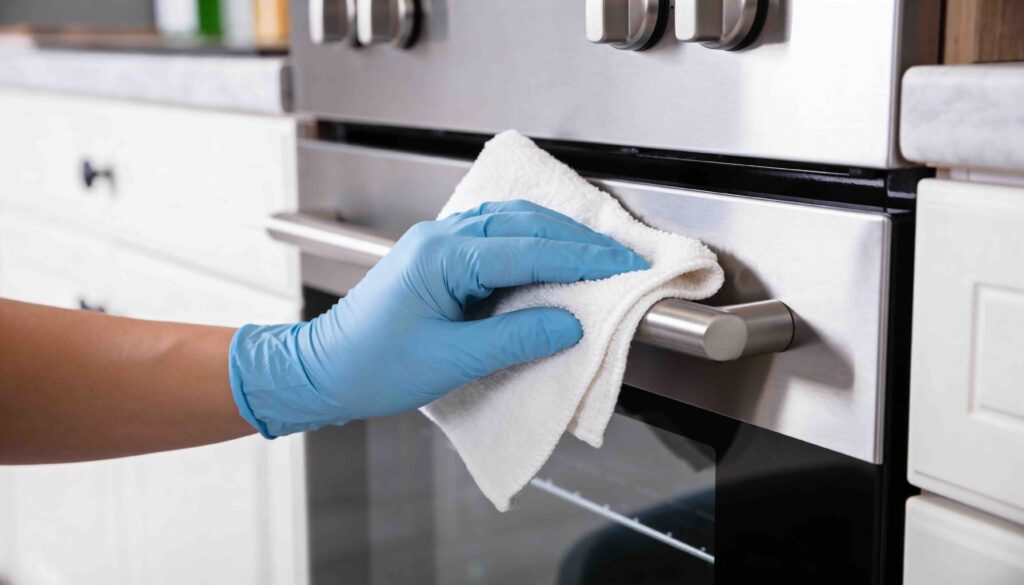
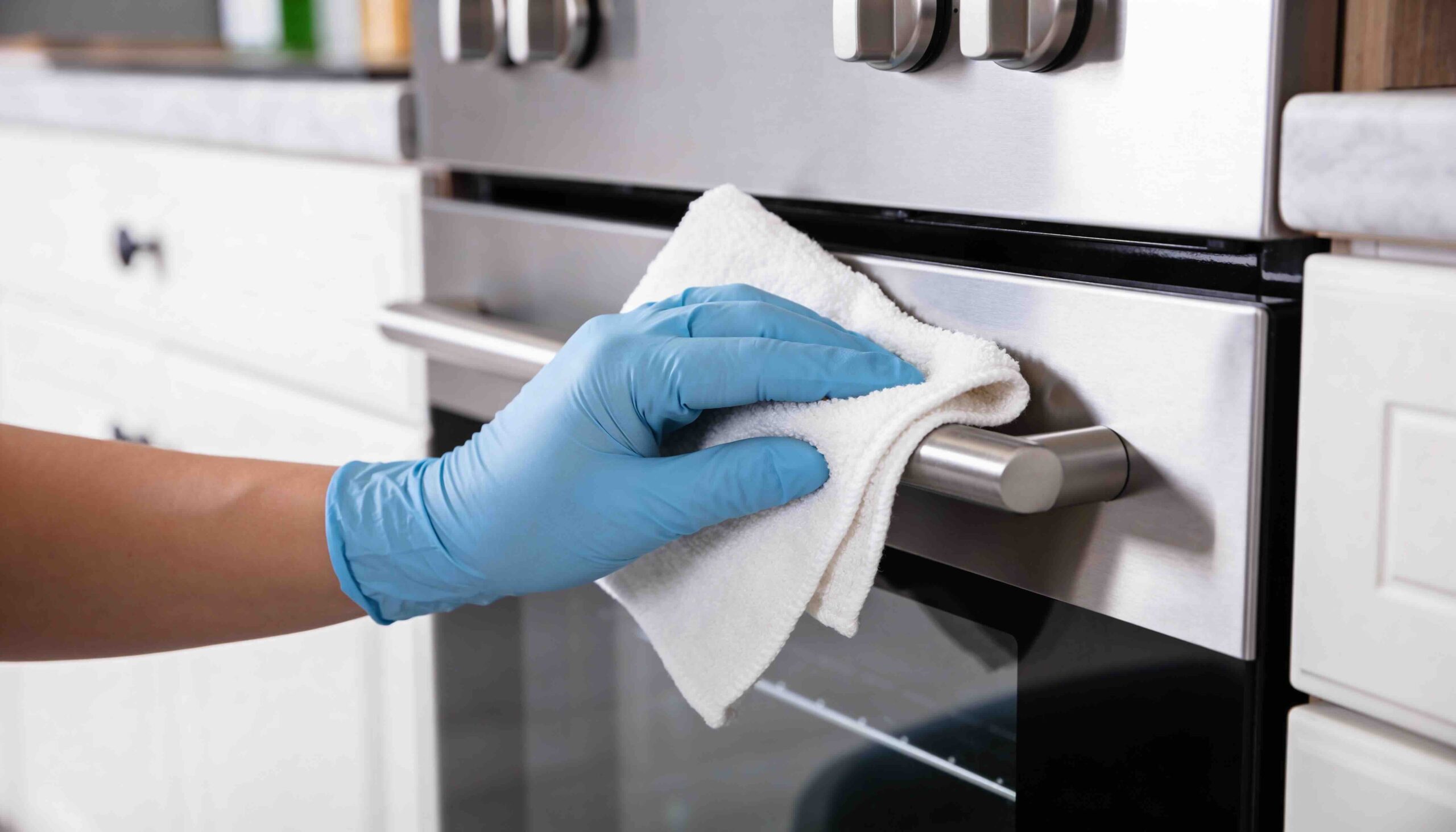
Cleaning stainless steel does not have to be complicated. The goal is to remove grease, fingerprints, and food residue without compromising the passive chromium layer. Warm water and a small amount of dish soap applied with a soft microfiber cloth is often all you need for routine cleaning. For tougher buildup, a dedicated stainless steel cleaner is worth the investment. These products are specifically formulated to clean without the corrosive effects of chlorine compounds. Always wipe in the direction of the grain — stainless steel has a brushed pattern, and cleaning against it can create micro-scratches that trap grime over time. After cleaning, drying the surface thoroughly prevents water spots, which are one of the most common complaints homeowners have about stainless steel maintenance.
What to Do If Bleach Has Already Been Applied
If bleach has already made contact with a stainless steel surface, prompt action matters. Rinse the area thoroughly with clean water as quickly as possible to dilute and remove the bleach. Avoid scrubbing aggressively at this stage, as the surface may already be compromised and scrubbing could worsen the damage. Once rinsed, dry the area completely. If discoloration or rust spots have already developed, a paste made from baking soda and water applied gently with a soft cloth can help address minor surface oxidation. Bar Keepers Friend, which contains oxalic acid, is a well-regarded option for restoring lightly damaged stainless steel surfaces and is safe for this application when used as directed. Significant pitting or deep rust may require professional restoration or appliance replacement.
Key Advantages of Properly Maintained Stainless Steel
When cared for correctly, stainless steel appliances and fixtures offer a genuinely impressive set of benefits that justify their popularity in residential kitchens and laundry spaces.
- Long-term durability when the protective layer remains intact
- Resistance to heat, moisture, and everyday wear under normal conditions
- Hygienic surface properties that do not harbor bacteria when cleaned properly
- Timeless aesthetic that holds its visual appeal across design trends
- High resale value perception in home sales and appraisals
The key phrase in all of that is when cared for correctly. Stainless steel delivers on its promise of durability only when it is maintained in ways that preserve the chromium oxide layer. That means avoiding bleach, harsh scrubbers, and steel wool — and being consistent about gentle, grain-aligned cleaning.
Common Drawbacks of Stainless Steel in the Home
Stainless steel is not without its frustrations, and being honest about that is part of making an informed decision as a homeowner. Fingerprints show up almost immediately on brushed stainless surfaces, particularly on refrigerator doors and dishwasher panels. Water spots from mineral-heavy tap water can be persistent and dull the finish. The surface scratches more easily than many homeowners expect, especially when cleaned with abrasive materials or rough sponges. There is also the issue of cost — stainless steel appliances tend to carry a price premium over comparable models in other finishes. And when damage does occur, whether from bleach exposure, deep scratches, or surface corrosion, repairs can be costly or the damage may be irreversible depending on severity.
Home Warranty Coverage and Your Stainless Steel Appliances
Here is where things get practical. Your stainless steel appliances represent a real portion of your home’s total value. A refrigerator, a dishwasher, a range — individually each one is a notable expense. Together, they represent thousands of dollars in equipment that you rely on every single day. Mechanical breakdowns, component failures, and system malfunctions can happen regardless of how carefully you maintain the exterior finish. A home warranty plan covers the internal working components of major appliances and home systems, which means when something goes wrong mechanically, you are not facing a repair or replacement bill out of pocket. If you are invested enough in your home to clean your stainless steel appliances properly and avoid bleach damage, pairing that care with trusted home warranty coverage for major kitchen appliances and home systems is the logical next step. Armadillo makes it easy to protect what you have worked hard for, and you can get a personalized home warranty quote to protect your stainless steel appliances and more in just a few minutes. Coverage like this is how homeowners stop absorbing unexpected repair costs and start planning with confidence.

Frequently Asked Questions About Bleach and Stainless Steel
Real questions homeowners ask about cleaning, protecting, and maintaining stainless steel surfaces and appliances.
Can bleach permanently damage stainless steel?
Yes. Bleach contains chlorine compounds that break down the protective chromium oxide layer on stainless steel. Once this passive layer is compromised, the surface becomes vulnerable to rust, pitting, and discoloration that can be difficult or impossible to fully reverse depending on the severity of exposure.
What happens if bleach accidentally gets on a stainless steel sink or appliance?
Rinse the affected area immediately and thoroughly with clean water to dilute and remove the bleach. Dry the surface completely afterward. If discoloration appears, a gentle application of Bar Keepers Friend or a baking soda paste can help address minor damage. Acting quickly reduces the risk of lasting harm.
What is the best cleaner for stainless steel appliances?
A dedicated stainless steel appliance cleaner is the safest and most effective option for regular maintenance. For light cleaning, warm water with a small amount of mild dish soap applied with a soft microfiber cloth works well. Always wipe in the direction of the grain to avoid scratching.
Why does stainless steel rust if it is supposed to be rust-resistant?
Stainless steel resists rust because of a thin chromium oxide layer on its surface. If that layer is damaged by harsh chemicals like bleach, abrasive scrubbing, or prolonged exposure to moisture and salt, the underlying iron in the alloy can oxidize and produce rust. Proper cleaning and maintenance preserve the protective layer.
Does a home warranty cover stainless steel appliance damage caused by bleach?
Home warranties typically cover mechanical and electrical failures in covered appliances, not cosmetic or surface damage caused by improper use or cleaning. Bleach-related surface damage would generally fall outside the scope of home warranty coverage, which is why proper cleaning practices remain important regardless of your coverage plan.
How do you remove rust spots from stainless steel?
For light surface rust, a paste of baking soda and water or a product like Bar Keepers Friend applied with a soft cloth in the direction of the grain can be effective. For more significant rust or pitting, professional restoration services may be necessary, and in severe cases the surface may require replacement.
Is stainless steel dishwasher-safe if the interior tub is stainless?
Stainless steel interior tubs are generally durable and designed to withstand dishwasher conditions. However, using bleach-based dishwasher products or cleaners in a stainless steel tub can still cause damage over time. Always use dishwasher detergents and cleaning products that are specifically labeled safe for stainless steel interiors.
Can you use vinegar to clean stainless steel appliances?
Diluted white vinegar can be used occasionally to address water spots and light mineral deposits on stainless steel surfaces. However, undiluted vinegar or extended contact is not recommended because its acidity can affect the surface finish over time. It should never be considered a substitute for a purpose-formulated stainless steel cleaner for regular use.
How often should stainless steel appliances be cleaned to maintain their finish?
For best results, wiping down stainless steel surfaces with a damp microfiber cloth after daily use prevents grease and fingerprint buildup. A more thorough cleaning using a dedicated stainless steel cleaner once a week or every two weeks will maintain the finish and help preserve the protective surface layer over the long term.
Does stainless steel finish affect whether an appliance is covered by a home warranty?
The finish or exterior material of an appliance does not typically affect whether it qualifies for home warranty coverage. Home warranty plans generally evaluate appliances based on type and function. Whether your refrigerator has a stainless steel, black, or white finish, the mechanical components that keep it running are what home warranty coverage is designed to protect.