What Is a Roof Vent and Why Does It Matter?
Your roof does a lot more than keep rain off your head. It is part of a larger system that regulates heat, moisture, and airflow throughout your entire home. One of the most critical components of that system is the roof vent. Roof vents allow air to move in and out of your attic space, which keeps temperatures balanced and prevents moisture from building up where it should not. When those vents get blocked, things can go sideways quickly, and most homeowners never see it coming until there is real damage to deal with.
How Roof Vents Actually Work
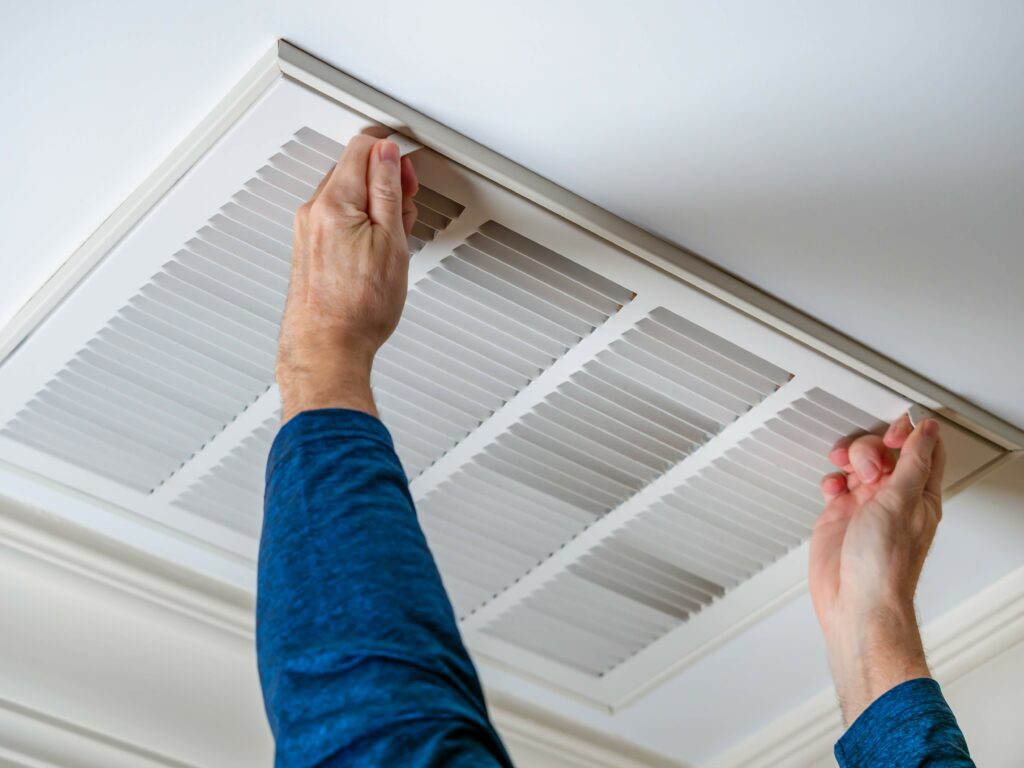
The concept behind roof ventilation is straightforward. Cool air enters through intake vents, typically located at the eaves or soffits, and warm, moist air exits through exhaust vents near the ridge of the roof. This continuous cycle is what keeps your attic from turning into an oven in summer or a moisture trap in winter. There are several types of roof vents, including ridge vents, box vents, turbine vents, and power vents. Each type has its own strengths, but they all serve the same basic purpose: keep air moving so your roof structure and attic remain healthy. Without that airflow, heat and humidity accumulate, and the consequences work their way down into the rest of your home.
Common Causes of Blocked Roof Vents
Blocked roof vents are more common than most people realize, and the causes vary quite a bit depending on where you live and what is happening around your home. Knowing what to look for can help you catch a problem before it escalates.
- Debris buildup from leaves, twigs, and dirt that accumulates over time, especially after storms
- Bird nests or small animal activity inside or around the vent openings
- Ice dams forming in colder climates that seal off exhaust vents during winter months
- Improper attic insulation that has been blown or shifted to cover soffit intake vents
- Paint or roofing materials accidentally sealing over vent openings during renovations
- Manufacturer-installed pest screens that have become clogged with fine debris over time
Signs Your Roof Vent May Be Blocked
This is where things get interesting, because a blocked roof vent does not always announce itself with an obvious warning sign. The symptoms tend to be subtle at first, which is exactly why so many homeowners miss them until the damage is significant. If your attic feels unusually hot during summer, that is a red flag. Frost forming on the underside of your roof deck in winter is another. You might also notice your energy bills creeping up without a clear explanation, or start seeing moisture stains on your ceilings and upper walls. In more advanced cases, you could find mold growth in the attic or notice that your roof shingles are aging faster than expected. Curling or blistering shingles are often tied to excessive heat buildup beneath the roof surface, which points directly back to inadequate ventilation.

The Real Damage a Blocked Vent Can Cause
Let’s be clear about what is actually at stake here. A blocked roof vent is not just a minor inconvenience. Over time, the heat and moisture trapped in your attic can warp roof decking, deteriorate insulation, promote mold growth, and compromise the structural integrity of your rafters and joists. In climates with cold winters, poor ventilation is a leading contributor to ice dams, which form when heat escapes unevenly through the roof, melts snow, and then refreezes at the eaves. That ice buildup can force water under your shingles and directly into your home. The repair costs associated with long-term ventilation problems can run into thousands of dollars, covering everything from mold remediation to full roof deck replacement. Addressing a blocked vent early is exponentially cheaper than dealing with the downstream damage it causes.
Advantages of Properly Maintained Roof Vents
When roof vents are working as intended, the benefits extend throughout your entire home. A well-ventilated attic helps regulate indoor temperatures, which reduces the load on your HVAC system and lowers energy costs. It also extends the lifespan of your roofing materials by preventing the heat buildup that accelerates shingle degradation. Moisture control is another significant advantage, as proper airflow reduces the risk of mold, mildew, and wood rot in the attic structure. Homeowners who maintain their ventilation systems consistently tend to see fewer emergency repairs and longer intervals between major roofing expenditures. It is one of those home maintenance areas that quietly pays for itself over time.
Drawbacks and Limitations to Be Aware Of
Roof ventilation is not without its complications. Even a well-designed system can underperform if the balance between intake and exhaust vents is off. Too much exhaust capacity relative to intake can actually pull conditioned air from inside the home into the attic, which works against your HVAC efficiency. Power vents, while effective, depend on electricity and add a maintenance variable that passive systems do not. Older homes are often under-ventilated by modern standards simply because building codes and best practices have evolved considerably over the decades. In those cases, retrofitting an improved ventilation system can involve meaningful upfront costs. It is also worth noting that not every roofing contractor has the same level of expertise when it comes to ventilation design, so homeowners should ask pointed questions when getting estimates for roof work.
Practical Tips for Homeowners
Staying ahead of ventilation problems does not require a lot of technical knowledge. A few consistent habits go a long way toward keeping your roof vents clear and functioning properly.
- Inspect roof vents visually at least twice per year, ideally in spring and fall, looking for debris or blockages
- Check soffit vents from inside the attic to confirm they are not covered by insulation
- After any significant storm, do a quick exterior check to ensure nothing has lodged in or over the vent openings
- If you spot signs of a bird or animal nest near a vent, address it promptly before it becomes fully established
- Schedule a professional attic inspection every few years to evaluate both ventilation performance and overall attic health
When to Call a Professional
Some blockages are straightforward enough to address yourself with a ladder and a brush. Others are not. If you suspect moisture damage, mold, or structural issues related to prolonged ventilation problems, that is professional territory. A qualified roofing contractor or attic specialist can assess the extent of the issue, clear blockages safely, and recommend any upgrades to your existing system. Do not delay that call if you are seeing ceiling stains, unusual odors from the attic, or any visible signs of rot or mold. The longer those problems sit, the more expensive they become to resolve.
Why Home Warranty Coverage Matters for Roof and Ventilation Issues
Here is where home warranty protection becomes genuinely relevant to everything discussed in this article. When a blocked roof vent leads to related system failures, such as HVAC strain from poor attic temperatures or moisture damage affecting covered components, having the right home warranty plan in place can be the difference between an affordable fix and a significant out-of-pocket expense. trusted home warranty protection for roof-related system damage is exactly the kind of coverage that responsible homeowners prioritize before problems arise, not after. Armadillo offers straightforward, no-surprise plans designed to cover the systems and appliances that matter most in your home. If you want to understand what is covered and get a plan that fits your needs, you can get a free home warranty quote for roof vent and attic-related coverage in just a few minutes. Protecting your home starts with understanding its vulnerabilities, and now you have a clearer picture of one that often goes unnoticed until it is too late.

Frequently Asked Questions About Blocked Roof Vents
Answers to the most common questions homeowners have about roof vent blockages, ventilation problems, and related damage.
What happens if a roof vent is blocked?
A blocked roof vent prevents proper airflow through the attic, leading to heat and moisture buildup. Over time, this can cause mold growth, wood rot, shingle deterioration, higher energy bills, and in cold climates, ice dam formation that allows water to penetrate the roof structure.
How do I know if my roof vent is blocked?
Common indicators include an unusually hot attic, moisture stains on ceilings or upper walls, frost on the roof deck in winter, increased energy costs, and premature aging or blistering of roof shingles. A physical inspection of the vents and attic space is the most reliable way to confirm a blockage.
Can a blocked roof vent cause mold?
Yes. When warm, moist air cannot escape the attic due to a blocked vent, condensation builds up on surfaces like roof decking, rafters, and insulation. That sustained moisture creates the ideal environment for mold and mildew to develop, sometimes spreading significantly before it is detected.
How often should roof vents be inspected?
A visual inspection at least twice per year is a reasonable standard, with spring and fall being ideal times. Additional checks should follow major storms, heavy snowfall, or any roofing work that could have inadvertently affected vent openings.
Can animals block roof vents?
Absolutely. Birds, squirrels, and other small animals frequently nest in or around roof vents. These nests can completely obstruct airflow and introduce moisture and debris into the vent opening. Installing pest-resistant vent covers is an effective preventive measure.
Is a blocked roof vent covered by homeowners insurance?
Homeowners insurance generally covers sudden and accidental damage rather than maintenance-related issues. A blocked vent that develops gradually due to neglect is typically not covered. However, if the blockage leads to a covered event such as sudden water damage, there may be partial coverage depending on the policy terms.
Can improper insulation block a roof vent?
Yes, and it is one of the most common causes of blocked soffit vents. When attic insulation is installed or redistributed without proper baffles, it can shift over time and cover intake vent openings at the eaves, which disrupts the airflow balance throughout the entire ventilation system.
How much does it cost to fix a blocked roof vent?
The cost to clear a blocked roof vent can range from minimal, if the blockage is surface-level debris, to several hundred dollars if professional access and repair are required. However, if the blockage has caused secondary damage such as mold or structural deterioration, repair costs can rise significantly into the thousands.
Does a blocked roof vent affect my HVAC system?
Indirectly, yes. When an attic overheats due to poor ventilation, it raises the temperature of the air surrounding your ducts and can increase the workload on your cooling system. This leads to reduced efficiency, higher energy bills, and potentially shorter equipment lifespan over time.
What is the difference between intake and exhaust roof vents?
Intake vents, typically located at the soffits or eaves, allow cooler outside air to enter the attic at a low point. Exhaust vents, located near the roof ridge, allow hot and humid air to escape at a high point. Both must remain clear for the ventilation system to function correctly, as blocking either type disrupts the entire airflow cycle.