What Is a Blocked Vent Pipe and Why Should Every Homeowner Care?
Most homeowners spend a lot of time thinking about things they can see — the roof, the HVAC unit, the water heater in the corner of the garage. The vent pipe? That tends to get exactly zero attention until something goes wrong. And when something does go wrong with a blocked vent pipe, it tends to go wrong in a way that is hard to ignore. Gurgling drains, slow-flushing toilets, mysterious odors drifting through the house — these are not random inconveniences. They are symptoms of a plumbing system that is no longer breathing the way it should. Understanding what a vent pipe does, how it gets blocked, and what it means for your home is genuinely useful information. So let us get into it.
How the Plumbing Vent System Actually Works
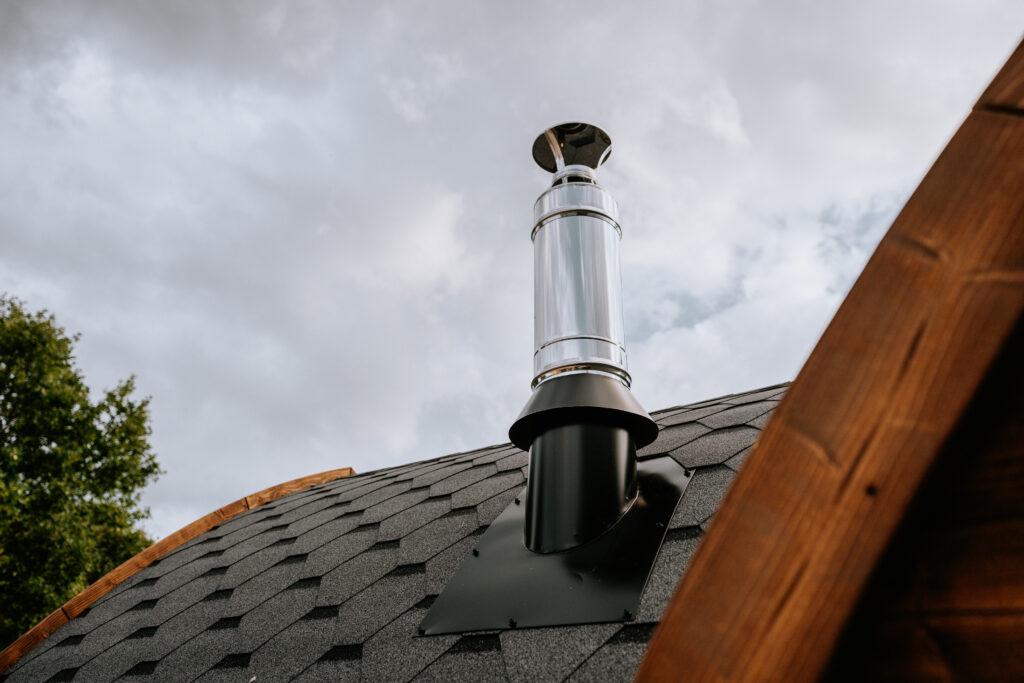
Your plumbing system is essentially two systems working in tandem. One moves water and waste out of the home. The other manages air pressure so that movement can happen smoothly. The vent pipe — often called a plumbing stack or drain-waste-vent pipe — is the component responsible for that second job. It runs vertically through the walls of your home and exits through the roof, allowing fresh air to enter the drain system and sewer gases to escape safely outside. Without proper venting, negative pressure builds up inside the drain lines, and that pressure disrupts the flow of water. It also forces sewer gases — including hydrogen sulfide and methane — to find another exit point. That exit point is often your drains, your toilets, or the spaces behind your walls.
Common Causes of a Blocked Vent Pipe
Vent pipes are exposed to the elements at the roofline, which makes them surprisingly vulnerable to a range of blockage types. The causes vary, but the most frequently encountered ones tend to fall into a predictable pattern.
- Debris accumulation: Leaves, twigs, and dirt blown onto the roof can settle directly into the vent pipe opening over time.
- Bird or animal nests: Birds and squirrels occasionally build nests inside or directly over vent pipe openings, creating a near-complete obstruction.
- Ice formation: In colder climates, moisture inside the vent pipe can freeze at the opening during winter months, creating an ice dam that restricts airflow.
- Collapsed or damaged pipe: Older homes may have vent pipes made from cast iron or plastic that have cracked, shifted, or partially collapsed inside the wall.
- Root intrusion: In rare cases involving ground-level venting configurations, tree roots can infiltrate the vent line itself.
Warning Signs That Your Vent Pipe May Be Blocked
The tricky part about a blocked vent pipe is that the symptoms tend to mimic other plumbing problems. A slow drain can mean a clog in the drain line. A gurgling toilet can seem like a flushing mechanism issue. That ambiguity is part of why blocked vent pipes often go undiagnosed for longer than they should. There are, however, a few patterns that point more specifically toward ventilation as the source of the problem. Gurgling sounds that occur across multiple fixtures — not just one — are a strong indicator. So is a persistent sewer gas smell inside the home that intensifies in certain rooms or after heavy rain. If you notice water backing up in a sink every time a nearby toilet is flushed, that pressure displacement is almost certainly a venting issue rather than a simple clog.

Why a Blocked Vent Pipe Is a Bigger Deal Than It Looks
It is tempting to treat gurgling drains as a minor annoyance and move on. That is understandable. But a blocked vent pipe left unaddressed has a way of creating cascading problems that are significantly more expensive than the original repair. Prolonged negative pressure inside drain lines puts mechanical stress on pipe joints and seals, which can eventually lead to leaks inside walls or under floors. More urgently, sewer gas accumulation inside a home is not just unpleasant — it is a health and safety concern. Methane is flammable. Hydrogen sulfide, even at low concentrations, causes headaches, nausea, and dizziness. Long-term exposure is not something to be casual about. The vent pipe is a safety feature as much as it is a functional one, and treating it that way is simply the right approach.
How Blocked Vent Pipes Are Diagnosed and Cleared
A licensed plumber has several tools available for diagnosing and resolving a vent pipe blockage. The most straightforward method involves a visual inspection at the roofline to check for obvious debris or nesting. If the obstruction is deeper inside the pipe, a plumber may use a sewer snake or a drain auger to clear the blockage mechanically. For more complex situations — particularly when the location or nature of the blockage is unclear — a plumber may run a camera inspection through the vent line to get a direct visual. Water jetting is another option used to clear stubborn obstructions, particularly those caused by organic material buildup. In cases where the pipe itself has been damaged or collapsed, a section of the vent line may need to be replaced, which can involve opening walls or accessing the roof.
Preventive Measures Every Homeowner Should Consider
Preventing a blocked vent pipe is genuinely not complicated, but it does require some periodic attention to the roof and plumbing system. A few straightforward habits can make a meaningful difference in keeping the vent system clear and functional.
- Install a vent pipe cap or mesh screen to prevent debris and animals from entering the pipe opening at the roofline.
- Include vent pipe inspection as part of your annual roof check, especially after storms or heavy winds.
- Schedule a plumbing inspection every two to three years to catch slow-developing issues before they become full blockages.
- In colder climates, ask a plumber about vent pipe insulation or extended pipe configurations that reduce ice formation risk.
- Trim tree branches that overhang the roofline to reduce the volume of leaf and debris accumulation near the vent opening.
What This Means for Home Warranty Coverage
Blocked vent pipes sit in an interesting space when it comes to home warranty coverage. Home warranty plans are designed to cover the repair or replacement of home systems and appliances that fail due to normal wear and use. A vent pipe that becomes blocked due to debris, animal activity, or physical deterioration over time may qualify for coverage depending on how the plan is written and what caused the failure. It is worth knowing the specific language in your plan before a problem develops rather than after, because the details matter. Coverage for plumbing systems often includes the internal components of the drain-waste-vent system, but external obstructions caused by neglect or certain environmental factors may be treated differently. Reading your plan documents and asking clarifying questions upfront puts you in a much stronger position when the time comes to file a claim.
How Armadillo Can Help When Your Plumbing System Needs Attention
When something like a blocked vent pipe disrupts your home’s plumbing, the last thing you want to be doing is scrambling to find a qualified technician and bracing for an unpredictable repair bill. That is exactly the kind of situation a well-structured home warranty is built for. Armadillo home warranty plans for plumbing systems and drain-vent coverage are designed to take the financial unpredictability out of exactly these moments — the ones where something you never thought about suddenly demands your full attention and your wallet. Armadillo connects homeowners with vetted professionals, manages the service process, and covers eligible repairs so that a blocked vent pipe does not turn into a multi-thousand-dollar surprise. If you are ready to stop guessing what your home’s next repair might cost, get a free home warranty quote for blocked vent pipe and plumbing protection and see what a plan looks like for your specific home. It takes about two minutes and costs nothing to find out.

Frequently Asked Questions About Blocked Vent Pipes
These are the questions homeowners ask most often when dealing with a suspected vent pipe issue — answered directly and without unnecessary complexity.
What are the most obvious signs of a blocked plumbing vent pipe?
The most recognizable signs include gurgling sounds coming from multiple drains simultaneously, slow drainage across several fixtures, sewer gas odors inside the home, and water backing up in one fixture when another is used nearby.
Can a blocked vent pipe cause sewer gas to enter my home?
Yes. When the vent pipe is blocked, sewer gases that would normally escape through the roof are forced back into the home through drain openings, toilets, and gaps in plumbing connections. This is a genuine health concern and should be addressed promptly.
Is a blocked vent pipe the same as a clogged drain?
No. A clogged drain is a physical obstruction within the drain line itself. A blocked vent pipe is an obstruction in the air circulation system that supports drainage. Both can cause slow drains, but the symptoms and solutions are different.
How much does it typically cost to clear a blocked vent pipe?
Costs vary based on the location and severity of the blockage. Simple debris removal at the roofline may cost a few hundred dollars. More involved repairs involving camera inspection, snaking, or pipe replacement can range from several hundred to over a thousand dollars depending on the situation.
Can I clear a blocked vent pipe myself?
Removing visible debris from the vent pipe opening on the roof is something some homeowners handle themselves, but it requires safe roof access and proper precautions. Blockages deeper inside the pipe require professional tools and expertise and should not be approached as a DIY project.
How often should vent pipes be inspected?
A general inspection at the roofline should be part of your annual home maintenance routine. A more thorough plumbing system inspection, which may include the vent lines, is recommended every two to three years depending on the age of your home.
Does homeowners insurance cover a blocked vent pipe?
Standard homeowners insurance policies typically do not cover blocked vent pipes because they are considered a maintenance issue rather than sudden damage from a covered peril. A home warranty plan focused on plumbing systems is generally the more relevant coverage type for this kind of repair.
Can a blocked vent pipe cause structural damage to my home?
Indirectly, yes. Prolonged pressure imbalances caused by a blocked vent pipe can stress pipe joints and connections, potentially leading to leaks behind walls or under floors. Those leaks can then cause water damage, mold growth, and deterioration of structural materials over time.
What type of professional should I call for a blocked vent pipe?
A licensed plumber is the appropriate professional for diagnosing and resolving a blocked vent pipe. In some cases, particularly when roof access is involved, coordination with a roofing contractor may also be necessary.
Are older homes more susceptible to blocked vent pipes?
Older homes tend to have vent pipes made from cast iron or early-generation plastics that are more prone to corrosion, cracking, and displacement over time. These factors increase the likelihood of both blockages and structural failure within the vent system, making regular inspection particularly important for homes over 30 years old.