Blocked Vent Pipes: What Homeowners Need to Know
Vent pipes are an unseen but critical part of your home’s plumbing system. When functioning correctly, they help to regulate air pressure and enable water and waste to flow smoothly out of your home. However, when a vent pipe becomes blocked, whether by debris, ice, animal nests, or corrosion, the balance is disrupted. The result is often slow-moving drains, gurgling sounds, unpleasant odors, and in severe cases, dangerous sewer backups. For homeowners with or without a home warranty, understanding blocked vent pipes before they become an emergency is a smart move. This guide will explore what vent pipes are, how they work, typical causes of blockages, and what action you should take—whether your home is covered under a warranty plan or not.
What Is a Vent Pipe in a Plumbing System?
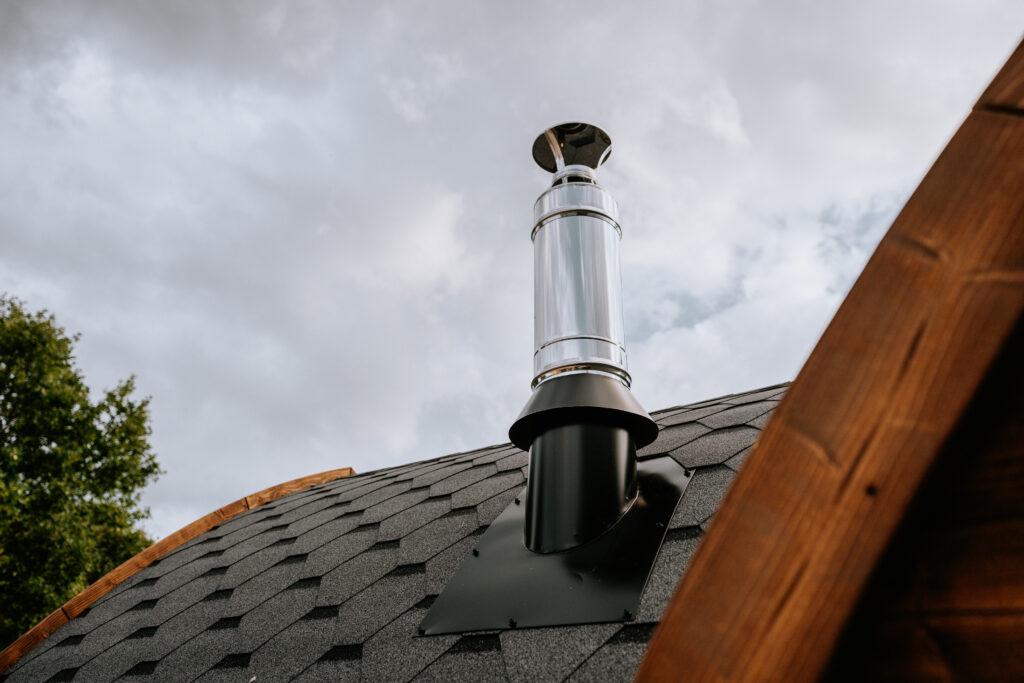
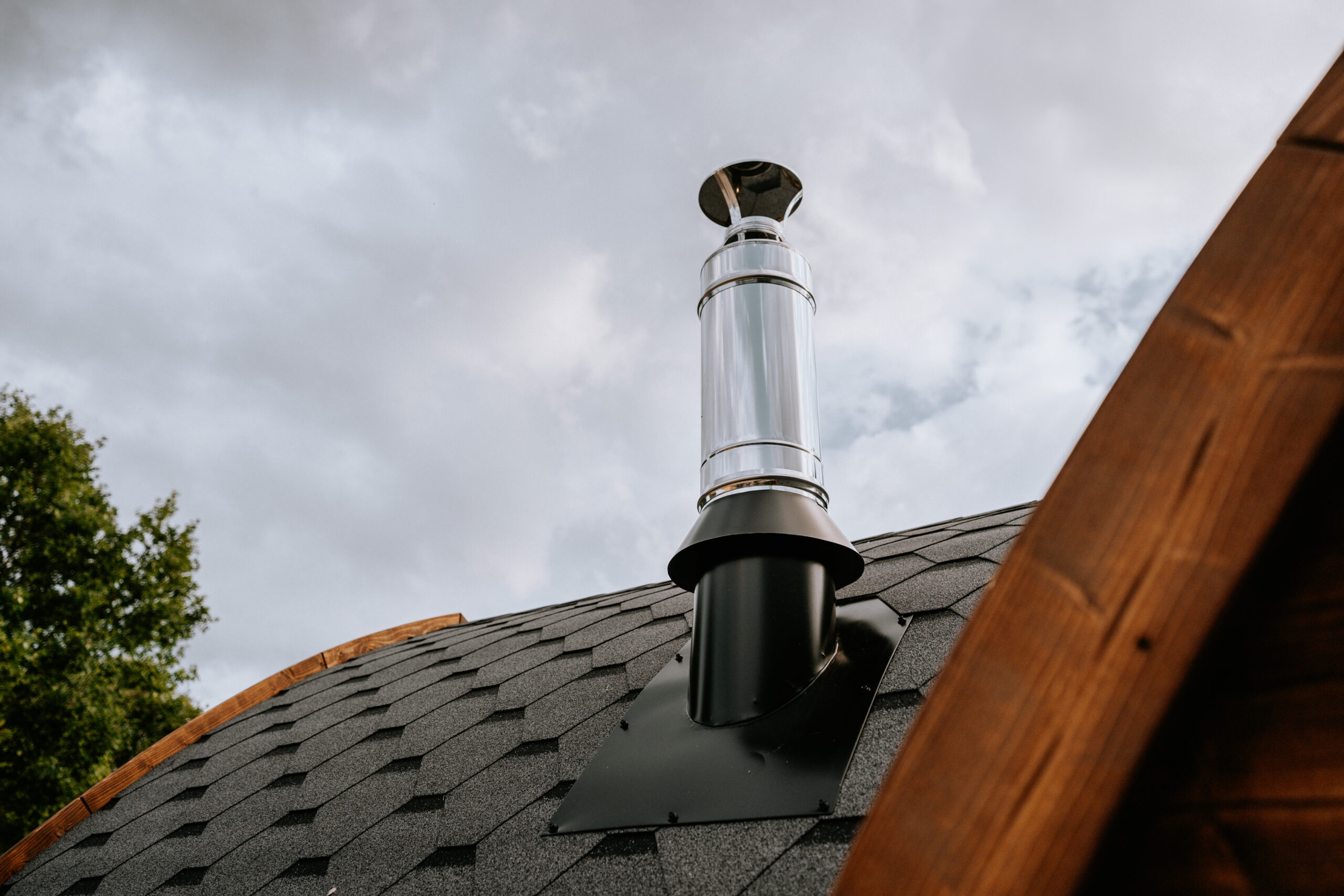
Vent pipes, or plumbing air vents, are part of your home’s drain-waste-vent (DWV) system. While drains carry waste water to your sewer or septic system, vent pipes do something equally essential: they expel gases and equalize the atmospheric pressure in your plumbing lines. Every drain in your home, from the kitchen sink to the toilet, requires air behind the water flow to work efficiently. Without this pressure balance, water may drain slowly—or may not drain at all. The main vent pipe typically exits through the roof, ensuring gas and odors are safely discharged into the atmosphere and not back into the home.
How a Vent Pipe Works with Other Plumbing Components
When you flush a toilet or run a sink, water and waste move downward through gravity, traveling through curved pipes like P-traps that prevent sewer gases from entering your home. This downward movement creates a vacuum requiring air to fill the space behind it. Vent pipes supply that air. Think of it like poking a second hole in a juice box for smoother sipping—it reduces pressure so the flow stays consistent. If the vent is blocked, that vacuum can’t be broken, and the water in your fixtures struggles to move. This can lead to gurgling drains, unpleasant smells from empty P-traps, or worse—wastewater flowing back into fixtures.
Common Causes of Blocked Vent Pipes
Considering vent pipes exit through a home’s roof, one of the most common causes of blockage is debris—leaves, twigs, or nesting materials from birds or squirrels. In colder climates, frozen moisture at the pipe’s exit point can create a solid ice blockage in the winter months. Internal obstructions are less common but can occur from corrosion or even a poorly installed vent system where foreign objects get inside the pipe. Unfortunately, homeowners usually don’t notice the issue until symptoms start showing up—and by then, the underlying cause has already disrupted your home’s plumbing flow. It’s not just inconvenient; it can quickly become unsanitary and expose you to costly system repairs.
Signs Your Vent Pipe May Be Blocked
Homeowners don’t always associate slow drains with ventilation issues, but the early warning signs can be subtle and easy to misdiagnose. If you hear bubbling or gurgling from your sink or shower drain after flushing a toilet, that’s a sign the vent isn’t allowing air through. Foul odors wafting from drains could mean your traps are being emptied due to vacuum suction, another symptom of inadequate ventilation. If you’ve tried clearing your drains and plunging with little success, the issue may lie higher up in the system—on your roof, in fact. It’s worth noting that for homeowners with a home warranty, blocked vent pipes often fall into a gray area depending on how the contract defines “drainage” versus “ventilation.”
How to Diagnose and Address the Problem
Addressing a blocked vent pipe can be straightforward or complex, depending on the location of the blockage and accessibility of the pipe. If you’re comfortable with heights and basic home inspection, a visual check of the pipe from the rooftop is a place to start. Use a flashlight to look for visible obstructions. If you see ice, avoid chipping it out manually—it could damage the pipe. Instead, pouring hot water cautiously down the vent can sometimes melt the ice. For internal blockages, homeowners typically need a professional with augers or inspection cameras to diagnose and clear the clog. It’s also wise to check with your home warranty provider to determine if this service is covered before hiring out-of-pocket assistance.
Preventative Measures to Avoid Vent Pipe Blockage
Prevention is often easier and less costly than repair. Routine roof inspections—especially after heavy storms or when animals are active—can help you spot issues before they escalate. Many homeowners install inexpensive vent caps or screens to prevent debris or pests from entering without disrupting airflow. In colder regions, pipe insulation or heat tape can help prevent ice blockages. During routine maintenance of your HVAC, roof, or gutters, ask service professionals to assess vent openings at the same time. If your home warranty plan includes preventive maintenance services, this may already be covered on a seasonal basis. Regular upkeep reduces the chances you’ll face major plumbing failures due to something as seemingly simple as a blocked pipe.
How Blocked Vent Pipes Impact Home Warranty Coverage
Understanding what your home warranty does—and does not—cover is essential when facing a blocked vent pipe. While some plans may include plumbing repairs, many exclude roof-penetrating vents or ventilation systems unless they’re within the covered piping structure. Each provider’s policy varies, which makes reading your contract or contacting customer support a critical first step. A home warranty provider like Armadillo offers clearly defined coverage categories with an emphasis on transparency. When you know pipe obstructions may be covered or partially reimbursable, you’re better prepared to make a maintenance or repair decision. For homeowners building a long-term maintenance plan, choosing a warranty with robust plumbing protection brings peace of mind against these often-unseen issues.
Why Smart Homeowners Choose Armadillo
A blocked vent pipe may seem minor but left unchecked, it can compromise your home’s entire plumbing system. Pairing smart maintenance habits with a reliable home warranty plan helps ensure that when issues arise, you’re not alone in solving them. At Armadillo, our policies are purpose-built to help homeowners focus less on fixing problems and more on trusting they’ll be handled. If you’re ready to protect your home from unexpected issues like plumbing failures, Armadillo offers flexible plans tailored to your needs. Visit our homepage at Armadillo.one to learn more, or build your custom plan and get covered today at Start My Plan.