When Your Washing Machine Stops Draining: What Every Homeowner Should Know
There are few household moments quite as frustrating as opening your washing machine mid-cycle and finding a tub full of standing water. A blocked drain is one of the most common washing machine issues homeowners encounter, and while it might look alarming, it is usually a problem with a clear explanation and a manageable solution. Understanding how your washing machine’s drain system works, what causes clogs, and how to prevent them can save you significant time, money, and a fair amount of stress. This guide walks you through everything you need to know about blocked washing machine drains, from the basics to the finer points of prevention and repair.
How a Washing Machine Drain System Actually Works
Your washing machine moves water through a surprisingly deliberate system. During a wash cycle, water is pumped into the drum through an inlet valve. Once the cycle progresses, a drain pump activates to push that dirty water out through a drain hose, which typically connects to either a standpipe, a utility sink, or a direct plumbing connection behind the machine. The lint filter, sometimes called a pump filter or coin trap, sits along this drainage path and catches debris before it reaches the pump. When any part of this system becomes obstructed, water has nowhere to go. The result is a machine that refuses to spin, drain, or advance to the next cycle. It is a chain reaction that starts small and builds quickly if left unaddressed.
Common Causes of a Blocked Washing Machine Drain
Blocked drains do not happen out of nowhere. There are several recurring culprits that show up in washing machine drain calls again and again. Knowing what they are helps you catch problems before they escalate into something more costly to repair.
- Lint and fabric fibers accumulating inside the pump filter over time
- Small items like coins, buttons, hair ties, or tissues slipping past pockets and lodging in the drain hose or pump
- Soap residue and detergent buildup, particularly from excessive use of non-HE detergents in high-efficiency machines
- Kinked or improperly positioned drain hoses restricting water flow
- Clogs occurring further down the home’s plumbing line, unrelated to the machine itself
- A failing or worn drain pump that can no longer move water effectively
Most of these causes are entirely preventable with routine maintenance, which makes understanding them more than just trivia. It is practical knowledge that pays off.
Warning Signs Your Washing Machine Drain Is Blocked
A blocked drain rarely announces itself all at once. More often, it builds up gradually, leaving clues along the way. If your machine takes longer than usual to drain between cycles, that is worth paying attention to. If you hear unusual gurgling or humming sounds during the drain phase, that can signal the pump is working harder than it should. Water remaining in the drum after a full cycle is one of the more obvious indicators. You might also notice an unpleasant, musty odor developing around the machine or from your laundry itself, which often points to stagnant water sitting in a partially blocked filter or hose. Catching these early signs makes the difference between a quick fix and a more involved repair.

How to Clear a Blocked Washing Machine Drain at Home
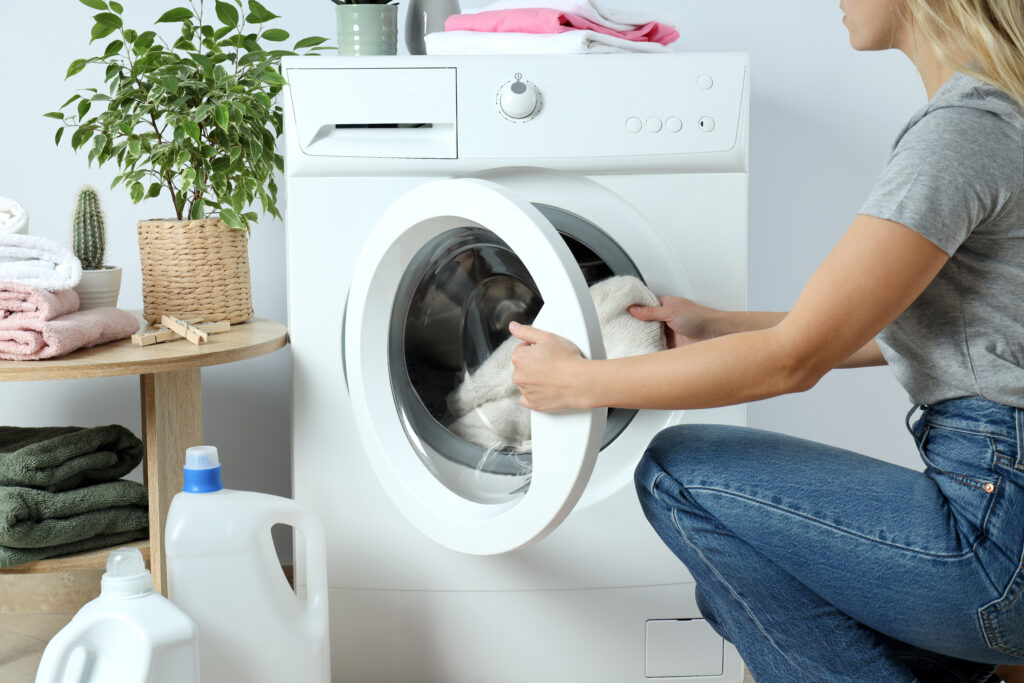
Before calling in a professional, there are a few steps you can take yourself that resolve most basic drain blockages. Start by unplugging the machine and locating the pump filter, which on front-loaders is usually found behind a small panel at the bottom front of the machine. Place a towel and shallow pan nearby because water will spill out when you open it. Slowly turn the filter counterclockwise and let the water drain gradually. Remove the filter fully and clean out any debris, lint, or foreign objects. Rinse it under running water before reinserting it. Next, check the drain hose itself. Disconnect it from the standpipe or wall connection and inspect it for kinks or clogs. Running water through it can help confirm whether a blockage is present. Reconnect everything securely and run a short drain cycle to test. These steps alone resolve the issue in many cases.
When a Blocked Drain Points to a Bigger Problem
Sometimes the issue is not the filter or the hose. If you have cleared both and the machine still refuses to drain properly, the problem may lie with the drain pump itself. A pump that has seized, cracked, or simply worn out will not move water regardless of how clean the filter is. In other situations, the blockage originates not in the machine but in the home’s plumbing, and that requires a different approach entirely. A drain that backs up across multiple fixtures, or water that gurgles in a nearby sink when the machine runs, often signals a deeper plumbing issue. These are situations where professional intervention is not optional, and where the cost of repair can increase meaningfully depending on what is found.
Preventive Maintenance That Actually Makes a Difference
The most effective strategy for dealing with blocked washing machine drains is making sure they do not happen in the first place. Regular maintenance does not have to be complicated or time-consuming. Cleaning the pump filter every one to three months is one of the highest-impact habits a homeowner can build. Using the correct type and amount of detergent for your machine matters more than most people realize. Running a hot maintenance wash or a drum-cleaning cycle monthly helps dissolve soap buildup before it becomes problematic. Checking pockets before loading laundry sounds simple, but it eliminates one of the most consistent sources of drain obstructions. And periodically inspecting the drain hose for kinks or wear can prevent a slow problem from becoming an urgent one.
The Real Cost of Ignoring a Blocked Washing Machine Drain
A blocked drain left unaddressed does not simply stay a blocked drain. The pressure placed on the pump when it cannot move water freely accelerates wear and can lead to premature pump failure. Water sitting stagnant inside the machine creates conditions favorable to mold and bacteria growth, which affects both the machine’s longevity and the quality of your laundry. In worst-case scenarios, a severely blocked drain can result in water backing up onto flooring, potentially causing water damage that goes well beyond the appliance repair itself. The downstream costs of neglect almost always exceed what early intervention would have required, which is a pattern that holds true across virtually every home system and appliance.
What Home Warranties Cover When It Comes to Washing Machine Drain Issues
This is where things get specific, and it matters for homeowners who carry a home warranty policy. Coverage for washing machine issues typically extends to mechanical and electrical failures, including components like the drain pump. If the pump fails due to normal wear and tear and prevents the machine from draining, that is generally the kind of repair a home warranty is designed to cover. However, clogs caused by foreign objects, lint buildup, or homeowner neglect are often categorized differently and may not fall under covered repairs. Understanding exactly what your policy covers before you need it is the kind of preparation that makes a real difference when something goes wrong. Reading the fine print once now is worth far more than being surprised later.
Why Armadillo Is the Right Choice for Appliance Protection
When a washing machine stops draining and the repair estimate lands on your kitchen counter, having the right coverage in place changes everything. Armadillo was built specifically for homeowners who want appliance and system protection that is straightforward, transparent, and actually useful when the moment arrives. If you are looking for a home warranty plan that covers washing machine repairs and appliance breakdowns, Armadillo offers coverage designed around how people actually use their homes, not around how to avoid paying claims. The process is clear, the terms are readable, and the support is real. Whether you are dealing with a blocked drain today or simply thinking ahead, you can get a free quote for washing machine and appliance warranty coverage in just a few minutes and know exactly where you stand before anything breaks.

Frequently Asked Questions About Blocked Washing Machine Drains
Why is my washing machine not draining but still running?
This typically means the drain pump is attempting to function but is obstructed by a clogged filter, a kinked hose, or a foreign object lodged in the pump. The motor continues running while the pump fails to move water effectively.
How often should I clean my washing machine drain filter?
Cleaning the pump filter every one to three months is a reasonable standard for most households. Homes with pets, heavy laundry loads, or older machines may benefit from more frequent cleaning.
Can a blocked washing machine drain cause water damage?
Yes. If water backs up due to a severe blockage, it can overflow onto flooring and potentially cause damage to subflooring, walls, or adjacent rooms depending on the machine’s location.
What is the pump filter on a washing machine and where is it located?
The pump filter, also called a coin trap or lint filter, catches debris before it reaches the drain pump. On most front-loading machines, it is located behind a small access panel at the bottom front of the appliance.
Is a blocked washing machine drain covered by a home warranty?
Coverage depends on the cause. Mechanical pump failures resulting from normal wear and tear are typically covered. Clogs caused by foreign objects or lack of maintenance are often excluded, so reviewing your policy terms is important.
Can I use a drain snake or auger to clear a washing machine drain?
A drain snake can be effective if the blockage is located in the standpipe or home plumbing rather than inside the machine itself. Using one inside the washing machine’s internal components is not recommended and may cause damage.
Why does my laundry smell bad after washing even though the cycle completed?
Persistent odors often indicate that stagnant water is sitting in a partially blocked filter or drum. Mold and bacteria thrive in warm, damp environments, which is why a blocked or sluggish drain system frequently produces musty-smelling laundry.
How do I know if the drain pump itself has failed rather than just being clogged?
If you have cleaned the filter, inspected the hose, and confirmed there are no obvious obstructions but the machine still will not drain, a failed pump is a likely explanation. A technician can test pump function and confirm whether replacement is necessary.
Can using too much detergent cause a washing machine drain blockage?
Excess detergent, particularly non-HE detergent used in high-efficiency machines, creates excessive suds and residue that accumulates over time inside hoses, filters, and the pump housing, which can restrict drainage and contribute to blockages.
What should I do immediately when I discover my washing machine is not draining?
Start by canceling the cycle and unplugging the machine. Locate and clean the pump filter, check the drain hose for kinks or blockages, and run a drain-only cycle to test. If the problem persists after these steps, contact a qualified appliance technician for further diagnosis.