What Is a Refrigerator Light Bulb and Why Does It Matter More Than You Think?
You open the fridge, grab what you need, and close it again. Simple. But somewhere in that routine is a small component doing quiet, consistent work — the refrigerator light bulb. Most homeowners never think about it until the inside of their fridge goes dark and suddenly finding the leftovers feels like a cave expedition. The fridge light bulb is one of those overlooked details that actually intersects with appliance performance, energy efficiency, and even food safety in ways worth understanding. And yes, in the world of home warranties, even the smallest components of a major appliance can become relevant when things go wrong.
A Brief History of the Fridge Light Bulb
For most of the twentieth century, refrigerators used small incandescent bulbs — the same basic technology as a standard household lamp, just scaled down and designed to handle the cooler internal temperatures. These bulbs were simple, cheap, and replaceable. Then came the transition to compact fluorescent bulbs, which never quite caught on inside refrigerators due to performance issues in cold environments. Now, the industry standard has largely shifted to LED technology, and the blue-tinted LED refrigerator bulb has become one of the more recognizable upgrades in modern kitchen appliances. The shift was not just aesthetic. It reflected genuine improvements in efficiency, longevity, and design.
What Makes Blue LED Fridge Bulbs Different?
Blue-tinted LED bulbs used in refrigerators are not purely decorative. The cooler color temperature — typically ranging from 5000K to 6500K on the Kelvin scale — produces a crisp, daylight-adjacent light that makes food appear fresher and more vibrant. Retailers figured this out long before home appliance manufacturers did. Grocery store display cases have used cool-toned lighting for decades because it enhances the visual appeal of produce, meats, and dairy products. When this principle moved into the home refrigerator, it brought along some practical advantages beyond just looking sleek. The blue-toned light improves visibility inside the refrigerator cavity, making it easier to see what is stored in corners and behind containers. It is a small upgrade with a surprisingly functional payoff.
How Blue LED Refrigerator Bulbs Actually Work
LED stands for light-emitting diode. Unlike incandescent bulbs that generate light by heating a filament, LEDs produce light through electroluminescence — a process where electrical current passes through a semiconductor material and releases photons. The blue light effect in refrigerator LEDs comes from using a semiconductor that naturally emits blue-spectrum light, sometimes combined with a phosphor coating to adjust the output. These bulbs consume significantly less electricity than their incandescent predecessors, generate far less heat, and last considerably longer under normal conditions. Inside a refrigerator, where the light cycles on and off frequently every time the door opens, that durability advantage is meaningful. The cold environment actually helps LEDs perform better, which is the opposite of how many other light technologies behave.
Key Advantages of Blue LED Refrigerator Lighting
Upgrading to or purchasing a refrigerator with blue LED interior lighting comes with a list of genuine benefits that homeowners should be aware of before making appliance decisions.
- Lower energy consumption compared to incandescent bulbs, which contributes to modest but real reductions in electricity usage over time
- Longer lifespan, often rated at 25,000 hours or more, which means fewer replacements and less hassle
- Minimal heat output, which means the bulb does not work against your refrigerator’s cooling system
- Improved visibility and color rendering, making it easier to identify food items and assess freshness
- More modern, polished aesthetic that complements stainless steel and contemporary kitchen designs
These are not trivial advantages. When you consider that a refrigerator runs continuously and its light activates dozens of times each day, even small efficiencies compound meaningfully over the appliance’s lifespan.
Common Drawbacks and Limitations to Know
No home component is without its complications, and blue LED fridge bulbs are no exception. One of the more frustrating aspects for homeowners is that modern refrigerators increasingly use integrated LED lighting systems rather than replaceable bulbs. This means that when the light fails, the repair is no longer as simple as unscrewing one bulb and screwing in a new one. In some models, the LED strip or module is built into the interior lining, requiring disassembly or a professional repair. Replacement parts can also be brand-specific and harder to source than a generic incandescent. Additionally, some homeowners find the blue-toned light slightly harsh or clinical compared to the warmer glow they were accustomed to, though this is largely a matter of personal preference.

What Happens When Your Fridge Light Burns Out or Fails?
A dark refrigerator interior is more than a minor annoyance. It can actually affect how well you manage food storage and waste. When you cannot clearly see what is in the back of a shelf, items get forgotten, expiration dates get missed, and food spoilage increases. Beyond convenience, a failed interior light can sometimes signal a broader electrical issue within the appliance. If the light is flickering, cycling on and off erratically, or failing to turn off when the door closes, it may point to a faulty door switch, a failing control board, or wiring issues — any of which may be covered under a home warranty depending on the terms of your plan.
Replacing a Blue LED Refrigerator Bulb — What Homeowners Should Know
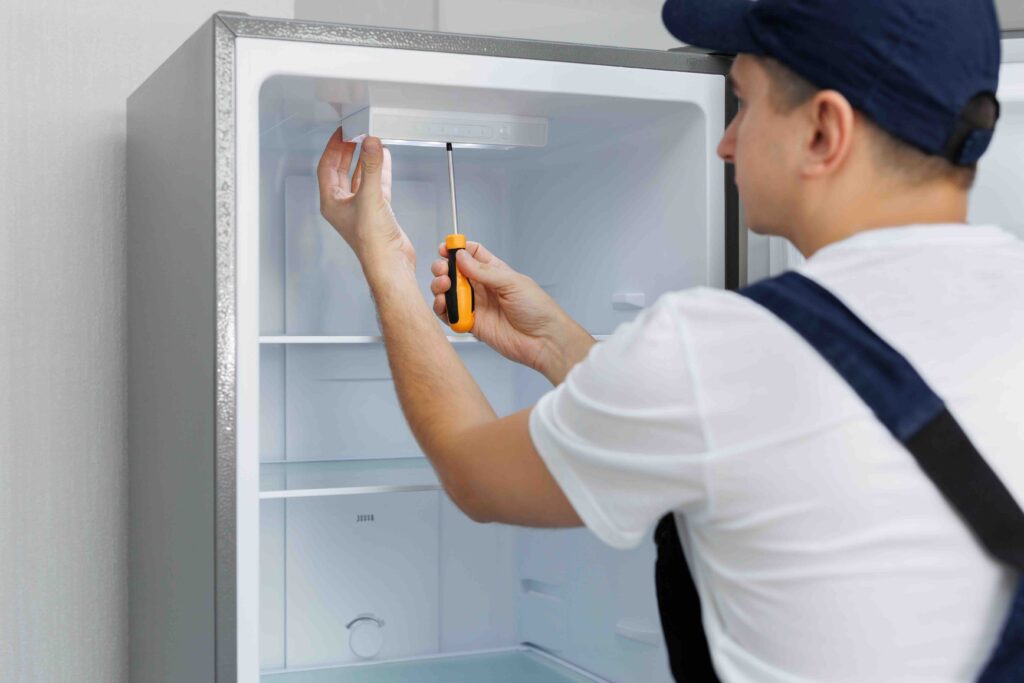
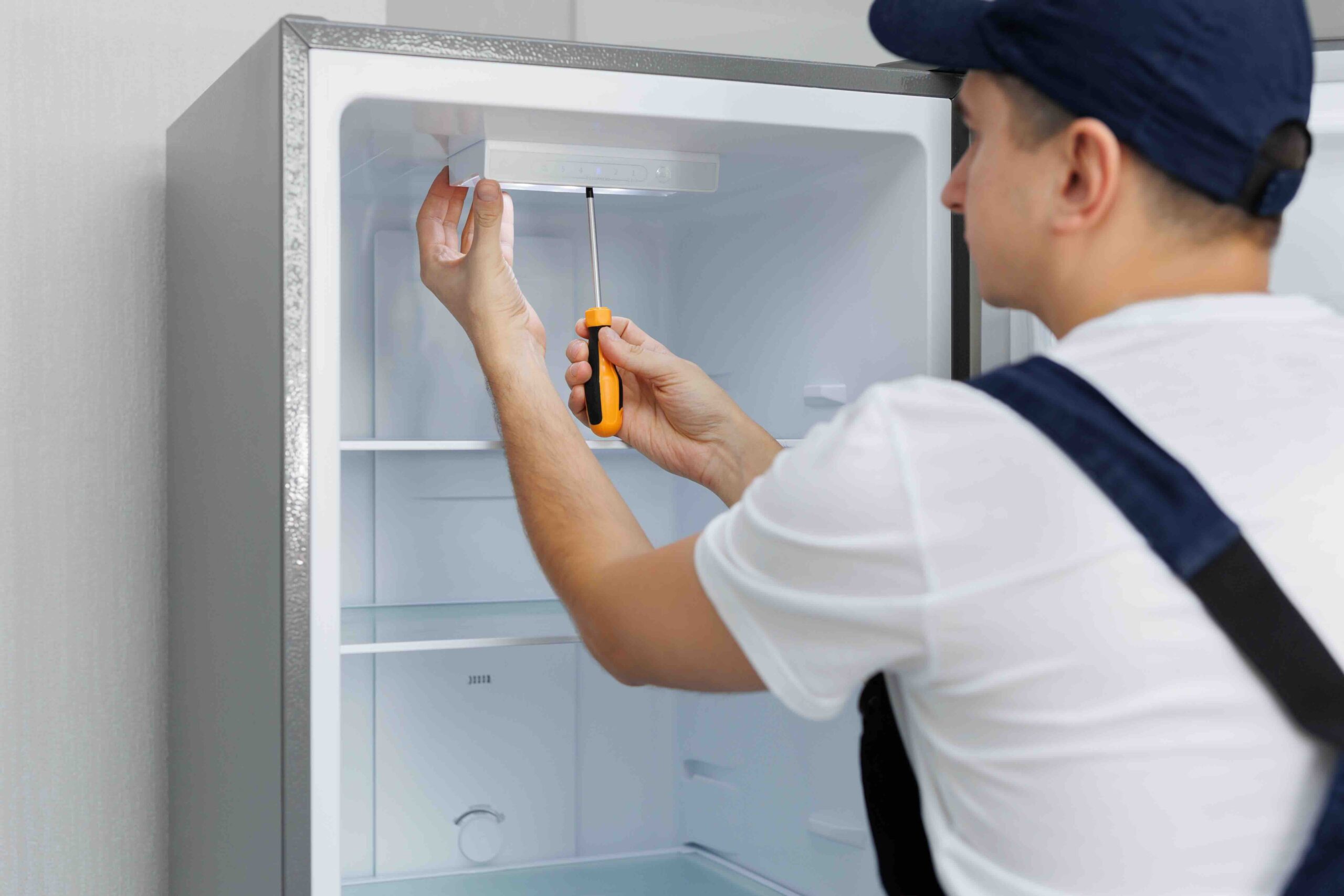
If your refrigerator uses a replaceable LED bulb rather than an integrated module, replacement is generally straightforward. Always consult your owner’s manual first to identify the correct bulb type and wattage. Using an incompatible bulb can damage the socket or affect the refrigerator’s electrical system. For integrated LED systems, the repair process varies significantly by brand and model. Some repairs require ordering manufacturer-specific parts, and others may involve disassembling interior panels. In these cases, calling a qualified appliance technician is the smarter and safer route. Do not attempt to modify or bypass an integrated lighting system — the risk of voiding a warranty or causing further damage is real.
Blue Fridge Lights and Home Warranty Coverage — What You Should Understand
Here is where the home warranty angle becomes important. Most standard home warranty plans cover the major mechanical and electrical components of a refrigerator. This can include the compressor, thermostat, ice maker components, and in some cases, internal wiring and electrical systems. Whether the light itself or the light switch is covered depends on the specific plan and provider. The key is to read the coverage details carefully. If a failed door switch causes your light to malfunction — or worse, causes the light to stay on and generate excess heat — that could fall under a covered repair. Homeowners who invest in comprehensive appliance protection are generally better positioned when these smaller-but-annoying failures occur.
Why Armadillo Is the Right Coverage Partner for Appliance Owners Like You
When something in your home breaks — whether it is a major system or something as specific as the electrical components inside your refrigerator — you want a home warranty provider that actually makes the process simple and straightforward. That is exactly what Armadillo delivers. Designed with modern homeowners in mind, Armadillo offers transparent coverage with no confusing fine print and a claims process that does not feel like a second job. If you are looking for reliable home warranty coverage for refrigerators and major home appliances, Armadillo’s plans are built to meet you where you are. Whether you are dealing with a failed LED lighting module, a broken door switch, or a compressor issue, having the right protection in place means you are not absorbing that cost alone. Take a few minutes to get a free home warranty quote for refrigerator and appliance protection and see exactly what kind of coverage fits your home and your budget. It is a genuinely painless process, and the peace of mind is worth it.

Frequently Asked Questions About Blue LED Refrigerator Light Bulbs and Home Warranty Coverage
These are the questions homeowners ask most often when it comes to refrigerator lighting, LED bulb technology, and what their home warranty actually covers.
Why is the light inside my refrigerator blue?
Modern refrigerators use blue-tinted LED bulbs with a high color temperature, typically between 5000K and 6500K. This cool light spectrum improves visibility inside the fridge and makes food appear fresher and more vibrant, a technique borrowed from commercial refrigeration display cases.
Are blue LED refrigerator bulbs energy efficient?
Yes. LED bulbs consume significantly less electricity than incandescent alternatives and generate very little heat, which means they do not interfere with the refrigerator’s cooling function. Over time, this contributes to modest but real energy savings.
Can I replace a blue LED fridge bulb myself?
If your refrigerator uses a replaceable bulb-style LED, yes — consult your owner’s manual for the correct bulb specifications. If your model uses an integrated LED module or strip, replacement is more complex and typically requires a qualified appliance technician.
Does a home warranty cover refrigerator light bulbs?
Coverage varies by plan. Most home warranty plans cover the mechanical and electrical components of a refrigerator rather than the bulb itself. However, if the light failure is caused by a covered component — such as a faulty door switch or internal wiring issue — the repair may be covered.
Why won’t my fridge light turn off when the door is closed?
This is typically caused by a malfunctioning door switch, which is the component that signals the light to turn off when the door closes. A light that stays on continuously can generate heat inside the refrigerator and affect its efficiency. This is a repair worth addressing promptly.
How long do LED refrigerator bulbs last?
LED bulbs are rated for approximately 25,000 hours or more under normal conditions. In a refrigerator, where the light turns on and off frequently, actual lifespan varies, but LEDs still significantly outlast incandescent bulbs in this application.
Does cold temperature affect LED refrigerator bulb performance?
Cold temperatures actually improve LED performance. Unlike fluorescent bulbs, which struggle to function properly in low temperatures, LEDs operate efficiently in cold environments, which makes them ideal for refrigerator and freezer applications.
What should I do if my refrigerator light is flickering?
Flickering can indicate a loose bulb, a failing LED module, or an issue with the door switch or internal electrical connections. If tightening the bulb does not resolve the issue, have a technician inspect the appliance before the problem escalates into a larger repair.
Are integrated LED lighting systems in refrigerators worth it?
Integrated LEDs offer better light distribution, a cleaner interior appearance, and longer service life than traditional replaceable bulbs. The tradeoff is that repairs are more involved when they do fail. For most homeowners, the performance benefits outweigh the inconvenience.
Does the color of refrigerator lighting affect food freshness?
The lighting itself does not chemically affect food freshness, but cooler blue-toned light improves color rendering inside the refrigerator, which helps you better assess the condition and freshness of stored food. Better visibility supports smarter food management and reduces waste.