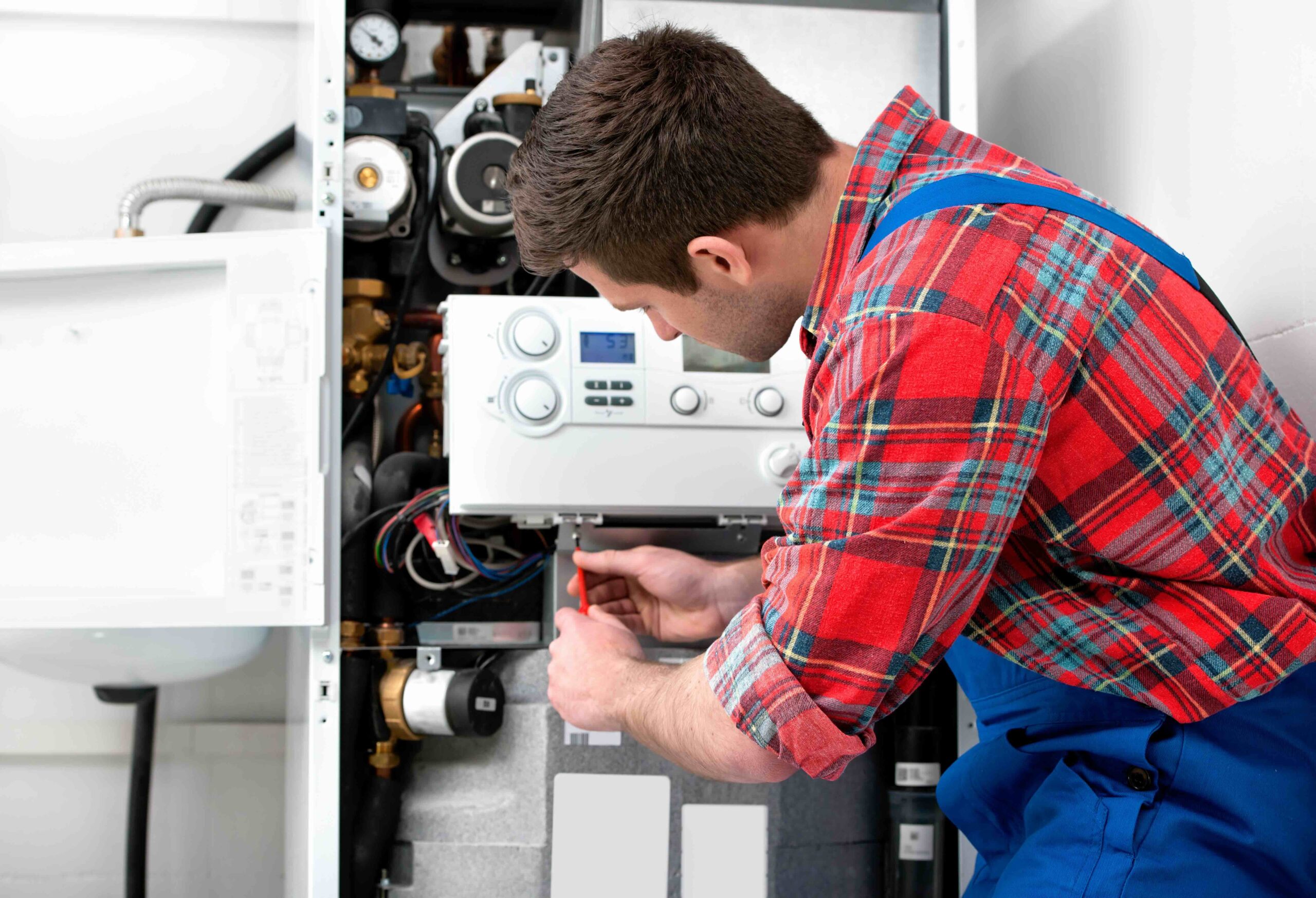
What Is a Boiler Heating System and Why Do So Many Homeowners Rely on It?
If your home uses radiators or radiant floor heating, there is a good chance a boiler is the engine behind all of that warmth. A boiler heating system is one of the oldest and most reliable methods of home heating available, and yet a surprising number of homeowners do not fully understand how it works or what it takes to keep it running properly. That gap in knowledge can lead to expensive surprises, especially during the coldest months of the year. This article breaks it all down in plain language so you can make smarter decisions about your home.
How a Boiler Heating System Actually Works
The name can be a little misleading because a residential boiler does not actually boil water in the way most people picture. Instead, it heats water to a high temperature and then circulates that hot water or steam through a network of pipes to radiators, baseboard heaters, or radiant tubing embedded in your floors. A fuel source, typically natural gas, oil, propane, or electricity, heats the water inside the boiler unit itself. A pump or natural pressure moves the heated water through the distribution system, and as the heat radiates out into each room, the cooled water returns to the boiler to be reheated. It is a closed-loop system, which means the same water keeps cycling through over and over again. This process is efficient, consistent, and notably different from forced-air systems that push heated air through ductwork.
The Different Types of Boilers You Might Encounter
Not every boiler works the same way, and knowing the type you have matters a great deal when it comes to maintenance and repair. The most common residential boiler types include hot water boilers, sometimes called hydronic boilers, and steam boilers. Hot water boilers are far more common in modern homes and circulate heated water at lower pressures. Steam boilers, which are more often found in older homes, heat water until it becomes steam and distribute that steam through the pipes. Within those categories, you will also find combi boilers, which handle both space heating and domestic hot water in a single unit, and system boilers, which work with a separate hot water storage cylinder. Fuel type adds another layer of distinction, as gas boilers, oil boilers, and electric boilers each have their own quirks and maintenance needs.

Key Advantages of Boiler Heating Systems
Boilers have maintained their popularity for good reason. There are several genuine advantages that make them a strong choice for homeowners, particularly in colder climates.
- Even, consistent heat distribution without the drafts or dry air that forced-air systems can create
- High energy efficiency ratings, especially with modern condensing boilers that can reach over 90 percent efficiency
- No ductwork required, which eliminates a common source of heat loss and allergen circulation
- Quiet operation compared to the noise of air handlers and duct systems
- Long service life, with well-maintained boilers often lasting 15 to 30 years
- Radiant floor heating compatibility, which many homeowners consider the gold standard of comfort
The comfort factor is genuinely hard to overstate. Radiant heat warms objects and people directly rather than warming air first, which means rooms feel warmer at lower thermostat settings. That translates to real savings on energy bills over time.
Common Drawbacks and Challenges to Be Aware Of
No system is without its trade-offs, and boilers are no exception. The upfront installation cost can be significant, particularly if your home does not already have the necessary piping infrastructure. Retrofitting a boiler system into a home built for forced air is a major project. Boilers also take longer to respond to thermostat changes compared to forced-air systems, since water retains heat but also takes time to heat up in the first place. If a pipe develops a leak, water damage becomes a real concern, which is something forced-air systems simply do not carry as a risk. Oil-fired boilers require fuel delivery and storage, adding a logistical element that gas or electric systems avoid. And while boilers are durable, when repairs are needed, they can be complex and costly, especially on older steam systems.
Routine Maintenance Tasks Every Boiler Owner Should Know
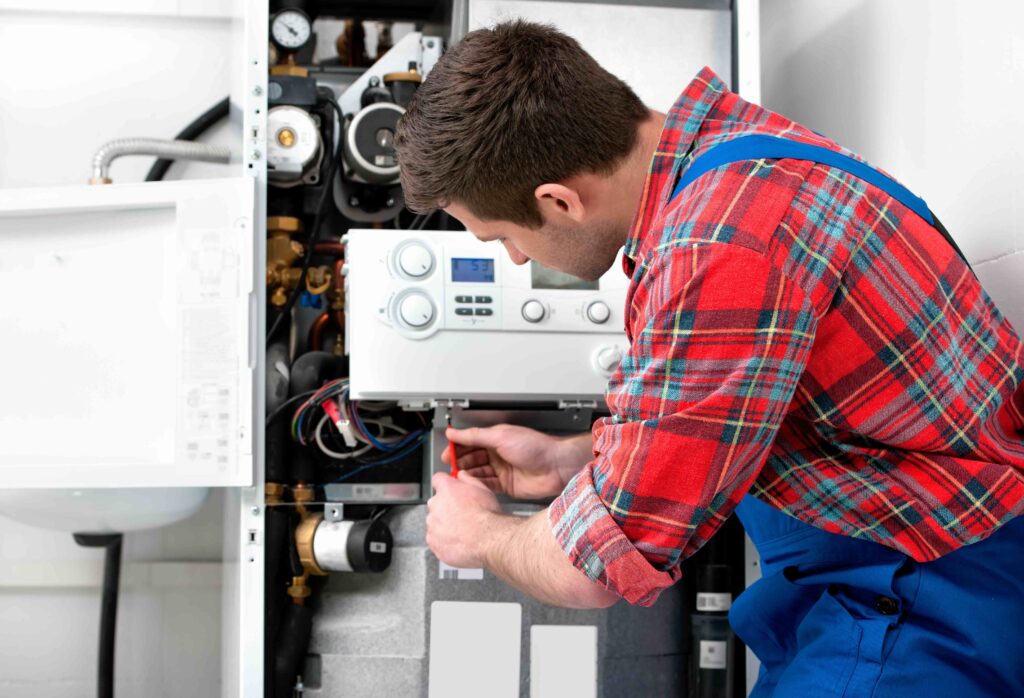
Staying ahead of boiler problems is far easier and cheaper than dealing with emergency repairs in February. Annual professional servicing is the single most important habit you can build. A qualified technician should inspect the heat exchanger, check the pressure relief valve, bleed the radiators if air has accumulated, test the thermostat controls, and inspect the flue for blockages or corrosion. Between professional visits, homeowners can monitor the pressure gauge to make sure it stays within the recommended range, typically between 1 and 1.5 bar when cold. Bleeding radiators yourself is a straightforward task that can dramatically improve heat distribution if you notice some radiators are cold at the top. Keeping the area around the boiler clear and watching for any signs of leaks, unusual smells, or strange noises can also help you catch small problems before they grow into large ones.
Signs Your Boiler Needs Repair and When to Call a Professional
Some boiler warning signs are subtle and some are impossible to ignore. Either way, knowing what to look for keeps you from getting caught off guard. Watch for these indicators that something may be wrong.
- Unusual banging, whistling, or gurgling sounds coming from the unit or pipes
- Radiators that fail to heat evenly or do not warm up at all
- Pressure gauge readings that are consistently too high or too low
- A pilot light that keeps going out on older units
- Visible leaks or moisture around the boiler or pipe connections
- A noticeable increase in heating bills without a corresponding change in usage
- The boiler cycling on and off more frequently than usual
Any of these signs warrants a call to a licensed heating technician. Do not attempt to diagnose or repair internal boiler components on your own, particularly anything involving the gas supply, pressure relief valve, or heat exchanger. These are not DIY territory.
How Home Warranty Coverage Applies to Boiler Heating Systems
This is where things get genuinely useful for homeowners. A home warranty plan can provide significant financial protection when your boiler needs repair or replacement. Unlike homeowners insurance, which covers sudden and accidental damage, a home warranty is designed to cover mechanical breakdowns that result from normal wear and tear. That means if your boiler’s pump fails, the thermocouple burns out, or the heat exchanger cracks after years of use, a home warranty may cover the cost of the repair or even a full replacement. Coverage details vary by provider, so reading the fine print is essential. Look specifically for plans that include the boiler itself as well as key components like the circulator pump, controls, and expansion tank.
Why Armadillo Is Worth Considering for Your Boiler Heating Protection
When your boiler goes down in the middle of winter, you do not want to spend three days calling contractors and waiting for estimates. That is exactly the kind of situation a quality home warranty is built to handle. Armadillo home warranty coverage for boiler heating systems is designed to take the stress and cost uncertainty out of one of your home’s most critical systems. Armadillo works with a network of qualified service professionals, handles the coordination for you, and helps protect your wallet from the kinds of repair bills that can easily run into the hundreds or thousands of dollars. If you are ready to stop worrying about what a boiler breakdown might cost you, get a free home warranty quote for boiler and heating system coverage and see exactly what protection is available for your home. Your boiler works hard every single day. It deserves a plan that works just as hard to protect it.

Frequently Asked Questions About Boiler Heating Systems
Answers to the most common questions homeowners have about boiler heating, maintenance, and repair coverage.
How long does a residential boiler typically last?
A well-maintained residential boiler can last anywhere from 15 to 30 years depending on the fuel type, quality of the unit, and consistency of annual servicing. Cast iron boilers on the higher end of that range are particularly durable.
What is the difference between a boiler and a furnace?
A boiler heats water and distributes warmth through radiators, baseboard heaters, or radiant flooring. A furnace heats air and distributes it through ductwork. They are entirely different systems with different maintenance requirements and repair profiles.
Why is my boiler making a banging noise?
Banging or kettling sounds in a boiler are often caused by a buildup of limescale on the heat exchanger, which causes water to overheat and steam unevenly. It can also indicate low water pressure or a failing pump. A technician should inspect it promptly.
How often should I have my boiler serviced?
Annual professional servicing is the standard recommendation for residential boilers. Regular maintenance helps identify worn components before they fail, keeps the unit operating efficiently, and is often required to maintain manufacturer warranties.
What pressure should my boiler be at?
Most residential hot water boilers should maintain a pressure between 1 and 1.5 bar when the system is cold. Pressure above 2.5 bar or consistently dropping to near zero indicates a problem that requires professional attention.
Can a home warranty cover boiler repairs?
Yes, many home warranty plans cover boiler repairs and component replacements resulting from normal wear and tear. Coverage typically includes the boiler unit itself along with key components like the circulator pump, controls, and thermostat. Always verify coverage details before purchasing a plan.
What causes a boiler to lose pressure?
Pressure loss in a boiler is commonly caused by a small water leak somewhere in the system, a recently bled radiator, or a faulty pressure relief valve. Persistent pressure drops should be investigated by a licensed heating professional.
Is radiant floor heating the same as boiler heating?
Radiant floor heating is one distribution method that uses a boiler as its heat source. The boiler heats the water, which then circulates through tubing embedded beneath the floor. Not all boiler systems use radiant floors, but all radiant floor systems require a heat source such as a boiler.
What should I do if my boiler stops working completely?
Check the thermostat settings, pressure gauge, and pilot light or power supply first. If those appear normal, reset the boiler according to the manufacturer’s instructions. If it still does not respond, contact a licensed heating technician and notify your home warranty provider if you have coverage in place.
Are older steam boilers worth repairing or should they be replaced?
This depends on the age of the unit, the severity of the issue, and the cost of repair relative to replacement. As a general rule, if a boiler is over 20 years old and the repair cost exceeds 50 percent of the replacement cost, replacement is often the smarter long-term investment.