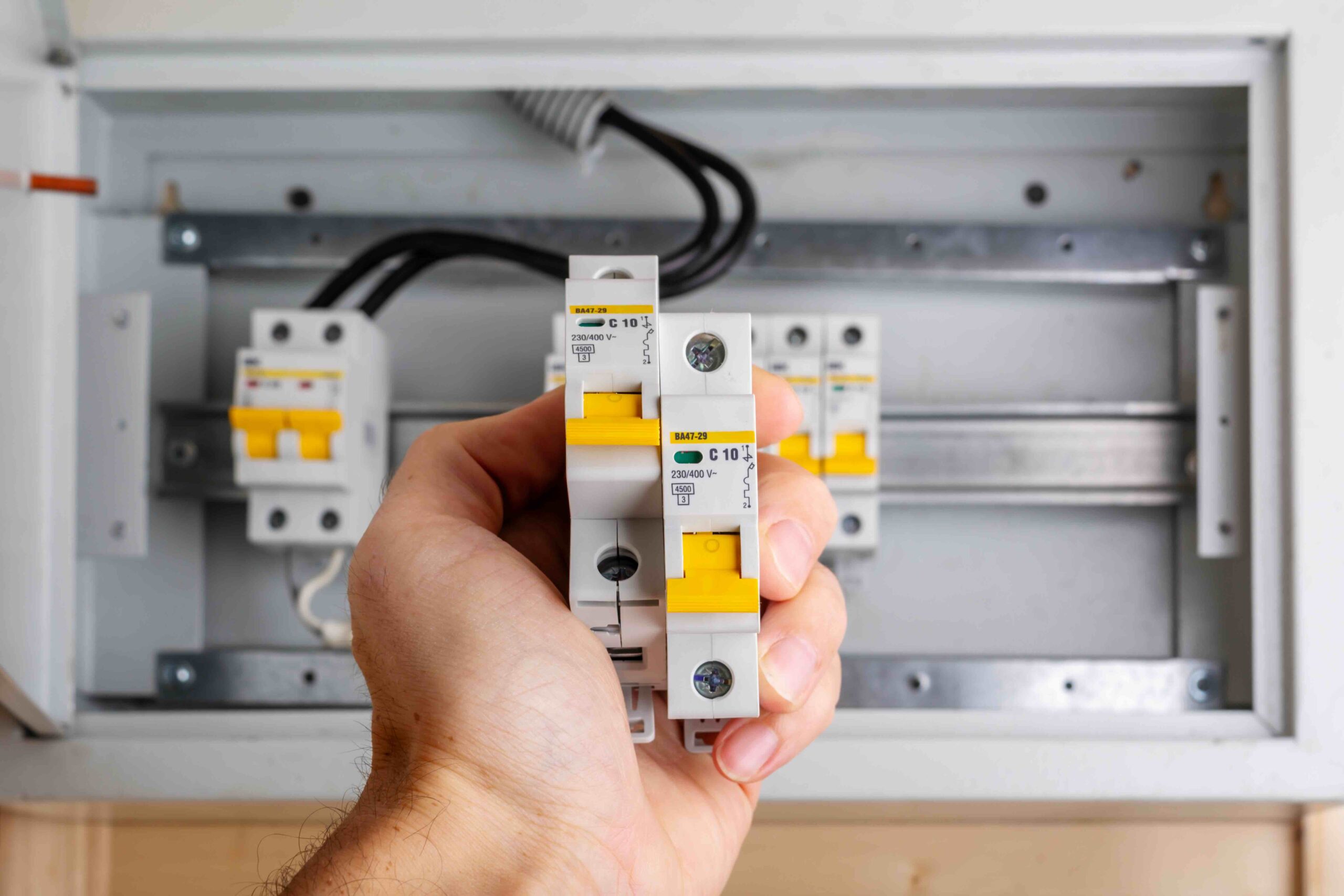
Is Your Breaker Sparking? Here Is What That Means and What to Do Next
You open your electrical panel to reset a tripped breaker, and then you see it — a quick flash, a small spark, a sound you were not expecting. Your first instinct is probably to step back, and honestly, that instinct is correct. Breaker sparking is one of those things that homeowners encounter more often than they expect, and the range of what it can mean runs from completely harmless to genuinely dangerous. Understanding the difference is what keeps your home safe and your repair costs manageable. This article breaks it all down so you know exactly what you are looking at and how to respond.
What Is a Circuit Breaker and How Does It Work
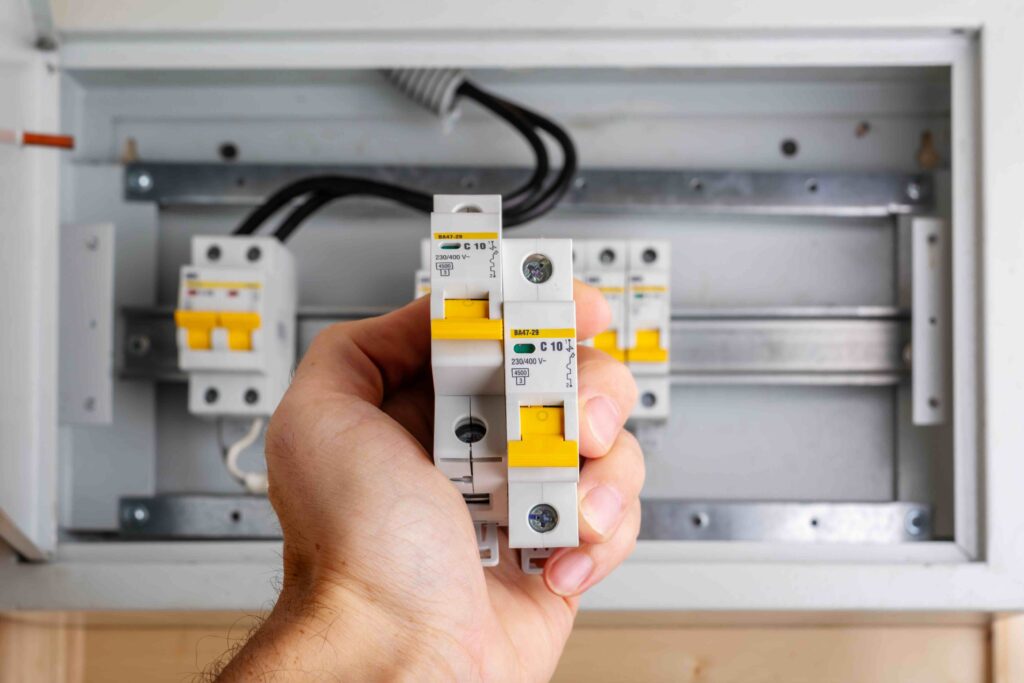
A circuit breaker is the gatekeeper of your home’s electrical system. Every major appliance, outlet, and light circuit in your home runs through a dedicated breaker housed inside your main electrical panel. When the flow of electricity through a circuit exceeds a safe threshold — due to an overload, a short circuit, or a fault — the breaker trips and cuts the power. This prevents wires from overheating and reduces the risk of electrical fires. Modern homes typically have either a 100-amp or 200-amp service panel with anywhere from a dozen to over forty individual breakers. Each one is a small mechanical and electromagnetic switch designed to respond in fractions of a second when something goes wrong on its circuit.
What Causes a Breaker to Spark
Not every spark is created equal, and the cause behind the flash determines how seriously you should treat the situation. There are a few common reasons this happens.
- A normal brief arc: When you flip a breaker back on after it has tripped, there is sometimes a small, quick blue or white spark. This can be a normal byproduct of the electrical load reconnecting to the circuit and may not indicate a problem.
- Loose wiring connections: Over time, the wire terminals inside a panel can loosen due to thermal expansion, vibration, or age. Loose connections create resistance, which generates heat and can produce arcing or sparking.
- A worn or faulty breaker: Breakers have a finite lifespan. An older breaker that has tripped repeatedly or has been in service for decades may no longer make proper contact internally, leading to arcing when it operates.
- Short circuits: If a hot wire touches a neutral or ground wire somewhere in your home, the resulting surge can cause a dramatic spark at the panel when the breaker responds.
- Water or moisture intrusion: Panels located in garages, basements, or exterior walls can be exposed to moisture. Water and electricity are a dangerous combination that can cause arcing and corrosion.
When a Spark Is Normal Versus When It Is a Warning Sign
Here is the part that trips up a lot of homeowners: a tiny, quick, contained spark when resetting a breaker is often within the realm of normal electrical behavior. The key word there is contained. If the spark is small, disappears instantly, and there is no smoke, burning smell, or repeated occurrence, you are likely fine. However, if the spark is large, accompanied by a popping noise, leaves scorch marks around the breaker, or happens every time you flip that breaker, that is your electrical panel trying to tell you something important. Persistent or dramatic sparking is never something to dismiss. It warrants a licensed electrician’s attention, and sooner rather than later.
The Risks of Ignoring Breaker Sparking
Electrical issues are among the leading causes of residential fires in the United States. Arcing faults inside a panel — the kind that produce sparking — generate intense heat at the point of failure. That heat can ignite the insulation on wires, the wood framing near the panel, or other combustible materials in the vicinity. Beyond fire risk, persistent arcing can damage the panel itself, degrade the wiring throughout your home, and create shock hazards if the panel cover is open and someone makes contact with a live component. Ignoring the warning signs because the problem seems minor is a gamble with consequences that are disproportionately severe compared to the cost of a proper inspection.
Key Advantages of Addressing Breaker Issues Early
Addressing an electrical concern at the first sign of trouble is almost always the more cost-effective path. Early intervention typically means dealing with a single faulty breaker or a loose connection rather than a full panel replacement or, worse, fire damage restoration. There are real advantages to acting quickly.
- Lower repair costs when problems are caught before they escalate
- Reduced fire and electrocution risk for everyone in the home
- Preserved home insurance coverage, since insurers may deny claims tied to known neglected hazards
- Peace of mind that your home’s electrical system is operating within safe parameters
- Potentially improved energy efficiency, since loose or corroded connections can waste electricity through heat loss
Common Drawbacks and Challenges Homeowners Face
The honest reality is that electrical panels are not the most accessible home system for the average homeowner to evaluate independently. Unlike a leaky faucet or a squeaky door, the inside of an electrical panel is not a place where DIY diagnosis is advisable unless you have specific training. This creates a dependency on licensed electricians, whose availability and pricing can vary significantly depending on your region. Additionally, if your home has an older panel — certain brands and models from the mid-twentieth century are known for defects — the cost of a full replacement can reach several thousand dollars. That financial exposure is one reason homeowners sometimes delay, which creates the cycle of deferred maintenance that makes the situation worse over time.
Practical Tips for Homeowners Dealing With Breaker Sparking
There are practical steps you can take to handle this situation responsibly without putting yourself at risk. Start by keeping the panel cover closed and not reaching inside unless you are trained to work around live electrical components. If you notice sparking, unusual odors, discoloration around breakers, or a breaker that trips repeatedly, schedule an inspection with a licensed electrician as soon as possible. Make note of which circuit is affected and when the behavior occurs. This information helps the electrician diagnose the issue faster. You should also check whether your panel is one of the recalled or flagged brands — Federal Pacific Electric Stab-Lok and Zinsco panels are two well-known examples that have documented safety concerns. If your home still has one of those, an upgrade is worth serious consideration regardless of whether you are currently experiencing visible issues.
How Home Warranties Factor Into Electrical System Coverage
This is where the conversation becomes especially relevant for homeowners thinking about long-term protection. A home warranty is a service contract that covers the cost of repairing or replacing major home systems and appliances when they fail due to normal wear and tear. Electrical systems, including wiring and panels, are commonly included in home warranty coverage. That means if a breaker fails under covered conditions, your home warranty may absorb a significant portion of the repair cost rather than you paying entirely out of pocket. Not every home warranty is structured the same way, so reviewing what is and is not included under electrical coverage is essential before assuming a specific repair is covered.
Why Armadillo Is the Right Partner for Your Home Warranty Needs
When your breaker starts sparking and the repair estimate lands in your inbox, the last thing you want is to find out your home warranty has more exclusions than actual coverage. That is exactly why Armadillo home warranty coverage for electrical systems and major home systems is built differently — with straightforward terms, transparent pricing, and a process that does not make you jump through hoops when something breaks. Armadillo understands that electrical issues are stressful and often urgent, and the coverage is designed to reflect how homeowners actually live rather than how warranty companies prefer to avoid paying claims. If you want to know exactly what your home is protected against before the next sparking breaker catches you off guard, you can get a personalized home warranty quote for electrical and system protection in just a few minutes. Real coverage, real peace of mind — that is the standard Armadillo holds itself to.

Frequently Asked Questions About Breaker Sparking
These are the questions homeowners ask most often when dealing with electrical panel concerns.
Is it normal for a breaker to spark when you reset it?
A small, brief spark when resetting a tripped breaker can be normal as the circuit reconnects under load. However, a large spark, repeated sparking, or sparking accompanied by burning smells or scorch marks is not normal and requires professional evaluation.
What should I do immediately if I see a large spark in my electrical panel?
Do not touch anything inside the panel. If you smell smoke or see any signs of fire, evacuate the home and call emergency services. Otherwise, close the panel cover and contact a licensed electrician as soon as possible to inspect the issue.
Can a sparking breaker cause a house fire?
Yes. Persistent arcing inside an electrical panel generates heat that can ignite nearby materials including wire insulation and wood framing. Electrical arcing faults are a documented cause of residential fires, which is why sparking should never be ignored.
How long do circuit breakers typically last?
Circuit breakers generally have a lifespan of 30 to 40 years under normal conditions, though this varies by brand, usage frequency, and environmental exposure. Breakers that have tripped many times or are in older panels may fail sooner.
Does a home warranty cover a faulty or sparking circuit breaker?
Many home warranties do cover electrical system components including circuit breakers when failure is due to normal wear and tear. Coverage specifics vary by plan, so reviewing your contract’s electrical system terms is important before filing a claim.
How much does it cost to replace a single circuit breaker?
Replacing a single circuit breaker typically costs between $150 and $300, depending on your location, the type of breaker, and the electrician’s labor rate. A full panel replacement can cost significantly more, often ranging from $1,500 to $4,000 or higher.
What brands of electrical panels are considered unsafe or defective?
Federal Pacific Electric panels with Stab-Lok breakers and Zinsco panels are two well-known examples that have been associated with documented safety concerns and failure to trip under overload conditions. If your home has either, consult an electrician about replacement options.
Can I replace a circuit breaker myself?
While it is technically possible for a knowledgeable person to replace a breaker, the work involves exposure to live electrical components that remain energized even when the main breaker is off. For safety and code compliance reasons, this work is best performed by a licensed electrician.
Why does my breaker keep tripping on the same circuit?
A repeatedly tripping breaker usually indicates an overloaded circuit, a short circuit somewhere on the line, or a ground fault. It can also signal a failing breaker that is no longer holding its rated load. An electrician can diagnose the root cause and recommend the appropriate fix.
Does moisture near my electrical panel increase the risk of sparking?
Yes. Moisture inside or near an electrical panel can cause corrosion on terminals and breakers, increase electrical resistance, and promote arcing. Panels in garages, basements, or near exterior walls should be inspected periodically for signs of water intrusion or condensation.