What It Means When a Breaker Trips or Is Grounded in Your Home
If you have ever walked into a room and found the lights out, an appliance dead, or an outlet completely unresponsive, there is a solid chance your electrical panel had something to say about it. A tripped breaker is one of the most common electrical issues homeowners encounter, and yet it remains one of the most misunderstood. Whether it tripped due to overload, a fault in the circuit, or something more serious like a grounding issue, understanding what is actually happening inside your electrical system can save you time, money, and a fair amount of frustration. This guide breaks it all down in straightforward terms so you know exactly what you are dealing with.
What Is a Circuit Breaker and Why Does It Exist
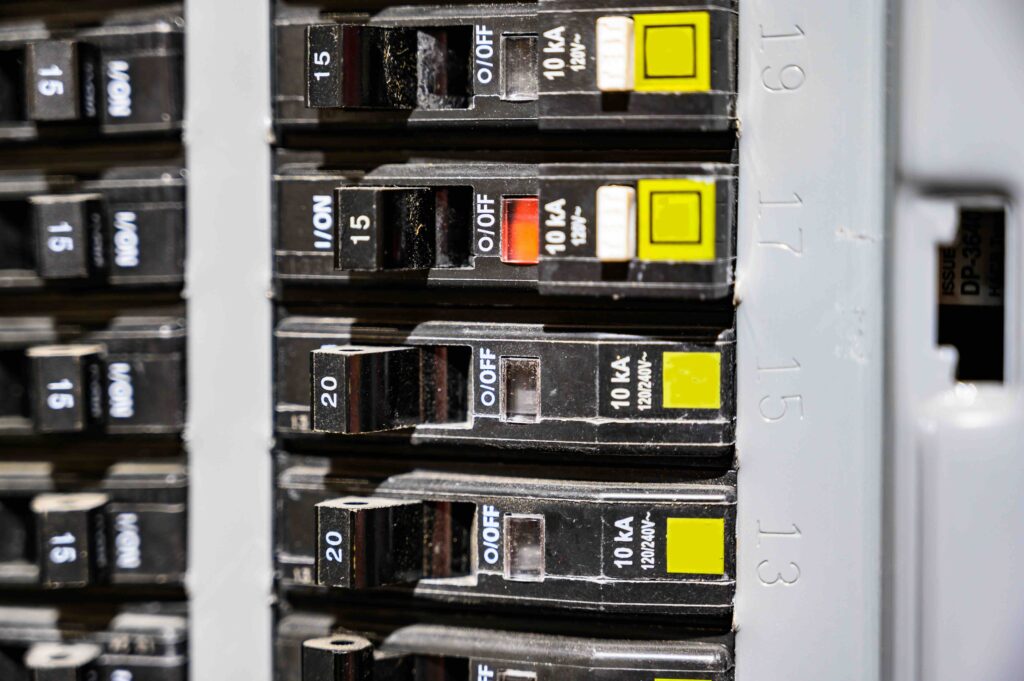
A circuit breaker is a safety device built into your home’s electrical panel. Its entire job is to protect your home’s wiring and connected devices from damage caused by excessive electrical current. Think of it as a gatekeeper. When the current flowing through a circuit exceeds the safe limit, the breaker automatically shuts off power to that circuit. This prevents overheating, electrical fires, and damage to your appliances. Every home has a main electrical panel, sometimes called a breaker box or load center, which houses individual breakers assigned to specific areas or circuits throughout the home. Some older homes still use fuses instead of breakers, but the function is essentially the same.
What Does It Mean When a Breaker Trips
When a breaker trips, it moves from the ON position to either the OFF position or a middle position that signals a fault. There are three primary reasons this happens. First, an overloaded circuit occurs when too many devices are drawing power simultaneously on the same circuit. Second, a short circuit happens when a hot wire comes into direct contact with a neutral wire, creating an unintended path for current and generating significant heat. Third, a ground fault is when a hot wire contacts a ground wire or a grounded surface, such as a metal outlet box. Each of these scenarios triggers the breaker to cut power as a protective response. The distinction matters because each type of trip points to a different underlying problem that may or may not need professional attention.

Understanding Grounded Circuits and Why Grounding Matters
Grounding is one of the most important safety features in any electrical system. A grounded circuit provides a safe path for stray electrical current to travel to the earth rather than through a person or a piece of equipment. In properly grounded systems, every outlet has three slots: one for the hot wire, one for the neutral wire, and one for the ground wire. If a fault occurs and current escapes the intended path, the grounding system directs it safely away from anything that could be harmed. Homes built before the 1960s often have two-prong outlets, which means they lack grounding entirely. This is not just an inconvenience when your three-prong plug will not fit. It is a genuine safety concern that can lead to equipment damage, electrical shock, or fire under the wrong circumstances.
Common Signs Your Breaker or Grounding System Has a Problem
Not every electrical issue announces itself dramatically. Sometimes the warning signs are subtle enough to be ignored until they become expensive. Here are some indicators that something may be off with your breaker or grounding system:
- A breaker that trips repeatedly after being reset, especially under normal load conditions
- Outlets that feel warm to the touch or show scorch marks around the face plate
- A burning or unusual smell coming from the electrical panel or a specific outlet
- Lights that flicker or dim without explanation, particularly when appliances cycle on
- Appliances that behave erratically or shut off unexpectedly
- A buzzing or crackling sound near outlets or the breaker panel
- Tingling sensations when touching a plugged-in appliance or metal surface nearby
Any of these signs warrants attention. Some can be addressed quickly with a simple reset or load redistribution, while others require a licensed electrician to diagnose and repair.
How to Safely Reset a Tripped Breaker
Resetting a tripped breaker is one of the few electrical tasks a homeowner can reasonably handle without professional help, provided the cause was a simple overload and not something more serious. Start by identifying which breaker has tripped. It will typically be in a middle or OFF position rather than fully ON. Before resetting it, unplug or turn off devices connected to that circuit to reduce the load. Then, firmly push the breaker to the full OFF position first, then switch it back to ON. If it holds and the circuit operates normally afterward, you likely dealt with a temporary overload. If the breaker trips again immediately or repeatedly, stop resetting it. Continuing to reset a persistently tripping breaker can mask a more dangerous underlying issue and create a hazard rather than resolve one.
When to Call a Licensed Electrician
There is a fairly clear line between what a homeowner should handle independently and what requires a professional. A breaker that trips once due to an obvious overload is typically manageable on your own. Everything beyond that deserves a trained eye. Call a licensed electrician if a breaker trips repeatedly without an obvious cause, if you detect burning smells or visible damage near the panel, if your home has outdated wiring such as aluminum or knob-and-tube, if you are dealing with a two-prong outlet situation throughout the home, or if the main breaker itself has tripped. Electrical systems are not an area where guesswork pays off. The cost of a professional inspection is almost always far less than the cost of repairing damage from an electrical fire or system failure.
How Breaker and Grounding Issues Relate to Home Warranty Coverage
This is where things get particularly useful for homeowners. A home warranty plan is designed to cover the repair or replacement of major home systems and appliances when they break down due to normal wear and tear. Electrical systems are commonly included in standard home warranty plans. Depending on the plan, coverage may extend to the wiring, the main breaker panel, individual circuit breakers, and related components. However, it is worth reading the fine print carefully. Most home warranty plans will not cover damage resulting from improper installation, pre-existing conditions, or code violations. Grounding issues that stem from outdated wiring or previous unpermitted work may fall outside typical coverage. Understanding exactly what your plan covers before a problem arises puts you in a much better position when something goes wrong.
Why Armadillo Is the Right Choice When Electrical Problems Hit Home
When a breaker trips or you discover your home has grounding issues, the last thing you want to be doing is scrambling to figure out who covers what and whether you can afford the repair. That is exactly the kind of uncertainty that Armadillo home warranty protection for electrical systems and essential home components is built to eliminate. Armadillo offers straightforward, transparent coverage designed around how homeowners actually live, not around complex exclusions that leave you holding the bill. If you want to stop guessing what is covered and start protecting the systems your home depends on every day, you can get a free home warranty quote that covers breakers, electrical panels, and more in just a few minutes. Real protection should not feel complicated, and with Armadillo, it does not.

Frequently Asked Questions About Tripped Breakers and Grounding
Below are answers to the most common questions homeowners ask about tripped breakers, grounded circuits, and related electrical concerns.
Why does my breaker keep tripping even after I reset it?
A breaker that trips repeatedly after being reset usually indicates a persistent overload on the circuit, a short circuit within the wiring or a connected device, or a ground fault. Each scenario requires a different solution, and repeated tripping is a clear signal that a licensed electrician should inspect the circuit rather than continuing to reset the breaker manually.
Is it safe to reset a tripped breaker yourself?
Resetting a breaker once after an obvious overload is generally safe for a homeowner to do. You should unplug devices on that circuit first, push the breaker fully to OFF, and then switch it back to ON. If it trips again immediately or continues to trip, do not keep resetting it. That is a job for a professional.
What is the difference between a tripped breaker and a blown fuse?
A tripped breaker is a reusable safety switch that can be reset after the underlying issue is resolved. A blown fuse contains a metal filament that melts when current exceeds its rating, and it must be physically replaced. Both serve the same protective purpose, but breakers are more common in modern homes and generally easier to manage.
What does it mean for an outlet to be grounded?
A grounded outlet has three slots and is connected to a ground wire that provides a safe path for stray electrical current to travel to the earth. This protects people and equipment from electrical shock or damage if a fault occurs within the circuit or connected device.
How do I know if my home’s electrical system is properly grounded?
The simplest indicator is whether your outlets have three prongs or two. Three-prong outlets suggest grounding is present, though proper installation should still be verified by an electrician. An outlet tester, available at most hardware stores, can also confirm whether an outlet is correctly grounded, wired, and functional.
Can a tripped breaker cause damage to appliances?
In most cases, a tripped breaker protects appliances rather than damages them by cutting power before excessive current can cause harm. However, the underlying cause of the trip, such as a voltage spike or short circuit, may already have caused some damage before the breaker responded. Sensitive electronics are particularly vulnerable in these scenarios.
Does a home warranty cover a tripped or damaged circuit breaker?
Many home warranty plans do include coverage for the electrical panel and individual circuit breakers as part of their electrical system coverage. However, coverage typically applies to failures caused by normal wear and tear and may exclude damage from improper installation, pre-existing conditions, or code violations. Always review your specific plan details carefully.
What causes a ground fault and how is it different from a short circuit?
A ground fault occurs when a hot wire contacts a grounded surface or ground wire, sending current along an unintended path. A short circuit occurs when a hot wire contacts a neutral wire directly. Both cause a sudden surge of current that trips the breaker, but they originate differently and require different diagnostic approaches to resolve safely.
How often should a home’s electrical panel be inspected?
Most electricians recommend having your electrical panel professionally inspected every three to five years, or any time you notice recurring electrical issues, plan a major renovation, or purchase an older home. Panels in homes more than 25 years old may warrant more frequent evaluation, especially if they have not been updated since original installation.
Are GFCI outlets related to grounding and breaker protection?
GFCI, or ground fault circuit interrupter outlets, are a specific type of outlet designed to detect ground faults and cut power almost instantly to prevent electrical shock. They are commonly required in kitchens, bathrooms, garages, and outdoor areas. While they work alongside grounding systems, they function independently and provide an additional layer of protection even in some ungrounded circuits.