Breaker Tripping and Grounding: What Every Homeowner Should Know
When the power unexpectedly cuts off in part of your home, the culprit is often a tripped circuit breaker. It happens more frequently than most homeowners anticipate, especially in older homes or during periods of heavy electrical use. Understanding what causes your breakers to trip, and how grounding plays into your home’s overall electrical safety, can help you make smarter decisions—and potentially prevent major repairs. Whether you’re troubleshooting a power issue or considering a home warranty to cover inevitable mishaps, this guide will arm you with the foundational knowledge every homeowner should possess.
What is a Circuit Breaker and What Does It Do?
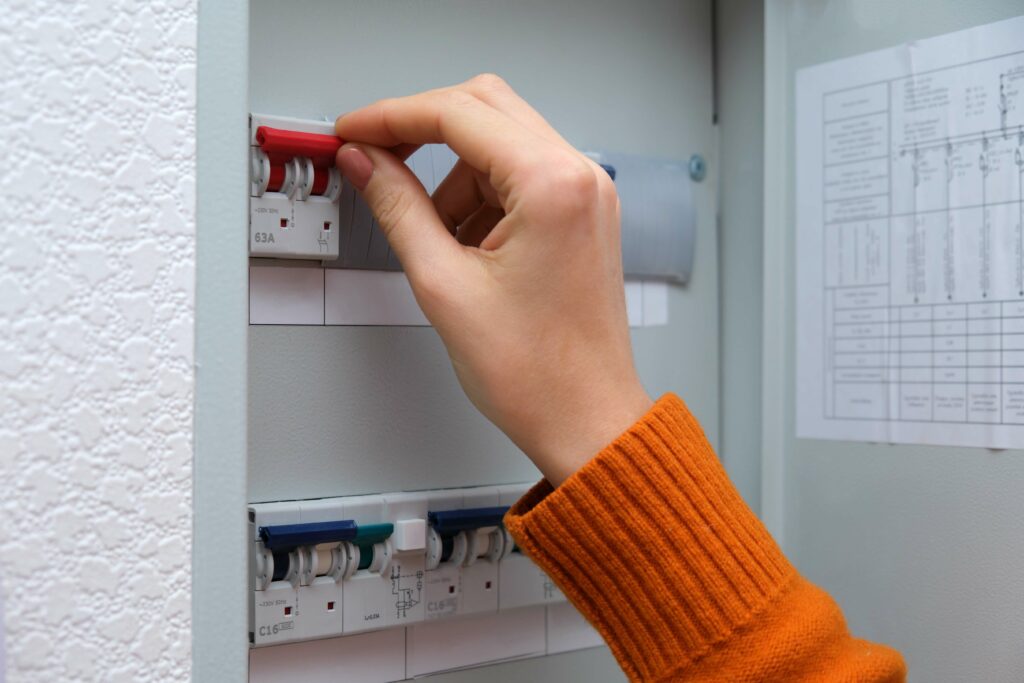
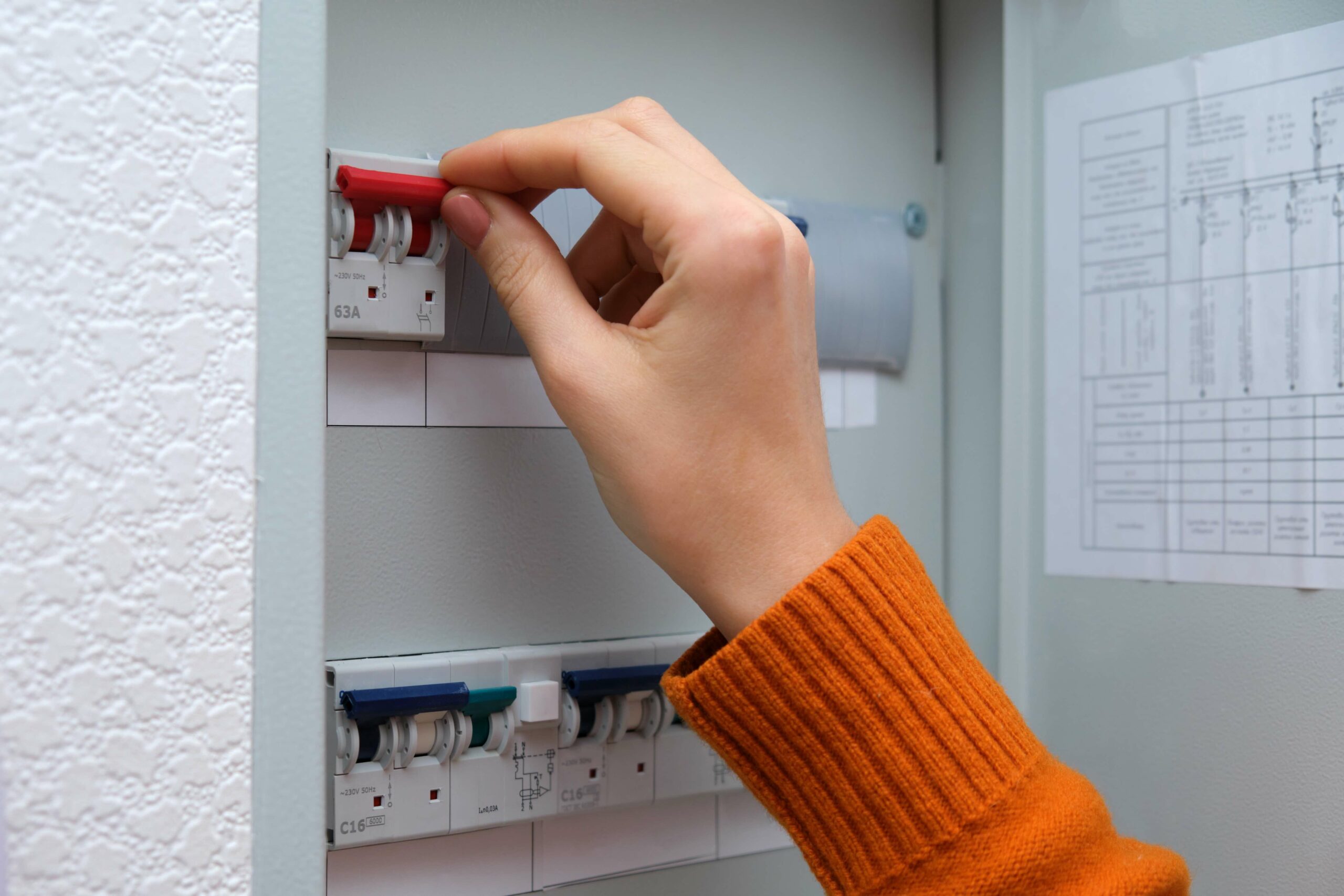
At its most basic, a circuit breaker is a safety device. It monitors the current flowing through your home’s electrical system and automatically shuts off power—or “trips”—when the system detects an overload or short circuit. This prevents overheating, sparks, or fire. Circuit breakers are located in your home’s electrical panel, usually found in a basement, garage, or utility closet. Each switch or “breaker” controls power to a specific area or circuit in your home. When more power is drawn than a circuit can handle—say, from running too many appliances on one outlet—the breaker cuts the flow to prevent damage or danger.
Why Breakers Trip: Common Causes and What They Mean
Most breaker trips are caused by three primary issues: overload, short circuit, or a ground fault. An overload occurs when too many devices pull electricity from the same circuit. A short circuit happens when a hot wire touches a neutral wire, creating excess current. Ground faults occur when a hot wire contacts a grounded surface, like a metal box or appliance frame. Breakers are designed to detect these conditions quickly and cut power to protect your system. But persistent breaker trips are usually a red flag that something isn’t quite right—and they deserve attention, not just a quick reset.
Understanding Grounding and Its Crucial Role
Grounding is the process of creating a safe path for excess electricity to exit your home’s electrical system. If electricity escapes the intended path—due to a short circuit, lightning strike, or equipment failure—the grounding wire directs it safely into the earth. This prevents shock hazards and reduces the risk of fire. Modern homes have grounded electrical systems built to current code requirements, but older homes may lack sufficient grounding or contain outdated wiring. When a breaker keeps tripping, especially in conjunction with metal appliances, poor grounding might be the overlooked factor.
Signs of Grounding Issues and Tripping Hazards
The symptoms of grounding issues can be subtle. You might notice light switches or outlets giving off a faint tingle when touched. Appliances may spark or cut off unexpectedly. You may also observe scorch marks around outlets—an unmistakable sign of improper current flow. These grounding problems increase the likelihood of breaker trips, particularly when systems are already under strain. If breakers repeatedly trip in specific areas, or when using certain appliances, it may point to a wiring or grounding fault. In these cases, don’t keep resetting the breaker. Have the system professionally inspected to prevent further damage or injury.
Restoring Power: When to DIY vs. When to Call a Pro
Flipping a tripped breaker back on is safe as long as you’re cautious. If it trips again immediately, unplug devices from the circuit before attempting a reset. If it still trips with nothing plugged in, the issue is likely wiring-related or a ground fault—both of which require professional attention. Trying to identify or fix grounding issues without proper tools or expertise isn’t just impractical—it’s potentially hazardous. For larger failures, you’ll want a licensed electrician to diagnose and resolve the situation. A qualified technician can also identify outdated panels or wiring that may need updating, especially before problems escalate.
How a Home Warranty Fills the Gaps in Protection
Even well-maintained homes are vulnerable to electrical issues, especially as systems age or homes undergo renovations. This is where a home warranty becomes incredibly valuable. It serves as a buffer between unpredictable system breakdowns and your wallet. Most plans cover electrical system failures—including issues related to breaker panels, faulty wiring, and switches. If your home’s grounding system is outdated or if your breaker repeatedly trips due to internal wiring problems, a home warranty can help cover repair costs. This escalates the importance of choosing a provider that knows the difference between a minor nuisance and a serious hazard.
Proactive Maintenance and Smart Preventive Tips
Preventing breaker trips and maintaining effective grounding doesn’t need to be overwhelming. Regularly inspect major appliances and avoid overloading outlets. Use surge protectors for sensitive electronics and have your panel checked by a licensed electrician every few years—or immediately if it’s more than 25 years old. If you’re planning renovations or purchasing a previously owned home, consider having a full electrical inspection. A well-grounded and updated electrical system not only protects your investment—it can also prevent problems worth thousands in repairs, losses, or even safety risks down the line.
Protect Your Electrical System with Armadillo
If your breakers have been tripping more often than usual or your home’s wiring hasn’t been inspected in years, you’re not alone. Issues like outdated circuitry and inadequate grounding are more common than most homeowners realize—and often manifest at the least convenient times. With a comprehensive home warranty from Armadillo, you gain peace of mind that your electrical system is protected against covered failures. Whether it’s an aging panel or a hidden wiring fault, our expert network ensures that qualified help is just a service request away. Ready to protect your home against unexpected hiccups? Start building your plan today.