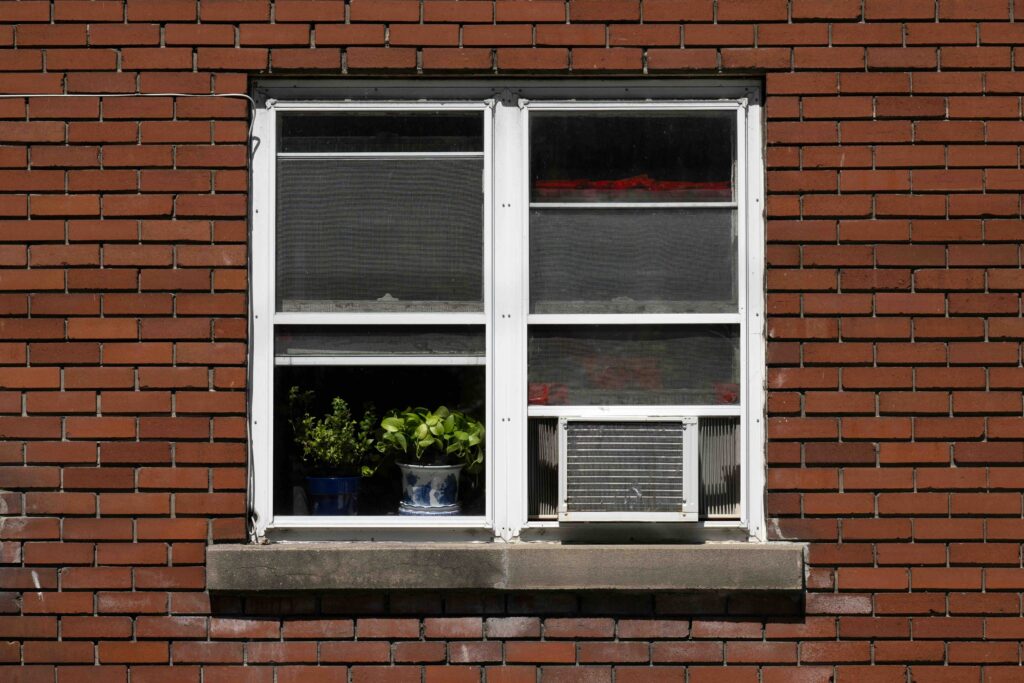

What Is a Budget Window AC Unit and Is It Right for Your Home?
Summer heat has a way of making every decision feel urgent, and if you are standing in a big box store staring at a wall of window air conditioners, trying to figure out which one actually makes sense for your budget, you are not alone. Budget window AC units have become one of the most common cooling solutions for homeowners who need relief without committing to a full central air system or a costly mini-split installation. They are practical, widely available, and honestly, easier to understand than most people think. This article breaks down everything you need to know, from how these units actually work to what you should realistically expect from one over the long term.
How a Budget Window Air Conditioner Actually Works
Window air conditioners, regardless of price point, all operate on the same basic refrigeration cycle. Warm air from inside your room is pulled across an evaporator coil filled with refrigerant. That refrigerant absorbs the heat from the air, the cooled air gets blown back into the room, and the absorbed heat gets expelled outside through the condenser coil. Budget models use the same fundamental process as premium units, though they tend to use simpler fan motors, less advanced compressors, and more basic thermostat controls. The result is effective cooling for a single room or zone, without the complexity of a whole-home system. Most budget window ACs in the 5,000 to 12,000 BTU range are designed for rooms between 150 and 550 square feet, making them well-suited for bedrooms, home offices, and living spaces in smaller homes or apartments.
Key Advantages of Choosing a Budget Window AC Unit
There are some genuinely compelling reasons why budget window air conditioners remain popular year after year, even as more sophisticated cooling technologies become available.
- Low upfront cost, often ranging from $100 to $350 for basic models
- No professional installation required in most cases
- Portable enough to move between rooms or store during cooler months
- Works independently of your home’s existing HVAC system
- Ideal for older homes without existing ductwork
- Wide availability from numerous retail and online sources
For homeowners managing tight budgets or dealing with a single hot room that central air cannot seem to reach, a window unit is often the most logical and immediate fix. The barrier to entry is low, and for supplemental cooling especially, these units deliver solid value for the cost.
Common Drawbacks You Should Know Before You Buy
Budget window ACs are not without their limitations, and going in with clear expectations will save you a fair amount of frustration. Energy efficiency is probably the most talked-about concern. Less expensive models typically carry lower Energy Efficiency Ratio ratings, which means they use more electricity to produce the same amount of cooling compared to mid-range or high-end units. Over a full summer, that difference can show up noticeably on your utility bill. Noise is another real consideration. Budget compressors and fan assemblies tend to run louder, which matters if you are using the unit in a bedroom or workspace. Most budget models also offer limited features, meaning no programmable scheduling, no smart home integration, and basic thermostat controls rather than precise digital temperature management. And while installation is generally manageable as a DIY project, some window configurations, particularly casement or sliding windows, may not accommodate standard window AC mounts without additional hardware.

How to Choose the Right Size Budget Window AC for Your Space
Sizing is everything with window air conditioners, and this is where a lot of homeowners make a preventable mistake. Bigger is not always better. An oversized unit will cool the room quickly but cycle off before it has a chance to dehumidify the air properly, leaving the space feeling clammy and uncomfortable. An undersized unit will run constantly without ever hitting your target temperature, burning energy and wearing out faster. The general rule is to calculate approximately 20 BTUs per square foot of living space. So a 300 square foot room needs roughly a 6,000 BTU unit. Rooms with high ceilings, significant sun exposure, or poor insulation may need a slightly larger capacity. Most budget window AC product listings include a recommended square footage range, and sticking within that guidance is the single most important step toward getting your money’s worth from the unit.
Installation Tips for a Budget Window Air Conditioner
Proper installation affects both performance and safety, and it is worth taking an extra hour to do it right. Start by confirming your window dimensions match the unit’s expandable side panels and that the window track is clean and undamaged. The unit should tilt very slightly toward the outside, usually about a quarter inch, to allow condensation to drain properly rather than pooling inside your room. Make sure the unit is supported securely, either by the included bracket or by an additional window AC support bracket if the unit is on the heavier side. Seal any gaps around the unit with the foam strips included in the packaging, or supplement with weatherstripping tape. Gaps allow warm outside air to leak in, reducing efficiency and making the unit work harder than it needs to. Always plug the unit into a dedicated outlet if possible, and avoid using extension cords, as window ACs draw enough current that an undersized extension cord poses a genuine safety risk.
Maintenance Habits That Extend the Life of Your Window AC
Budget window air conditioners are not built with the same component quality as premium models, which makes routine maintenance even more important for getting full use out of the appliance. The air filter is the most critical item to address. A clogged filter forces the unit to work harder, reduces airflow, and can cause the evaporator coil to ice over. Most filters in budget units can be removed, rinsed with warm water, and allowed to dry completely before reinstalling. Doing this every two to four weeks during heavy use makes a meaningful difference. The exterior coil fins, visible from the outside of the unit, should be gently cleaned once a season to remove dust and debris that restrict airflow. At the end of each cooling season, remove the unit, let it dry thoroughly, and store it somewhere clean and dry rather than leaving it in the window through winter, which exposes internal components to moisture and accelerates wear.
When a Budget Window AC Is Not the Right Solution
As practical as budget window AC units are, there are situations where a different approach makes more sense. If you are trying to cool multiple rooms or an entire floor, you will quickly find yourself buying several units, which starts to erode the cost advantage and can strain your home’s electrical circuits. Homes in extremely humid climates may also find that budget units struggle to adequately dehumidify large or poorly insulated spaces. If you have a home warranty plan that covers your central HVAC system, it may be more cost-effective to prioritize repairing or maintaining that system rather than relying on window units as a permanent replacement. Budget window ACs work best as a targeted supplement, not as a whole-home substitute for central air conditioning.
Energy Costs and What to Realistically Expect on Your Utility Bill
Running a window air conditioner continuously through a hot summer does add up, and budget models are generally less efficient than their higher-rated counterparts. A typical 8,000 BTU budget window unit running eight hours per day might consume roughly 700 to 900 kilowatt-hours over a three-month cooling season, depending on local electricity rates and how hard the unit has to work. In many parts of the country, that translates to somewhere between $80 and $150 in added electricity costs for the season. You can manage that figure by using a programmable outlet timer if your unit lacks a built-in schedule, setting the thermostat to 78 degrees rather than pushing it lower, and keeping blinds or curtains closed during peak sun hours to reduce the heat load the unit has to overcome.
Why Armadillo Is the Smart Choice for Homeowners Who Rely on Cooling Appliances
A budget window AC unit is a practical, low-cost way to manage heat in specific areas of your home, but it is also a reminder of just how many appliances and systems your home depends on to stay comfortable. When something breaks, the cost and disruption can be significant, and that is exactly where a home warranty fills a real gap. Armadillo home warranty plans built for real homeowners are designed to cover the systems and appliances that matter most, giving you predictable protection instead of unpredictable repair bills. Whether it is your window AC, central cooling system, or a range of other major home appliances, having coverage in place means you are not starting from zero every time something stops working. If you are ready to stop leaving your home’s comfort and safety up to chance, get a free home warranty quote for cooling appliance protection today and see exactly what it would cost to keep your home covered through every season.

Frequently Asked Questions About Budget Window AC Units
Here are answers to some of the most common questions homeowners have about budget window air conditioners.
What does BTU mean and how do I know how many I need?
BTU stands for British Thermal Unit and measures how much heat an air conditioner can remove from a room per hour. A general guideline is 20 BTUs per square foot of space you want to cool. A 250 square foot room typically needs around 6,000 BTUs, while a 500 square foot room needs closer to 10,000 to 12,000 BTUs.
Are budget window AC units energy efficient?
Most budget models have lower Energy Efficiency Ratio scores than mid-range or premium units, which means they use more electricity for the same cooling output. They can still be cost-effective overall because of their low purchase price, but expect slightly higher electricity usage compared to Energy Star-certified models.
Can a window AC unit be used in a casement window?
Standard window AC units are designed for double-hung windows that slide up and down. Casement windows that crank open sideways are not compatible with most window AC units without a specialized vertical installation kit, and those are less common on budget models. Portable air conditioners with a window exhaust hose are often a better fit for casement windows.
How long does a budget window air conditioner typically last?
With proper maintenance, a budget window AC unit can last between five and ten years. Lower-quality components mean the lifespan tends to skew toward the shorter end compared to premium units, but regular filter cleaning and proper storage during off-season months extend the useful life considerably.
Is it safe to leave a window AC unit in the window during winter?
It is generally not recommended. Leaving the unit installed through winter exposes it to moisture, freezing temperatures, and drafts that can damage internal components and create a cold air gap in your window seal. Removing and storing the unit indoors during the off-season prolongs its performance and efficiency.
Why is my window AC blowing warm air?
The most common causes are a clogged air filter restricting airflow, a refrigerant leak, a frozen evaporator coil caused by restricted airflow or low refrigerant, or a failing compressor. Check and clean the filter first. If the unit still blows warm air after the filter is clear, the issue may require professional diagnosis or unit replacement.
Can a window AC unit cause mold problems in my home?
It can if moisture is allowed to accumulate inside the unit or around the installation area. Keeping the unit properly tilted for drainage, cleaning the filter regularly, and ensuring no gaps exist around the window seal reduce moisture buildup and limit the risk of mold growth.
Does a home warranty cover window air conditioner units?
Coverage varies by provider and plan. Some home warranty plans include coverage for window AC units under appliance protection, while others focus only on central HVAC systems. It is important to review plan details carefully and confirm what is included before assuming coverage exists for portable or window-mounted cooling appliances.
What is the ideal thermostat setting for a budget window AC to save energy?
The U.S. Department of Energy recommends setting your air conditioner to 78 degrees Fahrenheit when you are home and need cooling. Every degree lower can increase energy consumption by roughly 3 percent, so avoiding the temptation to set the thermostat much lower than necessary makes a meaningful difference over a full season.
Should I buy a window AC unit with a remote control?
A remote control is a convenience feature that some budget models include and others do not. If the unit will be installed in a location where adjusting the controls is awkward, such as a high window mount or a unit placed behind furniture, a remote makes practical sense. For straightforward installations, it is a nice feature but not essential to performance.