Can a Short Circuit Fix Itself? What Homeowners Need to Know
Short circuits are one of those electrical issues that make homeowners pause mid-thought. You notice a tripped breaker, a flickering light, or a warm outlet, and then — nothing. Everything seems fine again. So naturally, the question comes up: can a short circuit fix itself? The honest answer is no, not really. But understanding why that matters, and what is actually happening inside your walls, is genuinely useful information for anyone who owns a home.
What Is a Short Circuit, Exactly?
A short circuit occurs when electrical current travels along an unintended path, usually one with little to no resistance. Under normal conditions, electricity flows through a controlled circuit — from the power source, through the wiring, into your device or appliance, and back again. When something interrupts that controlled flow — a damaged wire, a loose connection, or a faulty component — current can jump to an unintended conductor. That sudden, uncontrolled surge is the short circuit. It generates heat fast, which is why short circuits are one of the leading causes of residential electrical fires.
Why It Seems Like a Short Circuit Resolved on Its Own
This is where it gets a little tricky. Sometimes a circuit breaker trips, you reset it, and everything works again. It feels like the problem disappeared. But what actually happened is that your breaker did its job — it interrupted the current to prevent damage or fire. The underlying cause of the short circuit is still there. Wiring does not heal. Insulation does not repair itself. A loose connection does not tighten back up on its own. What appears to be a self-correcting issue is almost always a dormant hazard waiting for the next opportunity to cause a real problem.

Common Causes of Short Circuits in the Home
Knowing the source is half the battle. Short circuits are rarely random events. They tend to originate from a handful of repeatable causes, and identifying the pattern can help a licensed electrician locate the problem more efficiently. Here are the most common culprits:
- Damaged or aging wire insulation that has cracked, frayed, or been chewed by pests
- Loose wire connections at outlets, switches, or inside the electrical panel
- Faulty or worn-out appliances drawing irregular current loads
- Moisture intrusion near electrical components or junction boxes
- Overloaded circuits where too many devices are pulling power simultaneously
- Improper DIY electrical work or outdated wiring systems like aluminum or knob-and-tube
The Real Danger of Ignoring a Short Circuit
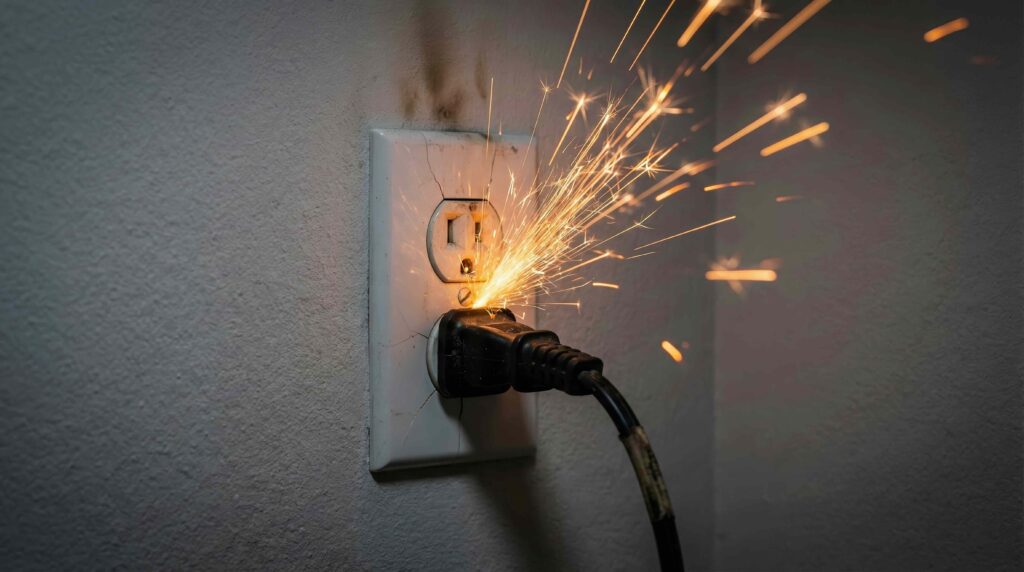
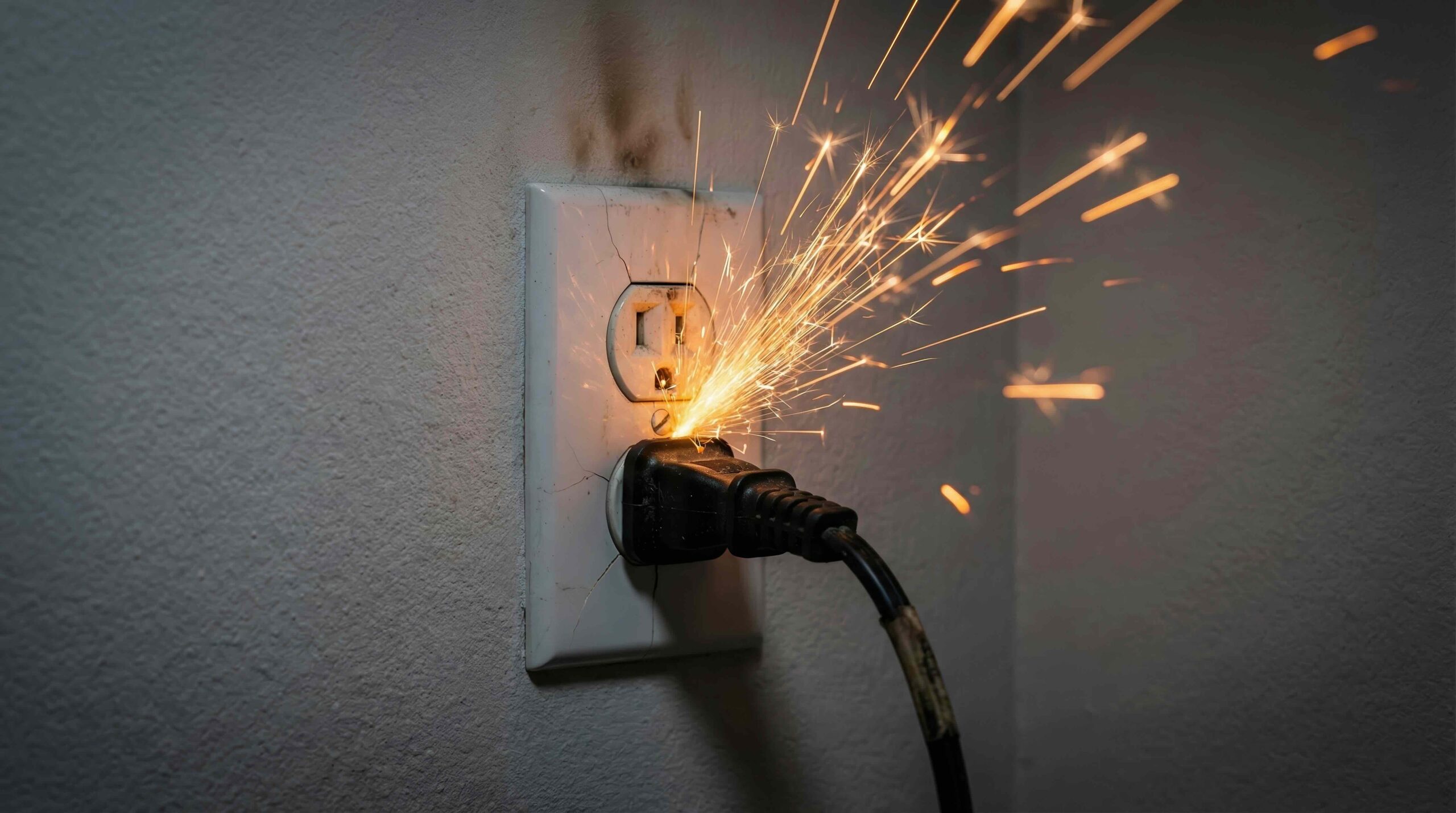
Here is the part that deserves some serious attention. Short circuits that go unaddressed do not just sit quietly in your walls. They degrade. The same loose connection that tripped your breaker once will continue to arc — meaning it produces small electrical sparks — every time current runs through it. Over time, those arcs can ignite surrounding materials, particularly older insulation, wood framing, or dust accumulation inside wall cavities. The National Fire Protection Association consistently identifies electrical failures as one of the top causes of home fires in the United States. A short circuit that seems resolved is not a resolved problem.
Signs You May Have an Unresolved Short Circuit
Your home often gives you warning signs before an electrical issue becomes a serious emergency. Paying attention to these indicators and responding quickly can make a significant difference in outcomes. Watch for things like breakers that trip repeatedly without an obvious cause, outlets or switch plates that feel warm or show burn marks, burning or plastic smells near electrical fixtures, lights that flicker or dim unexpectedly, and appliances that behave erratically or stop working without explanation. Any one of these symptoms warrants a call to a licensed electrician. More than one of them at the same time means you should not wait.
What to Do When You Suspect a Short Circuit
First things first — do not keep resetting a breaker that keeps tripping. That breaker is functioning exactly as designed. It is telling you something is wrong. Resetting it repeatedly without investigating the cause is one of the more common and preventable mistakes homeowners make. Unplug any appliances connected to the affected circuit. Check nearby outlets and switches for visible damage. If you cannot identify an obvious external cause like a damaged appliance cord, the issue is likely inside the wall or at the panel, and that requires professional evaluation. Electrical systems are not a great candidate for guesswork.
How Home Warranties Relate to Electrical Issues
This is a topic that comes up often in the home warranty world, and it is worth clarifying. A home warranty plan typically covers the repair or replacement of home systems and appliances that fail due to normal wear and tear. Electrical systems — including wiring, panels, and certain components — are often included in system-level coverage. That said, coverage varies by provider and plan, so understanding exactly what is and is not included before a problem arises is important. Short circuits caused by pre-existing conditions, code violations, or lack of maintenance may not qualify for coverage under every policy. Reading the fine print matters.
Preventive Measures That Actually Work
While short circuits cannot always be anticipated, a proactive approach to home electrical maintenance reduces risk significantly. Scheduling a whole-home electrical inspection every few years is a reasonable baseline, particularly for homes older than twenty years. Arc fault circuit interrupters, commonly called AFCIs, are a code-required upgrade in newer construction and can be retrofitted into older homes. They detect arcing conditions and cut power before a fire can start. Tamper-resistant outlets, surge protectors with proper joule ratings, and keeping electrical panels free of moisture and pests all contribute to a safer system overall.
Why Armadillo Is Worth Considering for Electrical System Protection
Electrical repairs are rarely inexpensive. When a short circuit turns into a panel issue or a wiring replacement, the costs can escalate quickly — and that is exactly the kind of financial surprise that a solid home warranty plan is designed to absorb. Armadillo home warranty coverage for electrical systems and major home components is built around simplicity and transparency, which means you know what you are getting before something goes wrong. The process for filing a claim is straightforward, the service network is vetted, and the plans are structured to actually help when you need it most. If you have been thinking about coverage and want to understand your options without a sales pitch, you can get a free home warranty quote for electrical and systems coverage in minutes. No pressure, just clarity.

Frequently Asked Questions About Short Circuits and Home Electrical Systems
Here are answers to the questions homeowners ask most often when dealing with short circuits and related electrical concerns.
Can a short circuit actually fix itself over time?
No. A short circuit does not resolve on its own. When a breaker trips and things seem normal again, the breaker interrupted the current, but the underlying cause — damaged wiring, a loose connection, or a faulty component — remains and will likely cause the problem to recur.
Is a tripped breaker always a sign of a short circuit?
Not always. Breakers can also trip due to overloaded circuits, ground faults, or even a failing breaker itself. However, a breaker that trips repeatedly on the same circuit without an obvious overload is a strong indicator that a short circuit or ground fault may be present.
How dangerous is an unresolved short circuit?
Very. Unresolved short circuits can cause arcing, which generates heat and can ignite surrounding materials inside walls, ceilings, or electrical panels. Electrical fires often start in concealed locations, making them especially difficult to detect early.
What is the difference between a short circuit and a ground fault?
A short circuit occurs when a hot wire contacts another hot wire or a neutral wire. A ground fault occurs when a hot wire contacts a grounded surface. Both are hazardous and both can trip a breaker, but they have different causes and require different diagnostic approaches.
Can a faulty appliance cause a short circuit in the home’s wiring?
Yes. A defective appliance can draw excessive current or create an unintended electrical path that affects the circuit it is plugged into. Unplugging the appliance and testing the circuit without it is a reasonable first diagnostic step.
Does a home warranty cover short circuit repairs?
It depends on the provider and the specific plan. Many home warranties include coverage for electrical systems under normal wear and tear. However, issues resulting from pre-existing conditions, code violations, or improper installation may be excluded. Reviewing your policy details before a problem occurs is always advisable.
How much does it typically cost to repair a short circuit?
Costs vary widely depending on the cause and location. A simple outlet replacement might cost under one hundred dollars, while tracing and repairing wiring inside walls or addressing panel issues can run into the hundreds or even thousands. This is precisely why electrical coverage within a home warranty plan has real value.
Should I try to find a short circuit myself?
Basic troubleshooting — such as unplugging appliances or identifying a specific outlet or fixture as the problem source — is reasonable for a homeowner. However, diagnosing wiring issues inside walls, junction boxes, or the electrical panel should be handled by a licensed electrician. Electrical systems carry real risk of injury and fire when handled improperly.
How often should a home’s electrical system be inspected?
A general recommendation is every three to five years for most homes, and more frequently for properties older than twenty-five years or those that have undergone significant renovations. Older homes with aluminum wiring or outdated panel types should be prioritized for professional evaluation.
What is an arc fault circuit interrupter and do I need one?
An arc fault circuit interrupter, or AFCI, is a type of circuit breaker that detects dangerous arcing conditions and shuts off power before a fire can start. They are required by current electrical codes in most living areas of new construction and can be retrofitted into older homes. For homes with aging wiring, they are a worthwhile safety upgrade.