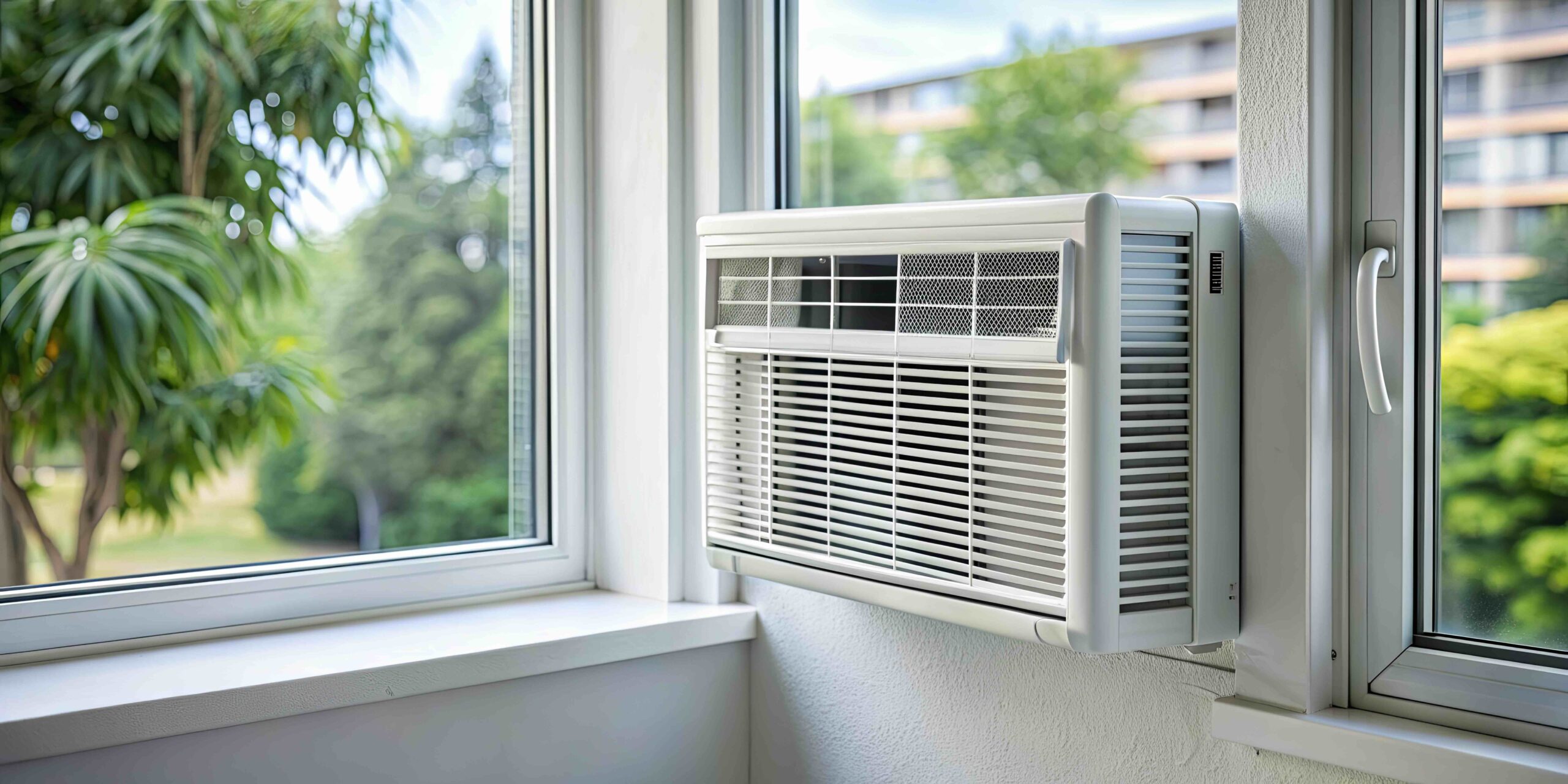
Can a Window AC Unit Actually Make You Sick? Here Is What Homeowners Need to Know
It is one of those questions that comes up every summer and somehow never fully gets answered. You start running your window AC unit, things feel great for a few days, and then you notice a scratchy throat, some sneezing, maybe a headache you cannot explain. Is it the AC? Is it something else? The short answer is yes, a window air conditioner can absolutely make you sick under the right conditions. But understanding why that happens, and how to prevent it, makes all the difference between a cool home and one that is quietly working against your health.
How a Window AC Unit Actually Works
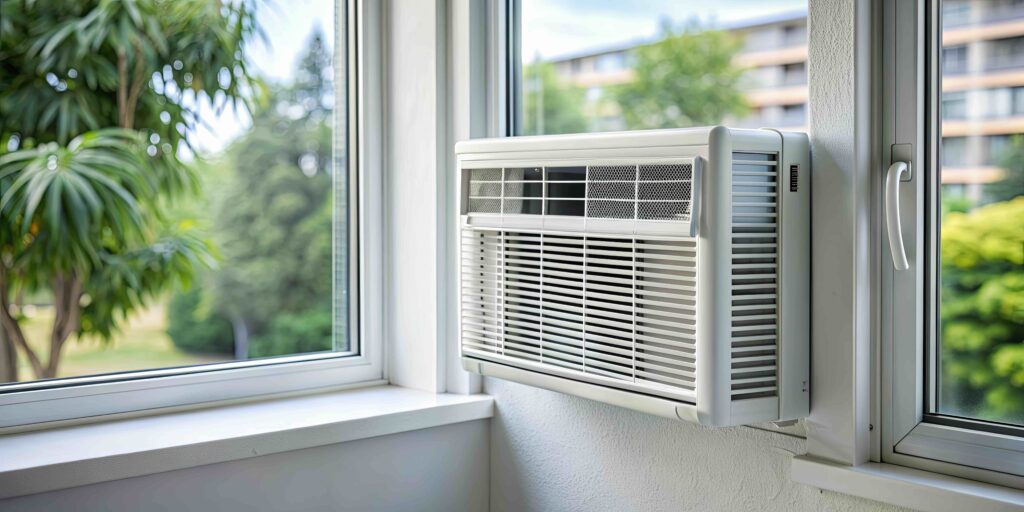
Window air conditioners operate on a fairly straightforward refrigeration cycle. Warm indoor air is pulled across a set of evaporator coils filled with refrigerant, which absorbs the heat and humidity from that air. The now-cooled air gets pushed back into the room, while the heat that was absorbed gets expelled outside through the condenser coils. The unit also pulls moisture out of the air during this process, which is why you often see water dripping from the outside. It is a compact, self-contained system that handles both cooling and dehumidification in one go. That sounds great, and it is, but there is a catch. All that moisture and all that air movement creates an environment where biological contaminants can build up if the unit is not maintained properly.
The Real Reasons a Window AC Can Make You Feel Awful
There are a few specific culprits worth knowing about when it comes to AC-related illness, and none of them are mysterious. Mold and mildew are the biggest offenders. The condensation that builds up inside the unit, especially in the drain pan and on the coils, is a perfect breeding ground. When mold spores get circulated through the room, sensitive individuals can experience respiratory symptoms, eye irritation, skin reactions, and general fatigue. Bacteria is another concern. Legionella, the bacteria responsible for Legionnaires disease, is less commonly associated with window units than with large central HVAC towers, but stagnant, warm water inside any cooling system can support bacterial growth. Beyond biological threats, dirty filters force the unit to circulate dust, pet dander, and allergens back into your living space. And if the unit is improperly sealed in the window frame, it can draw in outdoor pollutants, exhaust, and humidity at a rate that overwhelms the filter entirely.
Warning Signs Your Window AC May Be Affecting Your Health
- Persistent coughing, sneezing, or congestion that improves when you leave home and worsens when you return
- Unexplained headaches or fatigue concentrated in the rooms where the AC is running
- Musty or stale odors coming from the unit when it is running
- Visible mold growth around the vents, filter, or exterior housing
- Water pooling inside the room or excessive condensation on nearby walls
- Allergy symptoms that feel worse indoors than outdoors during the same season

How to Clean Your Window AC and Reduce Health Risks
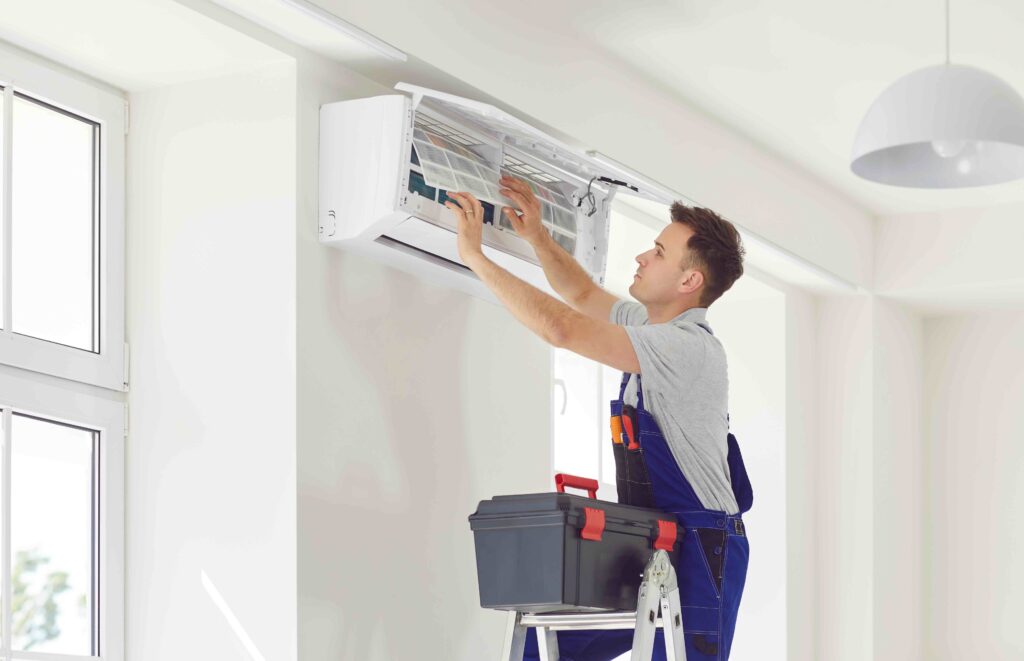
Cleaning a window AC unit is not a complicated job, but it is one that a lot of people skip entirely. Start with the filter, which should be removed and cleaned with warm soapy water at least once a month during active use. Let it dry completely before putting it back. The coils should be cleaned at least once per season using a coil cleaner spray or a soft brush to remove built-up debris. The drain pan needs to be checked and cleared of any standing water, and a small amount of diluted bleach can help prevent mold from taking hold in that area. The exterior vents and housing can be wiped down with a damp cloth. If there is visible mold inside the unit that you cannot fully access, that is a job for a professional. Running a moldy unit is not something to take lightly.
The Advantages of Window AC Units Despite the Risks
It is worth being fair here. Window air conditioners are incredibly practical for a wide range of homeowners, and when maintained correctly, they are a reliable and cost-effective cooling solution. They are affordable to purchase and install compared to central air systems. They cool individual rooms efficiently without requiring ductwork or major installation work. They are removable and portable in the sense that you can take them out of one window and place them in another as your needs change. For renters or homeowners who need targeted cooling in specific spaces, a well-maintained window unit is one of the best tools available. The health risks are real but manageable, which is the key point here.
Common Drawbacks Beyond the Health Concerns
Health aside, window AC units come with a set of practical limitations that homeowners should factor into their decisions. They are loud, and the noise level can be a real issue for light sleepers or home offices. They block natural light and restrict window access, which affects ventilation options when the unit is installed. They are typically not energy efficient compared to modern mini-split systems, which means higher electricity bills during peak summer months. They also require physical installation and removal in climates with cold winters, which is a task that is easy to forget until you need it most. And because they rely on a single compressor and set of coils in a compact chassis, when something fails, the entire unit often needs replacement rather than repair.
When a Window AC Problem Becomes a Home System Problem
Here is something that does not get discussed enough. A window air conditioner that is leaking, not cooling properly, or drawing in outside air due to a poor seal can create conditions that affect the broader home environment. Excess moisture from a malfunctioning unit can seep into window frames, walls, and flooring, encouraging mold growth well beyond the unit itself. That is no longer just an appliance issue. It starts to become a structural and indoor air quality issue that can affect the habitability of the space. Homeowners who overlook a struggling window AC unit for too long can find themselves dealing with consequences that extend far past a single appliance replacement.
Practical Tips for Safer, Healthier Window AC Use
- Clean or replace the air filter monthly during peak cooling season
- Inspect the drain pan for standing water and clean it before the season starts
- Seal gaps around the unit with foam weatherstripping to prevent outdoor air infiltration
- Run the fan setting occasionally without cooling to circulate fresh air through the filter
- Store the unit in a dry, covered location during off-season months to prevent dust and pest intrusion
- Consider an air quality monitor in rooms where a window AC runs frequently
How Armadillo Helps Protect You When Your Cooling System Fails
Window AC units are one of those home appliances that seem simple until they stop working, and then suddenly you are dealing with a repair or replacement at the worst possible time of year. That is exactly where a home warranty becomes valuable. If you are looking for comprehensive home warranty coverage that includes cooling appliances and major home systems, Armadillo is built around making the claims process straightforward and the coverage worth having. There are no confusing tiers of exclusions designed to leave you holding the bill. When something breaks, Armadillo moves. If you want to stop guessing about what is and is not covered, you can get a free home warranty quote for window AC units and other essential home appliances in just a few minutes. Protecting your home from unexpected appliance failures should not require a law degree to navigate.

Frequently Asked Questions About Window AC Units and Health Risks
Here are answers to the most common questions homeowners ask about window air conditioners and the health concerns that come with them.
Can a window AC unit cause respiratory problems?
Yes. A poorly maintained window AC unit can circulate mold spores, dust, and allergens that irritate the respiratory system. Regular cleaning significantly reduces this risk.
How often should I clean my window air conditioner filter?
During active use, the filter should be cleaned at least once a month. If you live in a dusty environment or have pets, cleaning it every two to three weeks is a smarter approach.
What does mold in a window AC unit smell like?
Mold inside an air conditioner typically produces a musty, stale, or earthy odor that becomes more noticeable when the unit first powers on after sitting idle.
Can a window AC unit spread bacteria?
In cases where standing water is present in the drain pan, bacterial growth is possible. Keeping the drain pan clean and dry is the most effective preventive measure.
Is it safe to run a window AC with visible mold on the vents?
No. Visible mold on the vents indicates internal contamination that will be circulated into the room. The unit should be cleaned thoroughly or professionally serviced before use.
Why do I feel sick at home but better when I leave?
This pattern often points to indoor air quality issues. A dirty or moldy window AC unit is one of the most common sources, along with poor ventilation or other household contaminants.
Does a window AC unit help or hurt indoor air quality?
A properly maintained window AC unit with a clean filter can reduce humidity and filter some airborne particles, which helps air quality. A neglected unit does the opposite.
Are window AC units covered under home warranties?
Coverage depends on the provider and plan. Some home warranty plans include window AC units as part of appliance coverage, while others exclude them. Reading the terms carefully before selecting a plan matters.
How long do window AC units typically last?
A well-maintained window air conditioner can last between eight and twelve years. Units that are poorly maintained or frequently run at maximum capacity tend to fail sooner.
What should I do if my window AC unit is leaking water inside?
An interior leak usually means the unit is not properly angled toward the outside, the drain pan is blocked, or the filter is clogged. Address the cause immediately to prevent moisture damage to surrounding walls and flooring.