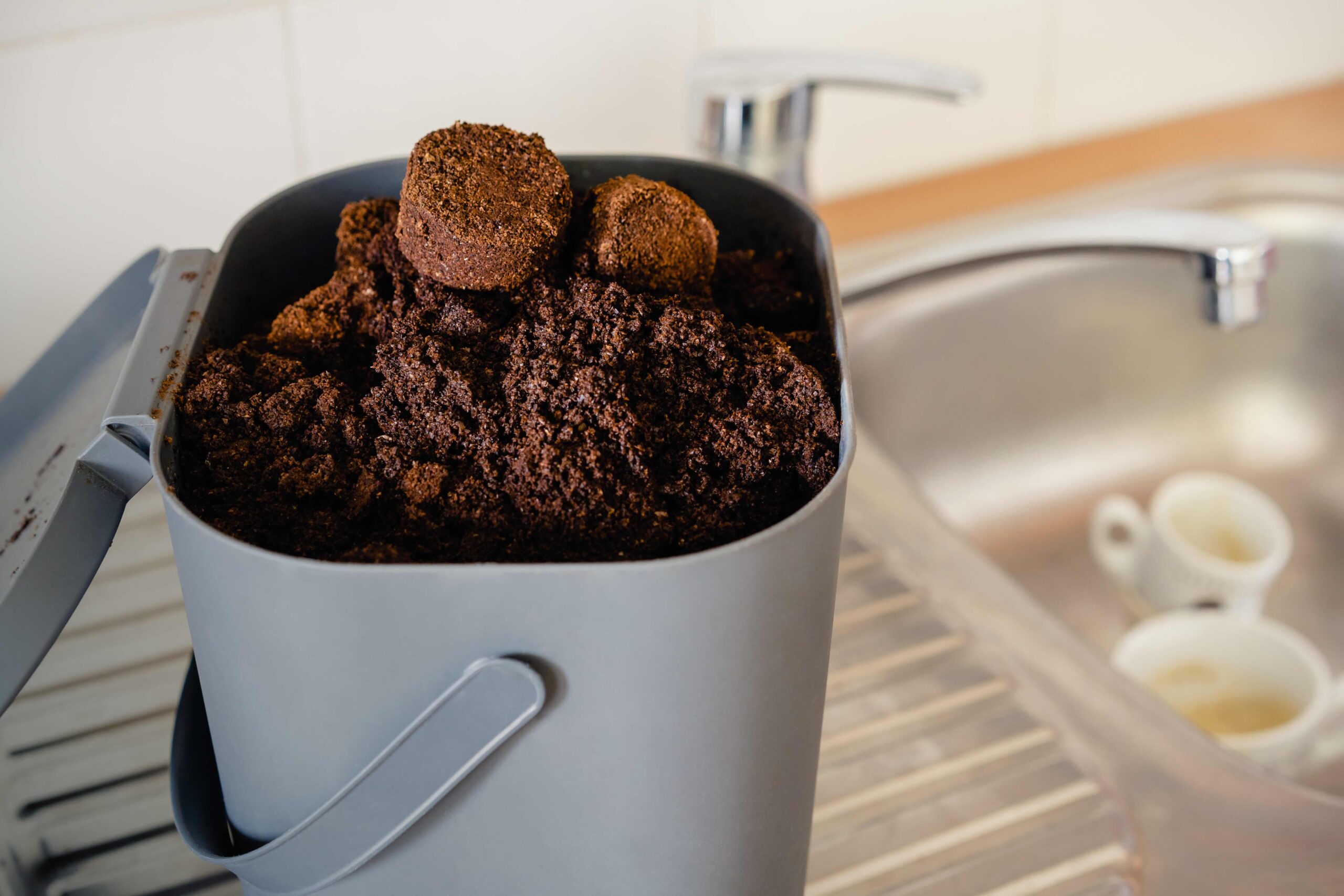
Can Coffee Grounds Go in the Garbage Disposal? Here Is What Every Homeowner Should Know
It is one of those small daily habits that seems completely harmless. You finish your morning coffee, tip the grounds into the sink, and flip on the disposal. Done, right? Not exactly. The question of whether coffee grounds can go in the garbage disposal is actually one of the most misunderstood topics in basic home maintenance, and getting it wrong can quietly cause real damage over time. This article breaks it all down so you know exactly what is safe, what is not, and how to protect the appliances you rely on every day.
How a Garbage Disposal Actually Works
Before getting into coffee grounds specifically, it helps to understand what a garbage disposal is actually doing under your sink. The unit uses a spinning plate with impellers, not blades, to grind food waste against a stationary grind ring. The resulting particles are small enough to be flushed through your drain pipes with running water. The system is designed for soft, water-soluble food scraps. It is not a trash can, and it was never designed to handle everything you might toss toward the sink. When the wrong materials enter the system, the consequences range from slow drains to full clogs to motor burnout. That context matters a lot when evaluating what coffee grounds actually do inside a disposal.
Why Coffee Grounds Feel Safe But Are Not
Coffee grounds are fine, gritty, and they go down the drain easily at first. That is actually the problem. Unlike a piece of food that gets broken down and flushed away, coffee grounds do not break down further. They are already as small as they are going to get. When you run them through the disposal and send them down the drain with water, they travel a short distance and then start to accumulate. They settle. They pack together. Over time, they form a dense, sludge-like buildup inside your pipes that traps other debris and narrows the drain passage. Plumbers see this regularly, and they will tell you it is a slow-developing problem that catches homeowners off guard.
The Real Risk to Your Plumbing System
The buildup that coffee grounds create is not dramatic or immediate. It builds gradually over weeks or months, which is part of why it is so easy to miss. Once that sediment starts accumulating in the P-trap or further down the drain line, other food particles, grease, and debris stick to it. Before long, you have a significant clog that requires professional attention. Liquid drain cleaners rarely work effectively on this type of blockage. In more serious cases, the clog can form deep enough in the drain line that snaking the pipe becomes necessary. For homeowners who use their disposal daily, the cumulative effect of disposing coffee grounds regularly can shorten the lifespan of both the disposal unit and the surrounding plumbing infrastructure.

What You Should Do With Coffee Grounds Instead
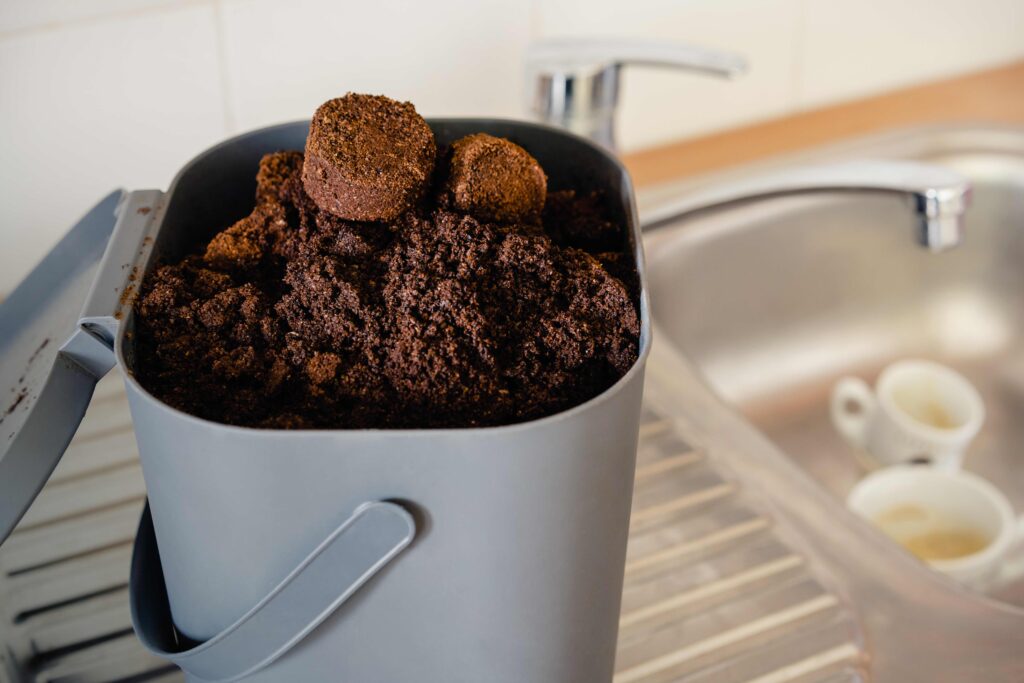
The good news is that coffee grounds are actually useful in several practical ways, none of which involve your drain. Composting is the most obvious option. Coffee grounds are nitrogen-rich and break down well in a compost bin, where they contribute to healthy soil. Gardeners also use them directly in garden beds around acid-loving plants like blueberries, roses, and tomatoes. Some homeowners keep a small container near the coffee maker specifically for collecting grounds, which makes disposal easy and intentional. If composting is not your thing, simply tossing grounds in the regular trash is a completely acceptable solution. The main point is to keep them out of the sink.
Other Items Your Garbage Disposal Cannot Handle
Since we are on the topic, coffee grounds are not alone on the list of things that seem fine for the disposal but are not. Knowing what else to avoid will save you a service call. Here are the most common offenders homeowners should be aware of:
- Eggshells, which create fine granular waste similar to coffee grounds and contribute to the same type of pipe buildup
- Grease, oil, and fats, which solidify inside drain lines and cause severe blockages
- Pasta, rice, and bread, which expand with water and form a starchy paste that gums up the drain
- Fibrous vegetables like celery, artichokes, and asparagus, which can wrap around the impellers and jam the motor
- Fruit pits and hard seeds, which are too dense and can damage the grinding components
- Bones, which the disposal is not equipped to handle and can cause immediate mechanical failure
Signs Your Disposal May Already Have a Problem
If you have been putting coffee grounds down the disposal for a while, there are a few warning signs worth paying attention to. A slow drain is usually the first indicator that buildup is forming somewhere in the line. A persistent odor coming from the sink even after running the disposal can suggest decomposing material trapped in the pipes. If the disposal hums but does not spin, the motor may be jammed. And if you are noticing water backing up into the sink basin during or after running the disposal, that is a clear sign that drainage is compromised. Catching these signs early makes the difference between a simple fix and a costly repair.
How to Maintain Your Garbage Disposal Properly
A well-maintained disposal can last a decade or more. The key is giving it some basic attention on a regular basis. Running cold water before, during, and after using the disposal helps flush debris through the drain line effectively. Cold water is preferable to hot because it keeps any grease in solid form while it moves through the pipe, rather than allowing it to melt and coat the interior walls. Cutting larger food scraps into smaller pieces before feeding them in reduces the workload on the motor. Occasionally grinding a few ice cubes helps clean the grinding components. And using a disposal-safe cleaner or a mixture of baking soda and white vinegar once a month keeps odors under control without introducing harsh chemicals that can damage seals.
Does a Home Warranty Cover Your Garbage Disposal
This is where things get interesting for homeowners who already have or are considering a home warranty. Many home warranty plans do include coverage for garbage disposals, but the details vary significantly depending on the provider and the plan. Coverage typically applies to mechanical or electrical failures that result from normal wear and use. What is generally not covered is damage caused by misuse, which is exactly the category that a disposal clogged by coffee grounds or other prohibited items would fall under. This is an important distinction. Understanding what constitutes covered versus non-covered damage helps homeowners make smarter decisions about how they use their appliances, because proper use is part of what keeps your coverage valid.
Why Armadillo Is the Right Home Warranty Partner for Appliance Protection
When a home appliance breaks down unexpectedly, the last thing you want is to navigate a complicated claims process or discover your plan has more exclusions than coverage. That is where Armadillo home warranty coverage for kitchen appliances and home systems stands apart. Armadillo is built around transparency, straightforward plan options, and real support when something goes wrong. Whether it is your garbage disposal, your HVAC system, or your water heater, knowing that you have reliable coverage in place gives you the kind of peace of mind that is hard to put a price on. If you are ready to stop guessing about what is covered in your home, you can get a personalized home warranty quote to protect your disposal and major appliances in just a few minutes. Protecting your home starts with making smart decisions, and this is one of them.

Frequently Asked Questions About Coffee Grounds and Garbage Disposals
These are the questions homeowners ask most often when it comes to garbage disposal use, coffee grounds, and related home maintenance topics.
Can you put a small amount of coffee grounds in the garbage disposal?
Even small amounts of coffee grounds can accumulate in drain pipes over time. Because they do not dissolve in water, repeated disposal of even modest quantities contributes to gradual buildup and increases the risk of clogs. It is best to avoid putting any amount of coffee grounds in the disposal.
Why do some sources say coffee grounds are safe for the disposal?
This is a long-standing myth, likely rooted in the fact that grounds pass through the disposal itself without causing immediate damage. The problem occurs further down in the drain line, which is why the consequences are delayed and easy to attribute to other causes. Most professional plumbers advise against it.
What is the best way to dispose of used coffee grounds?
Composting is the most beneficial option since coffee grounds are rich in nitrogen and support healthy soil. Alternatively, you can add them directly to garden beds, use them as a natural deodorizer, or simply discard them in the regular trash.
Will coffee grounds damage the garbage disposal motor?
Coffee grounds themselves are unlikely to burn out a disposal motor directly. The damage they cause is primarily to the drain line through sediment accumulation, which can eventually lead to backups and increased strain on the overall plumbing system.
How do you clear a drain clogged by coffee grounds?
For minor clogs, a combination of boiling water, baking soda, and white vinegar may help loosen the buildup. For more significant blockages, a plumber’s snake or professional hydro-jetting may be necessary. Liquid drain cleaners are typically ineffective against coffee ground sediment.
Does a home warranty cover clogs caused by coffee grounds in the disposal?
Generally, no. Most home warranty plans cover mechanical and electrical failures resulting from normal wear and tear. Clogs caused by improper use, including disposal of materials like coffee grounds, are typically classified as misuse and excluded from coverage.
How long does a garbage disposal typically last?
With proper use and regular maintenance, a garbage disposal can last between eight and fifteen years. Misuse, including disposing of prohibited items, can significantly reduce that lifespan and lead to costly repairs or early replacement.
What should you run through the disposal to keep it clean?
Ice cubes help clean the grinding components and remove residue. A mixture of baking soda and white vinegar is effective for controlling odors. Running cold water continuously during and after use helps flush particles through the drain line properly.
Are eggshells safe to put in a garbage disposal?
No. Eggshells create a fine, granular waste that behaves similarly to coffee grounds in drain pipes. The membrane inside the shell can also wrap around moving parts. It is best to compost or discard eggshells rather than run them through the disposal.
Can a home warranty plan cover full garbage disposal replacement?
Many home warranty plans cover garbage disposal replacement when the unit fails due to normal mechanical wear. However, coverage terms vary by provider and plan. Reviewing your specific policy details is the best way to understand what repair or replacement scenarios are included.