Can Plastic Bags Go in the Microwave? What Every Homeowner Needs to Know
It happens fast. You have leftovers, a plastic bag nearby, and a microwave that is ready to go. The thought crosses your mind — can you just toss it in? It seems convenient, and maybe you have done it before without anything going wrong. But the answer is more nuanced than a simple yes or no, and as a homeowner, understanding why actually matters for your kitchen safety, your appliances, and your long-term home health.
What Happens When Plastic Meets Microwave Heat
Microwaves work by emitting electromagnetic radiation that excites water molecules inside food, generating heat from the inside out. The problem with plastic bags in this environment is that most of them were never designed to handle that kind of heat exposure. When a plastic bag is exposed to microwave energy, it can warp, melt, or release chemicals into your food. Common plastics used in everyday bags — like low-density polyethylene or PVC — can begin to break down at temperatures that a microwave reaches within minutes. This is not a theoretical concern. It is a documented materials science issue, and it is worth taking seriously.
Not All Plastics Are Created Equal
Here is where things get a little more specific. Some plastic products are labeled as microwave-safe, and that designation actually means something. The FDA regulates which plastic materials can be used in food contact applications under heat, and manufacturers who label their products as microwave-safe have had those materials tested for chemical migration at elevated temperatures. A standard zip-lock sandwich bag, a grocery store produce bag, or a resealable snack bag — those are generally not microwave-safe. Freezer bags are thicker but still not designed for microwave use. The labeling is your clearest guide, and if there is no microwave-safe symbol on the bag, the answer is straightforward: do not use it.
The Hidden Risk: What Leaches Into Your Food
The concern that gets the most attention from health researchers is chemical leaching. When plastic is heated, especially thin or lower-grade plastic, chemical compounds can migrate into the food it is in contact with. Plasticizers — the additives that make plastic flexible — are among the most studied culprits. Some of these compounds have raised flags in scientific literature related to endocrine disruption and other health concerns. You do not need to become an expert in polymer chemistry to make good decisions here. You just need to know that heating plastic that is not rated for that use introduces an unnecessary variable into every meal. That is a variable worth eliminating.

What About Microwave Steam Bags
There is a category of plastic bags specifically engineered for microwave use — steam bags used for vegetables and certain prepared foods. These are a legitimate exception. They are constructed from materials tested for microwave heat exposure and are designed to vent steam safely. If you are using a product that explicitly says it is meant for microwave steaming and is labeled accordingly, that product has been designed with those conditions in mind. The distinction matters. A bag designed for the freezer is solving a different problem than a bag designed for a microwave, even if they look visually similar on the shelf.
How This Relates to Your Microwave Appliance
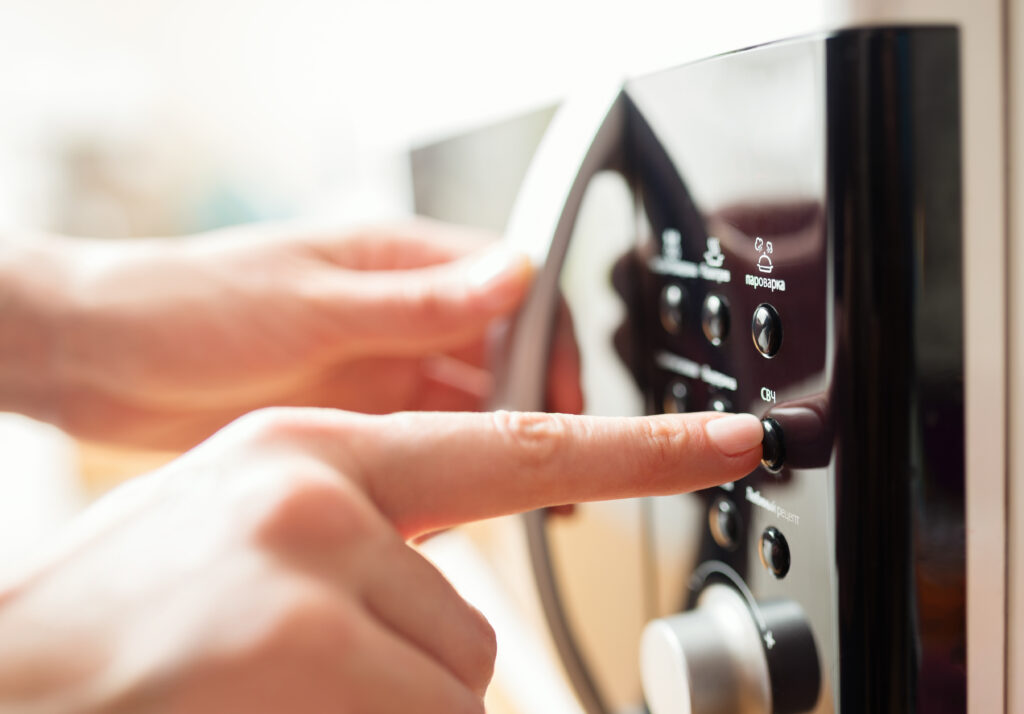
From an appliance standpoint, putting improper materials in your microwave can cause real damage over time. Melted plastic can coat the interior walls, affect the turntable, and in some cases create residue that is difficult to remove and can interfere with how the appliance functions. Microwaves are one of the most frequently used appliances in any kitchen, and like any appliance, they are susceptible to wear and damage from misuse. Interior damage caused by melted plastic or arcing materials can shorten the lifespan of your unit significantly. Replacing a microwave is a manageable cost, but it is an entirely avoidable one with the right habits in place.
Safer Alternatives for Reheating Food
Choosing safer materials for microwave use is genuinely easy once you know what to look for. Here are the best options to keep on hand:
- Glass containers with microwave-safe lids are reliable, easy to clean, and do not leach anything into food
- Ceramic dishes without metallic glazes heat evenly and are a standard kitchen staple for good reason
- Paper towels placed loosely over food help contain splatter without introducing chemical concerns
- Microwave-safe plastic containers labeled with the appropriate symbol can be used carefully, though glass remains preferable
- Wax paper and parchment paper are safe for covering food during reheating
Shifting away from plastic bags in the microwave is a small habit change with meaningful benefits. The cost of a few glass containers is minimal compared to the peace of mind they offer.
Reading the Labels: What to Look For
When you are evaluating whether any plastic product is safe for microwave use, the label is your first resource. Look for the microwave-safe symbol, which typically appears as a microwave icon or a series of wavy lines on the bottom of containers. If you see the recycling symbol with the number 5 inside, that indicates polypropylene, which is generally considered one of the more heat-stable plastics. Numbers 3 and 6 — PVC and polystyrene respectively — are among the plastics most commonly flagged for heat-related concerns. When in doubt, transfer food to a glass or ceramic container before reheating. It takes an extra ten seconds and eliminates the question entirely.
How Home Warranty Coverage Relates to Kitchen Appliance Care
Proper appliance care connects directly to what home warranty coverage is designed to support. A home warranty plan covers the repair or replacement of major home systems and appliances when they fail due to normal wear and tear. Key things to understand about this coverage include:
- Damage caused by misuse — like melting plastic inside a microwave — is typically excluded from home warranty claims
- Appliances that fail due to mechanical or electrical breakdown unrelated to misuse are generally covered
- Keeping appliances clean and using them as intended supports both longevity and warranty eligibility
- Built-in microwaves are more commonly included in home warranty plans than countertop models
Understanding what your home warranty does and does not cover helps you get the most value from your plan and avoid surprises when something breaks down.
Why Armadillo Is the Right Partner for Protecting Your Home Appliances
Kitchen appliances fail when you least expect it, and the cost of replacing or repairing them adds up quickly. That is exactly the kind of financial unpredictability that Armadillo home warranty coverage for kitchen appliances and home systems is built to address. Armadillo offers transparent, straightforward plans that protect homeowners from the unexpected costs of appliance breakdowns — without the confusing fine print or the runaround that often comes with making a claim. Whether your microwave stops heating, your refrigerator compressor gives out, or your dishwasher decides to retire ahead of schedule, having a plan in place means you are not absorbing that cost alone. If you are ready to protect your home the smart way, get a free home warranty quote for your kitchen and major appliances and see exactly what coverage looks like for your specific home. Armadillo makes it simple, fast, and genuinely worth your time.

Frequently Asked Questions About Plastic Bags in the Microwave
These are the questions homeowners ask most often on this topic, answered clearly and directly.
Can you put a Ziploc bag in the microwave?
Most standard Ziploc bags are not labeled as microwave-safe. Ziploc does produce some products rated for microwave use, but you should check the specific product label before using any bag in the microwave. When in doubt, transfer food to a glass or ceramic container.
What happens if you accidentally microwave a plastic bag?
If the bag melts or warps, it may have released chemicals into your food and left residue inside the microwave. If the food was in contact with melted plastic, it is safest to discard it. Clean the microwave interior thoroughly before using it again.
Are freezer bags safe to microwave?
Freezer bags are designed for cold temperatures, not heat. They are generally not safe for microwave use and can melt or deform when exposed to microwave energy. Use containers labeled specifically as microwave-safe instead.
How do I know if a plastic container is microwave-safe?
Look for a microwave-safe label or symbol on the bottom of the container, often depicted as a microwave icon or wavy lines. The recycling number 5, indicating polypropylene, is generally considered heat-stable, though glass remains the safest option.
Can melted plastic inside a microwave make you sick?
Inhaling fumes from melted plastic or consuming food that was in direct contact with melted plastic carries potential health risks. Ventilate your kitchen after the incident, discard the affected food, and clean the microwave thoroughly before further use.
Does using plastic bags in the microwave void my home warranty?
Home warranty plans typically exclude damage caused by misuse or improper operation. If plastic melts inside your microwave and damages the appliance, that type of damage may not be covered under a standard home warranty plan.
What is the safest material to use in the microwave?
Glass and ceramic containers without metallic glazes are the safest materials for microwave use. They do not leach chemicals, heat evenly, and are easy to clean. Parchment paper and paper towels are also safe for covering food.
Are microwave steam bags for vegetables safe?
Yes, microwave steam bags sold for vegetable cooking are specifically designed and tested for that application. They use materials rated for microwave heat and are safe when used according to the package directions.
Can a microwave be damaged by melted plastic?
Yes. Melted plastic can coat the interior walls and turntable, create residue that is difficult to remove, and in some cases affect the appliance’s performance over time. Regular misuse of this kind can shorten the lifespan of your microwave.
Is a built-in microwave covered under a home warranty?
Built-in microwaves are more commonly covered under home warranty plans than countertop models, though coverage varies by provider and plan. Reviewing your specific plan documents or speaking with your home warranty provider will give you the clearest answer for your situation.