
Can You Add Freon to a Portable Air Conditioner? What Homeowners Need to Know
It is the middle of July, the portable AC is blowing warm air, and someone on the internet just told you to “recharge the freon.” That sounds simple enough, right? Well, not exactly. The reality of adding refrigerant to a portable air conditioner is more nuanced than most people expect, and understanding it properly can save you time, money, and a lot of frustration. This article breaks down how refrigerant works in portable AC units, when a recharge might actually be necessary, and what your home warranty coverage means for the whole situation.
What Is Refrigerant and How Does It Work in a Portable AC?
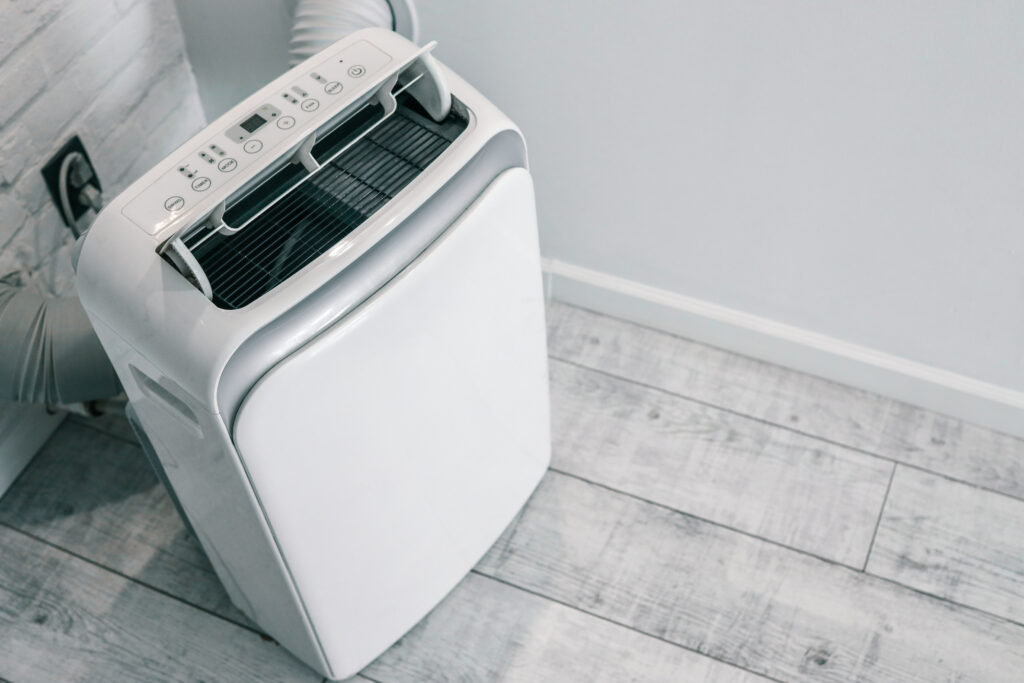
Refrigerant, often referred to by the brand name Freon, is the chemical compound responsible for the actual cooling process inside any air conditioning system. In a portable air conditioner, refrigerant cycles through a closed loop that includes a compressor, a condenser coil, and an evaporator coil. As it moves through this loop, it absorbs heat from the indoor air and releases it outside, leaving cooler air behind. The key detail here is that this system is sealed. Unlike a car battery that drains over time, refrigerant does not get “used up.” If the refrigerant level is low, that almost always means there is a leak somewhere in the system, which is a different problem entirely.
Are Portable Air Conditioners Designed to Be Recharged?
This is where things get interesting. Most portable air conditioners sold for residential use are not designed with a service port, which is the valve through which refrigerant would be added. Central air conditioning systems and many window units have these ports as part of their design, making professional servicing more straightforward. Portable units, however, are typically manufactured as sealed, self-contained systems. This design choice reflects the expectation that if the sealed refrigerant system fails, the unit is repaired or replaced rather than recharged in the field. So when someone asks whether you can add freon to a portable air conditioner, the honest answer is: technically sometimes, but practically speaking, it is rarely the right move.
Signs Your Portable AC May Have a Refrigerant Problem
Before assuming refrigerant is the issue, it helps to know what the actual warning signs look like. Low refrigerant or a refrigerant leak in a portable unit tends to produce a handful of recognizable symptoms.
- The unit runs continuously but never adequately cools the room
- Warm or only slightly cool air coming from the unit even on the highest setting
- Ice forming on the evaporator coil or near the intake area
- A hissing or bubbling sound near the unit
- Increased energy consumption with decreased performance
That said, these symptoms can also be caused by dirty filters, a blocked exhaust hose, an undersized unit, or a failing compressor. Refrigerant loss should not be the first assumption. Rule out the simpler issues before escalating to a refrigerant diagnosis.
The Legal and Safety Side of Handling Refrigerant
Here is something a lot of homeowners do not realize: handling refrigerant is regulated by federal law in the United States. Under Section 608 of the Clean Air Act, only EPA-certified technicians are permitted to purchase and handle refrigerants used in air conditioning systems. This applies to the refrigerants found in most portable ACs, including R-410A and the older R-22 (commonly called Freon). Attempting a DIY refrigerant recharge without certification is not just risky from a technical standpoint, it can result in significant legal liability. Refrigerants are also under pressure and can cause serious injury if mishandled. This is firmly a job for a licensed HVAC professional.

What Actually Happens When a Technician Services a Portable AC
When you bring in a licensed HVAC technician to look at a portable air conditioner with suspected refrigerant loss, the process is not as simple as topping off a fluid level. The technician will first need to locate and confirm the leak, typically using a refrigerant leak detector or UV dye. Once the leak is found, they must repair it before any refrigerant can be added. If the leak is in a location that cannot be repaired, such as within the sealed compressor housing, the unit may be considered unrepairable. At that point, a full replacement is the practical path forward. The cost of leak detection, repair, and recharge on a portable unit often rivals or exceeds the cost of a new unit, which is a hard truth worth knowing upfront.
Repair vs. Replace: Making the Smart Call
Portable air conditioners typically range from a couple hundred dollars to over a thousand depending on capacity and features. When a refrigerant issue is confirmed, the math on repair versus replacement becomes pretty clear. A full refrigerant service, including leak detection, repair, and recharge, can cost anywhere from two hundred to five hundred dollars or more depending on the refrigerant type and local labor rates. For a unit that cost three hundred dollars new, replacement is almost always the smarter financial decision. For higher-end units, repair may make sense, but only if the leak is accessible and the rest of the system is in good shape. Age matters here too. A unit that is more than five or six years old is generally a replacement candidate regardless of the repair cost.
How Home Warranty Coverage Applies to Portable AC Units
This is a question worth asking carefully. Home warranties are designed to cover the repair or replacement of home systems and appliances when they fail due to normal wear and tear. Coverage for air conditioning typically includes central AC systems as a core offering, and many plans extend to additional cooling equipment. Portable air conditioners fall into something of a gray area depending on the provider and the specific plan. Some home warranty plans include portable or window AC units under an appliance coverage tier, while others may only cover central systems. If refrigerant loss or a sealed system failure causes your portable unit to stop working, and that unit falls under your coverage, a home warranty could offset the cost of professional diagnosis and, where applicable, repair or replacement. The key is knowing what your plan actually covers before the problem shows up.
Maintenance Tips to Avoid Refrigerant Issues in the First Place
The best refrigerant problem is the one that never happens. While you cannot prevent all mechanical failures, there are practical habits that extend the life of a portable air conditioner and reduce the likelihood of refrigerant-related issues.
- Clean or replace the air filter every two to four weeks during heavy use
- Keep the exhaust hose properly connected and free of kinks or blockages
- Store the unit upright and in a dry location during off-season months
- Avoid running the unit in spaces significantly larger than its rated capacity
- Schedule a professional inspection if the unit shows any signs of reduced performance
Proper use and basic maintenance go a long way. Most portable AC failures that homeowners chalk up to refrigerant problems are actually caused by neglected filters or improper installation of the exhaust hose. Start there before anything else.
Why Armadillo Is the Smart Choice for Homeowners Who Want Real Coverage
When a cooling appliance fails unexpectedly, the last thing you want is to discover your home warranty has more exceptions than it does coverage. That is exactly what separates Armadillo home warranty plans for cooling systems and home appliances from the alternatives. Armadillo builds its plans with real homeowners in mind, offering straightforward coverage that addresses the kinds of failures that actually happen, not just the ones that are convenient to cover. If your portable AC unit or another cooling system in your home breaks down due to a covered failure, Armadillo connects you with qualified service professionals and handles the process without unnecessary friction. Protecting your home should not require a law degree to understand your policy. Get a free home warranty quote for your cooling equipment and home systems today and find out just how straightforward home protection can be when it is built with clarity and honesty at the core.

Frequently Asked Questions About Adding Freon to a Portable Air Conditioner
These are some of the most common questions homeowners ask about portable AC refrigerant, service options, and warranty coverage.
Can I add freon to my portable air conditioner myself?
In most cases, no. Most portable AC units are sealed systems without service ports, and handling refrigerant requires EPA certification under federal law. DIY refrigerant recharging is both legally restricted and physically risky without proper training and equipment.
Why is my portable air conditioner not cooling even though it is running?
There are several possible causes, including a clogged air filter, a kinked or blocked exhaust hose, a room that exceeds the unit’s cooling capacity, or a refrigerant leak. Start with filter cleaning and exhaust hose inspection before assuming a refrigerant issue.
How do I know if my portable AC has a refrigerant leak?
Common signs include warm air output despite the unit running, ice buildup on the coils, hissing or bubbling sounds, and noticeably higher energy usage with lower cooling performance. A licensed HVAC technician can confirm a leak using detection equipment.
Is it worth repairing a portable AC with a refrigerant leak?
It depends on the unit’s age and cost. For lower-cost units, replacement is usually more economical than the full cost of leak detection, repair, and recharge. For higher-end or newer units, a repair assessment from a qualified technician helps determine whether service makes financial sense.
What type of refrigerant does a portable air conditioner use?
Most modern portable AC units use R-410A refrigerant. Older units may use R-22, which is being phased out and is increasingly difficult and expensive to source. The refrigerant type is typically listed on the unit’s label or in the owner’s manual.
Does a home warranty cover portable air conditioner repairs?
It varies by provider and plan. Some home warranty plans include portable or window AC units under appliance coverage tiers, while others limit coverage to central cooling systems. Reviewing your specific plan terms is the most reliable way to confirm coverage.
How long does a portable air conditioner typically last?
With proper maintenance, most portable air conditioners have a lifespan of five to ten years. Units that are regularly cleaned, properly stored during off-season months, and used within their rated capacity tend to last longer.
What does it cost to have a portable AC recharged by a professional?
Professional refrigerant service for a portable unit, including leak detection, repair, and recharge, typically costs between two hundred and five hundred dollars or more depending on refrigerant type and local labor rates. This often approaches or exceeds the cost of a new unit.
Can ice on my portable AC unit mean low refrigerant?
Ice buildup can be a sign of low refrigerant, but it can also result from restricted airflow due to a dirty filter or blocked vents. Clean the filter and check airflow first. If ice formation persists after those steps, have the unit inspected by a professional.
Is R-22 refrigerant still available for older portable AC units?
R-22 is still technically available but is being phased out under EPA regulations, making it increasingly scarce and costly. For older units still using R-22, replacement with a newer R-410A model is often the more practical and cost-effective decision.