
Can You Add Freon to a Portable Air Conditioner? What Homeowners Need to Know
Portable air conditioners are convenient, widely used, and indispensable in homes where installing a central HVAC system isn’t an option. But like many appliances, they don’t last forever, and poor performance over time can leave homeowners wondering if a quick fix—like adding Freon—might be the answer. In this article, we’ll explore the role refrigerant (commonly referred to as Freon) plays in portable AC systems, whether it’s safe or even possible to recharge them, and practical steps you can take to ensure your unit performs optimally. We’ll also touch on how proper maintenance fits into your home protection strategy and where a home warranty provider like Armadillo can offer real value.
Understanding the Refrigeration System Inside a Portable Air Conditioner
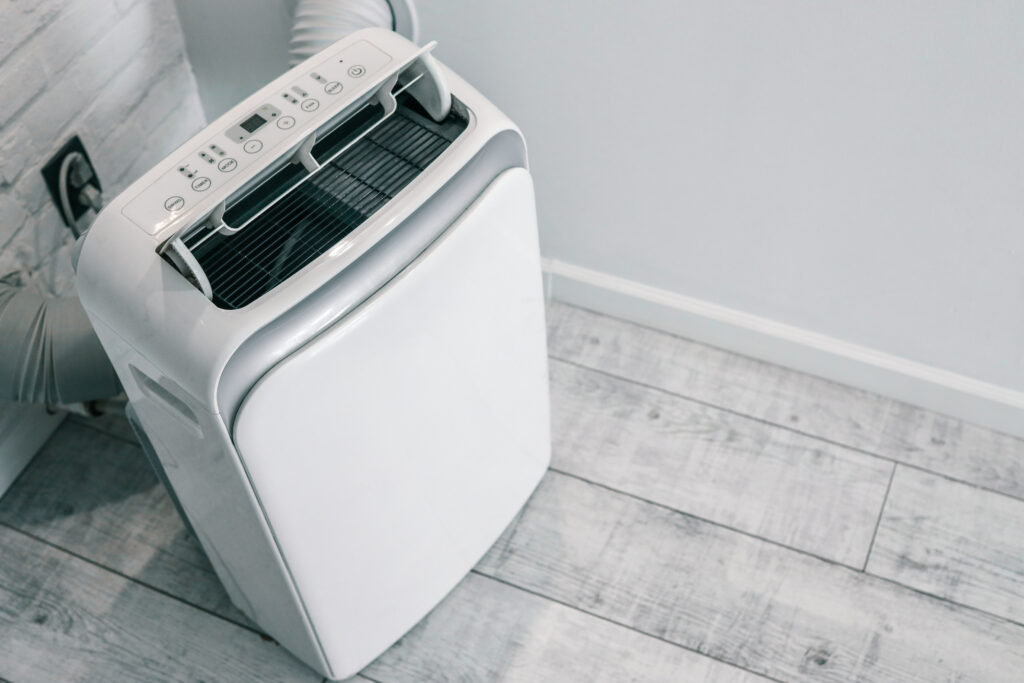
To know if you can or should add Freon to a portable air conditioner, you need to first understand how these machines work. At their core, portable AC units operate using a closed-loop refrigeration cycle. This system involves a refrigerant—often referred to generically as Freon—that circulates between a compressor, condenser, evaporator, and expansion valve. The refrigerant absorbs heat from indoor air and expels it outside, cooling your space in the process. In the case of portable units, the hot air is typically vented through a window using a flexible exhaust hose. These systems are pre-charged and factory sealed, which is important to keep in mind as we explore maintenance and repair options.
Why Portable AC Units Aren’t Designed to Be Recharged
Most residential portable air conditioners are built as sealed systems. Manufacturers do this for safety, efficiency, and cost control. A sealed system means there are no service ports, which makes recharging them with refrigerant complex and arguably hazardous for the average homeowner. Even if the unit is underperforming, the problem may not be refrigerant-related at all. Dust buildup, clogged filters, improper ventilation, or failing motors could be to blame. Attempting to add Freon without a proper diagnosis could void any existing warranty, pose environmental risks, and potentially damage the machine. It’s also worth noting that recent environmental regulations continue phasing out certain refrigerants, which complicates both accessibility and legality for consumers.
Signs Your Portable Air Conditioner May Have a Refrigerant Problem
Though uncommon, refrigerant leaks in portable AC units can occur. These may develop from factory defects, corrosion, or physical damage. Symptoms often include a noticeable drop in cooling performance, ice buildup on the evaporator coils, or a hissing sound during operation. If your unit displays these signs but basic troubleshooting (like cleaning filters or checking the exhaust hose) doesn’t help, a deeper issue could be at play. However, due to the sealed nature of most units, diagnosing and resolving refrigerant loss generally requires professional inspection—often leading to the recommendation of replacement, not repair.
When Recharging Makes Sense—and When It Doesn’t
There are a few higher-end, commercial-grade portable air conditioners designed with service ports that allow a trained technician to check pressure levels and top off refrigerant. But for the vast majority of consumer-grade residential units, this simply isn’t an option. Attempting to manually install a service valve or recharge a sealed system can be costly and may involve cutting into the machine, compromising its structural integrity and invalidating any protection plan or manufacturer’s coverage. In nearly every instance, homeowners are better served by investing in a new unit rather than trying to extend the life of a failing one through refrigerant replacement.
How to Extend the Life of Your Portable AC and Avoid Refrigerant Issues
Instead of searching for a workaround that may not be advisable—or even possible—the focus should shift to preventive care. Basic maintenance can significantly extend the life of your portable air conditioner. Start by cleaning or replacing air filters every few weeks during peak use to prevent restricted airflow. Ensure the exhaust hose is free of kinks and obstructions. Avoid placing the unit in direct sunlight or near heat sources, which can force the system to work harder. If you live in a humid climate, empty the water collection tank regularly—some models offer auto-evaporation, but it’s still good practice to check. Keeping the unit clean both inside and out helps the system stabilize, reducing the likelihood of internal strain that might lead to refrigerant leaks or inefficiencies.
What Your Home Warranty Covers—and Why It Matters
You may be surprised to know that portable air conditioners typically aren’t included in most traditional home warranty coverage. Standard plans focus on built-in systems like central HVAC, electrical, plumbing, and often major kitchen appliances. However, this doesn’t mean home protection strategies don’t apply. The value of a reliable home warranty provider lies in limiting out-of-pocket costs when covered systems fail—a critical advantage that becomes clear when you’re faced with needing to replace a costlier appliance, like a central heat pump or AC condenser. Choosing a home warranty with transparency, flexible plans, and quality customer care can help you pinpoint what’s covered and adapt your plan as your home evolves.
Why Armadillo Is the Smarter Way to Protect Your Home Cooling Systems
Whether you’re managing central air or relying on portable climate solutions, unexpected repair or replacement costs can catch any homeowner off guard. That’s where Armadillo comes in. At Armadillo, we understand that your home is an ecosystem—and when one system struggles, the entire household feels it. While portable air conditioners may fall outside traditional warranty scopes, larger HVAC components shouldn’t. Our home protection plans allow homeowners to build coverage tailored to their real-life needs. And if your portable AC isn’t keeping up, it might be time to explore scalable solutions with peace of mind that comes from solid coverage. Visit our homepage at armadillo.one to learn more or start customizing your protection plan at our plan builder today.