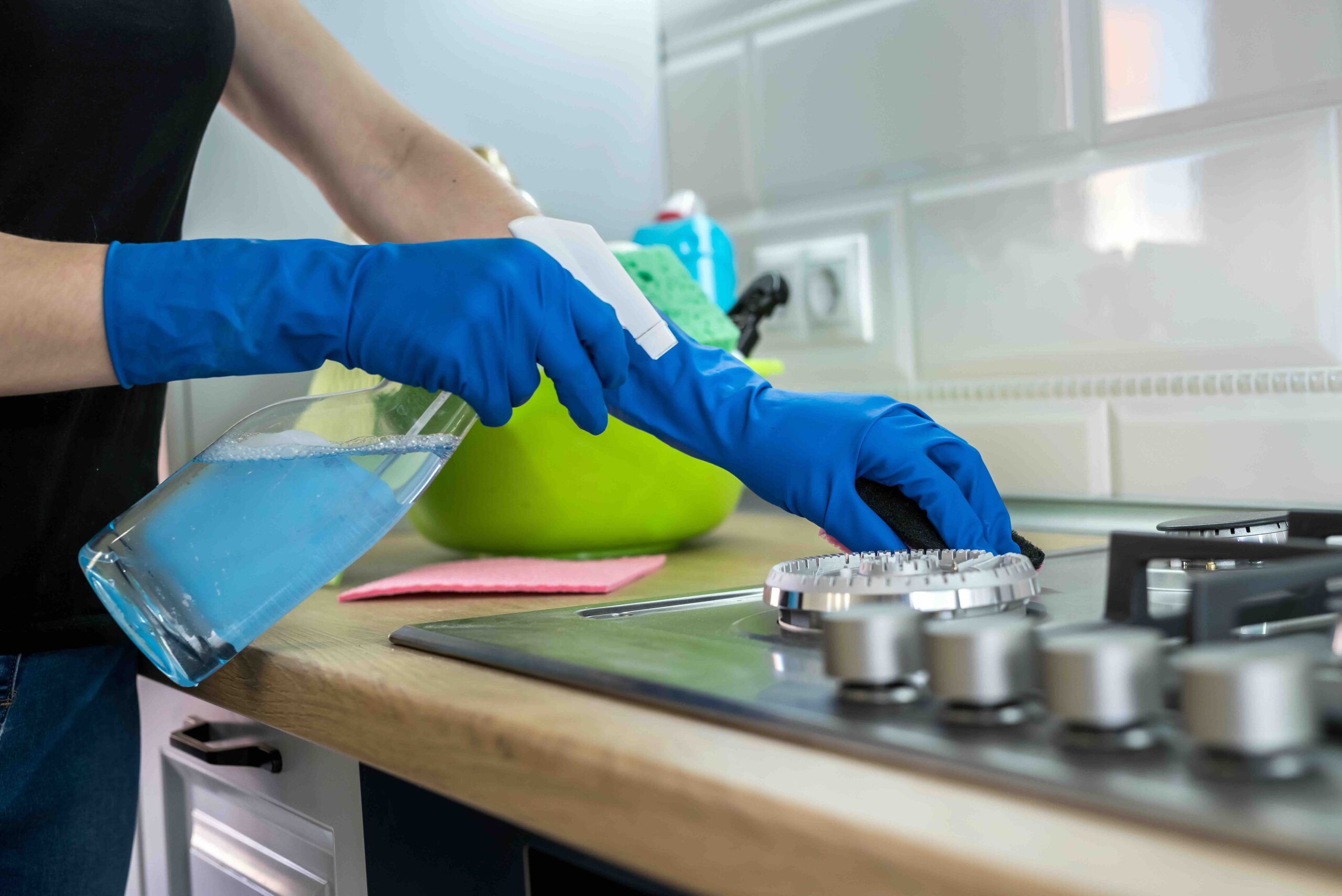
Can You Clean Stainless Steel With Alcohol? What Every Homeowner Should Know
So you have a fingerprint-smudged refrigerator, a spotted dishwasher front, or a stovetop that looks like it survived a small disaster. You glance at the bottle of isopropyl alcohol sitting on the counter and wonder — can you just use that? The short answer is yes, with some important conditions. The longer answer involves understanding what stainless steel actually is, how it reacts to different cleaning agents, and how to protect your appliances over the long run. Let us walk through all of it.
What Is Stainless Steel and Why Does It Need Special Care
Stainless steel is an iron-based alloy that contains chromium, which creates a thin, invisible oxide layer on the surface. That layer is what gives stainless steel its resistance to rust and corrosion. It sounds durable — and it is — but that protective layer is more sensitive than most homeowners realize. Harsh chemicals, abrasive materials, and even water with high mineral content can compromise it over time. So when you reach for a cleaning product, the choice actually matters quite a bit more than it does with other surfaces in your home.
Isopropyl Alcohol and Stainless Steel: The Basic Chemistry
Isopropyl alcohol, typically found in concentrations of 70 percent or 91 percent at most pharmacies and grocery stores, is a solvent. It dissolves oils, light grime, and residue efficiently without leaving behind significant moisture. On stainless steel, this makes it a practical cleaning option because it evaporates quickly and does not promote rust or water spotting in the way that some liquid cleaners can. It is also non-abrasive and does not contain the harsh salts or bleach compounds that can damage the chromium oxide layer. That said, concentration and application method still matter quite a bit.
How to Properly Clean Stainless Steel With Alcohol
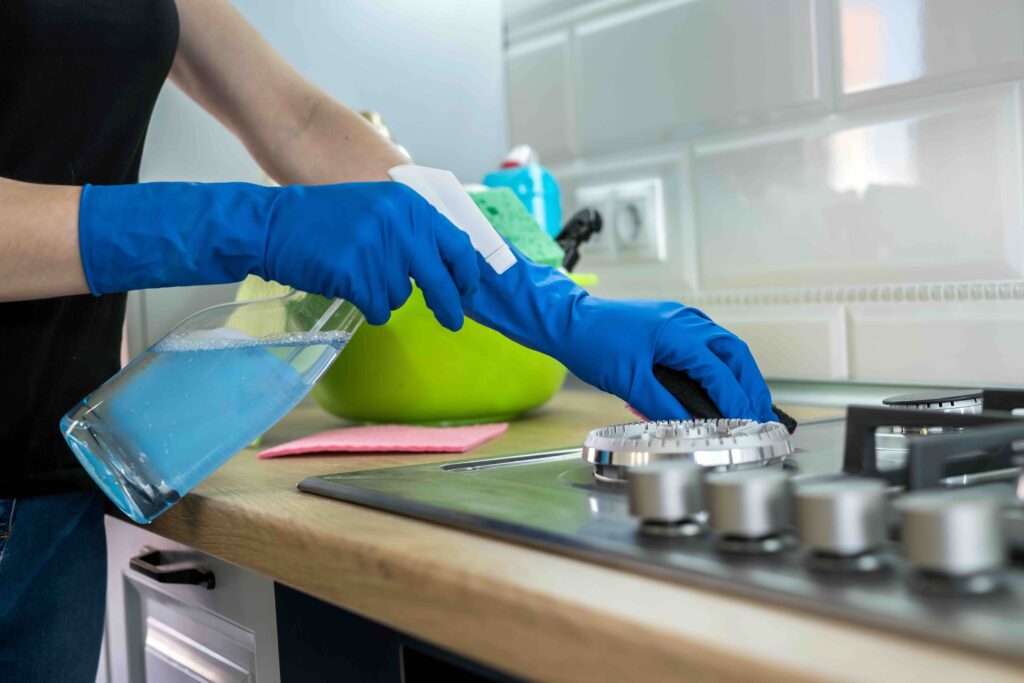
Getting this right is less about the product and more about the technique. Stainless steel has a grain — a directional pattern in the finish — and cleaning against it can leave visible scratches over time. Here is a straightforward approach that works well for most appliances:
- Use 70 percent isopropyl alcohol rather than higher concentrations for general cleaning tasks
- Apply the alcohol to a soft microfiber cloth, not directly to the surface
- Wipe in the direction of the grain, not in circular motions
- Follow up with a dry cloth to remove any remaining residue
- For a polished finish, apply a small amount of mineral oil after cleaning to restore shine and repel future fingerprints
This process works well for refrigerators, dishwasher panels, range hoods, and exterior stovetop surfaces. It is not ideal for interior cooking surfaces, cutting boards, or anything that will come into direct contact with food during preparation.

Situations Where Alcohol Works Best on Stainless Steel
Alcohol is particularly effective in a handful of specific cleaning scenarios. If you are dealing with greasy fingerprints on a refrigerator door, disinfecting the exterior of an appliance after illness in the household, or removing sticky residue from a label or tape on a new appliance, isopropyl alcohol handles all of those tasks cleanly. It is also useful for removing ink marks or light surface staining. The key is that it excels at dissolving oils and killing surface bacteria without introducing moisture that lingers.
When You Should Not Use Alcohol on Stainless Steel
There are situations where reaching for the alcohol is not the right call. For heavy-duty grease buildup around a stove, a purpose-formulated stainless steel degreaser is going to outperform alcohol significantly. For mineral deposits or hard water staining, a diluted white vinegar solution is more effective. And for actual scratches or surface damage, no cleaning product addresses that — those require polishing compounds or professional restoration. Alcohol also should not be your go-to for interior appliance surfaces that contact food, and it should not be used on stainless steel cookware with non-stick coatings since it can degrade certain finishes over repeated use.
Common Mistakes Homeowners Make When Cleaning Stainless Steel Appliances
Even well-intentioned cleaning habits can shorten the life of stainless steel appliances. The most common errors include using steel wool or scrubbing pads that introduce micro-scratches, applying chlorine-based cleaners that attack the protective surface layer, wiping in circular motions instead of following the grain, and leaving cleaning products on the surface for extended periods. One that surprises many homeowners — using too much alcohol at once and not drying the surface promptly can lead to streaking, which ironically makes the appliance look worse after cleaning than it did before.
How Cleaning Habits Connect to Appliance Longevity
This might seem like a stretch, but how you maintain the exterior of your appliances actually connects to their overall longevity in a real way. Surface corrosion on stainless steel, if it progresses, can eventually compromise exterior panels and potentially affect seals or components near the surface. More practically, homeowners who maintain their appliances well tend to catch early warning signs of mechanical issues — unusual noises, inconsistent performance, visible wear — sooner than those who do not. Regular maintenance, even something as simple as cleaning the exterior properly, builds the habit of paying attention to your appliances.
What Products to Avoid and What to Keep Stocked Instead
Keeping the right products on hand makes it easier to care for stainless steel correctly without improvising. Products that should never touch stainless steel include bleach-based cleaners, steel wool, abrasive powders, and oven cleaners on exterior panels. Products worth keeping stocked for stainless steel care include:
- 70 percent isopropyl alcohol for general cleaning and disinfecting
- Microfiber cloths for lint-free, scratch-free application
- Mineral oil or a dedicated stainless steel polish for finishing
- Diluted white vinegar for hard water deposits and streaks
- A pH-neutral dish soap and warm water for routine cleaning
This combination covers the majority of stainless steel cleaning needs in a typical home without spending a lot or risking surface damage.
Why Appliance Care and Home Warranty Coverage Go Hand in Hand
Keeping your stainless steel appliances clean and well-maintained is one piece of a larger approach to protecting what you have invested in your home. But even appliances that are impeccably maintained can develop mechanical and electrical failures over time — that is just the reality of how complex these systems are. When a refrigerator compressor fails or a dishwasher pump stops working, the repair bill can arrive at the worst possible moment. That is where having a reliable home warranty plan for kitchen appliances and home systems makes a real difference. Armadillo offers straightforward, honest coverage that steps in when your appliances stop doing what they are supposed to do. If you want to protect your home without overcomplicating the process, you can get a free home warranty quote for appliance and system coverage in just a few minutes and see exactly what fits your home and budget.

Frequently Asked Questions About Cleaning Stainless Steel With Alcohol
These are the questions homeowners ask most often when it comes to cleaning stainless steel appliances safely and effectively.
Is isopropyl alcohol safe to use on all stainless steel appliances?
Isopropyl alcohol is generally safe for exterior stainless steel surfaces on appliances like refrigerators, dishwashers, and range hoods. It should not be used on interior cooking surfaces or on components that will contact food directly during preparation.
What concentration of isopropyl alcohol works best on stainless steel?
A 70 percent concentration is recommended for general cleaning purposes. Higher concentrations evaporate so quickly that they may not provide adequate contact time for effective cleaning, and they can occasionally cause streaking on polished surfaces.
Will alcohol damage the finish on stainless steel appliances?
When used correctly — applied with a soft cloth, wiped with the grain, and dried promptly — isopropyl alcohol will not damage the finish. The risk of damage increases when alcohol is applied in excess, left on the surface too long, or used with abrasive materials.
Can you use rubbing alcohol to disinfect stainless steel surfaces?
Yes. Isopropyl alcohol at 70 percent concentration is an effective surface disinfectant and works well on stainless steel appliance exteriors. It kills most common bacteria and viruses without leaving behind residue that could affect the surface.
Why does my stainless steel look streaky after cleaning with alcohol?
Streaking usually happens when too much product is applied, when the surface is not dried thoroughly after cleaning, or when the cloth used was not clean or lint-free. Following up with a dry microfiber cloth and then a light application of mineral oil typically resolves this issue.
How often should you clean stainless steel appliances?
For household appliances in regular use, a light cleaning once or twice a week helps prevent buildup. A more thorough cleaning with isopropyl alcohol and a finishing polish once or twice a month keeps surfaces looking their best and protects the finish over time.
Can I use hand sanitizer as a substitute for isopropyl alcohol on stainless steel?
Most hand sanitizers contain isopropyl or ethyl alcohol, but they also contain gels, fragrances, and additives that can leave residue on stainless steel surfaces. It is better to use pure isopropyl alcohol rather than hand sanitizer for appliance cleaning.
Does cleaning stainless steel with alcohol affect its rust resistance?
No. Proper use of isopropyl alcohol does not degrade the chromium oxide layer that gives stainless steel its corrosion resistance. Bleach-based cleaners, salt, and harsh abrasives are far more likely to compromise that protective layer than alcohol is.
Is it better to use a commercial stainless steel cleaner or isopropyl alcohol?
Both have their place. Commercial stainless steel cleaners often contain polishing agents that restore shine more effectively, while isopropyl alcohol is better suited for disinfecting and cutting through oily residue. For a well-rounded routine, using both in alternation makes sense.
Does a home warranty cover stainless steel appliance repairs?
Home warranties typically cover mechanical and electrical failures within appliances, such as compressor issues, pump failures, or control board malfunctions. Surface damage to stainless steel finishes, such as scratches or cosmetic issues, is generally considered a maintenance matter and falls outside standard warranty coverage.